Taga Shrine (Kagoshima City, Kagoshima Prefecture) Complete Guide | History, Blessings, Access, and Highlights Explained in Detail
Taga Shrine, located in Shimizu-cho, Kagoshima City, is a historic shrine affectionately known locally as “O-Taga-saa.” Situated on the slopes of the small Taga Mountain, its grounds are surrounded by a quiet forest, offering views of Sakurajima volcano. This article provides a detailed explanation of everything you need to know before visiting Taga Shrine, including its history, blessings, access methods, and highlights within the grounds.
Basic Information about Taga Shrine
Location and Access
Address: 32-32 Shimizu-cho, Kagoshima City, Kagoshima Prefecture 892-0802
Taga Shrine is located in Shimizu-cho, close to the center of Kagoshima City. Despite its convenient location, approximately an 8-minute walk (625m) from JR Kagoshima Station, it enjoys a tranquil environment surrounded by lush greenery.
Main Access Methods:
- By JR: 8-minute walk from Kagoshima Station on the Kagoshima Main Line and Nippo Main Line
- By Tram: Approximately 10-minute walk from the Kagoshima Station tram stop on the Kagoshima City Tram Line 1
- By Car: Parking available on the shrine grounds (several spaces)
Official and Common Names of the Shrine
Shrine Name: Taga Shrine
Common Name: Otaga-saa
Local people affectionately call it “Otaga-saa.” This “saa” is a Kagoshima dialect honorific, expressing familiarity and respect for the shrine.
Shrine Rank and Crest
Former Shrine Rank: Gosha (Village Shrine)
Crest: Mitsu-domoe (Three Tomoe Symbols)
Taga Shrine, which was ranked as a Gosha under the modern shrine ranking system of the Meiji era, has played an important role as a central shrine in the region. The three-comma crest of Taga Shrine is a pattern that has been used in Shinto shrines since ancient times as a symbol of protection against water and fire.
History and Origins of Taga Shrine
Founding History
There are various theories regarding the founding date of Taga Shrine, but it has long been revered as the guardian shrine of the Shimizu-cho area, attracting the faith of the local people. According to the shrine’s historical records, Izanagi-no-Mikoto is enshrined as the main deity and has been worshipped as the god who presides over the creation of the land and the source of life.
Connection to the Community
Taga Shrine has been deeply intertwined with the lives of the residents of Shimizu-cho and the surrounding areas as their tutelary deity. It has a history of being a place that receives people’s wishes for abundant harvests, family safety, and longevity, passed down through generations.
Main Deity and Benefits
Deities Enshrined
The following eight deities are enshrined at Taga Shrine.
Main Deity:
- Izanagi-no-Mikoto: The male deity who created the land of Japan and its gods. The source of life, the god of longevity and extended life
Enshrined deities:
- Amaterasu Omikami: The supreme goddess who governs the sun
- Toyouke-hime no Okami: Goddess of food and grains
- Ninigi no Mikoto: God of the descent of the heavenly grandchild, ancestral god of the Imperial family
- Amenokoyane no Mikoto: God of rituals and learning
- Ame no Futodama no Mikoto: God of rituals and industry
- Tachikarao no Mikoto: God of strength, god of sports
- Takuhata Chijihime no Mikoto: Goddess of weaving and textiles
Main Benefits
The main benefits you can receive at Taga Shrine are as follows:
- Longevity and Longevity: The most famous benefit from the divine virtue of the principal deity, Izanagi-no-Mikoto.
- Healing from Illness: Prayers for health through the power of the gods, the source of vitality.
- Family Safety: Protection of the peace and happiness of the family.
- Exorcism and Good Fortune: Warding off misfortune and inviting good luck.
- Matchmaking and Marital Harmony: Derived from the worship of the divine couple Izanagi and Izanami.
- Abundant Harvest: Blessings of agriculture and food from Toyouke-hime-no-Okami.
- Academic Success: Divine virtue of learning from Amenokoyane-no-Mikoto.
Annual Festival and Events
Annual Festival Date
Annual Festival Date: May 16th
The annual festival, held every year on May 16th, is the most important religious ceremony at Taga Shrine. Local people gather to express gratitude to the gods and pray for their continued protection. Traditional Shinto rituals are solemnly performed, providing an important opportunity to reaffirm community bonds.
Other Annual Events
Besides the annual festival, various Shinto rituals are performed at Taga Shrine throughout the year.
- Hatsumode (January 1st-3rd): Prayers for good health and protection from illness in the new year
- Setsubun Festival (around February 3rd): Exorcism of evil spirits through bean-throwing
- Natsukoshi no Oharae (June 30th): Purification of impurities accumulated over the past six months
- Toshikoshi no Oharae (December 31st): Purification of impurities accumulated over the past year
Highlights of the Shrine Grounds
Approach and Stone Steps
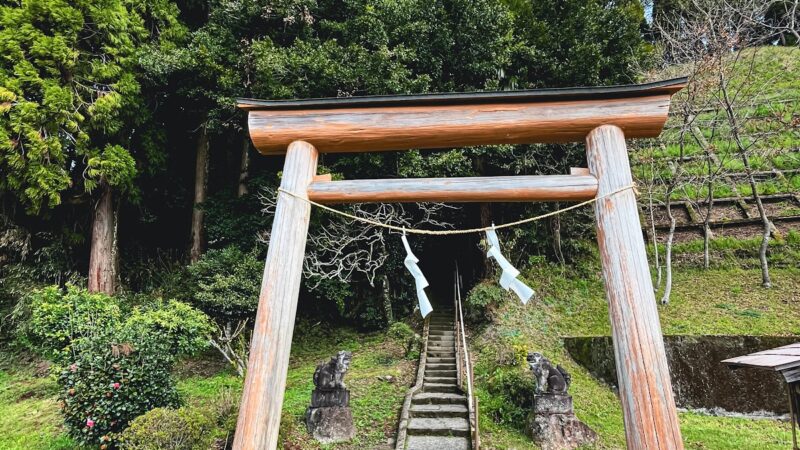
Visiting Taga Shrine begins after passing through the torii gate. A distinctive feature is the approach, which follows a small path alongside the JR Kagoshima Main Line railway tracks and crosses the tracks. This is a rare sight not often seen at other shrines, a scene characteristic of Kagoshima where modernization and tradition coexist.
After passing through the torii gate, a long stone staircase leading to the shrine appears. Because the shrine is located on a small hill, you need to climb these stairs, but the lush, green path allows you to experience the changing seasons and provides a tranquil space that makes you forget the hustle and bustle of the city.
Main Hall and Worship Hall
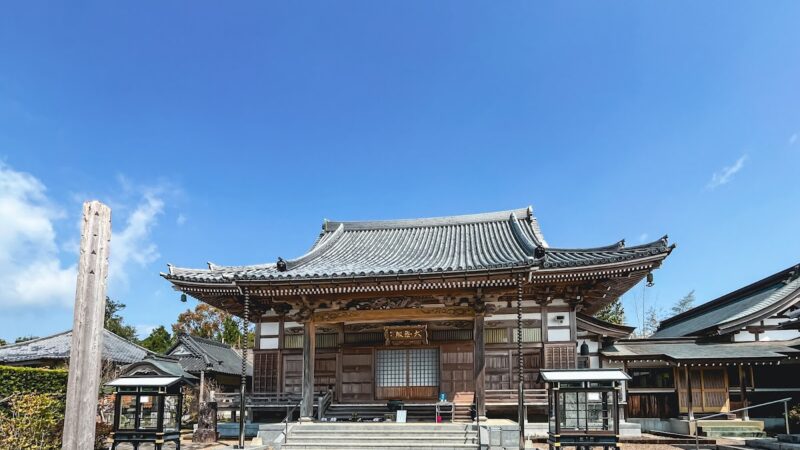
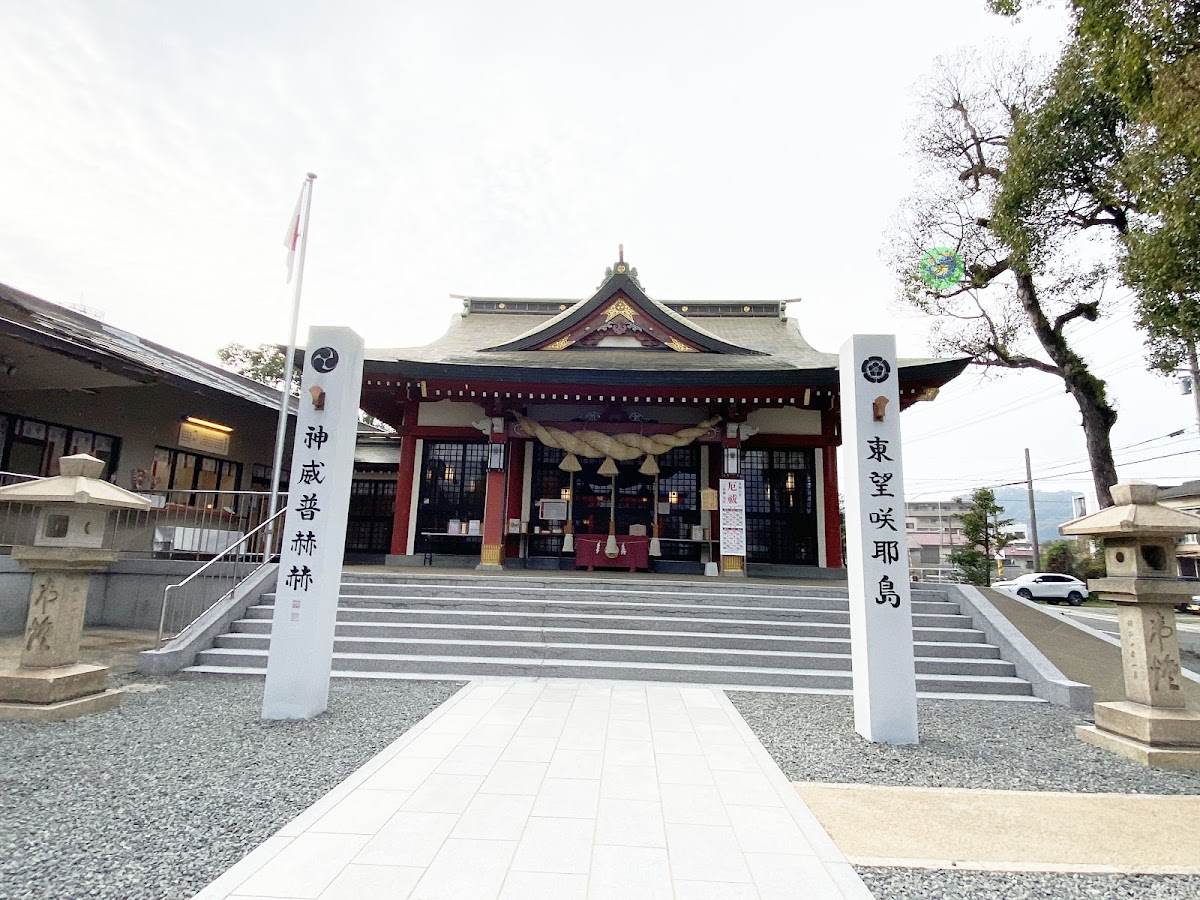
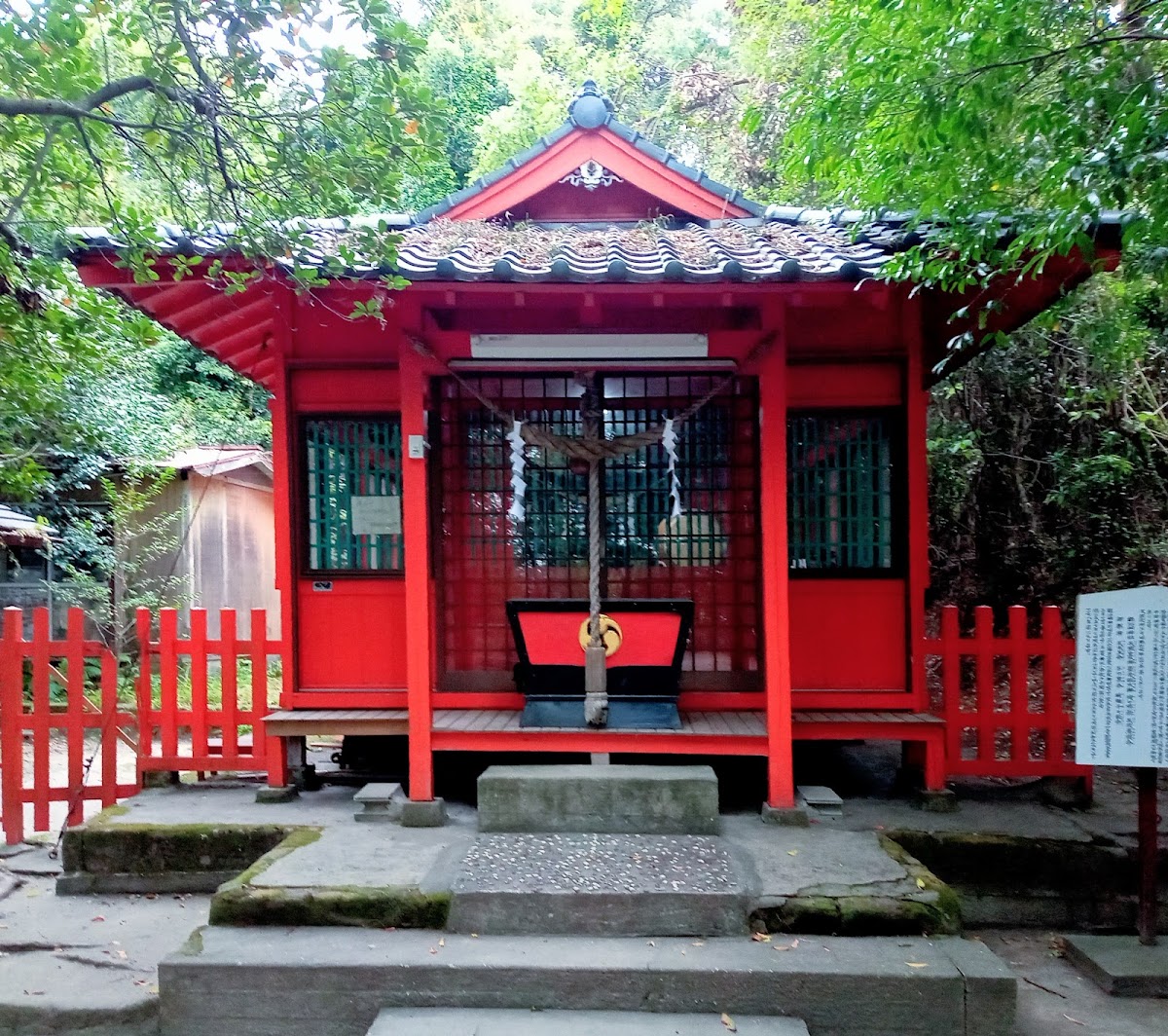
After climbing the stone steps, the main hall and worship hall come into view. The shrine buildings, built in the style of traditional shrine architecture, have a beautiful appearance that harmonizes with the surrounding greenery. A historical record is displayed in front of the worship hall, allowing you to learn more about the history of the shrine and the deities enshrined there.
Integration with Tagayama Park
Taga Shrine is adjacent to Tagayama Park, creating a lush, green environment where the shrine and park are integrated. After visiting the shrine, you can stroll through the park, and it is a popular place of relaxation for local residents.
View of Sakurajima
From the shrine grounds, you can see Sakurajima, a symbol of Kagoshima. On clear days, you can admire the majestic figure of Sakurajima across Kinko Bay, making it a spot to enjoy a quintessential Kagoshima landscape.
Etiquette and Manners for Worship
Basic Worship Method
Worship at Taga Shrine follows the general etiquette for visiting any shrine.
- Bow before the Torii Gate: Bow before entering the shrine grounds.
- Purify at the Water Basin: If there is a water basin, purify your hands and mouth.
- Walking the Path: The center of the path is the path of the gods, so walk along the sides.
- Etiquette at the Main Hall: Two bows, two claps, one bow (bowing twice, clapping twice, bowing once).
- When Leaving: Turn around and bow after leaving the Torii Gate.
Clothing and Belongings
Everyday clothes are fine for visiting, but please try to wear clean and presentable attire. Since you will need to climb stone steps, comfortable shoes are recommended. Particular caution is needed on rainy days, as the ground can be slippery.
Nearby Attractions and Access Information
Nearby Shrines and Temples
There are other shrines and temples worth visiting around Taga Shrine.
- Yasaka Shrine: A shrine located near Taga Shrine.
- Terukuni Shrine: One of Kagoshima City’s representative shrines.
- Nanshu Shrine: A shrine dedicated to Saigo Takamori.
Tourist Spots Around Kagoshima Station
Taga Shrine is within walking distance of Kagoshima Station, making it easy to combine with sightseeing around the station.
- Kagomma Furusato Yatai Village: A food stall village where you can enjoy Kagoshima’s local cuisine
- Around the Former Dolphin Port Site: Waterfront area
- Shiroyama Observatory: An observation spot offering panoramic views of Sakurajima and the city
Detailed Access Information
Access by Train:
- Get off at Kagoshima Station on the JR Kagoshima Main Line or Nippo Main Line, approximately 8 minutes on foot from the East Exit
- Exit the station and head south along the railway tracks towards Yasaka Shrine
Access by Tram:
- Get off at Kagoshima Station tram stop on Kagoshima City Tram Line 1, approximately 10 minutes on foot
Access by Bus:
- Get off at Shimizu-cho bus stop on Kagoshima City Bus or Iwasaki Bus, approximately 5 minutes on foot
Access by Car:
- Approximately 20 minutes from Kagoshima IC on the Kyushu Expressway
- Parking: Several parking spaces available on the temple grounds (free)
- *Due to limited parking spaces, the use of public transportation is recommended.
How to Enjoy Visiting Taga Shrine
Morning is Recommended
Although Taga Shrine is located near a residential area, the shrine grounds are enveloped in a quiet and peaceful atmosphere. Especially in the early morning, there are few visitors, allowing you to worship in a refreshing atmosphere. The shrine grounds, illuminated by the morning sun, are exceptionally beautiful.
Enjoy the Changing Seasons
The grounds of Taga Shrine and the surrounding Tagayama Park offer opportunities to enjoy the changing seasons.
- Spring: A beautiful and refreshing season with lush greenery.
- Summer: Lush green trees provide cool shade.
- Autumn: Autumn leaves adorn the shrine grounds.
- Winter: Sakurajima volcano is clearly visible in the crisp air.
Prayers for Health and Longevity
Many visitors come to this shrine to pray for health and longevity, seeking the blessings of the main deity, Izanagi-no-Mikoto. It is an ideal place to pray not only for your own health, but also for the health and longevity of your family and loved ones.
Photography Tips
Photography is permitted on the shrine grounds, but please be considerate of other visitors. Recommended photo spots include the shrine building viewed from the stone steps and the view of Sakurajima volcano from the grounds.
Precautions During Visit
Climbing the Stone Steps
To reach Taga Shrine, you will need to climb a long flight of stone steps. Those with mobility issues are advised to climb slowly and take breaks as needed. Please be extra careful as the stone steps become slippery during and after rain.
Parking
Parking on the shrine grounds is limited. Especially during busy times such as festivals and New Year’s visits, we recommend using public transportation. Please absolutely avoid street parking, as it inconveniences local residents.
Visiting Hours
Taga Shrine is generally open for worship during the day, but please avoid visiting at night. We recommend checking the hours for receiving Goshuin (shrine stamps) and other items at the shrine office in advance.
A Locally Rooted “O-Taga-saa”
A Shrine Loved by Locals
Taga Shrine may not be well-known as a tourist destination, but that’s precisely why it has the charm of a genuine place of faith deeply rooted in the lives of local people. It is cherished across generations as the local guardian shrine visited for important life events such as a baby’s first shrine visit, Shichi-Go-San (a traditional rite of passage for children), and exorcisms.
The History of Shimizu-cho
The name Shimizu-cho is said to originate from the fact that pure water gushed forth from this area. Taga Shrine is a shrine that has walked hand in hand with the history of this region and is an integral part of the local identity.
Summary of Visiting Taga Shrine
Taga Shrine in Shimizu-cho, Kagoshima City, is a hidden gem of a shrine, conveniently located within walking distance of Kagoshima Station, yet offering a quiet and peaceful atmosphere for worship. Eight deities, including the main deity Izanagi-no-Mikoto, are enshrined here, bestowing various blessings such as longevity, healing from illness, and family safety.
The unusual approach crossing the railway tracks, the lush stone steps, and the view of Sakurajima from the shrine grounds offer many sights to see along the way, creating a space where you can refresh both mind and body. This shrine, affectionately known locally as “O-Taga-saa,” is not only a place for tourists but also a living place of faith deeply connected to the lives of the local people.
When you visit Kagoshima, be sure to stop by Taga Shrine and find peace of mind in its tranquil grounds, feeling the blessings of the gods. In this sacred place, far removed from the hustle and bustle of everyday life, you are sure to receive renewed vitality and blessings.
Frequently Asked Questions (FAQ)
Q1: Can I get a Goshuin (shrine stamp) at Taga Shrine?
A1: Regarding the issuance of Goshuin at Taga Shrine, we recommend checking during the shrine office’s opening hours. As it is a small shrine, staff may not always be present, so it’s best to call ahead to confirm.
Q2: Are weddings and prayers possible at Taga Shrine?
A2: Taga Shrine accepts various prayers, including those for first shrine visits, Shichi-Go-San (7-5-3) celebrations, and exorcisms. If you wish to have a wedding or a special prayer, we recommend contacting the shrine in advance to discuss your needs.
Q3: Is it accessible for wheelchair users?
A3: Taga Shrine is located on a small hill, and unfortunately, it is difficult to visit in a wheelchair as you need to climb a long flight of stone steps to reach the shrine building. For those with mobility issues, it is believed that even a sincere prayer at the torii gate will reach the gods.
Q4: What happens at Taga Shrine’s annual festival?
A4: The annual festival, held on May 16th each year, involves solemn traditional Shinto rituals. Local parishioners and devotees gather to express gratitude to the gods and pray for their continued protection. For detailed information about the events, please contact the shrine directly.
Q5: Are there places to eat near Taga Shrine?
A5: There are many restaurants around Kagoshima Station, which is within walking distance of Taga Shrine. At Kagoshima Furusato Yatai Village, you can enjoy Kagoshima’s local cuisine, allowing you to savor Kagoshima’s gourmet food along with your visit to the shrine.