Yasaka Shrine (Kagoshima City, Kagoshima Prefecture) Complete Guide
Located in Gionnosu-cho, Kagoshima City, Yasaka Shrine is a historic shrine known for the Gion Festival, which brightens up Kagoshima’s summer. It is beloved by locals for its blessings of protection against disease and misfortune, and attracts many worshippers every year. This article provides a detailed explanation of Yasaka Shrine, including its history, enshrined deities, blessings, highlights within the grounds, annual events, and access information.
Basic Information about Yasaka Shrine
Location: 3-1 Gionnosu-cho, Kagoshima City, Kagoshima Prefecture 892-0824
Phone Number: 099-222-6776
Main Deity: Susanoo-no-Mikoto
Founding: Said to be during the Tenbun era (1532-1555)
Former Shrine Rank: Gosha (village shrine)
Annual Festival Date: Third Saturday and Sunday of July (Gion Festival)
History and Origins of Yasaka Shrine
Circumstances of Founding
The founding of Yasaka Shrine dates back to the Tenbun era (1532-1555). At the time, an epidemic was rampant, and it is said that the shrine originated when Susanoo-no-Mikoto was invited from Yasaka Shrine (Gion Shrine) in Kyoto to pray for the eradication of the disease.
Under the rule of the Shimazu clan, it was revered as a shrine protecting the health and peace of the people of Kagoshima. During the Edo period, it received the patronage of the Satsuma Domain and played an important role as the guardian deity of the castle town.
Changes since the Meiji Era
Due to the Meiji-era separation of Shinto and Buddhism, the shrine’s name, previously known as Gion Shrine, was changed to Yasaka Shrine. In 1873 (Meiji 6), it was ranked as a local shrine, establishing its position as a central shrine in the region.
Although the shrine buildings were destroyed in the Kagoshima air raids of 1945 (Showa 20), they were rebuilt during the post-war reconstruction, and the current shrine buildings were constructed in the 1950s (Showa 30s). Thanks to the deep faith of the local residents, it has been carefully preserved to this day.
Deities and Benefits
Main Deity: Susanoo-no-Mikoto
The main deity of Yasaka Shrine is Susanoo-no-Mikoto. In Japanese mythology, he is known as a heroic god who, after being banished from Takamagahara, defeated the Yamata no Orochi (eight-headed serpent) in Izumo Province and saved the people.
Susanoo-no-Mikoto is believed to possess the power to ward off epidemics and disasters with his fierce divine power, and has been worshipped since ancient times as a god of protection against misfortune and disease.
Main Benefits
Yasaka Shrine is believed to offer the following benefits:
Protection from Epidemics and Healing from Illness: This is the most representative divine virtue of Susanoo-no-Mikoto. He has been revered as a god of protection against epidemics since ancient times, and many worshippers visit to pray for health and longevity.
Protection from Misfortune and Disaster: Believed to offer protection from all kinds of calamities through the power of a fierce deity.
Matchmaking: Because Susanoo-no-Mikoto married Kushinada-hime, the shrine is also believed to grant blessings for successful relationships.
Business Prosperity: As a guardian deity of the region, many visitors pray for business prosperity.
Academic Success: Since Susanoo-no-Mikoto’s descendants include Sugawara no Michizane, the god of learning, many visitors pray for academic success.
Highlights of the Shrine Grounds
Shrine Buildings
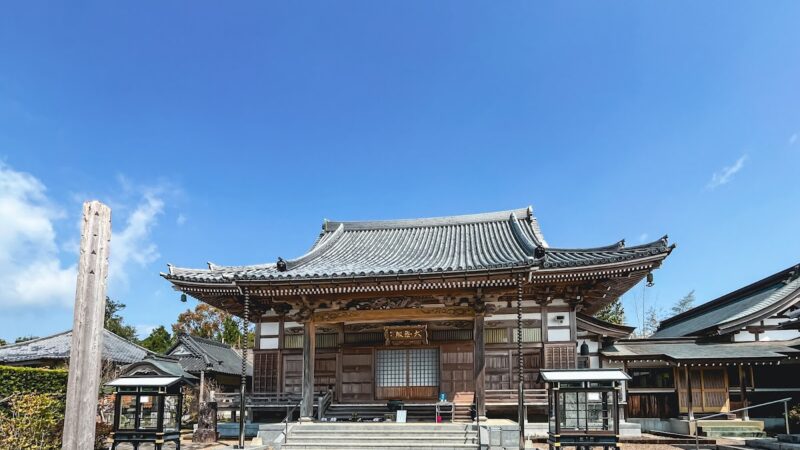
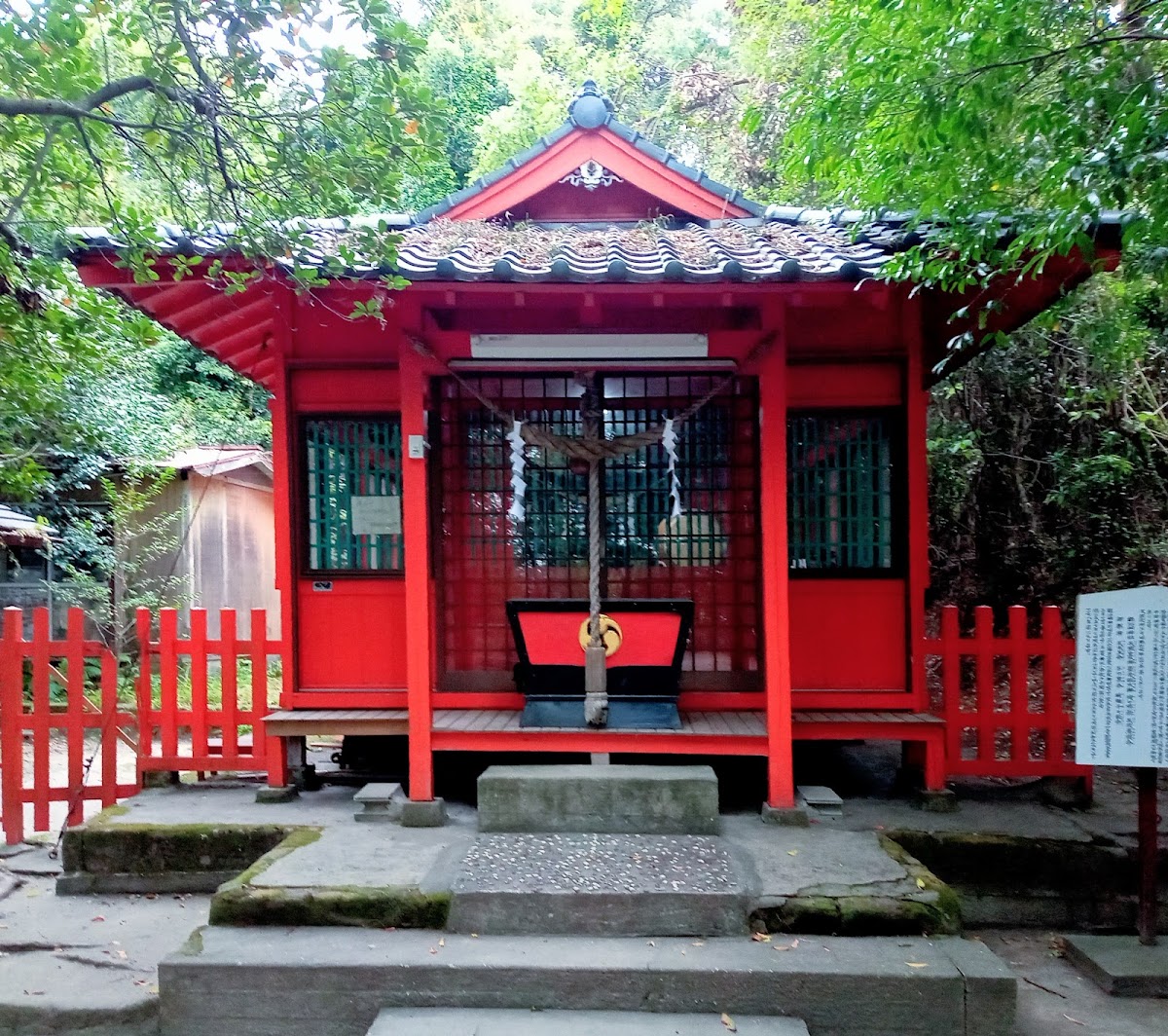
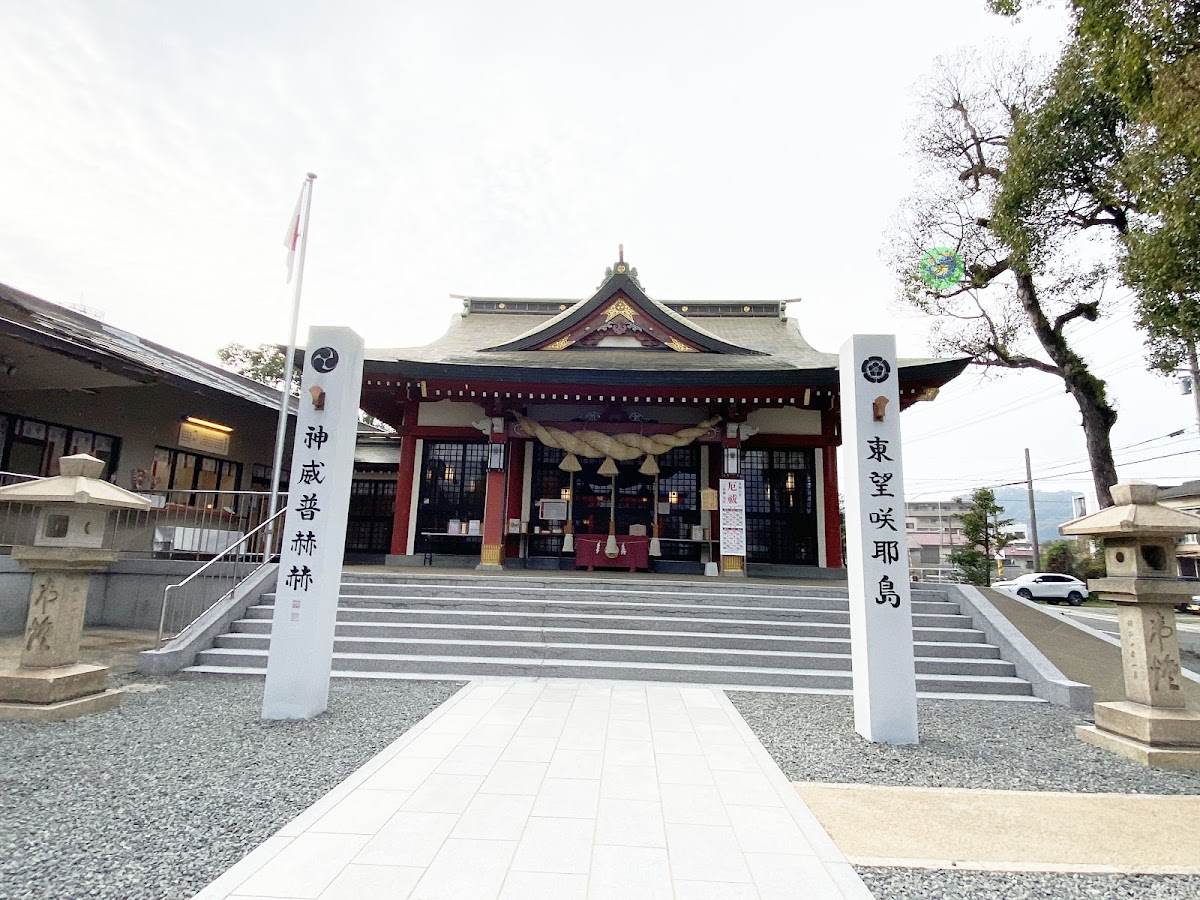
The current shrine buildings were rebuilt in the 1950s and are characterized by their vibrant vermilion color. The worship hall is built in the traditional shrine architectural style, creating a solemn atmosphere together with the main shrine.
Torii Gate and Approach
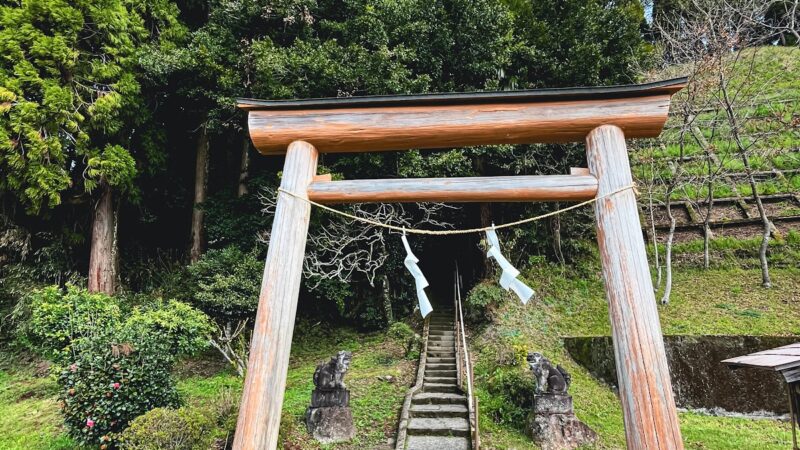
Passing through the torii gate facing the street of Gionnosu-cho, a short but refreshing approach leads to the shrine. Lanterns line both sides of the approach, creating a magical atmosphere at night.
Water Basin
As you proceed along the approach, you will find a water basin on your right. Before praying, purify your body and mind here. The proper procedure is to cleanse your hands and mouth with the clear water flowing from the dragon’s mouth.
Shrine Precincts
Several shrines are enshrined around the main hall. Each offers different blessings, and visitors pray according to their wishes.
Shrine Office
Goshuin (shrine stamps), amulets, and fortune slips can be obtained at the shrine office. Special items may be available during the Gion Festival.
Annual Events and Festivals
Gion Festival (Third Saturday and Sunday of July)
The most important festival of Yasaka Shrine is the Gion Festival, held annually on the third Saturday and Sunday of July. It is a beloved summer tradition in Kagoshima.
History of the Gion Festival
The Kagoshima Gion Festival was started in imitation of the Kyoto Gion Festival, and is a festival to pray for the eradication of disease and a bountiful harvest. It is a traditional event that has been passed down since the Edo period.
Festival Contents
During the Gion Festival, the Mikoshi Togyo (portable shrine procession) takes place, with the portable shrine parading through the parish area. The shrine, carried with energetic shouts, captivates onlookers.
During the festival, stalls line the shrine grounds and surrounding areas, creating a lively atmosphere with many worshippers. At night, the lanterns illuminate the temple grounds, creating a magical atmosphere.
Local children perform devotional dances and drum performances, contributing to the festive atmosphere of the entire community.
New Year’s Visit (January 1st-3rd)
Many visitors come for their first shrine visit of the new year. The temple is bustling with worshippers praying for good health and safety for the year. The New Year’s Day Festival is held early in the morning on New Year’s Day.
Setsubun Festival (Around February 3rd)
On Setsubun, a bean-throwing ceremony is held. Many worshippers visit, chanting “Good fortune in, demons out!” as they pray for protection from evil and good fortune.
Summer Purification Ceremony (June 30th)
This ceremony purifies and cleanses away the sins and impurities accumulated over the past six months. A ritual of passing through a ring of reeds is performed, praying for good health and protection from illness.
Annual Festival (July)
The annual festival is held in conjunction with the Gion Festival and is the most important Shinto ritual of the year at the shrine.
Year-End Purification Ceremony (December 31st)
This is a Shinto ritual to purify oneself of the sins and impurities of the past year and to welcome the new year with a fresh start.
Amulets and Goshuin (Shrine Seals)
Types of Amulets
Yasaka Shrine offers a variety of amulets.
- Exorcism Amulet: Protection against disease and misfortune
- Health Amulet: Recovery from illness and longevity
- Matchmaking Amulet: Success in finding a good partner
- Traffic Safety Amulet: Protection from traffic accidents
- Academic Achievement Amulet: Improvement in academics
- Business Prosperity Amulet: Prosperity in business
During the Gion Festival, special amulets limited to the festival may also be available.
Goshuin (Shrine Seal)
Yasaka Shrine offers Goshuin (shrine seals). They can be received during the shrine office’s opening hours. Limited edition Goshuin may be available during special events such as the Gion Festival.
You can bring your own Goshuincho (seal book) or purchase one at the shrine.
Access
Access by Public Transportation
Using the City Tram
- Approximately 10-minute walk from the Tenmonkan-dori tram stop
- Approximately 12-minute walk from the Izuro-dori tram stop
After alighting at the Tenmonkan-dori tram stop, proceed towards Tenmonkan and then towards Gionnosu-cho.
Using the Bus
Approximately 10-15 minute walk from the Tenmonkan bus stop or the City Hall bus stop (Kagoshima City Bus, Nangoku Kotsu Bus, etc.).
From JR Kagoshima-Chuo Station
Take the tram from JR Kagoshima-Chuo Station and get off at Tenmonkan-dori tram stop. It’s about a 10-minute walk from there. A taxi from the station will also take about 10 minutes.
Access by Car
From the Kyushu Expressway
- Approximately 20 minutes from Kagoshima IC via National Route 3
- Approximately 25 minutes from Kagoshima-Kita IC via National Route 3
Parking
There is limited parking available at the shrine, so we recommend using nearby coin-operated parking lots. During festivals such as the Gion Festival, congestion is expected, so using public transportation is recommended.
Access from Major Nearby Facilities
- Tenmonkan: Approximately 10 minutes on foot
- Kagoshima City Hall: Approximately 5 minutes on foot
- Terukuni Shrine: Approximately 15 minutes on foot
- Kagoshima Prefectural Government: Approximately 8 minutes on foot
Manners and Etiquette for Worship
Basic Worship Etiquette
- Passing Through the Torii Gate: Bow before passing through the torii gate. Walk away from the center of the path.
- Purifying at the Water Basin: Hold the ladle in your right hand and purify your left hand, then switch to your left hand and purify your right hand. Switch back to your right hand, receive water in your left hand, and rinse your mouth. Finally, stand the ladle upright to purify the handle.
- Worship at the Main Hall: Place your offering and ring the bell. Worship using the two bows, two claps, and one bow ritual.
- Exit: After praying, pass through the torii gate, turn around, and bow.
Attire for Visiting
There are no specific dress code requirements, but please be mindful of the sacred nature of the place and dress cleanly and respectfully. For special events such as festivals, slightly more formal attire is recommended.
Photography
Photography is generally permitted on the shrine grounds, but please be considerate of those performing religious ceremonies or other visitors. Photography inside the shrine buildings may be prohibited; please check with the shrine office if unsure.
Nearby Tourist Attractions
When visiting Yasaka Shrine, it is recommended to also visit nearby tourist attractions.
Tenmonkan
This is Kagoshima’s largest entertainment district, offering shopping and dining options. You can enjoy Kagoshima’s unique flavors, such as the originator of Shirokuma (shaved ice), “Tenmonkan Mujaki.”
Terukuni Shrine
This shrine, dedicated to Shimazu Nariakira, is beloved by the citizens of Kagoshima. It is approximately a 15-minute walk from Yasaka Shrine.
Ishin Furusato Museum
This facility allows visitors to learn about the history of Satsuma from the end of the Edo period to the Meiji Restoration. You can learn about the achievements of great figures from Satsuma, such as Saigo Takamori and Okubo Toshimichi.
Kagoshima City Museum of Art
This museum exhibits domestic and international artworks, primarily focusing on works by artists associated with Kagoshima, such as Kuroda Seiki.
Shiroyama Observatory
This is a scenic spot offering panoramic views of Kagoshima city and Sakurajima. It is approximately a 15-minute drive from Yasaka Shrine.
Relationship between Kagoshima’s Yasaka Shrine and Kyoto’s Yasaka Shrine
Kagoshima’s Yasaka Shrine was founded by inviting Susanoo-no-Mikoto from Kyoto’s Yasaka Shrine (Gion Shrine). There are approximately 2,300 Yasaka Shrines and Gion Shrines throughout Japan, but the head shrine is the Yasaka Shrine in Kyoto.
The Yasaka Shrine in Kagoshima also maintains a deep connection with the head shrine to this day, even holding its own Gion Festival modeled after Kyoto’s. Based on a shared belief in protection against disease, it continues to protect the peace and well-being of the local people.
How to Enjoy Visiting Yasaka Shrine
Seasonal Attractions
Spring (March-May): Beautiful fresh greenery and a refreshing climate for worship.
Summer (June-August): Gion Festival season. Enjoy the lively atmosphere of the festival.
Autumn (September-November): Cooler weather, a peaceful season for worship.
Winter (December-February): A time of many annual events, such as Hatsumode (first shrine visit of the year) and Setsubun Festival.
Interacting with Locals
During events such as the Gion Festival, there are opportunities to interact with local people. This will be a valuable experience to learn about Kagoshima’s culture and traditions.
As a Pilgrimage Site for Collecting Goshuin (Shrine Stamps)
Kagoshima City has many shrines and temples. Starting from Yasaka Shrine, it is recommended to enjoy a pilgrimage to collect goshuin from other shrines such as Terukuni Shrine, Nanshu Shrine, and Tsurumine Shrine.
Summary
Yasaka Shrine, located in Gionnosu-cho, Kagoshima City, is a historical shrine known for its blessings of warding off disease and misfortune. Since its founding during the Tenbun era, it has attracted the faith of local people, and the summer Gion Festival, in particular, is a beloved symbol of Kagoshima.
With Susanoo-no-Mikoto as its main deity, it is believed to offer various blessings, including healing from illness, protection from misfortune, and matchmaking, attracting many worshippers throughout the year. Its location in the heart of Kagoshima City, easily accessible by streetcar and bus, is also a major draw. By visiting Yasaka Shrine in conjunction with other nearby tourist attractions such as Tenmonkan and Terukuni Shrine, you can experience Kagoshima’s history and culture more deeply. Be sure to visit Yasaka Shrine and experience its history and divine blessings.