
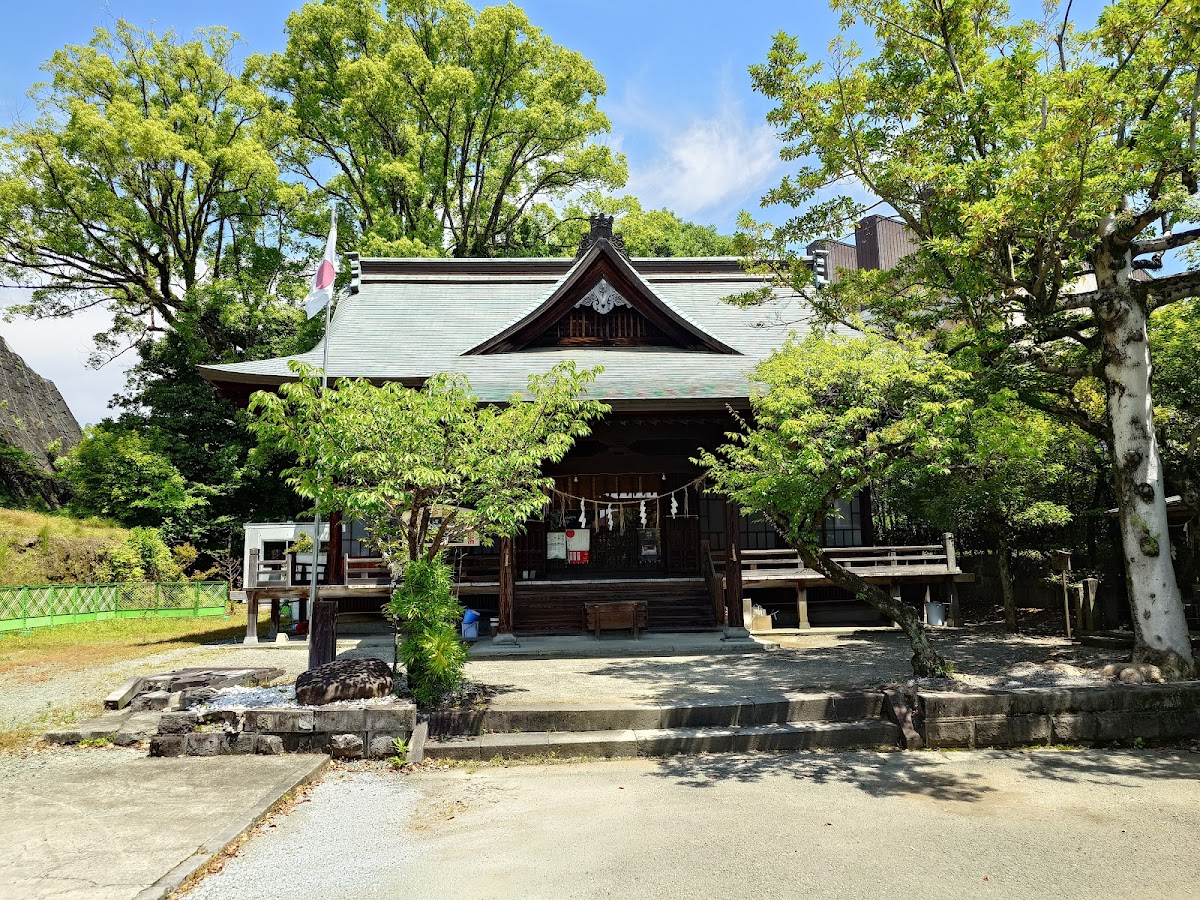
Complete Guide to Kumamoto Grand Shrine (Kumamoto Prefecture) | History, Goshuin (Shrine Seals), Access, and Highlights
Kumamoto Grand Shrine is a Shinto shrine located in Honmaru, Chuo-ku, Kumamoto City, Kumamoto Prefecture, and is affectionately known as “Kumamoto’s Ise Shrine” by locals. Situated in a special location east of Kumamoto Castle, it is a historical shrine that has played a role in spreading the divine virtues of Ise Grand Shrine throughout Kyushu.
This article comprehensively introduces all the information you need to know before visiting Kumamoto Grand Shrine, including its history, enshrined deities, highlights, goshuin information, access methods, and even its recovery from the Kumamoto earthquake.
Basic Information about Kumamoto Daijingu Shrine
Shrine Name: Kumamoto Daijingu Shrine
Location: 2-1 Honmaru, Chuo-ku, Kumamoto City, Kumamoto Prefecture
Main Deities: Amaterasu Omikami, Toyouke Omikami
Enshrined Deities: Amenominakanushi-no-kami, Mimusubi-no-kami, Yamato-hime-no-mikoto, Kami-mimusubi-no-kami
Founded: 1876 (Meiji 9)
Shrine Rank: Former Kumamoto Headquarters of the Jingu-kyoin (Ise Grand Shrine Institute)
Kumamoto Daijingu Shrine was founded to enshrine the sacred seal of Ise Grand Shrine and has played an important role in distributing Ise Grand Shrine’s amulets (tamai) and calendars. Its location right next to Kumamoto Castle has given it deep ties to the history of Kumamoto, a castle town.
History of Kumamoto Grand Shrine
Founding in the Meiji Era and the Satsuma Rebellion
The history of Kumamoto Grand Shrine begins in 1876 (Meiji 9). Following the Meiji government’s policy of spreading the teachings of Ise Grand Shrine throughout Kyushu, it was founded within Kumamoto Castle, enshrining the sacred seal of Ise Grand Shrine. Initially, it was called the “Jingukyoin Kumamoto Headquarters.”
However, just one year after its founding, in February 1877 (Meiji 10), the Satsuma Rebellion broke out. When Kumamoto Castle burned down, Kumamoto Grand Shrine was also destroyed, suffering the ordeal of losing its shrine buildings.
Reconstruction in Tetori Town and Educational Projects
After the end of the Satsuma Rebellion in 1878 (Meiji 11), reconstruction began with the support of volunteers, securing a site in Tetori Town (the area east of the current Kumamoto Nichinichi Shimbun building). The shrine constructed a Shinto-style main hall, a large lecture hall, and student dormitories. Along with distributing Ise Grand Shrine amulets and calendars, it also operated a school called “Yushinko” to provide education for young people.
During this period, Kumamoto Grand Shrine served not merely as a religious facility but also as an educational institution. It can be said to have been one of the cultural and educational centers of Kumamoto during the Meiji era.
Relocation to Current Location
In the Showa era, the shrine was relocated to its current location, Honmaru 2-banchi, east of Kumamoto Castle. This location is special, situated where the stone walls of Kumamoto Castle’s Honmaru (main enclosure) rise majestically, creating a landscape that is integrated with Kumamoto Castle. The main hall is built in the Shinmei-zukuri style, the same architectural style as Ise Grand Shrine, making it worthy of the name “Kumamoto’s Ise Shrine.”
To the south lies Kumamoto Castle Inari Shrine, and many people visit both shrines together.
Damage and Reconstruction from the 2016 Kumamoto Earthquake
The Kumamoto earthquake, which occurred in April 2016, caused significant damage to Kumamoto Grand Shrine. The stone walls of the Kumamoto Castle main keep, particularly those of the East Eighteen-Bay Turret (a nationally designated Important Cultural Property), collapsed to the left of the main shrine building. The turret, which stood on top of the approximately 20-meter-high stone wall, also toppled.
The roof and buildings of the North Eighteen-Bay Turret also suffered damage. While Kumamoto Castle as a whole suffered extensive damage, Kumamoto Grand Shrine also bore the deep scars of the earthquake. Even today, the collapsed stone walls can be seen from beside the main shrine, serving as a reminder of the disaster.
However, the shrine buildings themselves suffered relatively minor damage, allowing for the reopening of worship services immediately after the earthquake. This “miracle” has given hope to many visitors, and the shrine has become a place visited by people praying for reconstruction. Panels detailing the damage have also been installed, serving as a learning space to raise disaster prevention awareness.
Deities and Benefits
Main Deity
Amaterasu Omikami
The supreme deity in Japanese mythology, a goddess who personifies the sun. Considered the ancestral deity of the Imperial family, she is also the enshrined deity of the Inner Shrine of Ise Grand Shrine. She is believed to bring blessings of national peace and security, good fortune, and protection from evil.
Toyouke Omikami
A goddess who presides over food and grains, she is the enshrined deity of the Outer Shrine of Ise Grand Shrine. She is believed to bring blessings of abundant harvests, industrial development, and protection of clothing, food, and shelter.
Enshrined Deities
In addition to Amaterasu Omikami and Toyouke Omikami, Kumamoto Grand Shrine also enshrines Amenominakanushi-no-kami, Mimusubi-no-kami, Yamato-hime-no-mikoto, and Kami-mimusubi-no-kami. These deities are important gods in Japanese mythology, associated with creation and the formation of the land, and are believed to bestow various blessings.
Expected Blessings
- National Peace and Security, Regional Prosperity
- Good Fortune, Protection from Evil
- Abundant Harvest, Business Prosperity
- Family Safety, Harmony
- Academic Success (due to its history as an affiliated educational institution)
- Protection from Disasters (due to its success in overcoming the Kumamoto Earthquake)
Highlights of Kumamoto Grand Shrine
Shinmei-zukuri Main Hall
The main hall of Kumamoto Grand Shrine is built in the Shinmei-zukuri architectural style. Shinmei-zukuri is one of the oldest shrine architectural styles in Japan, exemplified by Ise Grand Shrine, and is characterized by its gable roof, flat entrance, and simple, linear beauty.
Befitting its name as “Kumamoto’s Ise Shrine,” the main hall evokes the solemnity and purity of Ise Grand Shrine. One of its charms is the quiet and peaceful atmosphere you can enjoy while visiting the shrine, despite its location in the heart of the city.
Stone Walls of Kumamoto Castle’s Main Enclosure
To the left of the main shrine, the stone walls of Kumamoto Castle’s main enclosure rise majestically. Being able to view the stone walls from an angle usually only seen from inside the castle is a privilege unique to Kumamoto Grand Shrine.
You can also see the remains of the collapsed stone walls of the East Eighteen-Bay Turret during the Kumamoto Earthquake. It is said that a single-story turret once stood atop these approximately 20-meter-high stone walls, allowing you to imagine its grandeur. The collapsed stone walls are a valuable historical relic that conveys the memory of the earthquake, and many people visit to offer prayers for reconstruction.
The Grand Torii Gate and the Atmosphere of the Shrine Grounds
A large torii gate stands at the entrance to Kumamoto Grand Shrine. This gate serves as a landmark, making it easy for first-time visitors to find their way.
Despite its location in the heart of the city, the shrine grounds offer a tranquil space surrounded by trees. While many visitors combine their visit with sightseeing at Kumamoto Castle, it also serves as a place of daily worship for local residents, and you can see many locals visiting in the mornings and evenings.
Disaster-Related Exhibition Panels
Panels detailing the damage caused by the Kumamoto Earthquake are installed on the shrine grounds. The exhibits, featuring photographs and explanations, showcase the scene at the time of the earthquake, the collapse of the stone walls, and the recovery efforts, making them valuable from a disaster prevention education perspective.
Since you can also see the ongoing restoration work at Kumamoto Castle up close, it’s a valuable place to experience the “site of recovery.”
Goshuin (Shrine Seal) Information
About the Issuance of Goshuin
Goshuin are available at Kumamoto Grand Shrine. Goshuin are popular among many visitors as proof of worship and as a memento of their trip.
Granting Hours: Usually 9:00 AM to 5:00 PM (during shrine office hours)
Offering Fee: Approximately 300-500 yen (subject to change, please confirm at the time of visit)
While goshuin (shrine stamps) are usually handwritten, they may be pre-written during absences or busy periods. You can bring your goshuincho (stamp book) or receive one on-site.
Goshuin Design
The goshuin at Kumamoto Grand Shrine features the shrine’s name written in ink and stamped with a red seal. It is characterized by a simple yet powerful brushstroke, a dignified design befitting a shrine affiliated with Ise Grand Shrine.
Seasonal and special-day limited edition goshuin are sometimes offered, so it’s a good idea to check official information and visitor reviews before your visit.
Access and Transportation Information
Access by Train and Bus
Using the Kumamoto City Tram (Streetcar)
- Get off at the “Kumamoto Castle/City Hall” tram stop, approximately 10 minutes on foot
- Get off at the “Hanabatacho” tram stop, approximately 12 minutes on foot
The Kumamoto City Tram is a major mode of transportation within Kumamoto City and is easily accessible for tourists. The most common route is to walk from the tram stop towards Kumamoto Castle and then head towards the east side of the castle.
Using the Bus
- Within walking distance from bus stops around Kumamoto Castle
- The nearest bus stops are “City Hall” and “Kumamoto Castle.”
Access by Car
From the Kyushu Expressway
- Approximately 30 minutes from Kumamoto IC
- Approximately 40 minutes from Mashiki Kumamoto Airport IC
Since there are many one-way streets in central Kumamoto City, it is recommended to use a car navigation system or a smartphone map app.
Parking Information
While there is no large-scale parking lot specifically for Kumamoto Grand Shrine, there are several options in the surrounding area.
- Paid parking lots around Kumamoto Castle (e.g., Ninomaru Parking Lot)
- Nearby coin-operated parking lots
If you are visiting in conjunction with sightseeing at Kumamoto Castle, using parking lots around the castle is convenient. Since it can get crowded on weekends, holidays, and during peak tourist seasons, you may want to consider using public transportation.
Access on Foot
It is within walking distance of Kumamoto Castle and the city center.
- Approximately 30 minutes on foot from JR Kumamoto Station (using the tram is recommended)
- Approximately 5-10 minutes on foot from Kumamoto Castle Keep
- Approximately 15 minutes on foot from the downtown area (Shimotori and Kamitori)
As part of your Kumamoto Castle sightseeing, a recommended route is to stroll along the east side of the castle.
Manners and Time Required for Visiting a Shrine
Etiquette for Visiting a Shrine
- Bow Before Passing Through the Torii Gate
As a sign of respect before entering the sacred area, bow before the torii gate.
- Purify Yourself at the Water Basin
If there is a water basin, purify your hands and mouth. It is customary to purify your left hand, then your right hand, and then your mouth.
- Worship at the Main Shrine
Worship using the two bows, two claps, and one bow ritual. Place your offering, bow deeply twice, clap your hands twice, offer your prayer, and finally bow deeply once more.
- Behavior on the Shrine Grounds
Worship quietly and be considerate of other worshippers. Photography is often permitted, but be mindful of areas where photography is prohibited, such as inside the main shrine.
Estimated Time Required for Visiting the Shrine
- Visiting the shrine only: Approximately 15-20 minutes
- Including receiving a Goshuin (shrine stamp): Approximately 30 minutes
- Including viewing the Kumamoto Castle stone walls and exploring the surrounding area: Approximately 45 minutes to 1 hour
If visiting in conjunction with Kumamoto Castle sightseeing, allocating about half a day will allow you to enjoy the visit at a leisurely pace.
Nearby Attractions
Kumamoto Castle
One of Japan’s three most famous castles, located just west of Kumamoto Grand Shrine. A magnificent castle built by Kato Kiyomasa, it is famous for its beautifully curved stone walls known as “Musha-gaeshi” (warrior-repelling). Although it suffered significant damage in the Kumamoto earthquake, restoration work is underway, and it is possible to tour the interior of the castle tower.
Kumamoto Castle Inari Shrine
A shrine located south of Kumamoto Grand Shrine. It is worshipped as a god of business prosperity and abundant harvests. It is believed that visiting both shrines together will bring even greater blessings.
Kato Shrine
Located within Kumamoto Castle, this shrine is dedicated to Kato Kiyomasa. It’s a popular photo spot offering a close-up view of Kumamoto Castle’s keep.
Sakura no Baba Jōsaien
A tourist facility located at the foot of Kumamoto Castle. It features “Wakuwakuza,” a historical and cultural experience facility where you can experience Kumamoto’s history and culture, and “Sakura no Koji,” a street showcasing Kumamoto’s food and local specialties, making it a convenient base for sightseeing.
Kumamoto City Center (Kamitori/Shimotori)
This is Kumamoto City’s downtown area, where you can enjoy shopping and dining. There are numerous restaurants where you can savor Kumamoto’s unique food culture, such as Kumamoto ramen and basashi (horse sashimi).
Annual Events and Festivals
Kumamoto Grand Shrine holds various festivals throughout the year.
- New Year’s Day Festival (January 1st): A festival celebrating the New Year
- Setsubun Festival (around February 3rd): A prayer for protection from evil and for good fortune
- Grand Festival (Autumn): The most important festival of the year
- Great Purification Ceremony (June and December): A Shinto ritual to cleanse away the sins and impurities accumulated over the past six months
Visiting the shrine during these festivals will allow you to experience the atmosphere of the shrine even more deeply. It is recommended to check the detailed dates in advance.
Visitor Reviews and Reputation
A Place to Experience History and the Memory of the Earthquake
Many visitors comment, “It’s a valuable place where you can see the stone walls of Kumamoto Castle up close. Witnessing the damage from the earthquake renewed my resolve for reconstruction.” It is valued not merely as a tourist spot, but as a place to experience Kumamoto’s history and present.
Quiet and Peaceful Atmosphere
Praised for its tranquil atmosphere, with comments such as, “Despite being in the heart of the city, the grounds are quiet and peaceful,” and “Compared to the crowded Kumamoto Castle, you can worship at your own pace.” Recommended for those who want to escape the hustle and bustle and offer prayers in peace.
Easily Visited in Conjunction with Kumamoto Castle Sightseeing
Many praise its convenient location, with comments like, “It’s convenient to visit right after seeing Kumamoto Castle,” and “You can visit three shrines in total, including Kumamoto Castle Inari Shrine.” Suitable for those who want to efficiently enjoy Kumamoto sightseeing.
The Appeal of the Goshuin (Shrine Seal)
Highly rated by goshuin enthusiasts, with comments such as, “The carefully written goshuin are wonderful,” and “A dignified goshuin befitting a shrine of the Ise Grand Shrine lineage.”
Points to Note When Visiting Kumamoto Grand Shrine
Check the Construction Status of Kumamoto Castle
Kumamoto Castle is currently undergoing restoration work. Depending on the construction status, some routes may be inaccessible, and the scenery may have changed. Please check the latest information on the Kumamoto Castle official website beforehand.
Weather and Clothing
While the shrine grounds are paved, the area around Kumamoto Castle has many slopes and stairs, so comfortable walking shoes are recommended. Summers can be sunny and winters can be windy, so dress appropriately for the season.
Shrine Office Hours
If you wish to receive a Goshuin (shrine stamp) or other items, please check the shrine office’s opening hours before visiting. Generally, it’s around 9:00 AM to 5:00 PM, but this can change.
Photography Etiquette
Photography is generally permitted on the shrine grounds, but please be considerate of the privacy of those inside the main hall and other visitors. When photographing earthquake-related structures such as collapsed stone walls, it is important to do so with respect.
Summary: The Charm of Kumamoto Grand Shrine
Kumamoto Grand Shrine is a historic shrine that has attracted local devotion since the Meiji era, known as “Kumamoto’s Ise Shrine.” This shrine plays a vital role in spreading the divine virtues of Ise Grand Shrine throughout Kyushu and embodies a strong spiritual spirit, having overcome difficulties such as the Satsuma Rebellion and the Kumamoto Earthquake.
Located in a unique position just east of Kumamoto Castle, the shrine offers a close-up view of the collapsed stone walls, allowing visitors to share in the memories of the disaster and prayers for reconstruction. Despite being in the heart of the city, it boasts a quiet and peaceful atmosphere, and visitors can receive a carefully prepared goshuin (shrine stamp), making it popular with both locals and tourists.
When visiting Kumamoto, be sure to visit Kumamoto Grand Shrine in conjunction with your Kumamoto Castle tour. You’ll have a special experience where the weight of history and the hope for modern reconstruction intersect.
Experience the divine virtues of Amaterasu Omikami and Toyouke Omikami, and reflect on Kumamoto’s past, present, and future—a time that will surely become a cherished memory.

