Kawashiri Shrine (Kumamoto Prefecture) Complete Guide | The History and Highlights of Kawashiri’s Main Shrine, Affectionately Known as “Wakamiya-san”
Kawashiri Shrine, located in Yahata, Minami-ku, Kumamoto City, is a venerable shrine with a history of over 800 years. Affectionately known locally as “Wakamiya-san,” it remains a popular destination for worshippers as the main shrine of Kawashiri, a town that once flourished as a post town and port. This article provides a detailed overview of Kawashiri Shrine, including its history, enshrined deities, highlights within the grounds, traditional events, information on Goshuin (shrine stamps), and access methods.
History and Origins of Kawashiri Shrine
Founding Circumstances and Kawashiri Saburo Minamoto no Sanemitsu
The founding of Kawashiri Shrine dates back to Kenkyu 8 (1197). This shrine was founded by Kawashiri Saburo Minamoto no Saneaki, the local administrator of Kawashiri Manor. Minamoto no Saneaki was a descendant of Minamoto no Takaaki, the second son of Emperor Daigo and Minister of the Left, and ruled this area during the Kamakura period.
It is believed that Kawashiri Shrine originated when Minamoto no Saneaki invited a divided spirit of Tsurugaoka Hachimangu Shrine in Kamakura, which he had always revered, to Koiwase in Kawashiri Manor (present-day Koiwase, Tomiai-cho, Minami-ku, Kumamoto City). Tsurugaoka Hachimangu Shrine is a renowned shrine known as the tutelary shrine of the Minamoto clan, and Saneaki, a descendant of the Minamoto clan, welcoming its divided spirit demonstrated the Minamoto clan’s influence in this area.
Relocation to the Current Location
Originally located in Koiwase, Tomiai-cho, Kawashiri Shrine was relocated in 1587 (Tensho 15) to its current location in Yahata 5-chome, Minami-ku, Kumamoto City. This period coincides with the immediate aftermath of Toyotomi Hideyoshi’s conquest of Kyushu, and the time when Kato Kiyomasa entered Kumamoto as the lord of the northern half of Higo Province.
Kawajiri is located at the mouth of the Midorikawa River and flourished during the Edo period as a post town on the Satsuma Highway and a port town for water transport on the Midorikawa River. Kawajiri Shrine, as the main shrine of Kawajiri, has been a spiritual pillar of the region, attracting the faith of merchants, sailors, and travelers.
Deities and Benefits
Main Deity
The main deity of Kawajiri Shrine is Hachiman Daishin, who was invited from Tsurugaoka Hachimangu Shrine. Hachiman-Okami is a collective name for the following three deities:
- Emperor Ojin: The 15th Emperor, revered as a god of war and victory.
- Hime-no-Okami: One of the three Munakata goddesses, revered as a god of maritime safety and traffic safety.
- Empress Jingu: Mother of Emperor Ojin, revered as a god of safe childbirth and child-rearing.
Benefits
Kawajiri Shrine is believed to offer the following benefits:
- Long-lasting military fortune and success in competitions: Hachiman-Okami is known as a god of war, and is prayed to for success in competitions and passing exams.
- Family safety and business prosperity: As the main shrine of Kawajiri, it protects the prosperity of the region.
- Maritime safety and traffic safety: As the guardian deity of the port town, it protects sailors and travelers.
- Safe Childbirth and Child-Rearing: As the shrine enshrines Empress Jingu, it is also a place for prayers for safe childbirth and child-rearing.
Highlights of the Shrine Grounds
Shrine Buildings and Architectural Style
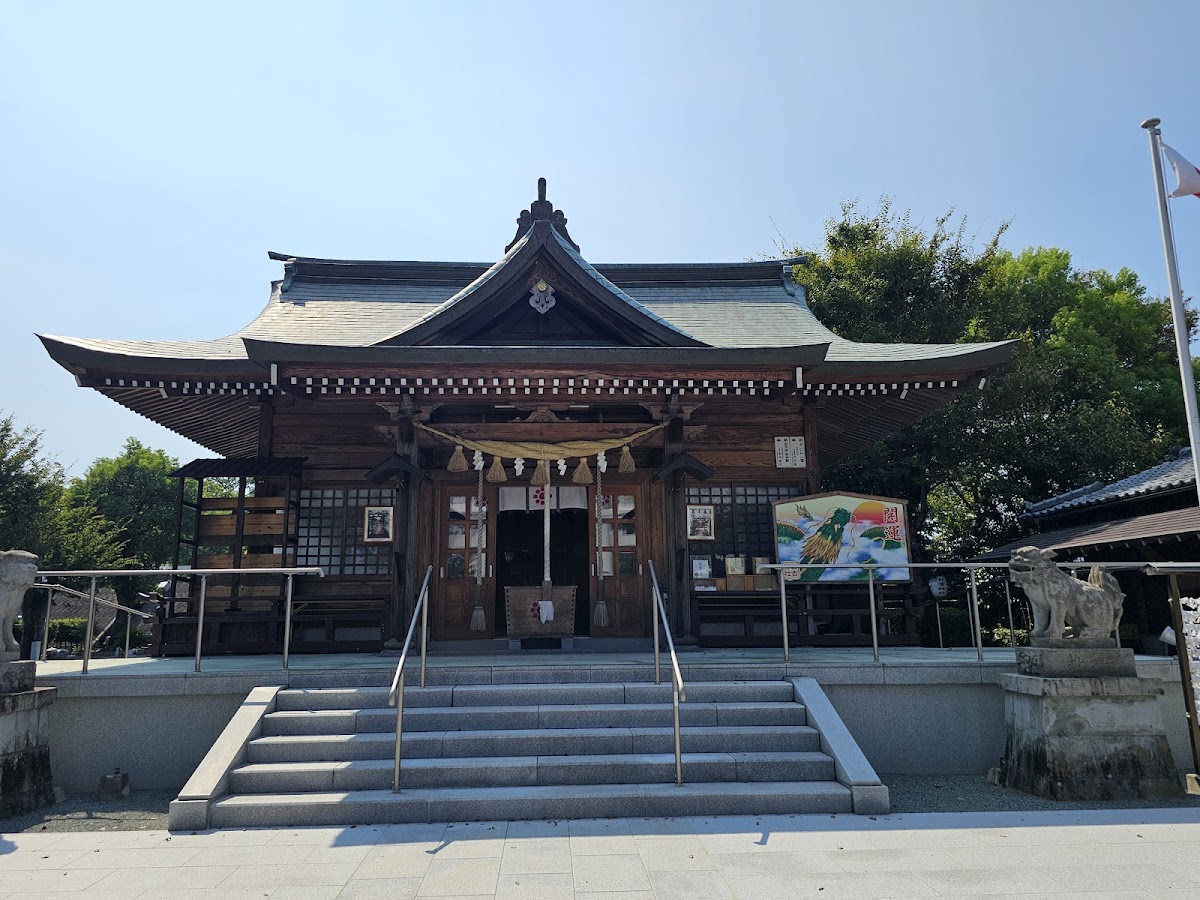
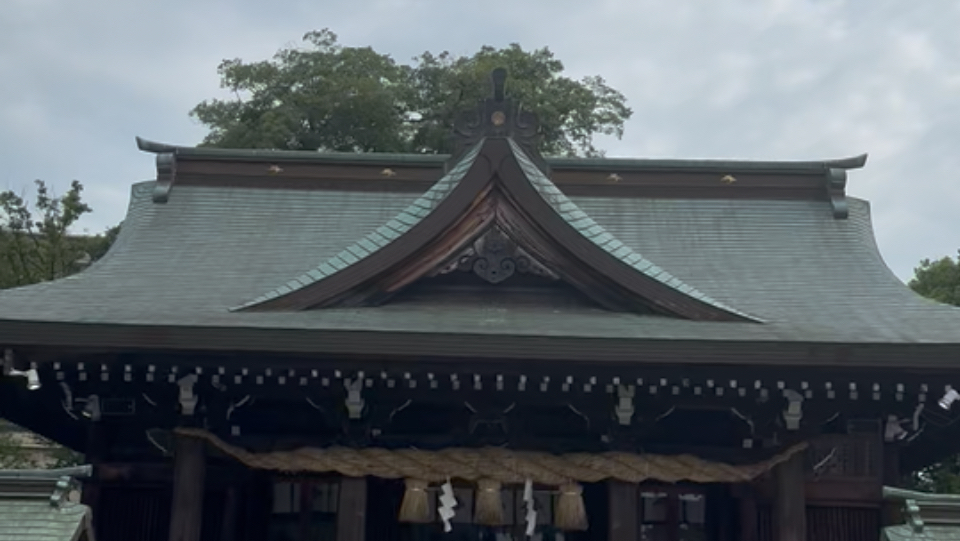
The shrine buildings of Kawajiri Shrine preserve the traditional style of Kumamoto shrine architecture. The main hall incorporates the Hachiman style, creating a solemn atmosphere. The worship hall maintains a refreshing space where worshippers offer their prayers.
Sacred Tree
A magnificent sacred tree, estimated to be several hundred years old, stands tall on the shrine grounds. This sacred tree has watched over the long history of Kawajiri Shrine and brings a sacred atmosphere to the grounds. Many worshippers are said to touch this sacred tree and receive its power.
Subsidiary Shrines
Several subsidiary shrines are enshrined on the grounds of Kawajiri Shrine. These subsidiary shrines are closely connected to local beliefs and are said to offer different blessings. When visiting the shrine, paying your respects not only to the main hall but also to these smaller shrines within the grounds will allow for a deeper pilgrimage experience.
Approach and Stone Steps
The approach to Kawajiri Shrine is a charming path that continues from the townscape of Kawajiri. Climbing the stone steps and entering the shrine grounds, you’ll find yourself in a tranquil space far removed from the hustle and bustle of everyday life. The atmosphere of the approach evokes the history of Kawajiri, which once flourished as a post town.
Traditional Event “Sagari-uma”
Overview of the Autumn Festival
The most famous event at Kawajiri Shrine is the Autumn Festival, held annually on October 17th. This festival is a traditional event that has continued since the Edo period and attracts many spectators as a symbol of autumn in Kawajiri.
What is Sagari-uma?
The highlight of the Autumn Festival is the magnificent Shinto ritual called “Sagari-uma.” This event has been passed down through generations as a way for parishioners to express their gratitude to the gods by showcasing their skillful horsemanship and courage.
During the “Sagariuma” (downhill horse) procession, trumpets are blown along the approach to the shrine, and young men called “seko” (handlers) grab the manes and saddles of the horses and run alongside them as they gallop downhill. The sight of them controlling the speeding horses is breathtaking and awe-inspiring.
Yabusame and Decorated Horses
In addition to the Sagariuma, the Autumn Festival also includes Yabusame (mounted archery) and the dedication of decorated horses. The parishioners are divided into 14 groups, each taking turns serving as the annual event organizer, showcasing elaborately decorated horses and performances. These events symbolize the unity of the people of Kawajiri and their dedication to preserving tradition.
Goshuin (Shrine Seal) Information
Issuance of Goshuin
Goshuin are available at Kawajiri Shrine. Goshuin (temple/shrine stamps) are popular among many visitors as proof of their visit and as a tangible memento of their connection with the shrine.
Issuance Hours and Location
Goshuin are usually issued from 8:30 AM to 5:00 PM. They can be obtained at the shrine office, but since priests may not always be present, it is recommended to call ahead to confirm if you wish to receive a goshuin.
Contact Information: 096-357-9166
Characteristics of the Goshuin
The goshuin of Kawajiri Shrine features the calligraphy of “Kawajiri Shrine” and the shrine’s seal. It is characterized by a simple yet powerful calligraphy style, reflecting the dignity of a shrine with over 800 years of history. The offering fee is generally around 300 yen.
Access and Visiting Information
Location
Address: 5-1-50 Yahata, Minami-ku, Kumamoto City, Kumamoto Prefecture 861-4115
Access by Train
The nearest station is Kawashiri Station on the JR Kagoshima Main Line. Kawashiri Shrine is approximately an 8-minute walk from the station exit. The walk from the station to the shrine allows you to enjoy the townscape of Kawashiri, which retains the atmosphere of a former post town.
Access by Car
From central Kumamoto City: Approximately 20 minutes south on National Route 3
From the Kyushu Expressway: Approximately 30 minutes from Kumamoto IC or Mifune IC
Parking
Kawashiri Shrine has a free parking lot. While there is usually ample parking space, congestion is expected during major events such as the Autumn Festival, so please consider using public transportation.
Visiting Hours
While entry to the shrine grounds is generally unrestricted, the shrine office is open from 8:30 AM to 5:00 PM. The shrine is open year-round.
Nearby Tourist Attractions
Kawajiri Townscape
The Kawajiri district, where Kawajiri Shrine is located, is a historic town that flourished as a post town on the Satsuma Highway during the Edo period. Even today, old townhouses and storehouses remain, allowing visitors to experience the atmosphere of yesteryear. Enjoying a stroll through the town before or after visiting the shrine is highly recommended.
Midorikawa River Estuary
Near Kawajiri Shrine is the mouth of the Midorikawa River, where remnants of a once-thriving port can be seen. From the riverside promenade, you can enjoy the rich natural scenery of Kumamoto.
Kawajiri Rice Merchants’ Hall
The Kawajiri Rice Merchants’ Hall is a facility where you can learn about the history of Kawajiri. Understanding the history of Kawajiri, which once prospered as a center for rice distribution, will deepen your understanding of the role that Kawajiri Shrine has played.
The Charm of Kawajiri Shrine and Reasons to Visit
The Weight of History
Since its founding in 1197 (Kenkyu 8), Kawajiri Shrine has watched over the land of Kawajiri for over 800 years. From the Kamakura period to the present day, it has continued to attract unwavering devotion despite the changing times. This long history can be felt in the solemn atmosphere that permeates the shrine grounds.
A Faith Rooted in the Community
Kawajiri Shrine, affectionately known as “Wakamiya-san,” is not merely a tourist destination, but a place deeply rooted in the lives of the local people. Traditional events, such as the Sagariuma (downward-sloping horse) at the Autumn Festival, are the very pride of Kawajiri, passed down through generations of parishioners.
The Center of Kawajiri’s History and Culture
As the main shrine of Kawajiri, which flourished as a post town and port town, Kawajiri Shrine was a central figure in the region’s history and culture. By visiting the shrine, you can experience a little-known aspect of Kumamoto’s history.
A Serene Place of Worship
Despite being close to downtown Kumamoto, the shrine grounds are enveloped in a quiet and peaceful atmosphere. It’s a precious space where you can escape the hustle and bustle of everyday life and offer your prayers in tranquility.
Manners and Points for Worship
Basic Worship Etiquette
- Bow before passing through the torii gate: This is a courtesy before entering the sacred area.
- Purify yourself at the water basin: Purify your left hand, then your right hand, then your mouth.
- Walk along the edge of the path: The center is considered the path of the gods.
- Two bows, two claps, one bow: This is the basic etiquette at the main hall.
Photography
Photography is generally permitted on the shrine grounds, but please remember that it is a sacred place and be considerate of other worshippers. There are areas where photography is prohibited, such as inside the main hall, so please follow the signs.
Attire
There are no specific dress code requirements, but please dress in clean and respectful attire appropriate for a sacred place like a shrine.
The Seasons of Kawajiri Shrine
Spring
Spring, when the cherry blossoms in the shrine grounds bloom, is the season when Kawajiri Shrine displays its most magnificent appearance. Visiting the shrine amidst the fluttering cherry blossoms is a particularly special experience.
Summer
In the lush green summer, the shrine grounds offer a pleasant space with cool shade. It’s also nice to quietly visit the shrine amidst the sound of cicadas.
Autumn
The Autumn Festival on October 17th is the busiest time of year at Kawajiri Shrine. Many visitors from within and outside the prefecture come to see the magnificent sight of the descending horses.
Winter
Winter, with fewer visitors, offers a more tranquil atmosphere for worship. The shrine becomes lively with New Year’s visitors.
Summary
Kawajiri Shrine, located in Minami Ward, Kumamoto City, is a shrine with a history of over 800 years, founded in 1197 (Kenkyu 8) by Kawajiri Saburo Minamoto no Sanemitsu, who invited a divided spirit from Tsurugaoka Hachimangu Shrine in Kamakura. Affectionately known as “Wakamiya-san” by the local people, it continues to attract fervent devotion as the main shrine of Kawajiri, which once flourished as a post town and port town.
The “Sagari-uma” (downward-sloping horse) event, held annually on October 17th as part of the Autumn Festival, is a magnificent traditional event passed down by the parishioners and is a quintessential autumn spectacle in Kumamoto. Magnificent sacred trees stand tall within the shrine grounds, and the historically significant shrine buildings welcome visitors.
It is easily accessible, approximately an 8-minute walk from JR Kawajiri Station, and free parking is available. Goshuin (shrine stamps) are also available at the shrine office from 8:30 AM to 5:00 PM.
When you visit Kumamoto, be sure to visit not only the major tourist spots, but also Kawajiri Shrine, where the region’s history and culture thrive. Experiencing the story of Kawajiri, woven over 800 years of history, and finding peace of mind in its tranquil grounds will be a precious and memorable experience of your trip.