
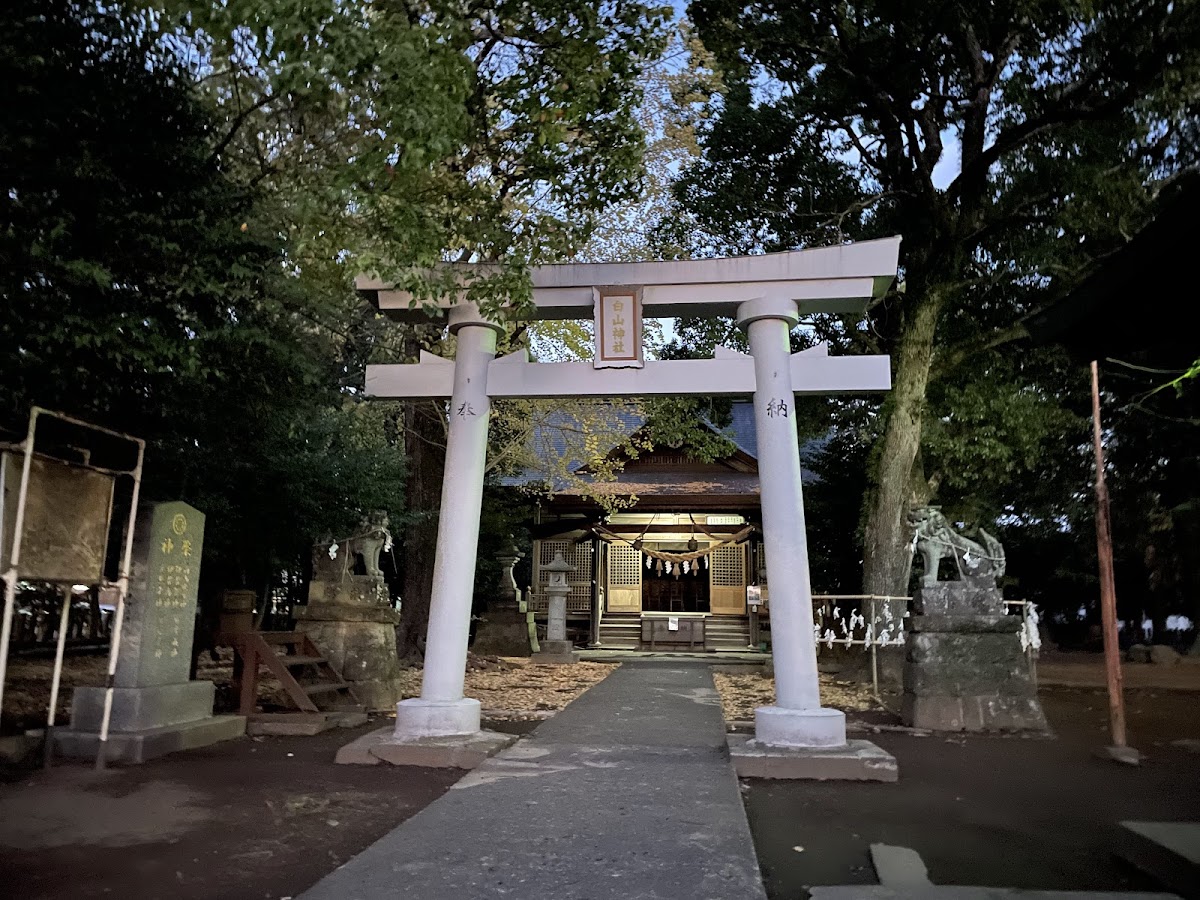
Hakusan Shrine (Kumamoto City, Kumamoto Prefecture) Complete Guide | From Goshuin (Shrine Seals) and Access to History and Visiting Information
Hakusan Shrine, located in Kokufu, Chuo Ward, Kumamoto City, is a quiet shrine beloved by the local community. Known for its blessings of traffic safety, it boasts a convenient location within walking distance of the Kokufu tram stop, yet offers a rare space for worship in a tranquil atmosphere.
This article provides detailed information from a local perspective, including the enshrined deities and history of Hakusan Shrine, information on goshuin (shrine seals) and other offerings, detailed access information, and nearby attractions—all useful for your visit.
Basic Information about Hakusan Shrine
Location and Contact Information
Address: 4-10-98 Kokufu, Chuo-ku, Kumamoto City, Kumamoto Prefecture 862-0949
Corporate Number: 2330005000646
Shrine Office: None (Services available at the priest’s residence)
Parking: Available (within the shrine grounds)
Hakusan Shrine is located in the Kokufu district of Chuo-ku, Kumamoto City. Despite being in a residential area, it maintains a lush, green precinct. While there is no permanent shrine office, you can receive Goshuin (shrine stamps) and other items at the priest’s residence on the shrine grounds.
Deity and Divine Virtues
The deity enshrined at Hakusan Shrine is Kukurihime-no-Mikoto. Kikurihime-no-Mikoto is a central deity of the Hakusan faith, with Hakusan Hime Shrine in Ishikawa Prefecture as its head shrine. In the myths of the Nihon Shoki (Chronicles of Japan), she is known as the goddess who mediated between Izanagi-no-Mikoto and Izanami-no-Mikoto.
Main Divine Virtues:
- Matchmaking and marital harmony
- Family safety
- Traffic safety
- Protection from evil and disaster
- God of reconciliation and mediation
Especially due to her name “Kukuru” (meaning “to tie” or “to bind”), she is worshipped as a goddess who connects people and brings things together. At Hakusan Shrine in Kumamoto City, she is particularly popular among locals for her blessings of traffic safety, and items such as traffic safety stickers are well-received.
History and Origins of Hakusan Shrine
Hakusan Faith and Kumamoto
Hakusan faith is a mountain worship that reveres Mount Hakusan, a sacred mountain straddling Ishikawa and Gifu Prefectures, as its divine object of worship. Since its founding by Taichō Daishi during the Nara period, the Hakusan Shrine has spread throughout Japan, and several Hakusan Shrines have been established within Kumamoto Prefecture.
Major Hakusan-related Shrines in Kumamoto Prefecture:
- Hakusan Shrine (Kokufu, Chuo-ku, Kumamoto City) – The shrine featured in this article
- Hakusan Hime Shrine (Izumi-cho, Kita-ku, Kumamoto City)
- Seianji Hakusan-gu (Gyokuto-machi, Tamana-gun)
- Hakusan Hime Shrine (Nishihara-mura, Aso-gun) – Founded in 1450 (Hōtoku 2) by Aso Koremura-kō
Historical Background of the Kokufu Area
The Kokufu area, where the Hakusan Shrine is located, is a historical region where it is believed that the provincial capital of Higo Province may have been located in ancient times, as its name suggests. Located southeast of the center of Kumamoto City and close to the Suizenji area, it has long been a place of frequent human traffic.
Hakusan Shrine has long been revered by the residents of the Kofu district as the guardian shrine of the area. Through the reforms of the shrine system during the Meiji era, it has been carefully preserved as a spiritual cornerstone of the local community to this day.
Information on Goshuin (Shrine Seals) and Souvenirs
About Goshuin
You can receive a Goshuin at Hakusan Shrine. While there is no permanent shrine office, you can receive one at the priest’s residence on the shrine grounds.
Goshuin Reception:
- Location: Priest’s residence on the shrine grounds
- Hours: It is recommended to check in advance as the priest may be absent.
- Offering Fee: Similar to other shrines (approximately 300-500 yen)
- Pre-printed Goshuin: Availability depends on the situation
When visiting, it is customary to first pay respects at the main shrine before receiving a Goshuin. Since the priest may be absent, it is recommended to adjust your visit timing in advance if you are certain you will receive a Goshuin.
Souvenirs
The traffic safety sticker is particularly popular at Hakusan Shrine. These stickers, which can be affixed to cars and motorcycles to pray for traffic safety, have been popular with local residents for many years.
Main Items Offered:
- Traffic Safety Stickers
- Amulets (Various Types)
- Traffic Safety Amulets
- Family Safety Amulets
- Matchmaking Amulets
Items can also be received at the priest’s residence. The offering fee varies depending on the item; please inquire directly.
Access and Surrounding Information
Access by Public Transportation
Hakusan Shrine is easily accessible by public transportation in Kumamoto City.
Using the Kumamoto City Tram:
- Nearest Tram Stop: Kokufu Tram Stop
- Approximately 5-7 minutes on foot from Kokufu Tram Stop
- Or approximately 10 minutes on foot from Suizenji Park Tram Stop
The Kumamoto City Tram is a streetcar running within Kumamoto City and is a convenient mode of transportation for tourists. Get off at Kokufu Tram Stop and walk a short distance through the residential area to reach Hakusan Shrine.
If using the JR Hohi Line:
- Nearest Station: Shin-Suizenji Station or Minami-Kumamoto Station
- Approximately 15 minutes on foot from Shin-Suizenji Station
- Approximately 20 minutes on foot from Minami-Kumamoto Station
If using JR, access from Shin-Suizenji Station is relatively convenient. From the station, head towards Suizenji and proceed to the Kofu area.
Access by Car
From Kumamoto City Center:
- Use National Route 57 or a prefectural road
- Travel Time: Approximately 15-20 minutes (depending on traffic conditions)
- Navigation System Settings: “4-10-98 Kofu, Chuo-ku, Kumamoto City” or “Hakusan Shrine, Kumamoto City”
Parking:
There is parking space on the shrine grounds. Spaces are limited, so please be aware of congestion. There are coin-operated parking lots nearby, but please avoid street parking as it is a residential area.
Nearby Attractions
The area surrounding Hakusan Shrine is dotted with some of Kumamoto City’s most representative tourist spots.
Suizenji Jojuen Garden:
- Approximately 15 minutes on foot from Hakusan Shrine
- Designated as a National Scenic Spot and Historic Site, a Momoyama-style strolling garden
- Izumi Shrine is also located within the grounds
Kumamoto Castle:
- Approximately 15 minutes by car from Hakusan Shrine
- One of Japan’s three most famous castles
- Restoration work is currently underway
Kato Shrine:
- Located within Kumamoto Castle
- Dedicated to Kato Kiyomasa, the first lord of the Kumamoto Domain
Nearby Shrines and Temples:
There are other shrines to visit around Hakusan Shrine. Those who enjoy visiting shrines are encouraged to do so. Many shrines are scattered throughout Kumamoto City, each with its own unique history and charm.
Manners and Attractions for Visiting Shrines
Etiquette for Visiting Shrines
Here are some basic manners for visiting Hakusan Shrine.
Before Passing Through the Torii Gate:
- Bow before the torii gate.
- Walk along the edge of the path (the center is the path for the gods).
Purification at the Water Basin:
- Hold the ladle in your right hand and purify your left hand.
- Switch the ladle to your left hand and purify your right hand.
- Switch the ladle back to your right hand, receive water in your left hand, and rinse your mouth.
- Purify your left hand again.
- Hold the ladle upright, purify the handle, and return it to its original position.
Worship at the Main Hall:
- Place your offering in the offering box.
- Ring the bell (if present).
- Two bows, two claps, one bow.
- Bow deeply twice.
- Clap twice.
- Bow deeply once.
Highlights of the Shrine Grounds
Hakusan Shrine, despite being located in a residential area, boasts a quiet and peaceful atmosphere.
Main Shrine:
The main shrine, which retains the traditional architectural style of Kumamoto shrines, has a simple yet dignified appearance. The meticulously maintained grounds reflect the deep faith of the local people.
Trees on the Grounds:
The grounds are lush with ancient trees, creating a space surrounded by abundant greenery despite being in an urban area. It’s a place where you can feel the changing seasons.
A Tranquil Place of Worship:
Because it’s not a tourist destination, the quiet atmosphere is a major attraction of Hakusan Shrine. You can offer your prayers in peace amidst the simple atmosphere of a local guardian shrine.
Annual Events and Festivals
Hakusan Shrine holds various Shinto rituals throughout the year. As a local shrine, the parishioners and residents play a central role in preserving tradition.
Main Annual Events
New Year’s Day Festival (January 1st):
The most important festival welcoming the new year. Many worshippers visit for their first shrine visit of the year.
Setsubun Festival (around February 3rd):
A traditional event to ward off evil spirits and invite good fortune.
Annual Grand Festival (Autumn):
The most important annual festival of Hakusan Shrine. Local residents gather to pray for the prosperity of the shrine and the peace of the community.
Monthly Festivals:
Regular monthly festivals are also held.
Festival dates may change from year to year, so it is recommended that those wishing to participate check in advance.
Hakusan Shrine and the Local Community
As the Guardian Shrine of the Community
Hakusan Shrine plays a central role in the local community as the guardian shrine of the Kofu district. Even in the increasingly urbanized city of Kumamoto, such local shrines are cherished as a spiritual anchor for residents.
Connection with the Community:
- Center of local festivals and events
- A place to watch over children’s growth (e.g., Shichi-Go-San)
- A place for community interaction
- Preservation of traditional culture
As a guardian deity of traffic safety
Hakusan Shrine is particularly known for its blessings of traffic safety, and many people visit when purchasing a new car or obtaining a driver’s license. Traffic safety stickers have been popular with local residents for many years and are affixed to many cars.
Other Hakusan-related shrines in Kumamoto City
Besides Hakusan Shrine (Kokufu), there are other shrines in Kumamoto City based on the Hakusan faith.
Hakusan Hime Shrine (Izumi-cho, Kita-ku, Kumamoto City)
Address: 600 Izumi-cho, Kita-ku, Kumamoto City
Hakusan Hime Shrine, located in Kita-ku, Kumamoto City, is also a shrine that was established by inviting a deity from Hakusan Hime Shrine in Ishikawa Prefecture. As part of the same Hakusan faith lineage, it enshrines the same deity as the Hakusan Shrine in Kokufu.
Hakusan Hime Shrine (Nishihara Village, Aso District)
Address: 750 Kawara, Nishihara Village, Aso District, Kumamoto Prefecture
This is a historical shrine founded in 1450 (Hotoku 2) by the invitation of Aso Koremura, the governor of Higo Province. It is said to have originated from the enshrinement of a divided spirit of Kikurihime-no-Mikoto from Hakusan Hime Shrine, the Ichinomiya (first-ranked shrine) of Kaga Province. Among the Hakusan-related shrines in Kumamoto Prefecture, it is a valuable shrine with a clearly recorded history.
Notes and Manners for Visiting
Attire for Visiting
There are no specific dress code requirements for visiting the shrine, but please dress in clean clothing that is respectful to the deity.
- Avoid revealing clothing.
- Shoes are preferable to sandals.
- Remove your hat before passing through the torii gate.
Regarding Photography
Photography is generally permitted on the shrine grounds, but please observe the following points:
- Refrain from taking photos inside the main hall.
- Be considerate of other worshippers.
- Respect the privacy of the priest’s residence.
- Be mindful of location information when posting on social media.
Considerations When Visiting the Priest’s Residence
When receiving a goshuin (shrine stamp) or other items, you will be visiting the priest’s home.
- Visit during reasonable hours (avoid early mornings and late nights).
- Do not insist on assistance if the priest is absent.
- Maintain polite language and demeanor.
- Prepare offerings and donations in advance.
Best Season for Visiting Hakusan Shrine
Charms of Each Season
Spring (March-May):
The fresh greenery is beautiful, and the pleasant weather makes it ideal for visiting. The nearby Suizenji Jojuen Garden is also in full bloom during cherry blossom season. Summer (June-August): The trees on the shrine grounds are lush and green, creating a cool space where you can forget the hustle and bustle of the city. However, summers in Kumamoto are hot, so don’t forget to take precautions against heatstroke.
Autumn (September-November): This is the time when the annual festival is held, and the shrine is at its most lively. The autumn leaves are beautiful, and the weather is ideal for visiting.
Winter (December-February): The shrine is bustling with many visitors during the New Year’s visit period. Visiting in the crisp winter air offers a refreshing and cleansing experience for the soul.
Recommended Visiting Hours
While Hakusan Shrine is open 24 hours a day, visiting during the daytime is recommended if you wish to receive a Goshuin (shrine stamp) or other amulets.
- Morning: You can worship in refreshing air.
- Weekdays: You can worship in peace.
- 2pm-4pm: The head priest is likely to be present (confirmation required).
Kumamoto City’s Shrine Culture and Hakusan Shrine
Visiting Shrines in Kumamoto City
Kumamoto City has many other fascinating shrines besides Hakusan Shrine.
Major Shrines:
- Kato Shrine: Located within Kumamoto Castle, dedicated to Kato Kiyomasa.
- Izumi Shrine: Located within Suizenji Jojuen Garden, dedicated to successive lords of the Hosokawa family.
- Kengun Shrine: Located in Higashi-ku, Kumamoto City, the second-ranked shrine of Higo Province.
- Fujisaki Hachimangu Shrine: Located in Chuo-ku, Kumamoto City, famous for its autumn festival.
Hakusan Shrine is not a tourist shrine, but it has a simple charm rooted in the local community and is a valuable place to experience Kumamoto’s shrine culture firsthand.
Kumamoto’s Belief Culture
Kumamoto Prefecture boasts a rich belief culture, a blend of mountain worship centered around Mount Aso, worship of sea gods, and local guardian deity worship. Local guardian shrines like Hakusan Shrine play a crucial role in forming the foundation of this belief culture.
Summary: Points to Note When Visiting Hakusan Shrine
Hakusan Shrine, located in Kokufu, Chuo-ku, Kumamoto City, is a local guardian shrine known for its blessings of traffic safety and matchmaking. Its greatest appeal lies in its unpretentious atmosphere, untouched by commercialization, allowing for quiet worship.
Points to Note When Visiting:
- Convenient access: 5-7 minute walk from Kokufu tram stop
- Goshuin (shrine stamps) and traffic safety stickers are available at the priest’s residence
- Checking opening hours in advance is recommended
- Can be combined with nearby sightseeing such as Suizenji Jojuen Garden
- A calm atmosphere befitting a local guardian shrine
Hakusan Shrine, as a shrine that is an integral part of the daily lives of Kumamoto citizens, will undoubtedly continue to be cherished by the local community. When you visit Kumamoto, please be sure to stop by this tranquil sacred grove. May your relationships be “bound” in a positive direction by the divine grace of Kukurihime-no-Mikoto.


