Hachimangu Shrine (Higashihama, Aki City, Kochi Prefecture) | Complete Guide to Deities, Goshuin (Shrine Seals), and Access
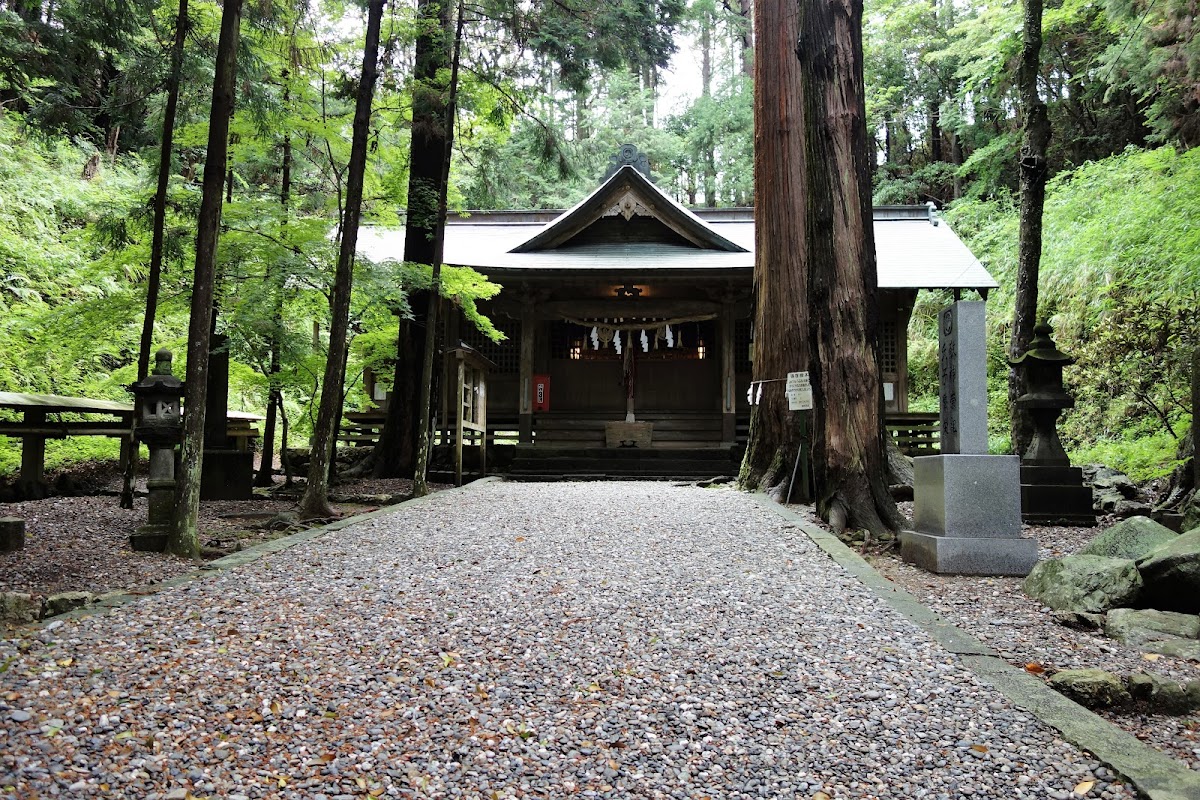
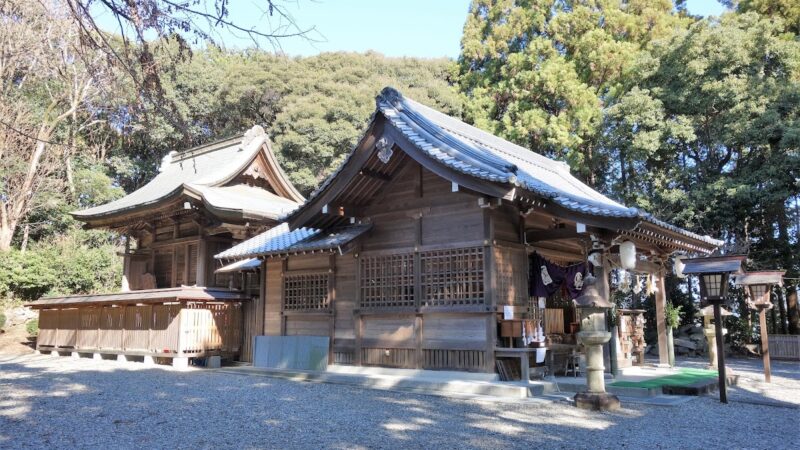
Hachimangu Shrine, located in Higashihama, Aki City, Kochi Prefecture, is a historic shrine that has long been cherished by the local people. Situated along the coast of Aki City facing the Pacific Ocean, it has long been revered as the guardian deity of the region. This article provides comprehensive information useful for those considering a visit, including the deities enshrined at Hachimangu Shrine, its historical background, information on goshuin (shrine seals), annual festivals, and detailed access methods.
Basic Information on Hachimangu Shrine (Higashihama, Aki City)
Location
Official Address: Higashihama, Aki City, Kochi Prefecture
Postal Code: 784-0010
The Higashihama area is located on the coast of Aki City, a naturally rich area facing the Pacific Ocean. Aki City is located in the eastern part of Kochi Prefecture and is known as a “city of ambition and culture,” with historical tourist spots such as the Nora Clock and the birthplace of Yataro Iwasaki. Hachiman Shrine plays a vital role as a spiritual center for the local community in the Higashihama district.
Shrine Rank and History
Hachiman Shrine is one of approximately 44,000 Hachiman shrines throughout Japan. Hachiman, whose principal deity is Emperor Ojin, has been widely worshipped as a god of military fortune and as a guardian deity of agriculture and fishing. The Hachiman Shrine in Higashihama, Aki City, has inherited this traditional Hachiman faith and functioned as a place to pray for the safety and prosperity of the region.
Due to its location near the sea, it has historically attracted the faith of those involved in fishing and those praying for maritime safety. Furthermore, in the Aki region, where agriculture is thriving, it is also positioned as an important shrine for praying for a bountiful harvest.
Deities Enshrined
Based on the tradition of Hachiman faith, the deities enshrined at Hachiman Shrine (Higashihama, Aki City) are believed to be the following gods:
Main Deities
Emperor Ōjin
The 15th Emperor and the central deity of Hachiman. He has been revered since ancient times as the god of military fortune and the protector of the nation.
Hime Ōkami
One of the three Hachiman deities, believed to represent the three Munakata goddesses (Takiribime-no-Mikoto, Ichikishimahime-no-Mikoto, and Takitsuhime-no-Mikoto). She is the guardian deity of maritime safety and traffic safety.
Empress Jingū
The mother of Emperor Ōjin, she is worshipped as the guardian deity of safe childbirth and child-rearing.
These enshrined deities are believed to possess a wide range of divine virtues, including military fortune, maritime safety, abundant harvests, and safe childbirth and child-rearing, and are revered as beings that fulfill the diverse wishes of the local residents.
Goshuin Information
About Obtaining Goshuin
Hachimangu Shrine (Higashihama, Aki City) offers goshuin (temple/shrine seals) as proof of worship. According to the Yaoyorozu no Kami (eight million gods) database, it has been confirmed that several worshippers have obtained electronic goshuin.
Features of Goshuin
Goshuin typically include the shrine name “Hachimangu” written in ink and stamped with the shrine’s seal. The date of the visit is also included, making it a cherished memento of your visit.
Precautions When Receiving a Goshuin
- Since the goshuin is proof of worship, be sure to receive it after your visit.
- It is recommended to bring your goshuincho (goshuin notebook).
- It is recommended to check in advance, as the shrine may be absent.
- The offering fee (amount to pay) is generally around 300 to 500 yen.
Annual Festivals and Events
Hachimangu Shrine holds various festivals and events throughout the year. This is an important opportunity to preserve local traditions and deepen the bonds among residents.
Main Annual Festivals
Grand Festival (Autumn Grand Festival)
This is the most important festival of Hachiman Shrine, usually held in autumn. It is a grand festival involving the entire community, with a procession of portable shrines and offering ceremonies. It is an important festival to pray for a bountiful harvest and the safety of the community.
New Year’s Day Festival (January 1st)
A festival to pray for happiness in the new year and the prosperity of the community. Many worshippers visit for their first shrine visit of the year.
Spring Festival
With the arrival of spring, a festival is held to pray for safety in agricultural work and a bountiful harvest.
Summer Purification Ceremony (around June 30th)
A traditional ceremony to purify oneself of the impurities accumulated over the past six months and pray for good health and protection from illness for the remaining half of the year.
Monthly Festival
This is a regular festival held on a specific day each month to pray for peace and prosperity in the community.
2026 Festival Schedule
Specific festival dates may change each year, so we recommend checking the latest information from the Aki City Tourism Association or on local bulletin boards before visiting. Prior confirmation is especially important if you wish to participate in major events such as the annual grand festival.
Detailed Access Information
For those planning a visit to Hachimangu Shrine (Higashihama, Aki City), we provide detailed access information using various modes of transportation.
Nearest Station/Train Access
Tosa Kuroshio Railway Gomen-Nahari Line “Aki Station”
The nearest station to Hachimangu Shrine is “Aki Station” on the Tosa Kuroshio Railway Gomen-Nahari Line.
- Travel time from Kochi Station: Approximately 1 hour
- Fare: Around 1,000 yen one way (regular fare)
- Distance from Aki Station to Hachimangu Shrine: Approximately 2-3 km
The Gomen-Nahari Line is a scenic route running along the coastline of eastern Kochi Prefecture, offering beautiful views of the Pacific Ocean from the train windows. Aki Station is the central station of Aki City, and there is a tourist information center near the station.
Nearest Bus Stop and Bus Route
Kochi Eastern Transportation Bus
From Aki Station, you can use Kochi Eastern Transportation buses. There are bus routes towards Higashihama, and you can get off at a bus stop relatively close to Hachimangu Shrine.
- Boarding Bus Stop: Aki Station
- Alighting Bus Stop: Bus stop within the Higashihama area (Please confirm the nearest bus stop name on-site)
- Travel Time: Approximately 10-15 minutes
- Fare: Approximately 200-300 yen
Please note that bus services may be limited, so we strongly recommend checking the timetable in advance on the Kochi Eastern Transportation website or with the Aki City Tourism Association.
Access by Car
Via Kochi Expressway
- Approximately 50 minutes east from Nankoku IC on National Route 55
- Approximately 5-10 minutes from Aki City Center towards Higashihama
National Route 55 is a major arterial road in eastern Kochi Prefecture, offering scenic views along the Pacific coast. Following the signs from Aki city center towards Higashihama will lead you to the area around Hachimangu Shrine.
Parking Information
Parking spaces may be limited depending on the size of the shrine. During festivals and other events, congestion is expected, so please consider using public transportation.
Taxi Access
If taking a taxi from Aki Station, the journey to the Higashihama area takes approximately 10 minutes and costs around 1,500 to 2,000 yen. There is a taxi stand in front of Aki Station, but the number of taxis may be limited, so advance reservations are recommended if you want to guarantee a taxi.
Nearby Tourist Attractions
Here are some attractive tourist spots in Aki City that you might want to visit along with your visit to Hachimangu Shrine.
Nora Clock
A representative tourist attraction in Aki City, this clock tower was built in the Meiji era by a local clockmaker who taught himself clockmaking. It is designated as a National Important Cultural Property and continues to keep accurate time. It is approximately a 10-minute drive from Hachimangu Shrine.
Iwasaki Yataro’s Birthplace
The birthplace of Iwasaki Yataro, the founder of the Mitsubishi zaibatsu, is preserved here, allowing visitors to experience the history from the end of the Edo period to the Meiji era. Aki City is the hometown of Yataro Iwasaki, a man of great ambition, and his achievements are still remembered today.
Aki City Historical and Folk Museum
This museum allows you to learn about the history and culture of the Aki region. It exhibits the region’s development from ancient times to the present day, and is also helpful in understanding the historical background of Hachiman Shrine.
Uchiharano Pottery and Glass Studio
This facility allows you to experience local traditional crafts, including pottery and glassblowing. It’s a perfect spot to create lasting travel memories.
Aki City Coastline
The coastline of Aki City, including the Higashihama area, is a scenic spot where you can enjoy the magnificent view of the Pacific Ocean. It’s especially beautiful at sunrise and sunset, making it ideal for photography.
Manners and Etiquette for Visiting Shrines
We will introduce basic manners and etiquette for visiting Hachiman Shrine.
How to Pass Through the Torii Gate
The torii gate is the entrance to the sacred area. Before passing through the torii gate, bow once. Since the center of the path (the main path) is considered the path of the gods, walk along the sides.
How to purify yourself at the water basin
- Take the ladle with your right hand and purify your left hand.
- Switch the ladle to your left hand and purify your right hand.
- Switch the ladle back to your right hand, receive water in your left hand, and rinse your mouth.
- Purify your left hand once more.
- Hold the ladle upright, purify the handle, and return it to its original position.
How to worship at the main hall
Two bows, two claps, and one bow is the basic ritual.
- Gently place your offering in the offering box.
- If there is a bell, ring it.
- Bow deeply twice.
- Clap your hands twice at chest height.
- With your hands clasped together, offer a heartfelt prayer.
- Finally, bow deeply once more.
Attire for Visiting the Shrine
There are no particularly strict dress code regulations, but please be mindful of the sacred nature of the place and wear clean clothing. It is advisable to avoid revealing or overly flashy clothing.
History and Culture of Aki City
Aki City, where the Hachiman Shrine is located, is known as a “city of ambition and culture,” and is a region with a rich history and tradition.
Historical Background of Aki City
Aki City has flourished since ancient times as a strategic point in the eastern part of Tosa Province. During the Edo period, it was under the control of the Tosa Domain, and a castle town was formed around Aki Castle (only the castle ruins remain today). After the Meiji Restoration, Aki City produced many talented individuals, including Yataro Iwasaki, and is known as a region that nurtures “people of ambition.”
Industry and Local Products
Aki City is a region where agriculture and fishing are thriving. The following local products are particularly famous:
- Eggplant: Aki eggplant boasts one of the highest production volumes in the prefecture.
- Yuzu: A representative local product of Kochi Prefecture, also cultivated in Aki City.
- Chirimenjako (Dried Sardines): Abundant fresh seafood.
- Tosa Jiro: A type of free-range chicken, also raised in Aki City.
Culture and Tradition
Aki City retains many ancient festivals and traditional events. The festivals of Hachimangu Shrine are one such example, playing an important role in strengthening community bonds. Aki City is also known as a “city of calligraphy,” with a thriving calligraphy culture.
Characteristics of Higashihama District
Higashihama district, where the Hachiman Shrine is located, is a quiet residential area on the coast of Aki City.
Geographical Characteristics
Higashihama is a coastal area facing the Pacific Ocean, blessed with a beautiful coastline and a rich natural environment. Its postal code is 784-0010, and it is located east of Aki city center.
Local Life
Many families engage in fishing and agriculture, maintaining a traditional community. The Hachiman Shrine is deeply rooted in the daily lives of the local residents, serving as a spiritual anchor.
Natural Environment
The area around Higashihama district boasts a rich natural environment where you can enjoy the magnificent scenery of the Pacific Ocean. There are walking paths along the coastline, allowing you to relax and enjoy nature.
About Hachiman Faith
Understanding the basics of Hachiman faith is important for understanding the Hachiman Shrine.
Origin of Hachiman Faith
Hachiman faith is a uniquely Japanese faith that enshrines Emperor Ojin as its principal deity. The Hachiman Shrine in Kyushu is the head shrine, and it spread throughout Japan. It was revered by the samurai class as a god of military fortune, and also worshipped as a guardian deity of agriculture and fishing.
Divine Virtues of Hachiman
- Long-lasting Military Fortune: Victory and safety in battle
- National Protection: Peace and prosperity of the nation
- Abundant Harvest: Abundant crops
- Maritime Safety: Safe voyages and prosperous fishing
- Safe Childbirth and Child-rearing: Safe childbirth and healthy growth of children
- Protection from Misfortune and Bringing Good Fortune: Warding off disaster and inviting good fortune
Relationship with Hachiman Shrines Nationwide
The Hachiman Shrine in Higashihama, Aki City, also plays a role as a local guardian deity as part of the nationwide network of Hachiman worship. Famous Hachiman shrines include Usa Shrine in Oita Prefecture, Iwashimizu Hachiman Shrine in Kyoto Prefecture, and Tsurugaoka Hachiman Shrine in Kanagawa Prefecture.
Key Points for Planning Your Visit
Here are some key points for planning a fulfilling visit to Hachimangu Shrine.
Best Time to Visit
- During the Grand Festival: A valuable opportunity to experience local traditional events.
- First Three Days of the New Year: Bustling with New Year’s visitors, ideal for New Year’s prayers.
- Weekday Mornings: Recommended for those who want to visit in peace.
Estimated Time Required
- Visiting the Shrine Only: 30 minutes to 1 hour
- Including Sightseeing in the Surrounding Area: Half a day to a full day
- Sightseeing in Aki City as a Whole: 1 to 2 days
Useful Items to Bring
- Goshuincho (stamp book) (if you wish to receive a stamp)
- Camera (for taking photos of the shrine grounds and surrounding scenery)
- Drinks (especially in summer)
- Rain gear (during unpredictable weather)
Precautions
- Check the shrine’s opening hours and office hours in advance.
- Festival dates may change depending on the year.
- Check the latest public transportation timetables.
- Let’s respect the quiet environment of the area and be considerate of noise levels.
Combining with Aki City Sightseeing
We propose a model sightseeing course in Aki City, including a visit to Hachimangu Shrine.
Day Trip Course
Morning: Arrive at Aki Station → Visit Hachimangu Shrine → Visit Nora Clock
Lunch: Local seafood cuisine in Aki city center
Afternoon: Visit Iwasaki Yataro’s birthplace → Aki City Historical and Folk Museum → Depart from Aki Station
2-Day/1-Night Course
Day 1:
Morning: Arrive at Aki Station → Visit Hachimangu Shrine
Afternoon: Pottery experience at Uchiharano Pottery Museum → Visit Nora Clock
Evening: Overnight stay in Aki city
Day 2:
Morning: Iwasaki Yataro’s birthplace → Aki City Historical and Folk Museum
Afternoon: Coastal drive → Depart from Aki Station
Restaurant Information
In Aki city center, you’ll find restaurants serving dishes made with fresh seafood and local cuisine using local ingredients. Set meals featuring dried sardines and local fish are particularly unique to Aki City.
Contact Information
For detailed information regarding Hachimangu Shrine and tourism in Aki City, please contact the following:
Aki City Tourism Association
- Website: https://www.akikanko.or.jp/
- Provides general information and tourist guidance for Aki City.
Aki City Hall
- Contact information for inquiries regarding city administration and local information.
Tosa Kuroshio Railway
- For information on Gomen-Nahari Line operations and timetables.
Kochi Eastern Transportation
- For information on bus operations and timetables.
Summary
Hachimangu Shrine, located in Higashihama, Aki City, Kochi Prefecture, is an important shrine that conveys the history and culture of the region to the present day. Inheriting the tradition of Hachiman worship with Emperor Ojin as its main deity, it functions as a place of faith for local residents and a valuable place for tourists to experience the culture of Aki City.
Located amidst a beautiful natural environment facing the Pacific Ocean, the worship of Hachiman, the god of military fortune, maritime safety, and abundant harvests, continues to thrive. Various festivals are held throughout the year, with the annual grand festival being a particularly grand celebration involving the entire community.
The nearest station is Aki Station on the Tosa Kuroshio Railway Gomen-Nahari Line, from which you can reach the shrine by bus, taxi, or on foot. By car, take National Route 55; it’s approximately a 50-minute drive from the Nangoku Interchange.
By combining a visit to Hachiman Shrine with a tour of Aki City’s tourist attractions, such as the Nora Clock and the birthplace of Yataro Iwasaki, you can fully experience the charm of Aki City, a “city of ambition and culture.” You can also receive a Goshuin (shrine stamp), which can be cherished as a memento of your visit.
Spend time at Hachiman Shrine, nestled in the tranquil Higashihama district, to pray in peace and immerse yourself in the history and culture of the region. The abundant nature, warm-hearted people, and traditional Hachiman faith of Aki City will surely bring peace and vitality to visitors.