Complete Guide to Onda Hachimangu Shrine (Kochi Prefecture): The Guardian Deity of Kiragawa with a Thousand-Year History and Traditional Festivals
Onda Hachimangu Shrine, located in Kiragawa-cho, Muroto City, Kochi Prefecture, is a venerable shrine boasting a history of nearly a thousand years. It preserves a rich tradition of culture, including the “Kiragawa Onda Festival,” a nationally designated Important Intangible Folk Cultural Property, and the magnificent flower-float procession of the autumn festival. This article comprehensively introduces information you should know before visiting Onda Hachimangu Shrine, including its history, enshrined deities, annual festivals, cultural properties, and access information.
Overview and Location of Onda Hachimangu Shrine
Onda Hachimangu Shrine is located at 2413-ko, Kiragawa-cho, Muroto City, Kochi Prefecture. Its former shrine rank was Gosha (village shrine). Also known as Kiragawa Hachimangu Shrine, it belonged to the former Aki District of Tosa Province.
The shrine is located near the mouth of the Higashinokawa River, at the foot of Mt. Kasagi. Kiragawa Town is a port town that has prospered since ancient times through shipping trade, and even today, historical streetscapes remain, including stone walls called “ishiguro” and plaster-walled storehouses with water-draining tiles. As a central place of worship in this traditional building preservation district, Mita Hachimangu Shrine is cherished by the local people.
Deities and Divine Virtues
The main deity enshrined at Mita Hachimangu Shrine is Hachiman-no-Okami (Emperor Ojin). Hachiman-no-Okami is known as a god of war and military affairs, and has also been worshipped as a guardian deity of agriculture and fishing. In Kiragawa Town, which faces the sea, Mita Hachimangu Shrine is believed to offer divine blessings for maritime safety, abundant harvests, and family safety, and is revered by the local people.
Hachiman worship is widespread throughout Japan, but the Mita Hachiman Shrine in Kiragawa has particularly deep ties to the Minamoto clan, and the origin of the Mita Festival, described later, is said to be linked to Minamoto no Yoritomo, who founded the Kamakura Shogunate.
History of Mita Hachiman Shrine
Founding and History
The exact founding date of Mita Hachiman Shrine is unclear, but it is believed to have existed as a center of worship at least from the late Heian period to the early Kamakura period. The Kiragawa region has long flourished as a key point for maritime transport, and Hachiman worship took root against this backdrop of prosperity.
According to traditions passed down at the shrine, when Minamoto no Yoritomo founded the Kamakura Shogunate, he had rice-planting rituals performed at Hachiman shrines throughout the country to pray for military success and peace throughout the land. This story is said to be the origin of the Kiragawa Mita Festival, which has been passed down to the present day as a festival with a history of nearly a thousand years.
From the Edo Period to the Modern Era
During the Edo period, under the patronage of the Tosa Domain, the shrine became the tutelary deity of Kiragawa Village, attracting local devotion. Merchants of Kiragawa, who prospered from shipping, held deep faith in Onda Hachimangu Shrine, praying for maritime safety and business prosperity, and the festivals became grand affairs.
After the Meiji Restoration’s separation of Shinto and Buddhism, it was designated a local shrine under the modern shrine ranking system. Since the end of World War II, it has continued to serve as a spiritual pillar of the community as a religious corporation.
Kiragawa’s Onda Festival: Nationally Designated Important Intangible Folk Cultural Property
Overview and Dates of the Onda Festival
The Kiragawa Onda Festival is a traditional event held at Onda Hachimangu Shrine on May 3rd of odd-numbered years. It is held only once every two years, making it a major event with preparations involving the entire community.
This festival was designated a National Important Intangible Folk Cultural Property in 1976 and is considered to hold extremely important value for understanding the history of Japanese performing arts. The ancient and elegant forms are preserved in every aspect, including the performances, chorus, costumes, and masks.
Content and Characteristics of the Ota Matsuri
The Ota Matsuri is a type of Dengaku (rice planting dance) that dedicates the actions of rice planting as a Shinto ritual. During the festival, performers dressed in brightly colored costumes act out the rice planting process to the accompaniment of flutes and drums.
Particularly noteworthy is its strong preservation of performing arts forms from ancient to medieval times. The masks and costumes worn by the performers, and each of the actions performed, reveal the prototypes of Japanese agricultural rituals. The ancient songs sung by the chorus (jiutai) are also valuable resources from a folkloric perspective.
Cultural Value of the Mita Festival
The reasons why the Mita Festival was designated a National Important Intangible Folk Cultural Property are as follows:
- Preservation of Ancient Forms: It faithfully preserves the form of Dengaku (a type of traditional Japanese dance and music) that has continued since the Middle Ages.
- Regional Characteristics: It includes performing arts elements unique to the Tosa region.
- Integration: It is a comprehensive art form that integrates music, dance, drama, and arts and crafts.
- Inheritability: It is passed down through generations by the local community.
Even today, a system is maintained in which young people in the region learn and inherit the tradition, and it functions as a living cultural asset.
Mita Hachimangu Autumn Festival and Hanadai Event
Overview of the Autumn Festival
The Mita Hachimangu Autumn Festival is an annual event held around mid-October each year. While the spring Mita Festival is held only in odd-numbered years, the autumn festival is held every year, making it a familiar festival for the local people.
The climax of the autumn festival is the dedication of a float called “Hanadai.” This Hanadai is one of the few remaining traditional floats along the eastern coast of Kochi Prefecture and is a symbol of the Kiragawa autumn festival.
Features and Highlights of the Hanadai
The Kiragawa Hanadai is a magnificent float, reaching a height of approximately 10 meters. It is lavishly decorated with lanterns and artificial flowers, and paraded through the town by young men.
The Hanadai has a unique custom: every other year, it is decorated with flowers, and every other year it is not. In years without flowers, only lanterns are used for decoration, but even then, the light of the lanterns floating in the night creates a fantastical atmosphere.
Flow of the Boat and Hanadai Procession
During the autumn festival, a procession is formed with a boat leading from the town, followed by the Hanadai. The boat symbolizes the history of Kiragawa, which prospered from maritime transport, and embodies prayers for a bountiful catch and safety at sea. The festival’s climax is the magnificent rotation of the flower floats within the shrine grounds at night. Accompanied by the shouts of the young men, the sight of the gigantic floats spinning wildly within the grounds is breathtaking and captivates the audience. This “float rotation” is the highlight of the Kiragawa Autumn Festival.
Cultural Properties and Natural Monuments
Nationally Designated Cultural Properties
Regarding the nationally designated cultural properties related to Mita Hachimangu Shrine, the aforementioned “Kiragawa Mita Festival” is designated as an Important Intangible Folk Cultural Property. This designation provides support for the preservation and transmission of the festival, ensuring its transmission to future generations.
Kochi Prefecture Designated Cultural Properties
Within the grounds of Mita Hachimangu Shrine, there are valuable cultural properties, including Kochi Prefecture designated natural monuments. The large trees and stone structures within the grounds, legacies that tell a long history, are carefully preserved.
Furthermore, the masks, costumes, and musical instruments used in the festival are of high cultural value and are properly stored and managed.
Annual Festival Calendar
Mita Hachimangu Shrine holds various festivals throughout the year:
- January 1st: Saitansai (New Year’s Day Festival)
- May 3rd: Mitasai (Only held in odd-numbered years, a nationally designated Important Intangible Folk Cultural Property)
- Mid-October: Akisai (Dedication ceremony of flower stands and boats)
- Other: Monthly festivals, annual festivals, etc.
The Mitasai and Akisai festivals, in particular, are major events attracting many worshippers and tourists, and the entire town of Kiragawa is enveloped in a festive atmosphere.
Highlights of the Shrine Grounds
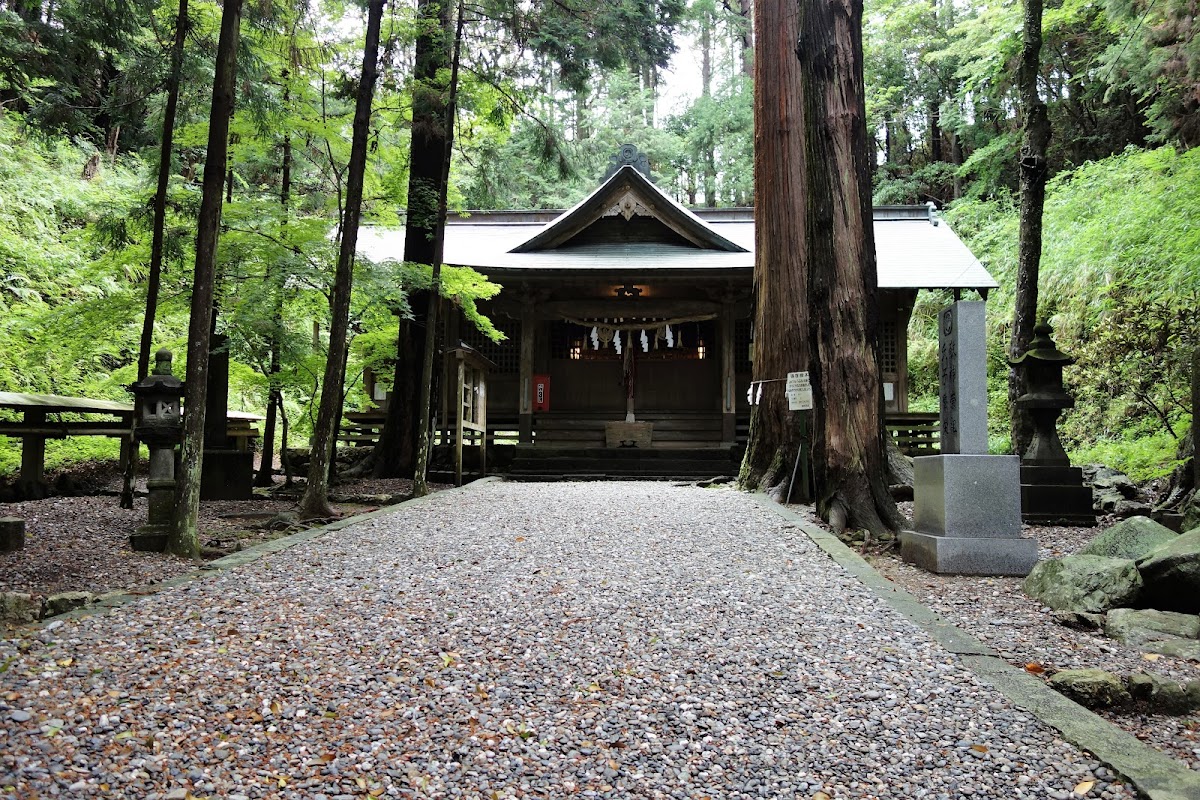
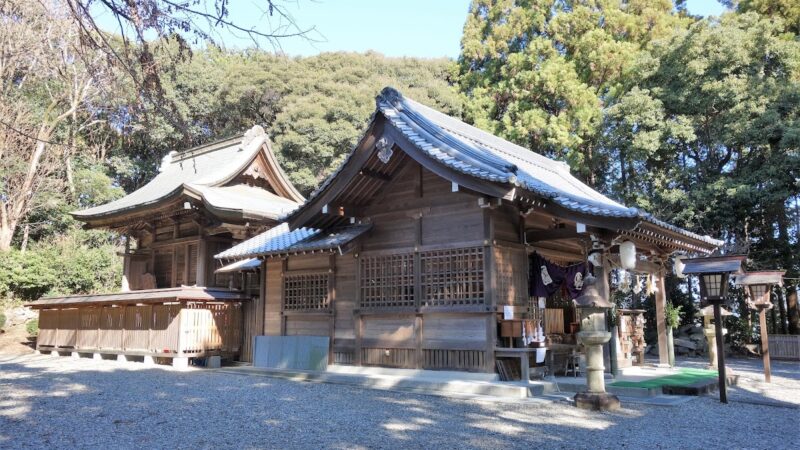
Main Hall and Worship Hall
The main hall of Mita Hachimangu Shrine is a valuable building that preserves the traditional style of shrine architecture. Daily prayers and festivals are held in the worship hall, welcoming worshippers.
Nature of the Shrine Grounds
Located at the foot of Mt. Kasagi, the shrine grounds are surrounded by abundant nature. The temple grounds, lush with towering trees and displaying ever-changing scenery throughout the seasons, offer visitors a tranquil atmosphere.
Stone Sculptures and Monuments
The temple grounds are dotted with stone lanterns, guardian lion-dogs, and monuments donated by successive generations of contributors. These stone sculptures reveal the deep faith of the local people and the history of Kiragawa’s prosperity.
Historic Townscape of Kiragawa
Kiragawa town, where the Mita Hachimangu Shrine is located, has been designated a National Important Preservation District for Groups of Traditional Buildings. Merchant houses and storehouses built from the Edo period to the early Showa period line the streets, creating a unique landscape.
Ishiguro (Stone Walls)
A distinctive feature of Kiragawa town’s landscape is the stone walls known as “ishiguro.” Built to protect houses from strong winds such as typhoons, the entire town is surrounded by these stone walls, creating a unique scenery.
Water-Draining Tiles and Plaster Walls
The storehouses of merchant families showcase a beautiful harmony of water-draining tiles and white plaster walls. These architectural techniques embody the wisdom of our ancestors, adapted to the rainy climate.
By strolling through this historic townscape in conjunction with a visit to the Mita Hachimangu Shrine, you can gain a deeper understanding of Kiragawa’s culture and history.
Access Information
Location
2413, Kiragawa-cho, Muroto City, Kochi Prefecture 781-6832
Access by Public Transportation
- Tosa Kuroshio Railway Gomen-Nahari Line: Get off at Nahari Station, take a Kochi Eastern Transportation bus for approximately 20 minutes, get off at the “Kiragawa” bus stop, and walk for approximately 5 minutes.
- From Kochi City: From Kochi Station Bus Terminal, take a Kochi Eastern Transportation bus bound for Muroto for approximately 2 hours, and get off at the “Kiragawa” bus stop.
Access by Car
- From Kochi City: Drive east on National Route 55 for approximately 2 hours.
- Parking: Temporary parking is available during festivals, but normally use nearby public parking lots.
Notes for Visitors
- The site becomes crowded with many visitors during the Ota Festival (May 3rd, only in odd-numbered years) and the Autumn Festival (mid-October).
- Traffic restrictions may be in place during festivals, so it is recommended to check in advance.
- The shrine grounds are a sacred place, so please observe proper etiquette when visiting.
Nearby Tourist Attractions
Cape Muroto
Located about 30 minutes by car from Mita Hachimangu Shrine, Cape Muroto is a scenic spot designated as a UNESCO Global Geopark. You can enjoy magnificent views of the Pacific Ocean and unique geological formations.
Muroto Global Geopark Center
This facility allows you to learn about the formation of the land and nature of Muroto. Visiting it in conjunction with the historic townscape of Kiragawa allows you to understand both the nature and culture of this region.
Muroto Dolphin Center
This interactive facility where you can interact with dolphins is a popular spot for families.
The Significance of Visiting Mita Hachimangu Shrine
Mita Hachimangu Shrine is not merely a tourist attraction, but a living cultural heritage site with nearly a thousand years of history. The Mita Matsuri (rice field festival), a nationally designated Important Intangible Folk Cultural Property, and the magnificent Hanadai procession of the autumn festival offer a valuable opportunity to experience the splendor of traditional Japanese culture.
By experiencing the faith and culture that the people of Kiragawa have preserved and passed down through generations, you can feel the strength of the community bonds and the significance of inheriting tradition.
Visiting Mita Hachimangu Shrine in conjunction with a stroll through the historic townscape of Kiragawa allows you to experience the history of the port town’s prosperity since the Edo period and the faith rooted there.
Summary
Mita Hachimangu Shrine (Kiragawa-cho, Muroto City, Kochi Prefecture) is a venerable shrine with a history approaching a thousand years, preserving a rich traditional culture, including the Mita Matsuri (rice field festival), a nationally designated Important Intangible Folk Cultural Property. The Mita Matsuri, held on May 3rd in odd-numbered years, faithfully preserves the ancient style of Dengaku (a type of traditional dance and music) said to have continued since the Kamakura period, and holds extremely important value in the history of Japanese performing arts and culture.
At the autumn festival held every year in mid-October, magnificent flower floats, some reaching 10 meters in height, dance wildly within the shrine grounds, bringing the festivities to their climax. The sight of the boats and flower floats parading through the town is a precious cultural heritage that conveys the history of Kiragawa, which prospered from maritime transport.
Kiragawa town, where the Mita Hachimangu Shrine is located, has preserved its historical townscape, including stone walls called “ishiguro” and plaster-walled storehouses with water-draining tiles, and has been designated as an Important Preservation District for Groups of Traditional Buildings. Combining a visit to the shrine with a stroll through the townscape will allow you to gain a deeper understanding of the culture and history of this region.
When visiting eastern Kochi Prefecture, be sure to visit Mita Hachimangu Shrine and experience the faith and culture that the local people have carefully preserved and passed down. Visiting during the festival season in particular will offer a valuable experience of witnessing traditional events that are alive with a thousand years of history.