Complete Guide to Kochi Hachimangu Shrine | From Goshuin (Shrine Seals) and Access to History and Prayers for Safe Childbirth
Located in Harimaya-cho, in the heart of Kochi City, Kochi Hachimangu Shrine is a historic shrine that was once enshrined within Kochi Castle. Despite its convenient location just a 5-minute walk from Kochi Station, it’s a precious power spot where you can find peace of mind during your visit, and is beloved by both locals and tourists.
This article comprehensively introduces information you should know before visiting Kochi Hachimangu Shrine, including its history, enshrined deities, goshuin (shrine seals), access methods, annual events, and blessings.
What is Kochi Hachimangu Shrine? | Guardian Deity of Kochi Castle Town
Kochi Hachimangu Shrine enshrines Emperor Ojin, Empress Jingu, and the Munakata Three Goddesses as “Hachiman Okami.” As the guardian deity of Kochi Castle and the surrounding area, it has attracted the faith of the people of Kochi throughout its long history.
Currently located at 8-11, Harimaya-cho 3-chome, Kochi City, the shrine was originally enshrined on Mount Otakasaka within Kochi Castle. It was moved to its current location on August 12, 1871 (Meiji 4), and in 2021 (Reiwa 3), it celebrated its 150th anniversary.
As the local guardian deity, it is widely revered as a protector of cultural and industrial development, commercial prosperity, traffic safety, and protection against misfortune. It is particularly well-known as a shrine for prayers for safe childbirth.
History of Kochi Hachimangu Shrine | Deep Connection to Kochi Castle
From Founding to Enshrinement within Kochi Castle
The history of Kochi Hachimangu Shrine is deeply intertwined with the origins of Kochi Castle (then known as Otakasaka Castle). It is believed to have begun when the Otakasaka clan invited Hachiman-Okami from Iwashimizu Hachimangu Shrine in Kyoto and enshrined him within the castle grounds as the guardian deity of Kochi Castle.
Hachiman-jin was revered by samurai families as the god of military fortune, and it was common in samurai society at the time for Hachiman-gu shrines to be enshrined as guardian deities of castles. During its time within Kochi Castle, Hachiman-gu served as a spiritual support for the castle lord and samurai.
Relocation during the Meiji Era
After the Meiji Restoration, amidst social changes such as the abolition of the feudal domains and the establishment of prefectures, Kochi Hachiman-gu was relocated on August 12, 1871 (Meiji 4), from Otakasaka-yama within Kochi Castle to its current location in the former Yamada-cho (present-day Harimaya-cho 3-chome).
This relocation transformed the shrine from one within the castle grounds to one open to the public, taking on a new role as the tutelary deity of central Kochi City. It was designated a prefectural shrine, establishing its position as a guardian deity of the region.
A Faith That Continues to the Present Day
Even now, more than 150 years after its relocation, Kochi Hachimangu Shrine remains deeply rooted in the lives of Kochi citizens, welcoming many worshippers at various milestones in life, such as first shrine visits for newborns, Shichi-Go-San (a traditional rite of passage for children), exorcisms, and prayers for safe childbirth.
Its convenient location within walking distance of Kochi Station makes it a popular and easily accessible shrine for tourists.
Deities and Benefits | The Divine Virtues of Hachiman-Okami
About the Deities
The following deities are enshrined at Kochi Hachimangu Shrine:
Emperor Ojin
The 15th Emperor and the central figure of Hachiman-Okami. He is revered as the god of military fortune, victory in competitions, and national protection.
Empress Jingu
Emperor Ojin’s mother. She is worshipped as the god of safe childbirth, child-rearing, and protection of women. Kochi Hachimangu Shrine is famous for prayers for safe childbirth, largely because it enshrines Empress Jingu.
Munakata Three Goddesses
These three goddesses are Ichikishimahime-no-Mikoto, Tagorihime-no-Mikoto, and Tagitsuhime-no-Mikoto. They are known as gods of maritime safety, traffic safety, and business prosperity.
These deities are collectively worshipped as “Hachiman Daishin.”
Main Benefits
The benefits you can receive at Kochi Hachimangu Shrine are diverse.
- Prayers for Safe Childbirth and Conception: Particularly famous due to the divine virtues of Empress Jingu
- Traffic Safety: Protection from the Munakata Three Goddesses
- Business Prosperity: As the guardian deity of the commercial area in the center of Kochi City
- Protection from Misfortune: Protection from disasters at important life stages
- Family Safety: Health and peace for the family
- Cultural and Industrial Development: Development and prosperity of the region
- Long-lasting Military Fortune and Good Luck in Competitions: Divine virtues of Emperor Ojin
Especially for prayers for safe childbirth, it is known as one of the leading shrines in Kochi Prefecture, with many pregnant women visiting on the Day of the Dog (Inu no Hi).
Highlights of the Shrine Grounds | A Quiet Urban Oasis
Main Hall and Worship Hall
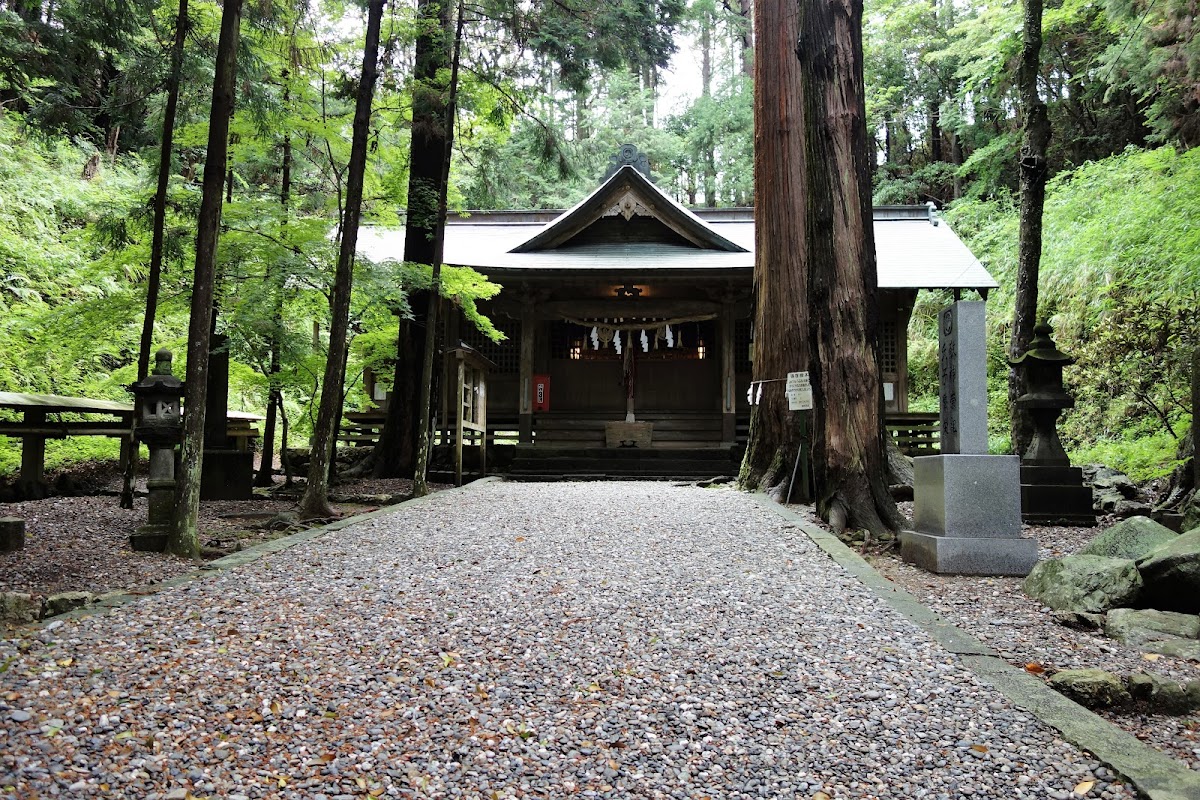
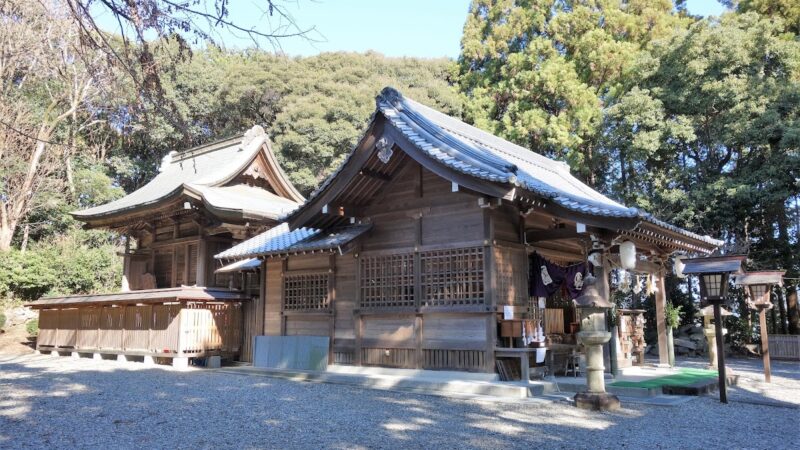
The main hall of Kochi Hachimangu Shrine is built in the traditional shrine architectural style. Despite being in the city center, the grounds are surrounded by trees, creating a tranquil atmosphere.
A magnificent offering box is placed in front of the main hall, allowing visitors to pray in peace. The trees in the grounds change their appearance with each season, offering a different atmosphere depending on the time of year.
Natural Environment of the Shrine Grounds
Despite its location in the heart of Kochi City, the shrine grounds retain a rich natural environment. Large trees cover the grounds, creating a space that allows visitors to forget the hustle and bustle of the city.
Especially during the seasons of fresh greenery and autumn leaves, the trees in the grounds are beautifully colored, allowing visitors to feel the changing seasons while praying.
Shrine Office and Amulet Shop
The shrine office offers Goshuin (shrine stamps) and accepts requests for various prayers. Amulets and talismans are also available, including various types such as those for safe childbirth and traffic safety.
It is recommended to check the opening hours of the shrine office in advance before visiting.
Goshuin Information | A Memento of Your Visit
About Receiving Goshuin
Kochi Hachimangu Shrine offers Goshuin (temple/shrine stamps). Goshuin serve as proof of your visit and are important for establishing a connection with the shrine.
When receiving a Goshuin, please complete your prayers first, then speak to the shrine office. Those with a Goshuincho (stamp book) will receive it; those without a Goshuincho may be given a pre-printed Goshuin.
Features of the Goshuin
Kochi Hachimangu Shrine’s Goshuin features the calligraphy and red seal of “Kochi Hachimangu.” Its simple yet dignified design makes it popular among Goshuin collectors.
Issuance Hours and Precautions
Goshuin issuance hours are the same as the shrine office’s opening hours. During festivals and events, it may not be possible to receive a Goshuin, so if you definitely want one, it is recommended to call in advance to confirm.
Contact Information: 088-882-1449
When receiving a Goshuin (temple/shrine stamp), please remember to be grateful and treat the staff with courtesy.
Access & Basic Information | Conveniently located a 5-minute walk from Kochi Station
Access by Train
From JR Kochi Station
- Approximately 5-minute walk from the South Exit
- Located in the heart of Kochi City, very close to the station and very convenient.
Exit Kochi Station and head south towards Harimaya-cho. There are signs along the way, so even first-time visitors won’t get lost.
Access by Tram
Tosaden Kotsu (Tram)
- Get off at “Harimayabashi” tram stop, approximately 3-minute walk
- Get off at “Dentetsu Terminal Building” tram stop, approximately 5-minute walk
The trams running through Kochi City are a convenient mode of transportation for sightseeing. The area around Harimayabashi is the center of Kochi City, with many tourist attractions.
Access by Car and Parking
If you are coming by car:
- Approximately 15 minutes from the Kochi Interchange on the Kochi Expressway
- As it is located in the city center, there are several paid parking lots nearby.
For parking exclusively at the shrine, we recommend contacting them directly before your visit. You can also use nearby coin-operated parking lots.
Basic Information
Location: 3-8-11 Harimaya-cho, Kochi City, Kochi Prefecture
Phone Number: 088-882-1449
Visiting Hours: Grounds are freely accessible (please check the opening hours of the shrine office)
Official Website: https://www.kochi-hachimangu.com/
Nearest Station: JR Kochi Station (5-minute walk from the South Exit)
Nearest Tram Stop: Tosaden Kotsu “Harimayabashi” Tram Stop (3-minute walk)
Annual Events and Festivals | Seasonal Rituals
Kochi Hachimangu Shrine holds various festivals and events throughout the year.
Main Annual Events
Hatsumode (January 1st-3rd)
The shrine is bustling with worshippers praying for happiness in the new year. As a shrine in the heart of Kochi City, many citizens visit for Hatsumode.
Setsubun Festival (around February 3rd)
A Shinto ritual, including bean-throwing, is performed to ward off evil and bring good fortune.
Spring Grand Festival
An important festival celebrating the arrival of spring and praying for a bountiful harvest and regional prosperity.
Shichi-Go-San Festival (around November 15th)
Families gather to pray for the healthy growth of their children.
Autumn Grand Festival
A festival expressing gratitude for the bountiful autumn harvest and praying for further prosperity.
Great Purification Ceremony (June 30th & December 31st)
A Shinto ritual is performed to purify and cleanse away the sins and impurities accumulated over the past six months.
For detailed dates and times of these events, we recommend checking the official website or contacting the relevant organizations directly.
Prayer for Safe Childbirth, First Shrine Visit, Shichi-Go-San | Milestones in Life
Prayer for Safe Childbirth (Dog Day Visit)
Kochi Hachimangu Shrine is particularly famous for prayers for safe childbirth, as it enshrines Empress Jingu. Many pregnant women and their families visit the shrine on the Dog Day of the fifth month of pregnancy to pray for a safe delivery.
What is the Dog Day?
Dogs are considered a symbol of safe childbirth because they are prolific and have easy deliveries. The custom of praying for a safe delivery on the Dog Day of the Chinese zodiac has been passed down since ancient times.
Prayer Application
Those wishing to receive a prayer for safe childbirth are advised to make a reservation by phone in advance. It is also helpful to confirm the requirements regarding bringing a maternity belt and the offering fee.
First Shrine Visit (Omiyamairi)
Many families perform the first shrine visit (Omiyamairi) to report the safe birth of their baby to the gods and pray for their healthy growth.
Timing Guidelines
- Boys: 31st or 32nd day after birth
- Girls: 32nd or 33rd day after birth
The timing varies depending on the region and family, but please choose a convenient day for the visit, prioritizing the health of both mother and child.
Shichi-Go-San Shrine Visit
Shichi-Go-San shrine visits, held at the milestones of 3, 5, and 7 years old, are also popular, expressing gratitude for children’s healthy growth and praying for their future happiness.
Weekends around November 15th are especially crowded, so it is recommended to visit with plenty of time to spare. Choosing an earlier time slot, considering photo opportunities, is also a good idea.
Exorcism and Protection from Misfortune | Turning Points in Life
Life has turning points known as “unlucky years,” and prayers for exorcism and protection from misfortune have been performed since ancient times. You can also receive these prayers at Kochi Hachimangu Shrine.
About Unlucky Years
Unlucky Years for Men
- Pre-unlucky Years: 24, 41, 60
- Main Unlucky Years: 25, 42, 61
- Post-unlucky Years: 26, 43, 62
Unlucky Years for Women
- Pre-unlucky Years: 18, 32, 36
- Main Unlucky Years: 19, 33, 37
- Post-unlucky Years: 20, 34, 38
Especially for men, age 42 and for women, age 33 are considered “major unlucky years,” requiring particular caution.
Those in their unlucky years can receive exorcism prayers at the beginning of the year or on Setsubun (the day before the beginning of spring) to pray for a safe year.
Tourist Attractions Around Kochi Hachimangu Shrine
Kochi Hachimangu Shrine is located in the heart of Kochi City, so there are many tourist attractions nearby. You can enjoy sightseeing in Kochi in conjunction with your visit to the shrine.
Harimaya Bridge
A representative tourist spot in Kochi, just a few minutes’ walk away. This vermilion-painted bridge is famous from the folk song “Yosakoi-bushi,” which includes the line, “At Harimaya Bridge in Kochi, Tosa, I saw a monk buying a hair ornament.”
Kochi Castle
Kochi Castle, where Kochi Hachimangu Shrine once stood, is within walking distance. It is one of the 12 remaining original castles in Japan, and is valuable as the only castle where both the keep and the main palace still exist.
Hirome Market
A market like a food stall village where you can experience Kochi’s food culture. You can enjoy Kochi gourmet food, including katsuo no tataki (seared bonito). It is about a 10-minute walk from Kochi Hachimangu Shrine.
Sunday Market
A street market with a history of over 300 years, held every Sunday on Otesuji Street in the foot of Kochi Castle. Fresh vegetables, fruits, and handicrafts are on display.
Katsurahama Beach
A scenic spot located about 30 minutes by car from downtown Kochi. Famous for its statue of Sakamoto Ryoma, it offers magnificent views of the Pacific Ocean.
Manners and Points for Visiting a Shrine
There are basic manners to observe when visiting a shrine. When visiting Kochi Hachimangu Shrine, please keep the following points in mind.
Basic Etiquette for Visiting a Shrine
- Bow Before Passing Through the Torii Gate
Bow before entering the sacred area, standing before the torii gate.
- Purify Yourself at the Water Basin
If there is a water basin, purify your left hand, then your right hand, and then your mouth.
- Walk Along the Edge of the Path
The center of the path is considered the path of the gods, so walk along the edge.
- Etiquette at the Main Hall
- Place your offering in the offering box.
- Ring the bell if there is one.
- Bow twice, clap twice, bow once.
- Bow Upon Exit
Before leaving the torii gate, turn around and bow once.
Regarding Attire
While everyday clothing is acceptable for worship, please keep the following in mind if you are receiving a prayer:
- Wear clean and presentable clothing.
- Avoid revealing clothing.
- Avoid sandals or flip-flops.
- Remove your hat.
Regarding Photography
Photography is generally permitted on the shrine grounds, but please observe the following manners.
- Do not take photos in areas where photography is prohibited, such as inside the main hall.
- Be considerate of other worshippers.
- Remember that this is a sacred place and behave with moderation.
The Charm of Kochi Hachimangu Shrine | Why is it Loved by So Many People?
A Quiet Power Spot in the City
Despite its location in the heart of Kochi City, stepping onto the shrine grounds reveals a tranquil space far removed from the hustle and bustle of the city. This “sense of the extraordinary” is one of the reasons why it attracts so many worshippers.
The shrine grounds, surrounded by trees, change their appearance with each season, offering new discoveries with every visit. It is cherished by locals as a power spot that soothes the weary souls of city life.
Historical Connection to Kochi Castle
Kochi Hachimangu Shrine, with its history of being located within Kochi Castle, is deeply intertwined with the history of Kochi itself. While its role has shifted from guardian deity of the castle to tutelary deity of the citizens, it has continued to attract unwavering devotion.
This historical background imbues the shrine with dignity and significance, instilling a special feeling in visitors.
Easy Access
Its convenient location, just a 5-minute walk from JR Kochi Station and a few minutes’ walk from the tram stop, lowers the barrier to visiting. Its easy accessibility during sightseeing is another reason for its popularity.
A Shrine Watching Over Life’s Milestones
Kochi Hachimangu Shrine is a place visited for various life milestones, such as prayers for safe childbirth, first shrine visits for newborns, Shichi-Go-San (a traditional rite of passage for children), and protection against misfortune. Many families across generations visit, demonstrating its role as a deeply rooted community shrine.
Summary | A Peaceful Time at Kochi Hachimangu Shrine
Kochi Hachimangu Shrine, having been relocated from within Kochi Castle over 150 years ago, is a historic shrine that has been a spiritual haven for the citizens of Kochi.
Kochi Hachimangu Shrine enshrines Emperor Ojin, Empress Jingu, and the three Munakata goddesses, and is known for its various blessings, including prayers for safe childbirth, traffic safety, business prosperity, and protection from evil. In particular, it is one of the leading shrines in Kochi Prefecture for prayers for safe childbirth, attracting many pregnant women.
Despite its convenient location just a 5-minute walk from Kochi Station, the shrine grounds are a tranquil space surrounded by trees. It’s like an oasis in the city, offering visitors a peaceful and calming experience.
When you visit Kochi, be sure to stop by Kochi Hachimangu Shrine. Visiting this historic shrine will surely deepen your travel memories. We also recommend getting a Goshuin (shrine stamp) and combining your visit with a trip to nearby tourist spots such as Kochi Castle and Harimaya Bridge.
Kochi Hachimangu Shrine can be visited for various purposes, from prayers for important life events to expressing gratitude. As the guardian deity of central Kochi City, it will continue to be a comforting presence for many people for years to come.