Complete Guide to Kōrizu Shrine (Kochi Prefecture) | History of the Shikinaisha Shrine and the Kamobe Clan’s Faith in the Shrine
Kōrizu Shrine, located in Kamobe-Kamimachi, Kochi City, Kochi Prefecture, is one of the important historical shrines in Tosa Province, listed in the Engishiki Jinmyōchō (a list of shrines compiled in the Heian period). It is said to have originated when the Kamobe clan, members of the Kamo clan, enshrined their ancestral deity, and it continues to be revered as the local tutelary deity.
This article comprehensively explains everything you need to know before visiting Kōrizu Shrine, from its history and enshrined deities to its highlights and access methods.
Basic Information on Kōrizu Shrine
Official Name: Kōrizu Shrine
Location: 5-8 Kamobe-Kamimachi, Kochi City, Kochi Prefecture 780-8051
Former Shrine Rank: Gōsha (Village Shrine)
**Shikinaisha (Shrine Listed in the Engishiki): Kōrizu Shrine, Tosa District, Tosa Province (Listed in the Engishiki Jinmyōchō)
Main Deity: Ōkuninushi-no-Mikoto
Nearest Station: Approximately 2 minutes on foot (approx. 191m) from Kamobe Station on the Tosa Electric Railway Ino Line
Kōrizu Shrine is located in the Kamobe district of Kochi City and was formerly known as “Kamobe Shrine” and “Rokushō Daimyōjin.” As a shrine that received reverence second only to Tosa Shrine (Takagamo Shrine), it has played an important role in the history of the region.
History of Gunzu Shrine
Origin of Founding
The exact founding date of Gunzu Shrine is unknown, but its origins are believed to date back to ancient times. It is said that the shrine was founded when the Kamo clan, who resided in the Kamobe area, enshrined Ōkuninushi-no-Mikoto as their ancestral deity.
The Kamobe clan were subordinates of the Kamo clan, a powerful ancient clan mentioned in the *Shinsen Shōjiroku* (New Compilation of Family Names). The Kamo clan’s influence in Tosa Province was significant, and Gunzu Shrine held an important position as a shrine where prayers were offered for the prosperity of the Kamobe region, which was their territory.
Status as a Shikinaisha (Shrine Listed in the Engishiki)
The Engishiki Jinmyōchō (Compiled in 927) lists Gunzu Shrine as “Tosa Province, Tosa District, Gunzu Shrine,” indicating that it was already a prestigious shrine recognized by the imperial court during the Heian period. There are 2,861 Shikinaisha shrines throughout Japan (492 major shrines and 2,369 minor shrines), of which 21 are listed in Tosa Province. Gunzu Shrine was one of these, and was an important shrine in Tosa Province.
Regarding the name “Gunzu,” there are theories that it relates to the head of the county (gunji), or that it indicates that it was the central shrine of the county. In any case, it is undeniable that the shrine had a deep connection to the ancient administrative division known as “gun.”
Historical Changes
Ancient historical materials such as the *Shoku Nihongi* record the activities of the Kamo clan in Tosa Province, and Gunzu Shrine developed within this historical context.
From the medieval period onward, the shrine also came to be called “Rokushō Daimyōjin.” This suggests that multiple deities were enshrined there. It is also said that it received reverence second only to Tosa Shrine (Takagamo Shrine), and its rituals were extremely grand.
In the early modern period, it became the tutelary shrine of the region, attracting the faith of the people of Kamobe Village. According to records from the Edo period, our shrine served as the guardian shrine of Kamobe Village, an important place where prayers were offered for the village’s peace and abundant harvests.
Developments since the Modern Era
Under the Meiji era’s shrine ranking system, it was designated a Gosha (village shrine), establishing its position as a central shrine in the region. However, during the Showa period, it suffered a fire, losing part of its shrine building.
Afterward, through the efforts of parishioners and local residents, the shrine building was rebuilt, resulting in its current form. Since the end of World War II, it has belonged to the Association of Shinto Shrines, continuing to uphold traditional rituals while fulfilling its role as a central hub for the local community.
Deities and Divine Virtues
Main Deity: Okuninushi-no-Mikoto
The main deity of Gunzu Shrine is Okuninushi-no-Mikoto. Okuninushi-no-Mikoto is also known as the main deity of Izumo Taisha Shrine and is widely worshipped as the god of nation-building, agriculture, commerce, and medicine.
Ōkuninushi-no-Mikoto has many other names, including Ōkuninushi-no-Kami, Ōnamuchi-no-Kami, and Ashihara-no-Shikoo-no-Kami, and plays a central role in Japanese mythology. In the Kojiki and Nihon Shoki, he is depicted as the god who developed the land and taught people agriculture and medicine.
Divine Virtues
The following are some of the divine blessings you can expect from visiting Gunzu Shrine:
- Matchmaking and Successful Relationships: Because Okuninushi-no-Mikoto was united with many goddesses, he is worshipped as a god of matchmaking.
- Abundant Harvests and Business Prosperity: As a god of nation-building, he protects the development of agriculture and commerce.
- Healing from Illness and Longevity: Due to his role as a god of medicine, many worshippers visit to pray for good health.
- Family Safety and Prosperity of Descendants: As the local guardian deity, he watches over the safety and prosperity of families.
Relationship with the Kamo Clan
The reason Gunzu Shrine enshrines Okuninushi-no-Mikoto is due to its deep connection with the Kamo clan. The Kamo clan was a powerful ancient clan, known for worshipping at the Kamigamo Shrine and Shimogamo Shrine in Kyoto.
The origin of Gunzu Shrine is said to be the Kamobe clan, a group of people belonging to the Kamo clan in Tosa Province, who enshrined Okuninushi-no-Mikoto as their ancestral deity. This is a good example of the close relationship between clans and shrines in ancient times.
Highlights of the Shrine Grounds
Shrine Buildings
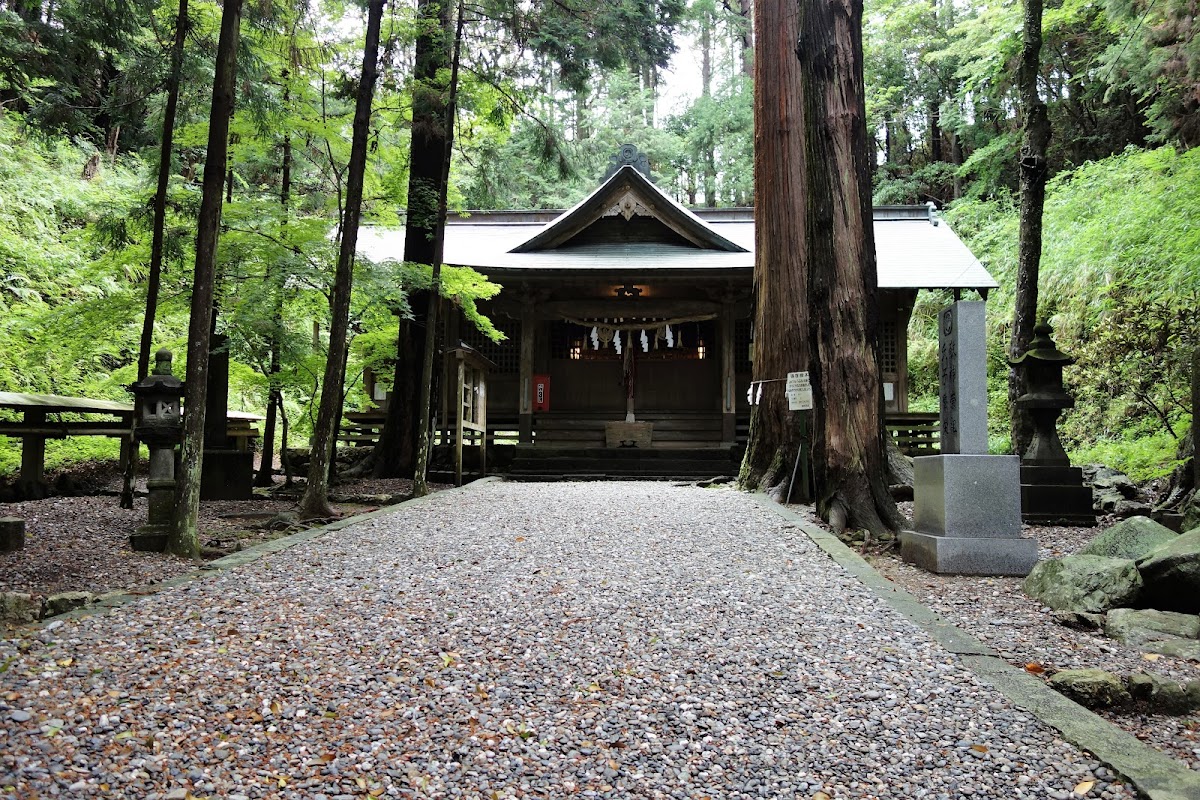
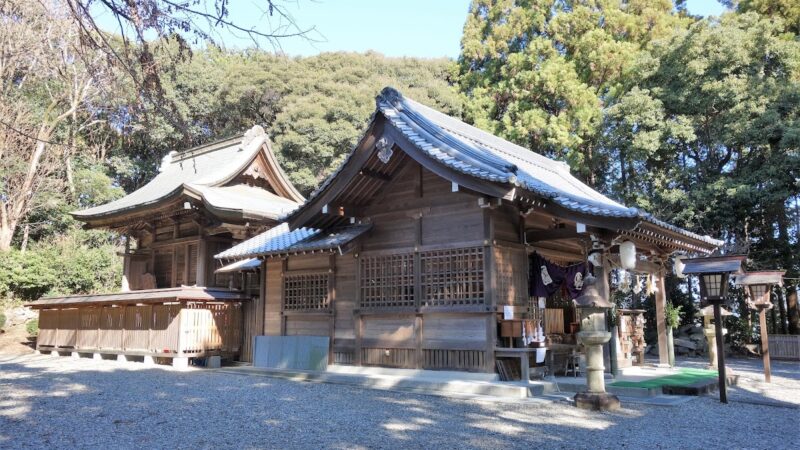
The current shrine buildings were rebuilt after a fire in the Showa period. The main hall follows traditional shrine architectural styles and maintains its dignity as the center of local faith.
The worship hall is kept clean as a place for worshippers to offer prayers. Trees grow thickly around the shrine buildings, creating a tranquil atmosphere despite its urban location.
Torii Gate
A torii gate stands at the entrance to the shrine grounds, marking the entrance to the sacred area. Passing through the torii gate marks the boundary between the everyday world and a sacred space.
Atmosphere of the Shrine Grounds
Despite being located in a residential area of Kochi City, Gunzu Shrine grounds maintain a calm atmosphere. Located just a two-minute walk from Kamobe Station on the Tosa Electric Railway line, the shrine enjoys a convenient location, and local residents can be seen visiting it regularly.
While the grounds are not large, they are meticulously maintained, reflecting the affection the local people have for the shrine. The trees within the grounds, displaying different appearances with each season, also soothe the hearts of visitors.
Subsidiary Shrines
Besides the main shrine, there may be subsidiary shrines within the grounds of Gunzu Shrine, but detailed records are limited. Given that it was formerly known as “Rokushō Daimyōjin,” it is certain that multiple deities were enshrined there.
According to documents such as the Shikinaisha Research Report, it is believed that deities closely related to daily life, such as local guardian deities and agricultural gods, were enshrined there.
Festivals and Annual Events
Gunzu Shrine holds various festivals throughout the year. While it is recommended to inquire directly with the shrine for detailed festival schedules, it is believed that the festivals are similar to those of other shrines.
Main Annual Events (Estimated)
- New Year’s Day Festival (January 1st): A festival to welcome the new year and pray for peace throughout the year.
- Spring Grand Festival: A grand spring festival praying for a bountiful harvest.
- Summer Purification Ceremony (around June 30th): A ceremony to purify oneself of the impurities accumulated over the past six months and pray for good health and well-being for the remaining half of the year.
- Autumn Grand Festival: A grand autumn festival to give thanks for the harvest and pray for the prosperity of the community.
- Year-End Purification Ceremony (December 31st): A ceremony to purify oneself of the impurities accumulated over the year and welcome the new year with purity.
As the local guardian deity, parishioners and local residents participate in these festivals, continuing the traditions.
Access and Visiting Information
Access by Public Transportation
Using the Tosa Electric Railway Ino Line:
Get off at “Kamobe Station” and walk for approximately 2 minutes (approximately 191m).
Kamobe Station is located on the line heading from central Kochi City towards Ino, making access very convenient. The path from the station to the shrine is flat, so even first-time visitors can arrive without getting lost.
Access by Car
It takes approximately 15 minutes by car from central Kochi City. Since the area around the shrine is residential, parking space is limited. We recommend using public transportation when visiting.
Visiting Hours
The shrine grounds are generally open for free visits. However, we recommend refraining from visiting early in the morning or late at night, and visiting during reasonable hours.
Shrine Visiting Etiquette
When visiting a shrine, please observe the following basic manners:
- Bow before the Torii Gate: Bow before entering the sacred area, in front of the torii gate.
- Walk along the edge of the path: The center of the path is considered the path of the gods.
- Purify yourself at the water basin: If there is a water basin, purify your hands and mouth.
- Two bows, two claps, one bow: In front of the main hall, bow twice, clap twice, and finally bow once.
- Bow after leaving the Torii Gate: When leaving the sacred area, turn around and bow once.
Nearby Tourist Attractions
Tosa Shrine (Takagamo Shrine)
Like Gunzu Shrine, Tosa Shrine is a shrine associated with the Kamo clan and is a prestigious shrine as the Ichinomiya (first-ranked shrine) of Tosa Province. It is about a 10-minute drive from Gunzu Shrine, and visiting both is recommended.
Kochi Castle
Kochi Castle, a symbol of Kochi City, is known as one of the 12 remaining original castle keeps. Located in the city center, about 20 minutes by car from Gunzu Shrine, it is a classic Kochi tourist spot.
Katsurahama Beach
Katsurahama Beach, a scenic spot overlooking the Pacific Ocean, is famous for its statue of Sakamoto Ryoma. Located about 30 minutes by car from Gunzu Shrine, it is a popular tourist destination in Kochi, attracting many visitors.
Cultural Value of Gunzu Shrine
Importance as a Shikinaisha Shrine
Gunzu Shrine is an academically important shrine as a Shikinaisha shrine listed in the Engishiki Jinmyocho (a list of shrines compiled in the Heian period). It is a subject of research, such as in the Shikinaisha Survey Report, and is a valuable resource for understanding the belief systems and social structure of ancient Tosa Province.
The fact that it was recognized by the imperial court during the Heian period indicates that Gunzu Shrine was not merely a small local shrine, but an important shrine recognized nationally.
Position in Local History
Gunzu Shrine has always played a central role in the history of the Kamobe region. Originating as the tutelary shrine of the Kamo and Kamobe clans, Gunzu Shrine has been closely intertwined with people’s lives since the Middle Ages, serving as the guardian shrine of the region.
As a core of regional identity and a place for maintaining intergenerational community bonds, Gunzu Shrine continues to play a vital role.
Reconstruction from Fire
The fire in the Showa era was a major ordeal for Gunzu Shrine, but the shrine buildings were rebuilt through the dedicated efforts of parishioners and local residents. This history of reconstruction speaks to the strong bonds of the local community and their deep faith in the shrine.
The current shrine buildings can truly be called a “treasure of the region,” imbued with the feelings of the local people.
Gunzu Shrine and Kamo Faith
Genealogy of the Kamo Clan
The Kamo clan was one of the powerful clans in ancient Japan, and according to the *Shinsen Shōjiroku* (New Compilation of Family Names), they were of divine lineage (descendants of gods). They are known as the clan that worshipped at the Kamigamo Shrine (Kamo Wakeikazuchi Shrine) and Shimogamo Shrine (Kamo Mioya Shrine) in Kyoto, and played an important role in the imperial court.
The activities of the Kamo clan in Tosa Province are recorded in texts such as the *Shoku Nihongi*, indicating that Tosa Province was one of the Kamo clan’s important bases in ancient times.
The Place Name Kamobe
The place name “Kamobe” itself originates from the fact that the Kamo clan’s people (the Kamobe clan) resided there. “Be” is an ancient term indicating an occupational group or clan group, and Kamobe means the area where a group belonging to the Kamo clan lived.
This example of a close connection between place names, shrines, and clans is extremely interesting for understanding the social structure of ancient Japan.
Kamo Faith in Tosa
Tosa Shrine, the Ichinomiya (first-ranked shrine) of Tosa Province, was also called “Takakamo Shrine,” indicating a deep connection with the Kamo clan. Records showing that Gunzu Shrine received the second-highest reverence after Tosa Shrine demonstrate the spread and importance of Kamo faith in Tosa Province.
Kamo faith developed uniquely in Tosa Province, intertwined with agricultural deity worship and thunder god worship. Gunzu Shrine has served as one of the important centers of local faith, supporting the region’s religious beliefs.
Visitor Voices and Experiences
Visitors to Gunzu Shrine have shared the following impressions:
- “Despite being located in a residential area, it’s a quiet and peaceful shrine.”
- “It’s close to the station, making it easily accessible and convenient to visit.”
- “It’s a shrine that conveys the weight of history as a Shikinaisha (a shrine listed in the Engishiki, an ancient Japanese legal code).”
- “You can feel how much it’s cherished by the local people.”
These comments reveal that Gunzu Shrine possesses two sides to its charm: it’s a friendly, community-based shrine, yet also a dignified shrine with a long history.
Summary: A Recommendation to Visit Gunzu Shrine
Gunzu Shrine, listed in the Engishiki Jinmyocho (a list of shrines compiled in the Heian period), boasts a history of over 1000 years and is an academically important shrine associated with the Kamo clan. It enshrines Okuninushi-no-Mikoto and is believed to bestow blessings for matchmaking, abundant harvests, and business prosperity.
Located in a residential area of Kamobe, Kochi City, this shrine maintains a tranquil atmosphere and continues to attract the faith of the local people as their guardian deity. Its convenient location, just a 2-minute walk from Kamobe Station on the Tosa Electric Railway, makes it easily accessible for worshippers.
When visiting Kochi, be sure to visit this historic Shikinaisha (shrine listed in the Engishiki) Gunzu Shrine, along with other famous shrines and temples such as Tosa Shrine. You will be able to feel firsthand the history of Tosa’s faith that has continued since ancient times.
Location: 5-8 Kamobe-Kamimachi, Kochi City, Kochi Prefecture 780-8051
Access: Approximately 2 minutes on foot from Kamobe Station on the Tosa Electric Railway Ino Line
Main Deity: Okuninushi-no-Mikoto
Shrine Rank: Shikinaisha, Former Village Shrine
May your visit to Gunzu Shrine be a time of enrichment for you.