Matsukuma Shrine (Kochi Prefecture, Kochi City) | History and Visitor Guide to Japan’s Only Shrine Dedicated to Otakasaka Matsukuma-no-Okami
Matsukuma Shrine, located in Nishikuma, Kochi City, Kochi Prefecture, is an extremely rare shrine in Japan, dedicated to the last lord of the Otakasaka clan, who were active in Tosa Province during the late Sengoku period. While beloved by the local community, its historical background and origins are not widely known. This article comprehensively introduces information you should know before visiting, including the history of Matsukuma Shrine, the story of its enshrined deity, visitor information, and access methods.
Basic Information on Matsukuma Shrine
Matsukuma Shrine is located in the Nishikuma district in the western part of Kochi City. It stands quietly amidst a residential area and is revered as the local guardian deity.
Location
223 Nishikuma, Kochi City, Kochi Prefecture 780-0984
Religious Corporation Number
1490005001266 (Designated October 5, 2015)
Affiliation
Association of Shinto Shrines
Jurisdiction
A religious corporation under the jurisdiction of the Governor of Kochi Prefecture
Nearest Station
Within walking distance from Irimyo Station on the Tosaden Kotsu Gomen Line
There are three shrines named Matsukuma Shrine throughout Japan, but this shrine in Kochi City is the only one that enshrines Ootakasaka Matsukuma Okami as its main deity, making it unique in Japan in that respect.
Deity: Ootakasaka Matsukuma Okami
The deity enshrined at Matsukuma Shrine is “Ootakasaka Matsukuma no Mikoto (Ootakasaka Matsukuma Okami)”. This deity is the deified form of Matsuhisa Manmaru Otakasaka Yosuke, the sixth head of the real-life samurai clan, a samurai family.
History of the Otakasaka Clan
The Otakasaka clan was a samurai family that held power in central Tosa Province from the Kamakura period. For generations, they ruled the region as lords of Otakasaka Castle (around present-day Kochi City). Otakasaka Castle was one of the important strongholds of Tosa Province, and the Otakasaka clan reigned as a powerful local family for a long time.
Life of Matsuhisa Manmaru Otakasaka Yosuke
Matsuhisa Manmaru Otakasaka Yosuke, the sixth head of the clan, lived through the turbulent times of the late Sengoku period. During this period, the Chosokabe clan rapidly expanded its power in Tosa Province, forcing many local lords to submit or be destroyed.
The Otakasaka clan, too, was a family tossed about by the turbulent waves of this Sengoku period. Matsuhisa Manmaru Yosuke, despite leading a life full of hardship, is said to have always prioritized the well-being of his people and continuously prayed for their peace of mind (stability in their lives).
Background of Deification
After Matsuhisa Manmaru Yosuke’s death, he was enshrined as a god by people who admired his virtues. His benevolent rule and his efforts to protect his people even in the midst of hardship touched the hearts of later generations, leading to his reverence as a divine spirit.
While examples of warlords from the Sengoku period being enshrined as gods are found throughout Japan, it is rare for a local lord like the Otakasaka clan to be enshrined alone, indicating the deep faith he enjoyed in his region.
History and Founding of Matsukuma Shrine
Unfortunately, detailed records of the exact founding date and circumstances of the enshrinement of Matsukuma Shrine do not remain. The shrine’s origins and history are unknown, likely due to the loss of many records during the turmoil of the Sengoku period and the subsequent changes in the Edo period.
Estimated Founding Period
Since the enshrined deity, Matsukuma Maruyosuke, was a figure from the late Sengoku period, the shrine’s founding is estimated to be sometime between the Azuchi-Momoyama period and the early Edo period. It is believed that after the fall of the Otakasaka clan, a small shrine was erected by people commemorating their virtues, which later developed into a shrine.
Regional Positioning
Matsukuma Shrine has long been revered by local residents as the tutelary deity of the Nishikuma district. Its location in an area formerly ruled by the Otakasaka clan demonstrates its deep historical connection.
Shrine Grounds and Highlights
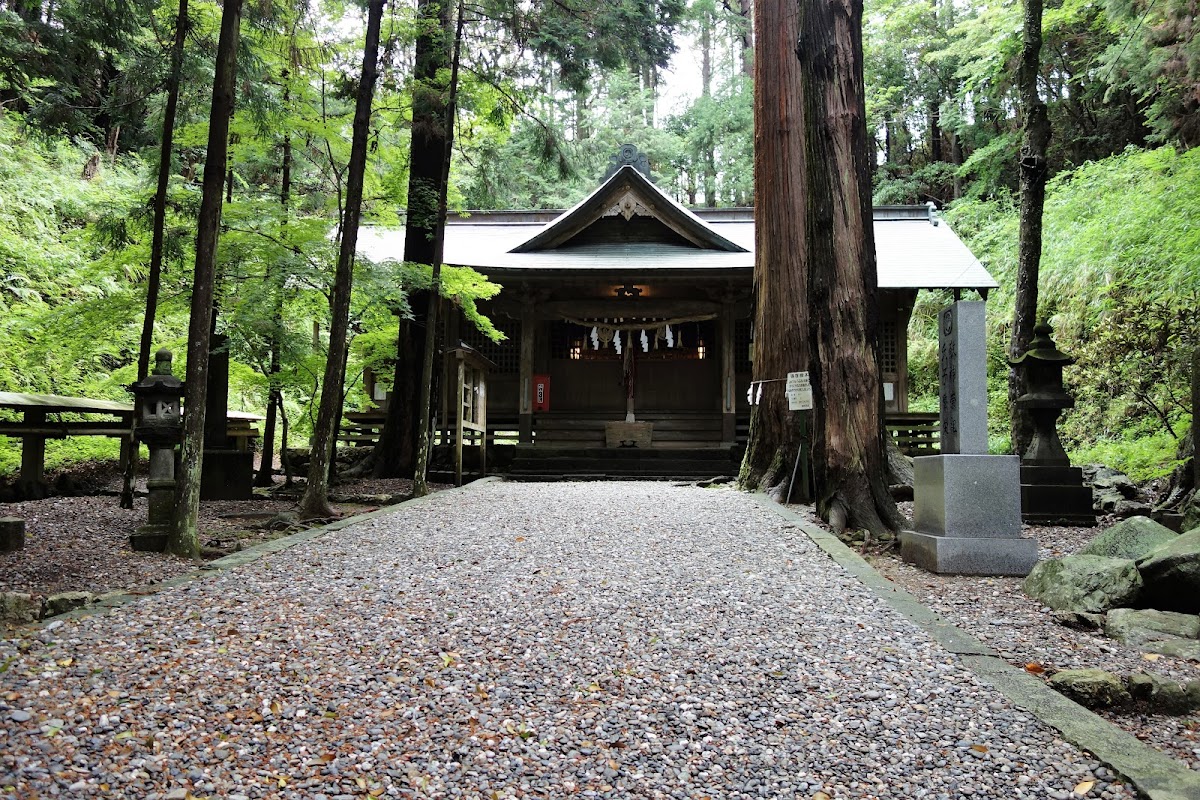
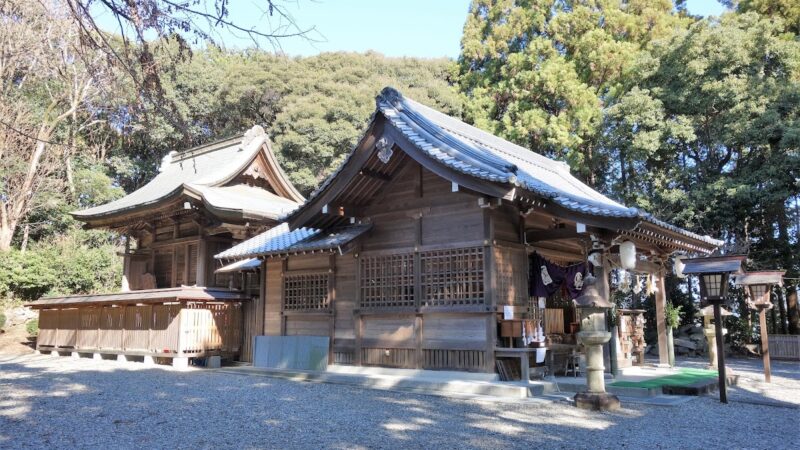
Despite being located in a residential area, Matsukuma Shrine maintains a tranquil atmosphere. While relatively small in scale, it offers a warm and welcoming space deeply rooted in the community.
Shrine Buildings
The main shrine, though simple, is meticulously maintained, reflecting the deep faith of the local people. In the worship hall, daily worshippers offer prayers to the enshrined deity.
Atmosphere of the Shrine Grounds
Despite being located in an urban area, the shrine grounds maintain a tranquil atmosphere. It’s a quiet environment, slightly removed from the hustle and bustle of Kochi City, providing a space for peaceful worship.
A Space Reflecting History
The shrine grounds exude a sense of history dating back to the Sengoku period (Warring States period). As a shrine dedicated to the Otakasaka clan, a family deeply involved in the region’s history, it’s a fascinating spot for history enthusiasts.
Benefits and Divine Virtues of Matsukuma Shrine
Otakasaka Matsukuma-no-Okami, the enshrined deity of Matsukuma Shrine, was a warrior who prioritized the peace and well-being of his people. Therefore, the following benefits are believed to be offered:
Protection of the Region
Because the enshrined deity was a warrior who protected his territory and its people during his lifetime, he is worshipped as a god who protects the peace and development of the region.
Family Safety
As a deity dedicated to the peace and well-being of ordinary people, this shrine is believed to offer protection for the safety and happiness of families.
Overcoming Difficulties
Following the example of the enshrined deity who overcame the hardships of the Sengoku period, it is believed to bestow the strength to overcome life’s difficulties and trials.
Fostering Local Pride
As a shrine with a history deeply rooted in the community, it serves as a spiritual anchor for fostering affection and pride for one’s hometown.
How to Visit and Manners at Matsukuma Shrine
There are basic manners to observe when visiting a shrine. When visiting Matsukuma Shrine, please observe the following basic manners.
Basic Manners for Visiting a Shrine
- Bow Before Passing Through the Torii Gate
As a sign of respect when entering the sacred area, bow before the torii gate.
- Purify at the Water Basin
If there is a water basin, purify your left hand, then your right hand, and then your mouth.
- Worship at the Main Hall
The basic procedure is two bows, two claps, and one bow. Offer your donation, ring the bell if present, and then bow.
- Quietly Walking Around the Shrine Grounds
The shrine grounds are a sacred place. Please refrain from speaking loudly or running, and remain quiet.
Attire for Visiting
There are no specific dress code requirements, but clean and presentable clothing that reflects the sacred nature of the place is desirable.
About Goshuin (Shrine Seals)
Information regarding Goshuin at Matsukuma Shrine is limited, but those wishing to receive a Goshuin are advised to check in advance.
The Significance of Goshuin
Goshuin are not merely commemorative stamps; they are given by the shrine as proof of your visit. Please keep them carefully as a record of your visit.
Preparing a Goshuincho (Shrine Seal Book)
When receiving a Goshuin, it is considered good manners to prepare a dedicated Goshuincho. It’s common to collect Goshuin (temple/shrine stamps) separately from those of shrines and temples.
Access and Surrounding Information
Access by Public Transportation
Nearest Station
The nearest station is Irimyo Station on the Tosa Electric Railway Gomen Line. It’s within walking distance from the station.
Route Bus
Route buses running within Kochi City are also available. Please take a bus bound for Nishikuma.
Access by Car
It’s about a 15-minute drive from the center of Kochi City. It’s about a 20-minute drive from the Kochi Interchange on the Kochi Expressway.
Parking
There may be parking spaces on the grounds or in the surrounding area, but we recommend checking on-site or inquiring in advance for details.
Nearby Tourist Attractions
Kochi Castle
Kochi Castle, a symbol of Kochi City, is about a 20-minute drive from Matsukuma Shrine. It’s a popular tourist destination as a valuable castle with an existing keep.
Tosa Shrine
Tosa Shrine, the Ichinomiya (first-ranked shrine) of Tosa Province, is relatively close and attracts many visitors as one of Kochi Prefecture’s representative shrines.
Katsurahama Beach
Katsurahama Beach, a scenic spot overlooking the Pacific Ocean, is a classic Kochi tourist destination. It’s about a 30-minute drive from Matsukuma Shrine.
Relationship between Otakasaka Castle Ruins and Matsukuma Shrine
Otakasaka Castle, the residence of the Otakasaka clan (the deities enshrined at Matsukuma Shrine), is believed to have been located within what is now Kochi City.
History of Otakasaka Castle
Otakasaka Castle functioned as the base of the Otakasaka clan from the Kamakura period to the Sengoku period. It was an important military base in central Tosa Province and the center of control over the surrounding region.
Current State of the Castle Ruins
Currently, no clear remains of Otakasaka Castle exist, but traces can be seen in place names and topography. Some history enthusiasts combine a visit to Matsukuma Shrine with a visit to the former sphere of influence of the Otakasaka clan.
Experiencing Historical Romance
Visiting Matsukuma Shrine allows you to reflect on the history of Tosa Province during the Sengoku period and the rise and fall of the Otakasaka clan, a local powerful family. Learning about the stories of local powerful families who don’t appear on the main stage of history is a valuable experience for understanding the diversity and depth of Japanese history.
Matsukuma Shrine and the Local Community
Matsukuma Shrine is not merely a tourist spot; it is an important community center for the people of the Nishikuma district.
Annual Festivals and Local Events
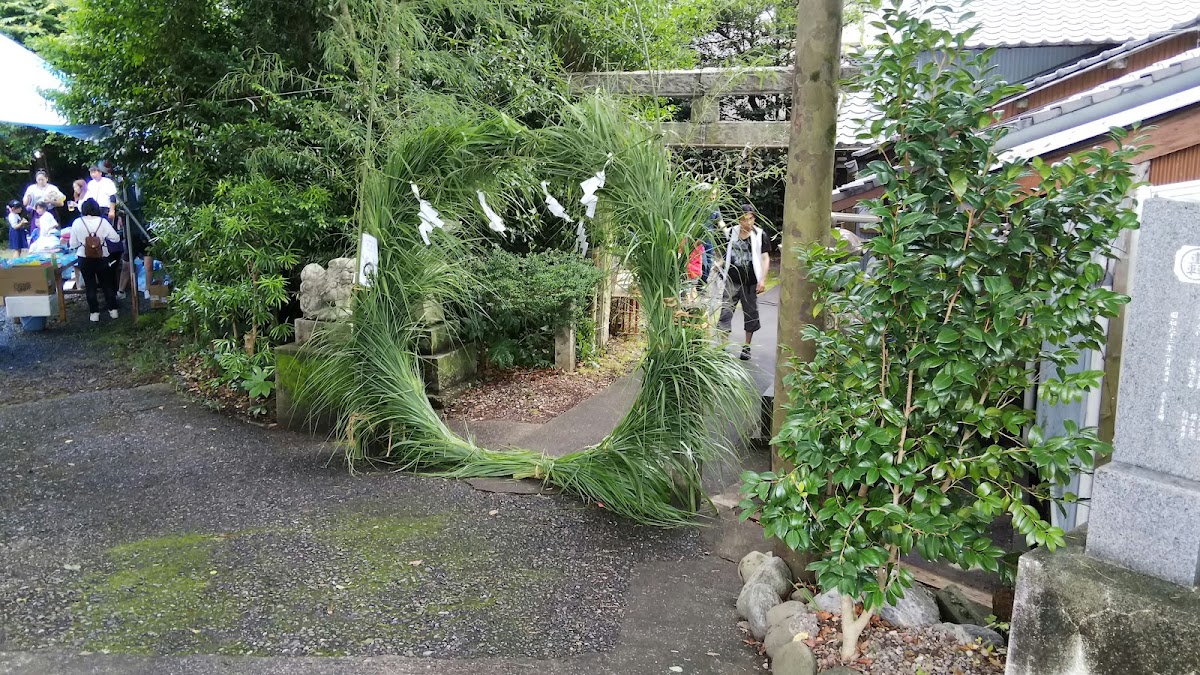
Various festivals are held at the shrine throughout the year. The gathering of local people and the preservation of traditions strengthens community bonds.
Role as a Local Guardian Deity
As the local guardian deity, it is a beloved place of worship for important life events such as a baby’s first shrine visit, Shichi-Go-San (a traditional rite of passage for children), and exorcism.
Preserving Local History
Matsukuma Shrine plays an important role in passing on the history of the Otakasaka clan to future generations. The shrine also provides children with opportunities to learn about local history.
Kochi Prefecture’s Shrine Culture and Matsukuma Shrine
Kochi Prefecture has numerous shrines, each with its own unique history and culture.
Characteristics of Tosa Shrines
Shrines in Tosa Province (present-day Kochi Prefecture) possess a unique culture, a fusion of indigenous beliefs and Shinto introduced from the central government. Mountain worship and maritime worship are strong, and elements of nature worship remain prominent.
Shrines Dedicated to Warlords
Several shrines in Kochi Prefecture, like Matsukuma Shrine, are dedicated to local warlords and feudal lords. These are closely linked to local history and serve as important resources for local history research.
The Joys of Shrine Visits
When visiting Kochi Prefecture, you can gain a deeper understanding of Tosa’s history and culture by visiting not only famous shrines like Tosa Shrine and Asakura Shrine, but also smaller, locally rooted shrines like Matsukuma Shrine.
Tosa Province and the Otakasaka Clan in the Sengoku Period
To deepen your understanding of Matsukuma Shrine, it is important to know the situation in Tosa Province during the Sengoku period. ### The Rise of the Chosokabe Clan
The Sengoku period in Tosa Province was a time of rapid power expansion for the Chosokabe clan. Chosokabe Motochika, with his exceptional military talent, successively subdued the powerful local lords known as the Seven Heroes of Tosa, unifying Tosa Province.
The Fate of Local Lords
Many local lords, including the Otakasaka clan, faced various fates in response to the Chosokabe clan’s expansion, ranging from resistance and submission to extinction. The description of Matsuhisa Manmaru Yosuke’s “life of hardship” is thought to reflect this historical context.
Impact on Common People
The wars of the Sengoku period had a significant impact not only on the lords but also on the lives of common people. The description of Matsuhisa Manmaru Yosuke “praying for the peace of mind of the common people” shows his compassion for his subjects suffering amidst the turmoil of war.
Best Season for Visiting and Points to Note
Seasonal Charms
Spring (March-May)
This is a warm and pleasant season for visiting the shrine. The fresh greenery is beautiful, and you can enjoy your visit in refreshing air.
Summer (June-August)
Summer in Kochi is hot, so early morning or evening visits are recommended. Be sure to take precautions against heatstroke.
Autumn (September-November)
This is a comfortable season for visiting the shrine. There may be events such as autumn festivals.
Winter (December-February)
Kochi is relatively mild, but it may be crowded during the New Year’s visit period.
Points to Note When Visiting
- As the shrine is located in a residential area, please be mindful of noise.
- As this is also a living space for local residents, please observe proper etiquette when visiting.
- We recommend checking the availability of parking in advance.
- If you wish to receive a Goshuin (shrine stamp) or prayer, we recommend contacting the shrine in advance.
Making Your Visit to Matsukuma Shrine More Enriching
Recommended Prior Study
Learning about the Otakasaka clan and Tosa Province during the Sengoku period before visiting Matsukuma Shrine will make your visit more meaningful. Gathering information at local libraries and local history museums is also a good idea.
Regarding Photography
Photography is generally permitted on the shrine grounds, but it is considered good manners to refrain from taking photos in sacred areas such as inside the main hall, out of consideration for the privacy of visitors and local residents.
Interacting with the Community
If possible, interacting with local residents may allow you to hear oral traditions and anecdotes related to the shrine. Meeting people who preserve and pass on the history of the region will also be a valuable memory of your visit.
Summary: Japan’s Only Shrine Dedicated to Otakasaka Matsukuma-no-Okami
Matsukuma Shrine, located in Nishikuma, Kochi City, Kochi Prefecture, is Japan’s only shrine dedicated to Otakasaka Matsukuma-no-Okami, a samurai warrior from the Sengoku period. Although small in scale, it is deeply intertwined with the region’s history and continues to attract the faith of local residents as their guardian deity.
The history of the Otakasaka clan, a powerful local family, the political situation in Tosa Province during the Sengoku period, and the compassion of a warrior caring for his people are all condensed within this shrine. While not a famous tourist destination, it is a precious place where one can quietly contemplate history and experience local culture.
When visiting Kochi Prefecture, be sure to visit Matsukuma Shrine and experience the romance of its history dating back to the Sengoku period and the warmth of its deeply rooted community faith. We pray that the divine blessings of Otakasaka Matsukuma-no-Okami will bring much happiness to your life.