Todoroki Shrine (Kochi City, Kochi Prefecture) Complete Guide | Deities, History, and Access Information
Todoroki Shrine, located in Misono-cho, Kochi City, Kochi Prefecture, is a shrine deeply intertwined with the local history. This article provides detailed information on Todoroki Shrine, from its basic information and historical background to its enshrined deities, points of interest within the grounds, and access methods. This comprehensive guide is useful for those searching for shrines in Kochi City or those interested in local religious culture.
Basic Information on Todoroki Shrine
Location and Contact Information
Todoroki Shrine is located at 107 Misono-cho, Kochi City, Kochi Prefecture. The postal code is 〒780-0034. It is registered as a religious corporation with corporate number 8490005001193.
Shrine Overview
While there are 11 shrines named Todoroki Shrine throughout Japan, the Todoroki Shrine in Misono-cho, Kochi City, has a long history as an important center of local religious belief within Kochi Prefecture. The name “Todoroki” often derives from natural phenomena such as the sound of water or thunder, and is thought to be deeply connected to the region’s topography and natural environment.
Registration as a Religious Corporation
Todoroki Shrine is officially registered as a religious corporation and belongs to the Kochi Prefecture Shrine Association. The Kochi Prefecture Shrine Association is the organization that oversees shrines in the prefecture and plays an important role in the maintenance and management of shrines and the continuation of religious rites.
History and Origins of Todoroki Shrine
Circumstances of Founding
While detailed records of the founding date of Todoroki Shrine are limited, it is considered highly likely that it inherits an old form of local belief. Many shrines in Kochi Prefecture have been revered as guardian shrines of the region since the Tosa Domain era or earlier.
History as Seen in the Kochi Prefecture Shrine Register
The Kochi Prefecture Shrine Register is an important historical document that preserves detailed records of shrines in the prefecture. This register contains information on the location of each shrine, the enshrined deities, the history, and the condition of the shrine grounds, making it a valuable source of information for understanding the history of shrines. According to detailed records, many shrines in Kochi Prefecture were affected by the Meiji-era shrine consolidation policy and natural disasters. In particular, the great flood of September 11, 1890 (Meiji 23) caused damage to several shrines in the prefecture, with records of shrine buildings being washed away and shrine grounds collapsing.
Connection to the Community
The area around Misono-cho, where Todoroki Shrine is located, is close to the center of Kochi City and has long developed as a residential area. The shrine has been cherished by local residents as a spiritual anchor, a place for seasonal festivals and visits at important life events.
Deities and Beliefs
About the Deities
The deities enshrined at Todoroki Shrine are revered as guardian deities of the region. Like many local shrines, it is believed that deities involved in the development and cultivation of the land, or deities who govern natural phenomena, are enshrined there.
Characteristics of the Belief
Kochi Prefecture’s Shinto faith is deeply intertwined with the history of the Tosa Domain and its geographical location facing the Pacific Ocean. Prayers closely tied to people’s daily lives, such as safety at sea, abundant catches, bountiful harvests, and family safety, are reflected in the faith in the shrines.
Annual Events and Festivals
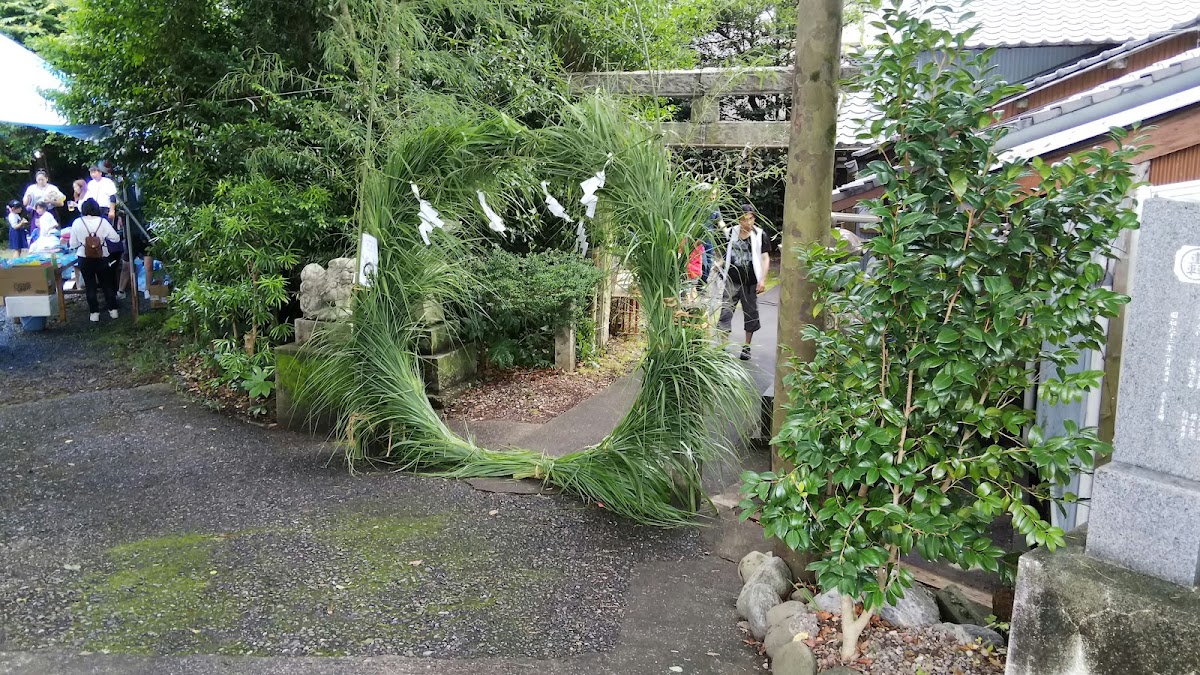
Local shrines hold various festivals throughout the year. In addition to regular festivals such as New Year’s Day festivals, spring festivals, and autumn festivals, some shrines also preserve unique local traditional events. These festivals serve as important opportunities to deepen the bonds of the local community.
Highlights of the Shrine Grounds
Shrine Buildings and Architectural Style
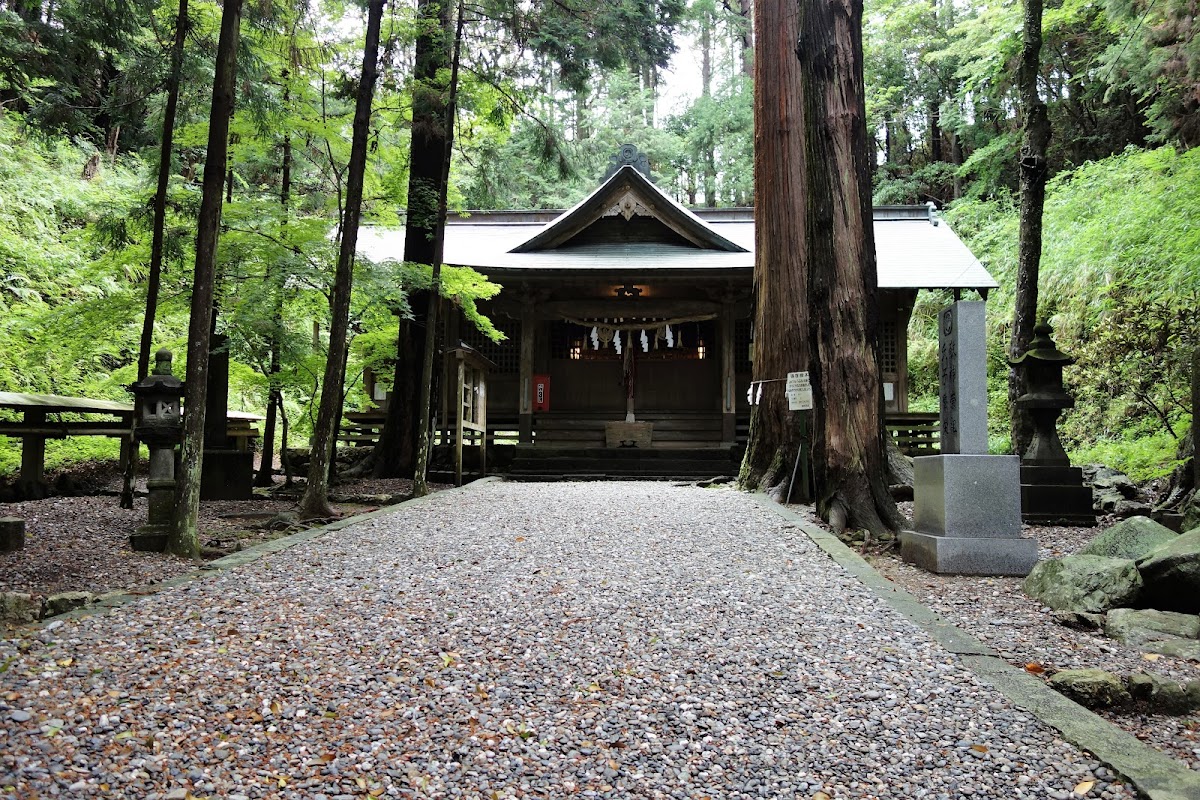
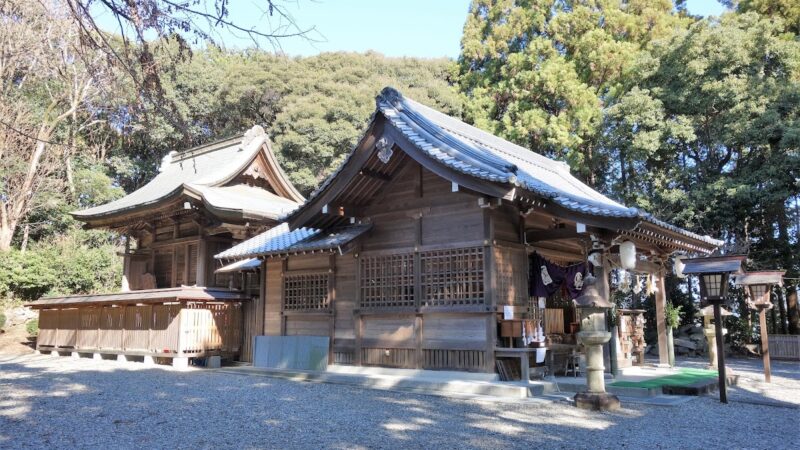
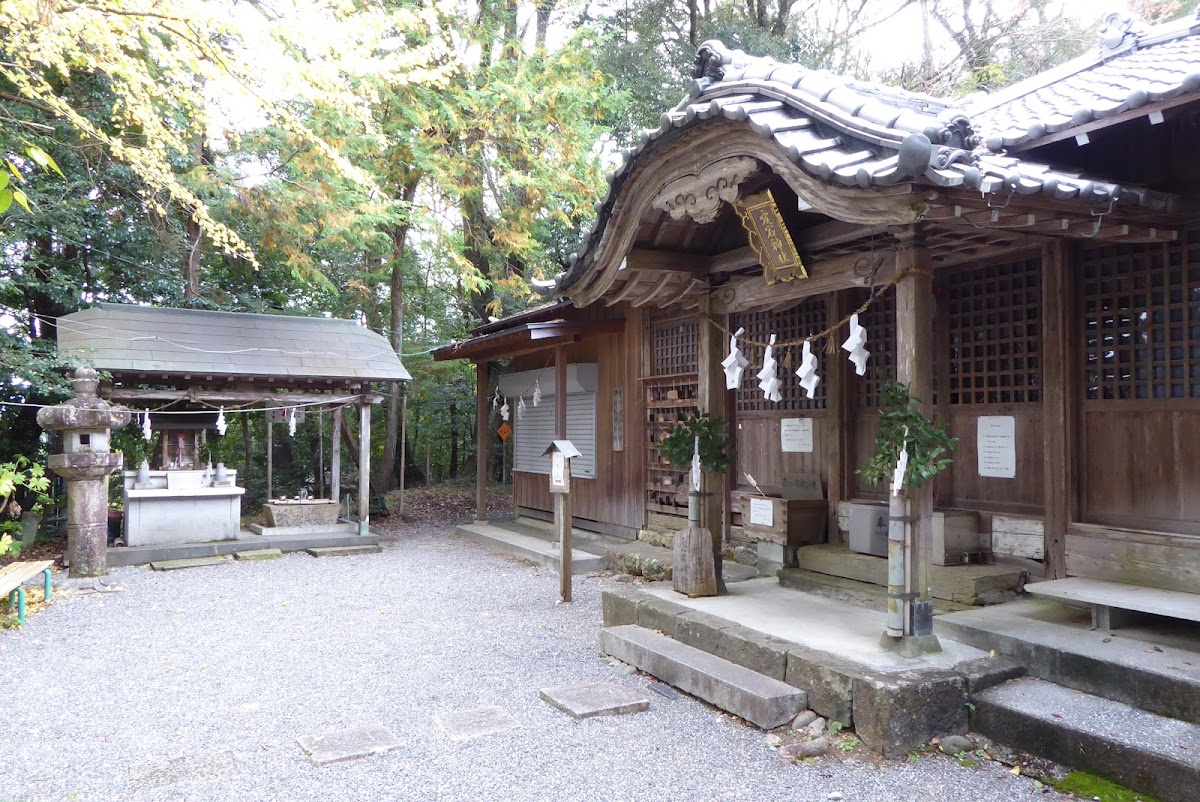
The shrine buildings of Todoroki Shrine are considered to possess characteristics of traditional Kochi Prefecture shrine architecture. Shrine architecture in Kochi Prefecture is characterized by its sturdy construction to withstand natural disasters such as typhoons and heavy rains.
Atmosphere of the Shrine Grounds
The shrine grounds offer a tranquil space away from the hustle and bustle of everyday life. As you proceed along the approach to the shrine and pass through the torii gate, you are enveloped in a sacred atmosphere. The shrine grounds are lush with trees, allowing you to experience the changing seasons.
Shrines and Subsidiary Shrines
Many shrines have subsidiary shrines and auxiliary shrines in addition to the main sanctuary. These enshrine deities closely related to the main deity or deities worshipped in the region since ancient times, demonstrating the diversity of faith within the shrine.
Access and Visiting Information
Access by Public Transportation
To access Misono-cho, Kochi City, by public transportation, you can use Tosa Electric Railway buses and trams. It is within walking distance from the nearest bus stop. It is also easily accessible from central Kochi City, making it a convenient stop for sightseeing.
Access by Car
If traveling by car, you can access the shrine from central Kochi City via national and prefectural roads. Entering “107 Misono-cho, Kochi City, Kochi Prefecture” into your car navigation system will guide you to your destination. It is recommended to check in advance whether parking is available.
Map and Surrounding Environment
The area surrounding Todoroki Shrine is a residential area of Kochi City. You can check detailed location information and surrounding facilities using map apps or online map search services. There are also shops and public facilities nearby, so you can enjoy exploring the area in addition to visiting the shrine.
Etiquette for Visiting a Shrine
The basic etiquette for visiting a shrine is to bow before the torii gate and proceed while avoiding the center of the approach. After purifying your hands and mouth at the water basin, pray in front of the main hall with two bows, two claps, and one bow. Pray quietly and calmly, offering your gratitude and wishes.
Visiting Shrines in Kochi Prefecture
Major Shrines in Kochi City
In addition to Todoroki Shrine, there are many other shrines located in Kochi City. Tosa Shrine (Shinane) is known as the Ichinomiya (first-ranked shrine) of Tosa Province and is a representative shrine of Kochi Prefecture. Shioe Tenmangu Shrine enshrines Sugawara no Michizane, the god of learning, and is visited by many students and those praying for academic success. Asamine Shrine is known for its blessings of safe childbirth and fertility.
Kochi Prefecture Shrine Association and Prefectural Shrine Network
The Kochi Prefecture Shrine Association oversees shrines throughout the prefecture, supporting their maintenance, training of Shinto priests, and the continuation of religious rites. The Kochi Prefecture Shrine Association’s website allows you to search for a list of shrines in Kochi Prefecture and check basic information and access methods for each shrine.
Tips for Shrine Visits
When visiting shrines in Kochi Prefecture, researching the history and characteristics of each shrine’s enshrined deity beforehand will lead to a deeper understanding and appreciation. Those collecting Goshuin (shrine stamps) should bring their Goshuincho (stamp book) and politely request them from the shrine staff. Also, visiting some shrines on special festival days can offer a different atmosphere than usual.
Kochi Prefecture’s Shrine Culture and Local Beliefs
History of Tosa and Shrines
The shrine culture of Kochi Prefecture (formerly Tosa Province) has been shaped by ancient forms of belief and the influence of the samurai government, particularly the Tosa Domain, from the medieval period onward. The Yamauchi family, the lords of the Tosa Domain, protected shrines and promoted their development within their territory.
Nature Worship and Shrines
Kochi Prefecture faces the Pacific Ocean and, due to its mountainous terrain, has a strong tradition of worshipping nature, including the sea, mountains, and rivers. The name “Todoroki” (轟) also expresses the sound of water and the power of nature, suggesting a connection to nature worship.
Festivals and Local Communities
Shrine festivals are important opportunities for local residents to gather together. Through the preparation and operation of the festivals, intergenerational exchanges are fostered, strengthening community bonds. Even in today’s increasingly urbanized world, shrines continue to play a vital role as the core of local communities.
The Significance and Modern Value of Shrine Visits
Peace of Mind and Spirituality
Visiting a shrine is a precious time to escape from daily life and calm the mind. In the tranquil atmosphere of the shrine grounds, one can reflect on oneself and renew feelings of gratitude. The value of shrines as a place to be released from the stresses of modern society is being re-recognized.
Preservation of Traditional Culture
Shrines are important places that convey Japan’s traditional culture to the present day. Architectural styles, ritual practices, and annual events—the culture cultivated over a long history is condensed within shrines. Visiting a shrine allows one to experience this traditional culture and fosters an awareness of passing it on to future generations.
A Window to Local History
The history of a shrine, the stone monuments and records within the grounds are valuable sources of information about the history of the region. Knowing who protected the shrine and what wishes they held for it deepens one’s understanding of and affection for the region.
Kochi Prefecture Shrine Database and Information Search
Utilizing the Shrine Register
The Kochi Prefecture Shrine Register is an important document recording detailed information about shrines within the prefecture. It includes the official name, location, enshrined deity, history, and grounds of each shrine, making it an indispensable source of information for shrine research and local history research.
Online Information Search
Nowadays, you can easily search for shrine information using the internet. The Kochi Prefecture Shrine Association website provides a list of shrines in the prefecture and allows access to basic data for each shrine. Furthermore, you can easily find directions to shrines using map apps and navigation services.
Data Reliability and Verification
When searching for shrine information, it is important to use reliable sources such as official websites and the Shrine Association. Basic data such as corporate numbers and official addresses can also be checked in the Agency for Cultural Affairs’ Religious Corporation Database. Before visiting, it is recommended to check the latest information and confirm the dates of festivals and any special events.
Nearby Attractions and Tourist Information
Tourist Spots in Kochi City
In addition to visiting Todoroki Shrine, you can explore other tourist spots in Kochi City. Kochi Castle is one of the 12 remaining original castles in Japan and a famous castle built by Yamauchi Kazutoyo. The Sunday Market is a street market with a history of over 300 years where you can buy fresh local vegetables and specialty products.
Kochi’s Cuisine
Kochi Prefecture is known for its rich food culture. Katsuo no Tataki is a representative local dish of Kochi, made by searing fresh bonito and serving it with condiments. Sarabachi cuisine is a Tosa banquet dish, where colorful dishes are served on large platters. Tosa sake is also a highly regarded sake throughout Japan.
Seasonal Activities
Kochi Prefecture has a mild climate, making it enjoyable for sightseeing throughout the year. In spring, there are many famous cherry blossom viewing spots, and in summer, you can enjoy marine sports on the beaches of the Pacific Ocean. Autumn is characterized by its beautiful autumn foliage, and winter is characterized by its mild and pleasant climate. Combine your visit to the shrine with experiencing the seasonal charms of Kochi.
Summary
Todoroki Shrine, located in Misono-cho, Kochi City, Kochi Prefecture, is an important shrine that conveys the history and faith of the region to the present day. It is officially registered with corporate number 8490005001193 and belongs to the Kochi Prefectural Shrine Association. As one of the 11 Todoroki Shrines nationwide, it has served as a spiritual anchor for the local residents.
Visiting a shrine is a valuable opportunity to find peace of mind and to experience the history and traditional culture of the region. In addition to Todoroki Shrine, there are many other shrines in Kochi City, each with its own unique history and beliefs. You can find detailed information about shrines in the prefecture by using the Kochi Prefectural Shrine Association website and the Shrine Register.
When you visit Kochi, be sure to visit Todoroki Shrine and experience the history and culture of the region. The time spent calming your mind in the tranquil grounds and offering daily gratitude will surely be a memorable experience. ## Frequently Asked Questions (FAQ)
Q1: What is the exact address of Todoroki Shrine?
A1: The address of Todoroki Shrine is “107 Misono-cho, Kochi City, Kochi Prefecture,” and the postal code is 〒780-0034. The registered corporate number is 8490005001193.
Q2: How do I get to Todoroki Shrine?
A2: If using public transportation from central Kochi City, you can use Tosaden Kotsu buses or trams. If traveling by car, entering “107 Misono-cho, Kochi City, Kochi Prefecture” into your car navigation system will guide you. We recommend checking detailed access information on a map app beforehand.
Q3: Are there other shrines named Todoroki Shrine?
A3: Yes, there are 11 shrines named Todoroki Shrine throughout Japan. Each shrine is located in a different region and has its own unique history and beliefs.
Q4: Where can I find information about other shrines in Kochi Prefecture?
A4: You can search for a list of shrines in the prefecture on the Kochi Prefecture Shrine Association website. Also, the Kochi Prefecture Shrine Register, a historical document, contains detailed information about each shrine.
Q5: What are the basic manners for visiting a shrine?
A5: Bow once before the torii gate and proceed while avoiding the center of the approach. After purifying your hands and mouth at the water basin, pray in front of the main hall using the two bows, two claps, and one bow ritual. It is important to pray quietly and with a calm mind.
Q6: Are there any other famous shrines in Kochi City?
A6: Kochi City has many shrines, including Tosa Shrine (the Ichinomiya of Tosa Province), Shioe Tenmangu Shrine (the god of learning), and Asamine Shrine (for safe childbirth and fertility). Each has its own unique characteristics and is worth visiting.
Q7: Can I get a Goshuin (shrine stamp)?
A7: The availability of Goshuin varies from shrine to shrine. For information regarding Goshuin at Todoroki Shrine, we recommend contacting the shrine directly or checking during your visit.
Q8: When are shrine festivals held?
A8: The dates of shrine festivals vary from shrine to shrine. Generally, spring festivals, autumn festivals, and New Year’s Day festivals are held. For detailed festival schedules, please contact the Kochi Prefecture Shrine Association or the shrine directly.