Complete Guide to Kochi Prefecture Gokoku Shrine: The War Heroes’ Shrine on Mt. Godai, Enshrining Sakamoto Ryoma and Other Patriots of the Late Edo Period
Kochi Prefecture Gokoku Shrine is a war heroes’ shrine located in Kyūe, Kochi City, Kochi Prefecture. It enshrines over 41,700 spirits of those from Kochi Prefecture or those with connections to the prefecture who sacrificed their lives for the nation and the public from the end of the Edo period to the Greater East Asia War (Pacific War), including the “Four Heavenly Kings of the Meiji Restoration”—Sakamoto Ryoma, Takechi Hanpeita, Nakaoka Shintarō, and Yoshimura Toratarō—known as patriots of the Meiji Restoration. The shrine enjoys deep reverence from the people of Kochi Prefecture.
Located on the western edge of Mt. Godai, on a hill near the mouth of the Kokubu River, this shrine boasts spacious grounds and a magnificent main hall, making it a special sacred site deeply intertwined with the history of Kochi Prefecture.
History of Kochi Prefecture Gokoku Shrine
Origins and the Oshima Cape Shrine Era
The history of Kochi Prefecture Gokoku Shrine dates back to 1868 (Meiji 1). It began when Yamauchi Toyonori, the lord of the Tosa Domain, established the shrine at the domain school, Kochi Chidokan, to enshrine the spirits of 105 samurai who died in battle during the eastern expedition, including the Jinshōtai.
Initially called “Oshima Cape Shrine,” it was established as a place to commemorate those who died in the Boshin War from the Tosa Domain. During the turbulent period of the Meiji Restoration, many Tosa samurai participated in the eastern expedition as part of the new government army, and the shrine played an important role in enshrining the spirits of those who lost their lives in the process.
Renaming to Kochi Shokonsha Shrine
On June 29, 1869 (Meiji 2), following a decree from the Grand Council of State authorizing the establishment of Shokonsha shrines throughout the country, Oshima Misaki Shrine was renamed “Kochi Shokonsha Shrine.” This strengthened its character as an official Shokonsha shrine, moving beyond being merely a domain facility.
Subsequently, as the number of war dead from Kochi Prefecture increased during the First Sino-Japanese War (1894-1895) and the Russo-Japanese War (1904-1905), the number of enshrined war dead also grew.
Renaming to Kochi Prefecture Gokoku Shrine and Designation as a Special Gokoku Shrine
In March 1939 (Showa 14), the shrine was renamed “Kochi Prefecture Gokoku Shrine” by designation of the Minister of Home Affairs, becoming a Special Gokoku Shrine. This coincided with the period when all Shokonsha shrines nationwide were renamed Gokoku Shrines, and it was positioned as a central facility for commemorating war dead under the State Shinto system.
During the Pacific War (Greater East Asia War, 1941-1945), many more people from Kochi Prefecture lost their lives on the battlefield, and the number of war dead enshrined here increased significantly.
Post-War Development and Designation as a Special Shrine
After the war, following Japan’s defeat in 1945, the State Shinto system was dismantled, and Gokoku Shrines were re-established as religious corporations. Kochi Prefecture Gokoku Shrine also became an independent religious corporation and has been maintained with the support of bereaved families and the people of Kochi Prefecture.
On July 1, 1966, it was added to the list of Special Shrines of the Association of Shinto Shrines, establishing its status as a nationally important shrine. Special Shrines are historically significant shrines designated by the Association of Shinto Shrines, and within Kochi Prefecture, it is recognized as a shrine of high status, along with Tosa Shrine and Shioe Tenmangu Shrine.
Currently, the shrine holds annual festivals, including the spring and autumn grand festivals, and welcomes many worshippers as a place to honor the spirits of the war dead and offer prayers for peace.
Deities Enshrined
The deities enshrined at Kochi Prefecture Gokoku Shrine number over 41,700. Among them, the following four are particularly famous, known as the “Four Heavenly Kings of the Meiji Restoration Patriots.”
The Four Heavenly Kings of the Meiji Restoration Patriots
Takechi Hanpeita no Mikoto
A patriot who formed the Tosa Loyalist Party and led the Sonno Joi (Revere the Emperor, Expel the Barbarians) movement. After the political upheaval of August 18, 1863, he became embroiled in political strife within the Tosa Domain and committed seppuku (ritual suicide) in 1865.
Sakamoto Ryoma
A hero of the late Edo period who played a key role in mediating the Satsuma-Choshu Alliance and achieving the restoration of imperial rule. He was assassinated at the Omiya Inn in Kyoto on November 15, 1867. He remains one of the most beloved historical figures in Japan, and continues to live on in the hearts of many.
Nakaoka Shintaro
He served as the commander of the Rikuentai (a military unit) and contributed to the formation of the Satsuma-Choshu Alliance alongside Sakamoto Ryoma. He was attacked in the same Omiya Incident as Ryoma and died two days later.
Yoshimura Torataro
A loyalist and anti-foreign activist who led the Tenchugumi Incident. He raised an army in Yamato Province in 1863 but was defeated and killed in battle.
These Four Heavenly Kings are representative figures of the late Edo and Meiji Restoration periods, born in Kochi Prefecture, and are a source of pride for the people of the prefecture.
Other Deities Enshrined
In addition to the Four Heavenly Kings, the following heroic spirits are also enshrined here.
- Samurai who died in the Eastern Campaign: Samurai from the Tosa Domain who fought and died as part of the New Government Army during the Boshin War.
- Sino-Japanese War Dead: People from Kochi Prefecture who died in the Sino-Japanese War (1894-1895).
- Russo-Japanese War Dead: People from Kochi Prefecture who died in the Russo-Japanese War (1904-1905).
- World War I War Dead: People who perished in connection with World War I (1914-1918).
- Manchurian Incident/Sino-Japanese War Dead: People who died in battles on the continent from 1931 onwards.
- War Dead of the Greater East Asia War (Pacific War): Those from Kochi Prefecture who died in the Pacific War (1941-1945).
These heroic spirits, though from different eras and battlefields, are all equally revered as individuals who sacrificed their precious lives for the nation and the public good.
Shrine Grounds Guide
Shrine Name Marker and Navy Tower
At the entrance to Kochi Prefecture Gokoku Shrine stands a magnificent shrine name marker, next to which stands a large “Navy Tower.” This tower is a monument commemorating those from Kochi Prefecture who served in the Navy and died in the Pacific War, conveying the shrine’s profound history even before entering the grounds.
Approach to the Shrine
Passing through the shrine name marker, a stone-paved approach continues. The approach is a gentle uphill slope, lined with trees on both sides, creating a solemn atmosphere. In spring, the cherry blossoms bloom beautifully, delighting visitors. The shrine grounds are sunny and spacious.
Kaitaku Shrine (Shrine within the grounds)
As you ascend the approach to the main shrine, you will find the Kaitaku Shrine on your right. This shrine enshrines over 2,000 Japanese settlers from Kochi Prefecture who perished in Manchuria.
After the establishment of Manchukuo in 1932, many Japanese people emigrated to Manchuria (present-day northeastern China) as settlers. Many settlers from Kochi Prefecture were also sent, but with the Soviet Union’s entry into the war in August 1945, many settlers perished. The Kaitaku Shrine was established to commemorate these civilian victims.
Worship Hall and Main Shrine
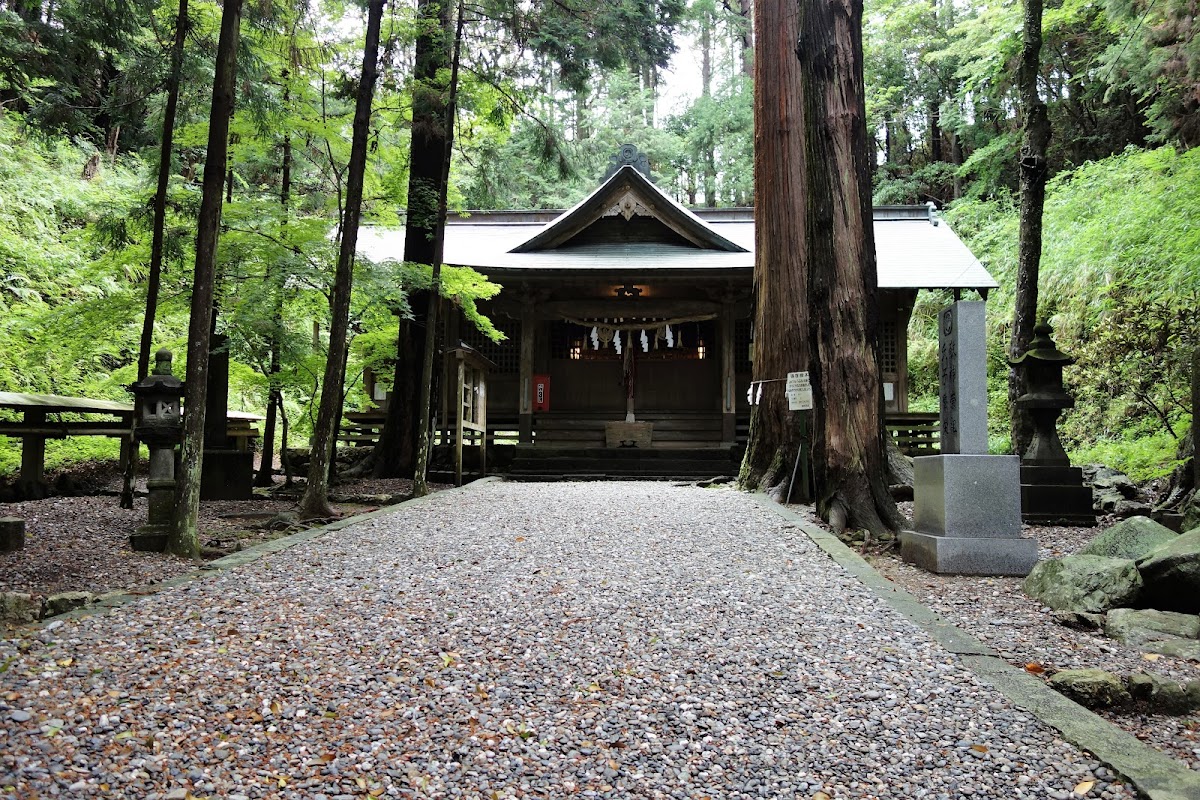
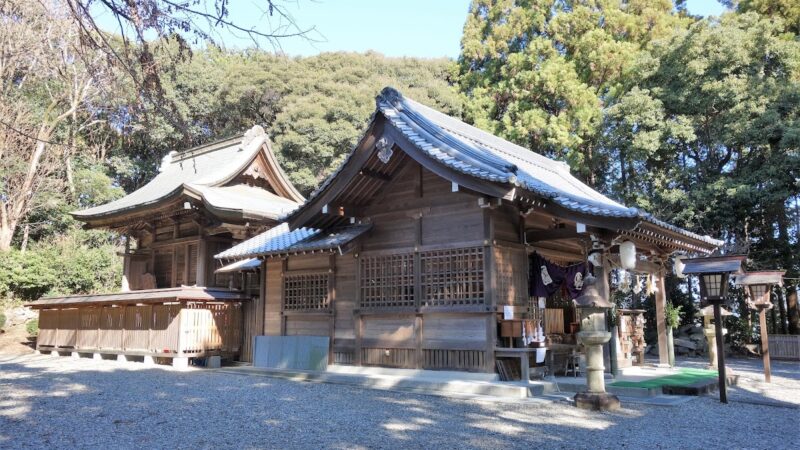
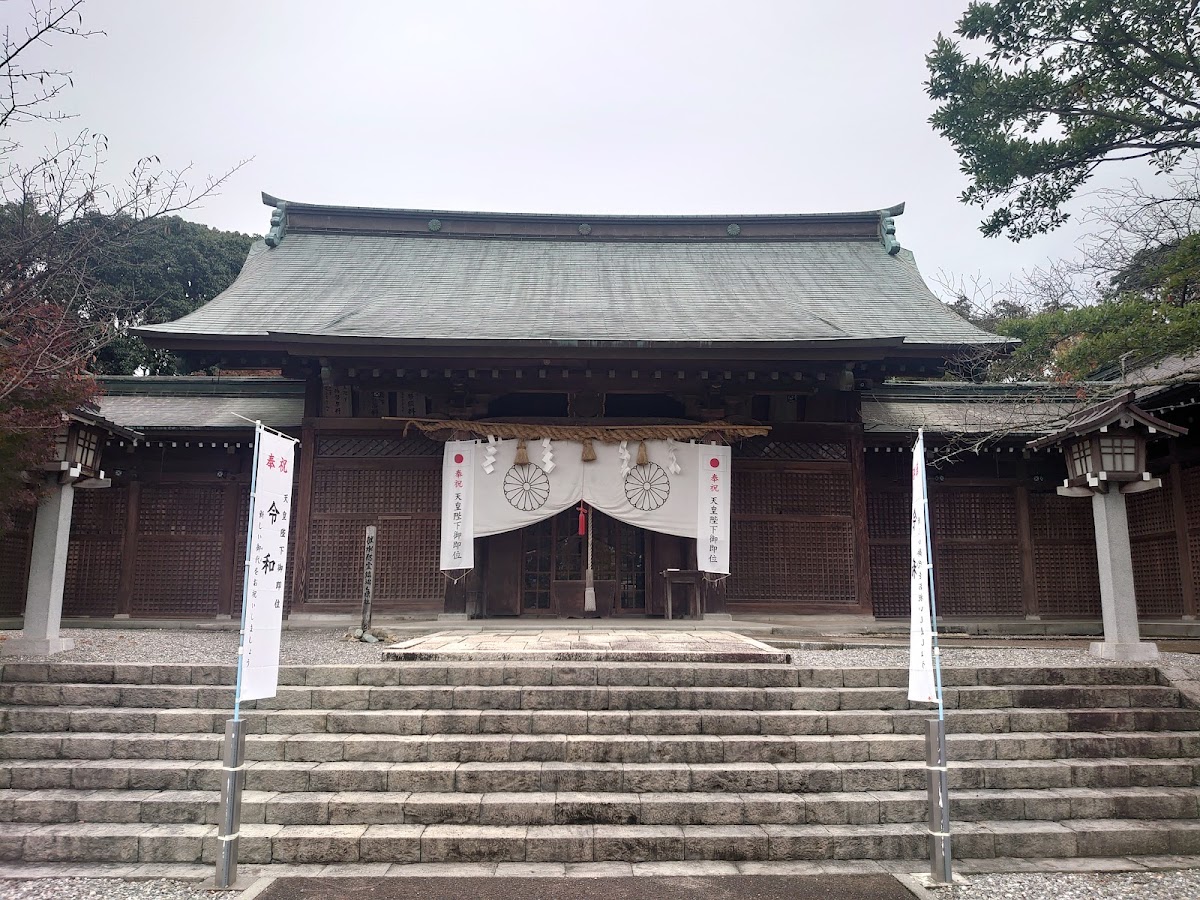
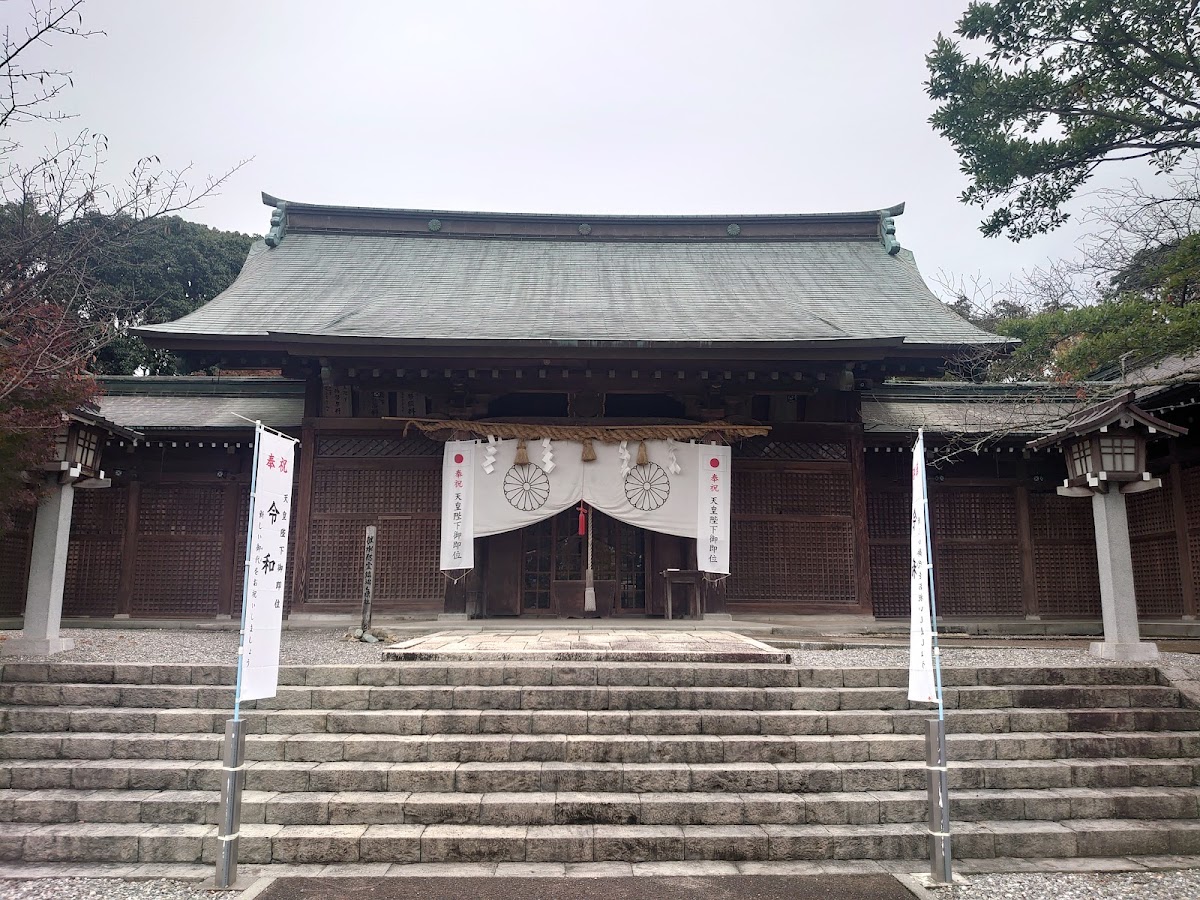
After reaching the top of the approach, you will arrive at a spacious shrine grounds. At the top of the central stone steps stands a large worship hall with wing halls on either side. The main hall is a magnificent building exhibiting the characteristics of modern shrine architecture. Behind it, surrounded by a latticework fence, stand the offering hall and the main sanctuary.
In front of the main hall is a spacious worship area, ensuring ample space even during large festivals and other events attracting many visitors.
Ema Hall (Hall of War Dead Commemoration)
To the left of the main hall (facing the shrine) is the “Ema Hall,” which also functions as the “Hall of War Dead Commemoration.” Here, exhibits detail the shrine’s history, origins, and recent festivals, allowing visitors to learn about the history of Kochi Prefecture Gokoku Shrine and the war dead enshrined there.
War relics, photographs, and letters are also on display, serving an educational role in conveying the realities of war and the preciousness of peace to future generations.
Shrine Office
To the right of the shrine grounds is the shrine office, where goshuin (shrine stamps), amulets, and ema (votive tablets) are distributed. Various prayers and blessings are also accepted here.
Parking and Restrooms
The shrine grounds have a large parking lot, making it convenient for visitors arriving by car. Clean restrooms are also available, demonstrating thoughtful consideration for visitors.
Main Festivals and Events
Kochi Prefecture Gokoku Shrine holds various festivals and events throughout the year.
Spring Grand Festival
Held annually from late April to early May, the Spring Grand Festival is one of the most important festivals at Kochi Prefecture Gokoku Shrine. This festival offers gratitude and respect to the spirits of the war dead and prayers for peace. Many visitors, including bereaved families, attend.
Autumn Grand Festival
The Autumn Grand Festival is also an important festival, held annually from mid-to-late October. Similar to the Spring Grand Festival, a solemn Shinto ritual is performed, offering gratitude to the war dead.
Monthly Festival
Monthly festivals are held on the 1st and 15th of each month, offering gratitude for daily life and prayers for peace.
New Year’s Visit
Many visitors come for their first shrine visit of the year during the first three days of January. The shrine is bustling with worshippers praying for peace and safety in the new year.
Other Festivals
- Memorial Service for the End of the War (August 15th): A memorial service is held to commemorate the end of the war.
- Mitama Festival: A festival to honor the war dead is sometimes held in the summer.
- Various Prayers: General shrine services such as exorcism, Shichi-Go-San (children’s festival), and safety prayers are accepted at any time.
Access Information
Location
213 Kyūe, Kochi City, Kochi Prefecture 781-8126
Telephone Number
TEL: 088-882-2760
FAX: 088-882-2762
*Please call for prayers and inquiries.
Access by Car
Approximately 15 minutes by car from Kochi IC on the Kochi Expressway. Parking is available on the shrine grounds.
Located on the western edge of Mt. Godai, access from Kochi city center is generally via the road along the Kokubu River.
Access by Public Transportation
Bus
Get off at the “Gokoku Jinja-mae” bus stop on the Tosa Electric Railway Bus, approximately 3 minutes on foot.
Tram
Get off at the “Katsushimabashi Higashizume” tram stop on the Tosa Electric Railway Tram, approximately 25 minutes on foot.
*Since it’s a bit of a distance from the tram stop, using the bus is recommended.
Admission Fee and Visiting Hours
- Admission Fee: Free
- Visiting Hours: Grounds are freely accessible (please check the reception hours of the shrine office)
- Holidays: Open every day
Nearby Attractions
There are many other attractions around Mt. Godai, where Kochi Prefecture Gokoku Shrine is located.
Chikurinji Temple
An ancient Shingon Buddhist temple located on the mountainside of Mt. Godai, and the 31st temple of the Shikoku 88 Temple Pilgrimage. Known for its beautiful garden and five-story pagoda.
Kochi Prefectural Makino Botanical Garden
Located near the summit of Mt. Godai, this botanical garden was established in memory of Dr. Tomitaro Makino, a botanist from Kochi Prefecture. Visitors can enjoy plants of all seasons.
Katsurahama Beach
A representative scenic spot in Kochi, famous for its statue of Ryoma Sakamoto. It’s about a 20-minute drive from Gokoku Shrine.
Points to Note When Visiting
Attire and Mindset
Since Kochi Prefectural Gokoku Shrine is a shrine dedicated to war dead, please dress and behave respectfully when visiting. Formal attire is especially desirable when attending important festivals such as the annual grand festival.
Photography
Photography is generally permitted on the shrine grounds, but please refrain from taking photos during religious ceremonies or of exhibits inside the ema hall, or obtain permission beforehand.
Goshuin (Shrine Seal)
You can receive a goshuin (shrine seal) at the shrine office. You can bring your own goshuincho (seal book) or purchase one at the shrine. ## The Significance of Kochi Prefecture Gokoku Shrine
Kochi Prefecture Gokoku Shrine is not merely a tourist attraction; it plays a crucial role in conveying the history of war and passing on the preciousness of peace to future generations.
Sakamoto Ryoma and the other four leading figures of the Meiji Restoration are the pride of the people of Kochi Prefecture and individuals who greatly contributed to Japan’s modernization. Furthermore, those who died in the wars from the Sino-Japanese War and the Russo-Japanese War to the Pacific War sacrificed their lives in response to the demands of the times, and we must not forget that the peace we enjoy today is built upon their sacrifices.
Visiting Kochi Prefecture Gokoku Shrine provides an opportunity to express gratitude to these war heroes and to reflect anew on the tragedy of war and the importance of peace.
Summary
Kochi Prefecture Gokoku Shrine is a representative Gokoku Shrine of Kochi Prefecture, enshrining over 41,700 war heroes, including the four leading figures of the Meiji Restoration: Sakamoto Ryoma, Takechi Hanpeita, Nakaoka Shintaro, and Yoshimura Torataro.
Since its founding in 1868 (Meiji 1), Kochi Prefecture Gokoku Shrine has played a vital role for over 150 years as a spiritual center for the people of Kochi Prefecture and as a central facility for commemorating those who died in war. Situated in a scenic location on the western edge of Mt. Godai, it boasts spacious grounds and a magnificent shrine building.
When visiting Kochi City, be sure to pay your respects at Kochi Prefecture Gokoku Shrine and experience the history of Kochi and the feelings of the people who lived there. It is especially beautiful during the cherry blossom season in spring and highly recommended.
While there are no admission fees and the shrine is open to visitors at any time, it is important to remember to show respect to the war dead and pray quietly and sincerely. You can also obtain a Goshuin (shrine stamp) at the shrine office, so those collecting Goshuin should definitely visit.