Katsurakio Shrine (Kochi Prefecture) Complete Guide | A Thorough Explanation of the History, Deities, and Access Information of this Shikinaisha Shrine
Table of Contents
- Overview of Katsurakio Shrine
- About the Deities
- History and Origins of Katsurakio Shrine
- About the Joint Enshrinement with Katsurakime Shrine
- Highlights and Features of the Shrine Grounds
- Access and Visiting Information
- Relationship between the Katsuragi and Nushi Clans
- Related Shrines in the Surrounding Area
Overview of Katsurakio Shrine
Katsurakio Shrine (also known as Kazuraki no Ojinja) is a Shikinaisha shrine located at 1358 Nushida, Kochi City, Kochi Prefecture. It is an ancient shrine identified as “Katsurakio Shrine, Tosa District, Tosa Province” listed in the Engishiki Jinmyocho (a list of shrines compiled in the Heian period), and its former rank was that of a village shrine.
The shrine is located north of the Kokubu River, near the border with Nankoku City. The Kochi Prison is located on the hillside behind the shrine, so caution is advised when visiting. Approaching from the Kokubugawa River side, you will find a torii gate and stairs, beyond which lies the shrine grounds.
In the early modern period, it was also known as Takayui Daimyojingu, Takatama Daimyojingu, and Takayui-sha, and has been a center of local faith. In 1972, the Katsurakihime Shrine (formerly a village shrine), also a Shikinaisha (a shrine listed in the Engishiki), was merged with this shrine, and it remains so to this day.
About the Deities
The deities enshrined at Katsurakio Shrine are the following three:
Takamimusubi-no-kami
Takamimusubi-no-kami is one of the three creation gods in Japanese mythology, a god who appeared in Takamagahara at the time of the creation of heaven and earth. “Musubi” means generation and creation, symbolizing the power to give birth to all things. This deity was revered as the ancestral god by the Katsuragi clan and is enshrined as the principal deity at Katsuragi-no-Otoko Shrine.
Katsuragi-no-Otoko-no-Okami
Katsuragi-no-Otoko-no-Okami is considered the male-line ancestral god of the Katsuragi clan, an ancient powerful family based in the Katsuragi region (present-day Gose City, Nara Prefecture). The Katsuragi clan wielded considerable power within the Yamato court and, around the 5th century, wielded political influence through marital ties with the imperial family.
Katsuragi-no-Sotsuhiko-no-Mikoto
Katsuragi-no-Sotsuhiko-no-Mikoto is a figure who appears in the *Nihon Shoki* and *Kojiki* and is considered the ancestor of the Katsuragi clan. He is believed to have been active from the late 4th to the early 5th century and is said to have participated in expeditions to the Korean Peninsula. His daughter, Iwanohime-no-Mikoto, became the empress of Emperor Nintoku, solidifying the power of the Katsuragi clan.
These enshrined deities are all gods associated with the Katsuragi clan, who were based in the Gose City area of Nara Prefecture, and serve as important evidence of the Katsuragi clan’s influence in Tosa Province.
History and Origins of Katsuragi-o Shrine
Founding Date and Status as a Shikinaisha Shrine
The founding date of Katsuragi-o Shrine is unknown, but it is listed as “Katsuragi-o Shrine, Tosa District, Tosa Province” in the Engishiki Jinmyocho (927 AD), compiled in the early Heian period, suggesting that it was founded at least before the 10th century. Shikinaisha shrines were prestigious shrines officially recognized by the imperial court at the time and were important centers of worship in the region.
History as Takayui Daimyojin Shrine
In the early modern period, it was known by names such as Takayui Daimyojin Shrine, Takatama Daimyojin Shrine, and Takayui-sha. The name “Takayui” is thought to originate from “Taka” and “Musubi” (binding/connection) of Takamimusubi-no-kami. These names appear in Edo period geographical records and documents, suggesting that the shrine was deeply revered by the local people.
Changes Since the Meiji Era
Due to the Meiji-era reform of the shrine system, Katsuragi-Otoko Shrine was ranked as a Gosha (village shrine). In the modern shrine ranking system, Gosha was positioned above village shrines and below prefectural shrines, indicating its recognition as a central shrine in the region.
In 1972 (Showa 47), Katsuragi-hime Shrine, also a Shikinaisha (shrine listed in the Engishiki), was merged with it. This merger made Katsuragi-Otoko Shrine a shrine enshrining both a “male deity” and a “female deity,” creating a more comprehensive place of worship.
About the Merger with Katsuragi-hime Shrine
History of Katsuragi-hime Shrine
Katsuragi-hime Shrine was a Shikinaisha listed in the Engishiki Jinmyocho (a list of shrines compiled in the Heian period) as “Katsuragi-hime Shrine, Tosa Province, Tosa District.” The former shrine rank was Village Shrine, and it is believed to have enshrined the female ancestral deity of the Katsuragi clan, as a counterpart to Katsuragi Otoko Shrine.
History and Significance of the Merger
The merger in 1972 (Showa 47) was carried out against the backdrop of shrine maintenance and changes in local religious practices. The merging of the two Shikinaisha shrines created a comprehensive place of worship, enshrining both male and female deities associated with the Katsuragi clan.
This merger further strengthened Katsuragi Otoko Shrine’s character as the center of Katsuragi clan worship in Tosa Province. Even today, it continues to uphold the traditions of both shrines and protects local faith.
Highlights and Features of the Shrine Grounds
Approach and Torii Gate
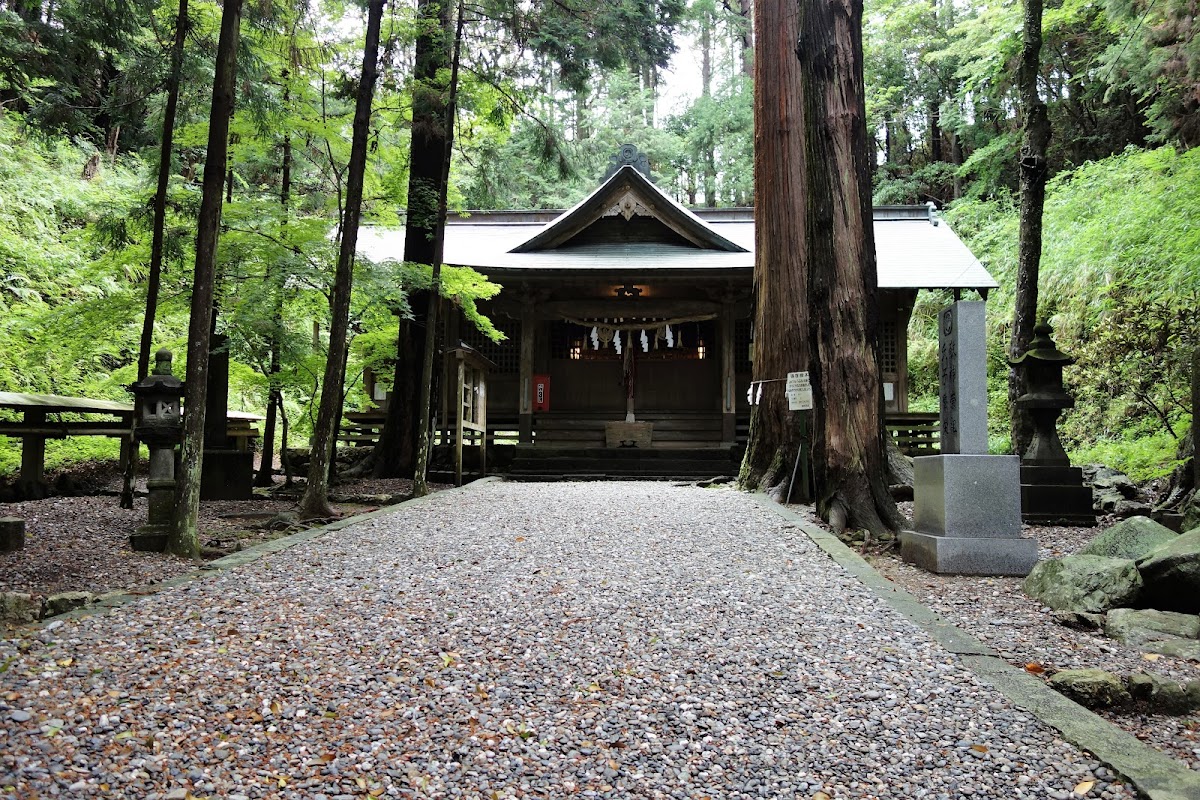
The approach to Katsuragi Otoko Shrine begins at the entrance torii gate on the Kokubu River side. Passing through the torii gate and proceeding north along the approach, another torii gate and stairs appear. Climbing these stairs leads to the shrine grounds. The tranquil atmosphere of the approach to the shrine evokes a sense of its long and rich history.
Shrine Building Layout
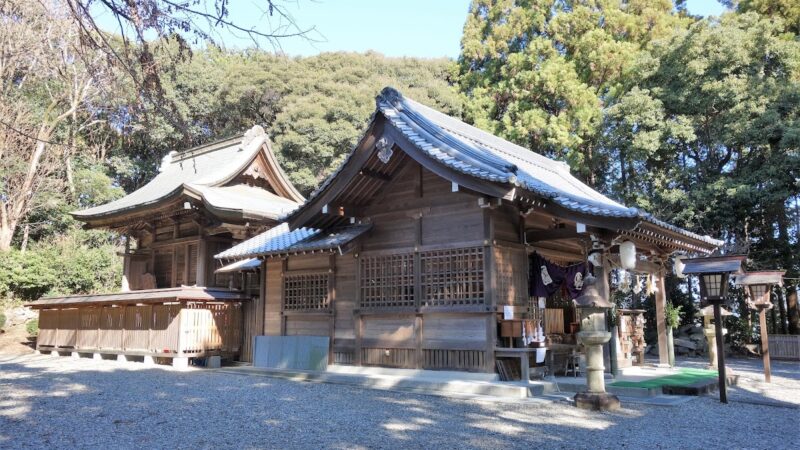
The shrine grounds feature a main hall and a worship hall, maintaining the traditional style of Shinto shrine architecture. A sacred grove surrounds the shrine, preserving a rich natural environment despite its urban location.
Back Hill and Surrounding Environment
Because Kochi Prison is located on the hill behind the shrine, caution is necessary when visiting. Access from the prison side is restricted, so be sure to visit via the official approach on the Kokubugawa River side.
Access and Visiting Information
Location
Address: 1358 Nunoshida, Kochi City, Kochi Prefecture 781-5101
Corporate Number: 1490005000978
Access by Public Transportation
- Nearest Station: Kitaura Station (approx. 18-minute walk, 1.5km)
- Ryosekidori Station: approx. 19-minute walk (1.5km)
- Tosa-Otsu Station: approx. 19-minute walk (1.6km)
- Nearest Bus Stop: Prison Bus Stop (approx. 2-minute walk, 125m)
Access by Car
Approximately 15-20 minutes by car from central Kochi City. It is recommended to check parking availability in advance. Note: When searching using a car navigation system, you may be directed to the Kochi Prison side. Please note that you cannot visit the shrine from the prison side; access should be from the Kokubugawa River side. ### Precautions When Visiting the Shrine
- Visiting the shrine is only permitted from the official approach on the Kokubugawa River side.
- Entry is not permitted from the prison side on the back hill.
- Please maintain silence and show respect while visiting the shrine grounds.
- Please be considerate of others when taking photographs.
Relationship between the Katsuragi and Nunoshi Clans
Origin of the Nunoshi Clans
The place name “Nunoshida,” where Katsuragi Otoko Shrine is located, is thought to originate from the ancient powerful clan, the Nunoshi clan. According to the “Shinsen Shōjiroku” (New Compilation of Family Names), the Nunoshi clan were descendants of Katsuragi Sotsuhiko no Mikoto and held the surname Nunoshi no Omi.
The Katsuragi Clan’s Expansion into Tosa
The Katsuragi clan was an ancient powerful clan based in Yamato Province (present-day Nara Prefecture), but their family expanded into various regions and was involved in regional development and governance. The existence of the Fushi clan in Tosa Province is important evidence that the influence of the Katsuragi clan extended as far as Shikoku.
Inheritance of Ancestral Deity Worship
It is believed that the Katsuragi-o Shrine was founded by the Fushi clan to enshrine their ancestral deities, Katsuragi-no-Sotsuhiko-no-Mikoto and Takamimusubi-no-Kami. This shrine was not merely a local guardian shrine, but rather a clan shrine dedicated to the ancestors of the clan.
The fact that the place name Fushida still exists today speaks to the significant influence of the Fushi clan in this region and the historical importance of the Katsuragi-o Shrine.
Related Shrines in the Surrounding Area
Tosa Shrine
Tosa Shrine is the Ichinomiya (first-ranked shrine) of Tosa Province, located at 2-16-1 Ichinomiya-shinane, Kochi City. It is a Myojin Taisha (a major shrine listed in the Engishiki) and, like the Katsuragi-o Shrine, is an ancient shrine listed in the Engishiki Jinmyocho (a list of shrines compiled in the Heian period). It is known as the center of Shinto worship in Tosa Province. The deities enshrined at Tosa Shrine are Ajisukitakahikone-no-kami and Hitokotonushi-no-kami, representing a different lineage of faith than that of Katsuragi-o Shrine.
Shikinaisha Shrines in Kochi Prefecture
Kochi Prefecture has 21 Shikinaisha shrines listed in the Engishiki Jinmyocho (a list of shrines compiled in the Heian period), and Katsuragi-o Shrine and Katsuragi-me Shrine, located in Tosa County, were among the most important. These Shikinaisha shrines are valuable historical legacies that indicate the political, cultural, and religious centers of ancient Tosa Province.
Shrines around the Kokubu River
Several shrines with ancient histories are located around the Kokubu River, where Katsuragi-o Shrine is situated. These shrines formed a sphere of faith in ancient Tosa Province and supported the regional spiritual culture.
Cultural and Historical Significance of Katsuragi-o Shrine
Evidence of Ancient Clan Migration
The existence of Katsuragi-o Shrine is an important example illustrating the patterns of clan migration and settlement in ancient times. The fact that a branch of the Katsuragi clan, based in Yamato Province, expanded into Tosa Province and enshrined their ancestral deity there provides a valuable clue to understanding the relationship between the central and local governments in ancient Japan.
Value as a Shikinaisha Shrine
Shikinaisha shrines, listed in the Engishiki Jinmyocho (a list of shrines compiled in the Heian period), are historically significant shrines officially recognized by the imperial court during the Heian period. Of the approximately 3,000 Shikinaisha shrines nationwide, only 21 are listed in Tosa Province, and Katsuragi-no-Otoko Shrine holds an important position as one of them.
Connection between Place Name and Shrine
The relationship between the place name “Nunoshida” and Katsuragi-no-Otoko Shrine is an interesting case in the study of place names. The structure in which a clan name remains as a place name and a clan shrine is enshrined in that place illustrates the relationship between ancient land control and faith.
Significance and Benefits of Visiting
Katsuragi Otoko Shrine enshrines Takamimusubi-no-kami, the god of creation and generation, as its main deity. Therefore, it is believed to bring benefits in business development and the achievement of new endeavors. Furthermore, Katsuragi Sotsuhiko-no-mikoto is known as a figure of great martial prowess, and is believed to bestow divine blessings in victory and overcoming difficulties.
With the enshrinement of Katsuragi Me Shrine, the shrine has become a symbol of harmony between male and female deities, and is therefore also expected to bring benefits in matchmaking and family harmony.
Summary
Katsuragi Otoko Shrine is a Shikinaisha (a shrine listed in the Engishiki, an ancient Japanese legal text) located in Nunoshida, Kochi City, Kochi Prefecture. It boasts a history of over a thousand years as the center of worship for the ancient Katsuragi clan in Tosa Province. It is also known by other names such as Takamusubi Daimyojin-gu, Takamusubi Daimyojin-gu, and Takamusubi-sha, and has been revered by the local people.
In 1972, the Katsuragime Shrine was merged with this shrine, making it a comprehensive place of worship where both male and female deities associated with the Katsuragi clan are enshrined. This shrine, believed to have been founded by the Nushi clan, descendants of the Katsuragi clan who were based in the Gose City area of Nara Prefecture, to enshrine their ancestral deities, is a valuable historical legacy that illustrates the migration and settlement of clans in ancient times, as well as the relationship between the central and local governments.
Nestled in a tranquil setting north of the Kokubu River, the Katsuragiotoko Shrine continues to play its role as an important cultural asset of Kochi Prefecture and a center of local faith. When visiting Kochi City, why not pay your respects at this historic shrine and reflect on the history of faith that has continued since ancient times?