Kada Kasuga Shrine (Wakayama Prefecture) Complete Guide | History, Important Cultural Properties, Goshuin (Shrine Seals), and Access Information
Kada Kasuga Shrine, located in Kada, Wakayama City, Wakayama Prefecture, is a historic shrine situated on the western tip of the Kii Peninsula, overlooking Tomogashima Island. This shrine boasts a main hall designated as a National Important Cultural Property and a rich history stretching from the legend of Emperor Jimmu’s eastern expedition through the medieval and early modern periods. This guide provides a detailed introduction to this shrine.
Overview of Kada Kasuga Shrine
Kada Kasuga Shrine is located at 1343 Kada, Wakayama City, Wakayama Prefecture. Its former shrine rank was Village Shrine. The area of Kada, overlooking the Kitan Strait, has long been known as a key point for maritime traffic, and this shrine has also developed in close connection with the sea.
The current shrine building was constructed in 1596 during the Azuchi-Momoyama period. Due to its architectural value, it was designated a former National Treasure in 1931, and subsequently re-designated a National Important Cultural Property under the Cultural Properties Protection Law after World War II.
Deities and Beliefs
Kada Kasuga Shrine enshrines multiple deities, and the composition of these deities reflects the historical changes of the shrine.
Main Deities
- Amenokoyane-no-Okami
- Takemikazuchi-no-Okami
- Futsunushi-no-Okami
- Amaterasu-Omikami
- Sumiyoshi-no-Okami
The three Kasuga shrines (Amenokoyane-no-Okami, Takemikazuchi-no-Okami, and Futsunushi-no-Okami) are known as the tutelary deities of the Fujiwara clan. Amaterasu-Omikami is worshipped as the supreme deity of Japan, and Sumiyoshi-no-Okami is worshipped as the guardian deity of seafaring. This composition of deities reflects the historical background of the shrine.
History of Kada Kasuga Shrine
Founding Legend
The exact founding date of Kada Kasuga Shrine is unclear, but according to the “Kii no Kuni no Miyatsuko Kyuuki” (Old Records of the Kii Province Governor’s Family), there is an ancient legend dating back to Emperor Jimmu’s eastern expedition. It is said that Amenomichine no Mikoto, the ancestor of the Kii no Kuni no Miyatsuko clan, landed at Kadaura carrying two sacred treasures, a sacred mirror and a sun spear, and built a temporary palace to enshrine Amaterasu Omikami.
Regardless of whether this legend is historically accurate, it suggests that the Kada area functioned as an important port from ancient times and was recognized as a sacred place.
Changes in the Medieval Period
According to the “Kii Zoku Fudoki” (Continued Topographical Records of Kii Province), compiled during the Edo period, the shrine was initially dedicated to Amaterasu Omikami, but changes occurred in the medieval period. First, Sumiyoshi Shrine was enshrined here. Later, during the Kagen era (1303-1317), when Hino Saemon Fujiwara Mitsufuku ruled this region, he enshrined the three Kasuga shrines, the ancestral deities of the Fujiwara clan.
This enshrinement led to the shrine being called “Kasuga Shrine,” forming the foundation of the present-day Kada Kasuga Shrine. This transformation is a prime example of the expansion of samurai rule in the medieval period and the custom of rulers inviting their own tutelary deities to their communities.
Development in the Early Modern Period
The current shrine building was constructed in 1596 by Kuwayama Shuri-no-suke Masahide (Kuwayama Shigeharu). Kuwayama Shigeharu was a retainer of Hashiba Hidenaga and served as the Wakayama Castle governor, playing an important role in the administration of Kii Province under the Toyotomi regime.
Due to its construction during this period, Kada Kasuga Shrine is preserved to this day as an excellent example of shrine architecture from the Azuchi-Momoyama period.
Nationally Designated Important Cultural Property: Kada Kasuga Shrine Main Hall
Architectural Style and Features
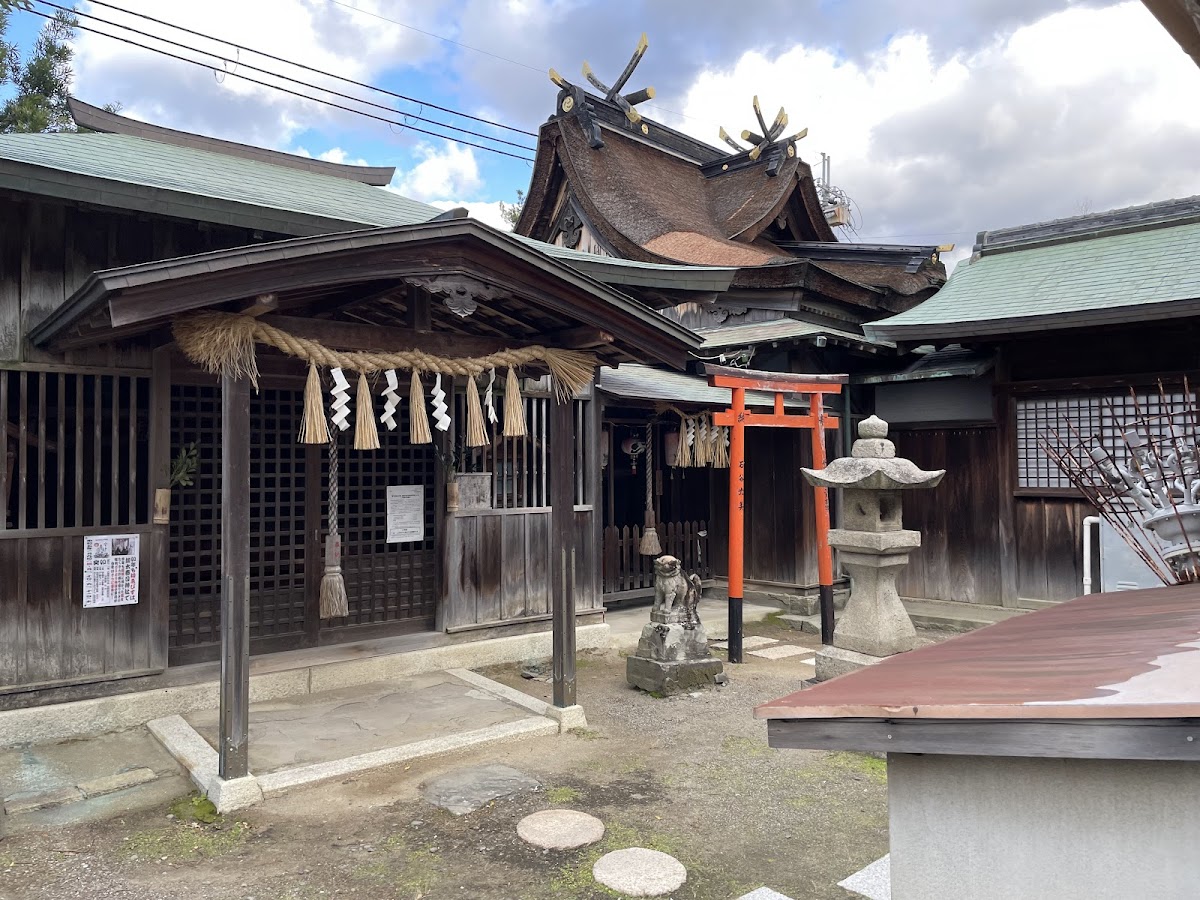
The Kada Kasuga Shrine Main Hall is a valuable structure that strongly retains the characteristics of shrine architecture from the Azuchi-Momoyama period.
Architectural Style: Ikkensha Nagare-zukuri (One-Bay Nagare-zukuri Style)
Roof: Hinoki Bark Roofing
Decoration: With Chidori-hafu and Nokikara-hafu
Year of Construction: Keicho 1 (1596)
The Ikkensha Nagare-zukuri style is a Nagare-zukuri style with a front column spacing of one bay (approximately 1.8 meters), making it a compact yet dignified shrine style. The Hinoki bark roof forms soft curves, and the Chidori-hafu and Nokikara-hafu give the building a sense of depth and splendor.
Sculptures Unique to a Seaside Shrine
The most distinctive feature of the Kada Kasuga Shrine Main Hall is the magnificent carvings adorning various parts of its exterior. Of particular note are the carvings on the structural elements called “kaerumata” (frog-leg brackets).
While kaerumata are structural elements supporting the load above them, at Kada Kasuga Shrine they also serve a decorative role. Befitting a shrine in a seaside village, the kaerumata are carved with themes related to the sea, such as:
- Ebisu (god of fortune)
- Shellfish
- Shrimp
- Other marine life
These carvings tell the story of Kada’s prosperous port town, thriving on fishing and maritime trade, and the close connection between people’s lives and the sea. Such a clear expression of regional characteristics in shrine architecture is rare, enhancing its value as a cultural property.
History of Cultural Property Designation
The main hall of Kada Kasuga Shrine was designated a former National Treasure in 1931 (Showa 6) in recognition of its architectural and historical value. After World War II, with the enactment of the Cultural Properties Protection Law, it was re-designated as a National Important Cultural Property, a designation it retains to this day.
As one of the few remaining shrine buildings from the Azuchi-Momoyama period in Wakayama City, and as a structure with unique decorations reflecting the coastal region, it is highly regarded academically.
Highlights of the Shrine Grounds
Shrine Buildings and Grounds Layout
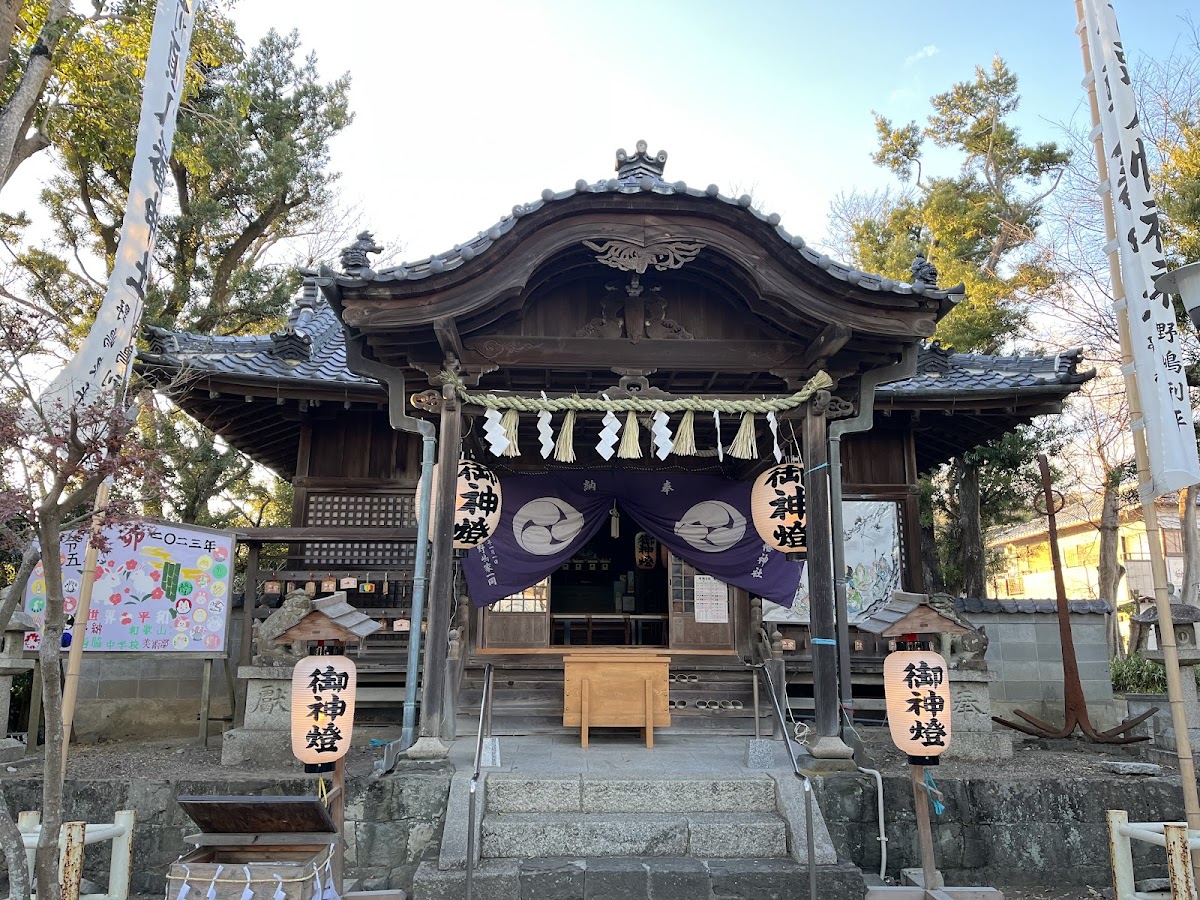
The grounds of Kada Kasuga Shrine are located on a hillside near the sea, and the approach leads up to the main hall. From the grounds, you can see the townscape of Kada and the Kitan Strait, and on clear days, you can even see Tomogashima and Awaji Island.
The main hall is protected by a protective structure, and care has been taken to preserve it as an important cultural property. Normally, you view the main hall from behind the protective structure, but you can still fully appreciate its solemn atmosphere.
Seasonal Scenery
In spring, cherry blossoms bloom on the grounds, and in autumn, the autumn leaves add color. Visiting a seaside shrine while feeling the sea breeze offers a different atmosphere from shrines in urban areas.
About Goshuin (Shrine Seals)
Kada Kasuga Shrine offers Goshuin. Many visitors receive them as a memento of their visit and as proof of their faith.
Those wishing to receive a Goshuin should inquire at the shrine office. Please note that we may not be able to accommodate requests during shrine events or when the priests are absent. Therefore, if you wish to be sure to receive a Goshuin, we recommend calling ahead to confirm.
Contact Information: 073-459-0368
Benefits and Faith
Kada Kasuga Shrine is believed to offer the following benefits based on the characteristics of its enshrined deities:
- Traffic Safety: Located at a key point for maritime traffic, it has long been a place of worship for safe travels.
- Family Safety: As it enshrines Amaterasu Omikami, it attracts worshippers praying for peace and tranquility in their homes.
- Good Fortune and Prosperity: The carving of Ebisu (god of fortune) also attracts worshippers praying for business prosperity and good fortune.
- Maritime Safety: Enshrining Sumiyoshi Omikami and located by the sea, it attracts worshippers from the fishing and shipping industries.
Access Methods
Access by Train
Nearest Station: Nankai Electric Railway Kada Line, “Kada Station”
Distance from Station: Approximately 15 minutes on foot
Transfer to the Kada Line at Nankai Main Line “Wakayama-shi Station” and get off at the last stop, “Kada Station”. From the station to the shrine, walk through the town of Kada and along the coastal road. There are signs along the way, so you are unlikely to get lost.
Access by Car
Hanwa Expressway: Approximately 30 minutes from Wakayama IC
Take National Route 26 towards Kada.
There is parking available for visitors around the shrine, but spaces are limited, so we recommend using public transportation during busy times.
Address and Contact Information
Address: 1343 Kada, Wakayama City, Wakayama Prefecture 640-0103
Phone Number: 073-459-0368
Nearby Tourist Attractions
When visiting Kada Kasuga Shrine, you can also visit nearby tourist attractions.
Awashima Shrine
Awashima Shrine, a representative tourist spot in Kada, is known for its doll memorial service. It is within walking distance of Kada Kasuga Shrine and can be enjoyed along with the beautiful coastal scenery.
Tomogashima Island
Tomogashima Island, about a 20-minute boat ride from Kada Port, is an uninhabited island with remnants of a former Japanese military fortress. In recent years, it has gained popularity as “Laputa Island.” Many tourists visiting Kada also visit Tomogashima Island.
Kada Townscape
The townscape of Kada, which retains the atmosphere of an old fishing town, is charming even just for a stroll. There are many restaurants serving fresh seafood, so you won’t have any trouble finding a meal after visiting the shrine.
Manners and Precautions for Visiting the Shrine
Basic Worship Etiquette
- Bow before passing through the torii gate
- Avoid walking in the center of the approach to the shrine
- Purify your body and mind at the water basin
- Bow twice, clap twice, and bow once in front of the main hall
Photography
Photography is generally permitted on the shrine grounds, but since the main hall is an important cultural property, care should be taken not to get too close for its preservation. Also, please be considerate of other worshippers.
Attire
While there are no specific dress code requirements, it is advisable to dress appropriately for a sacred place. Especially during the summer months, the sun is strong, so we recommend bringing a hat or parasol.
Annual Events
Kada Kasuga Shrine holds various festivals and events throughout the year. For information on major events, please contact the shrine directly or check their official website.
As the local guardian shrine, many worshippers visit for life’s milestones such as Hatsumode (first shrine visit of the year) and Shichi-Go-San (a traditional rite of passage for children).
Cultural Significance of Kada Kasuga Shrine
Kada Kasuga Shrine is not merely a tourist spot; it is an important cultural asset that conveys Japanese history and culture to the present day.
Value in Architectural History
As a shrine building from the Azuchi-Momoyama period, it is a valuable resource that conveys the architectural techniques and aesthetic sensibilities of that time. In particular, the decorations reflecting the coastal region hold an important position in the study of shrine architecture.
Role in Local History
As a symbol of the history of the Kada region, the shrine has been at the core of the local identity. From the legend of Emperor Jimmu’s eastern expedition to the samurai rule of the medieval period and the development of the early modern era, the history of the shrine is synonymous with the history of Kada itself.
The Connection Between Faith and Life
For the people of Kada, who have lived in harmony with the sea, Kada Kasuga Shrine was an inseparable part of their lives. As a place to pray for safe voyages, abundant catches, and the prosperity of the region, the shrine has always been at the heart of people’s lives.
Efforts Towards Preservation and Inheritance
Preserving the main hall, a designated Important Cultural Property, requires regular repairs and proper management. The cypress bark roof, in particular, is difficult to maintain and requires re-roofing by skilled craftsmen.
Local residents, parishioners, and the cultural property protection administration are working together to ensure that this valuable cultural property is passed on to future generations.
Summary
Kada Kasuga Shrine is a historic shrine located in Kada, Wakayama City, Wakayama Prefecture. It boasts a valuable cultural asset, including a main hall designated as a National Important Cultural Property. It has a long history, beginning with the legend of Emperor Jimmu’s eastern expedition, undergoing a consolidation of shrines in the medieval period, and culminating in the construction of the current shrine building during the Azuchi-Momoyama period.
The main hall, adorned with carvings of Ebisu (god of fortune) and marine life, is of high architectural and regional historical value, conveying the profound depth of Japanese history and culture to visitors.
Its location, approximately a 15-minute walk from Kada Station, the terminal station of the Nankai Kada Line, makes it ideal for day trips from Osaka and Wakayama City. Visiting it in conjunction with nearby tourist spots such as Tomogashima Island and Awashima Shrine will allow you to experience the charm of Kada more deeply.
With its Important Cultural Property main hall, grounds overlooking the sea, and a rich history and faith of the region, Kada Kasuga Shrine is a shrine you should definitely visit when you come to Wakayama.