Fumori Shrine (Wakayama Prefecture): A Thorough Explanation of the History of the Kii Province’s Grand Shrine and the Faith of the Shōten-gū
Fumori Shrine, located in Fuchu, Wakayama City, Wakayama Prefecture, is a historically significant shrine founded during the Heian period as the guardian deity of the Kii Province government. Also known as “Shōten-gū,” it is an important shrine, sometimes considered the grand shrine of Kii Province, and has long been a center of local faith. This article provides a detailed explanation of Fumori Shrine’s history, enshrined deities, grounds, and access methods.
Overview and Basic Information of Fumori Shrine
Fumori Shrine is located at 1089 Fuchu, Wakayama City, and its former shrine rank was Village Shrine. It is still affectionately known as “Shōten-gū,” and a plaque bearing the name “Shōten-gū” is displayed on the front of the worship hall.
Basic Data
- Location: 1089 Fuchu, Wakayama City, Wakayama Prefecture
- Former Shrine Rank: Village Shrine
- Alternate Names: Shōten-gū, Shiratori-no-miya
- Founded: Jōgan 17 (875)
- Access: Within walking distance from JR Kisei Main Line “Kii Station”
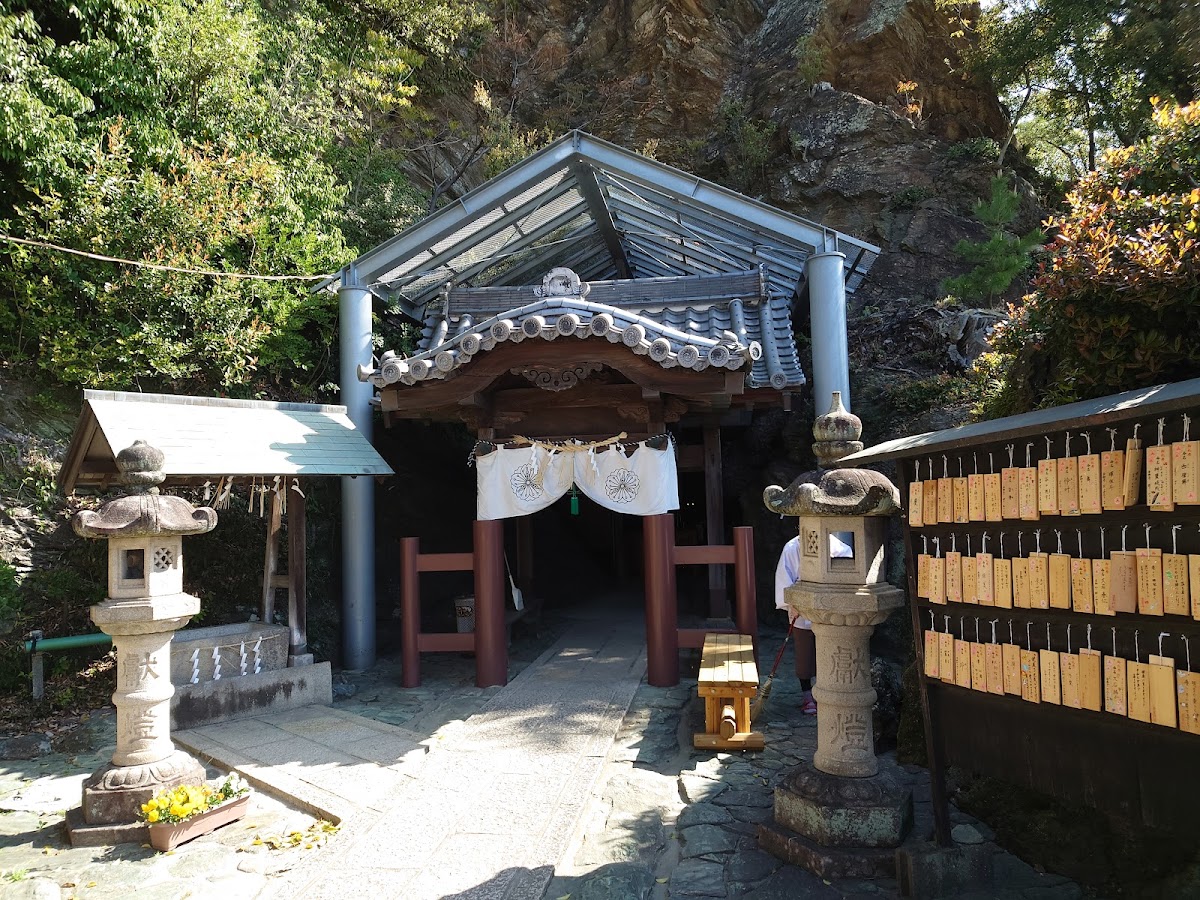
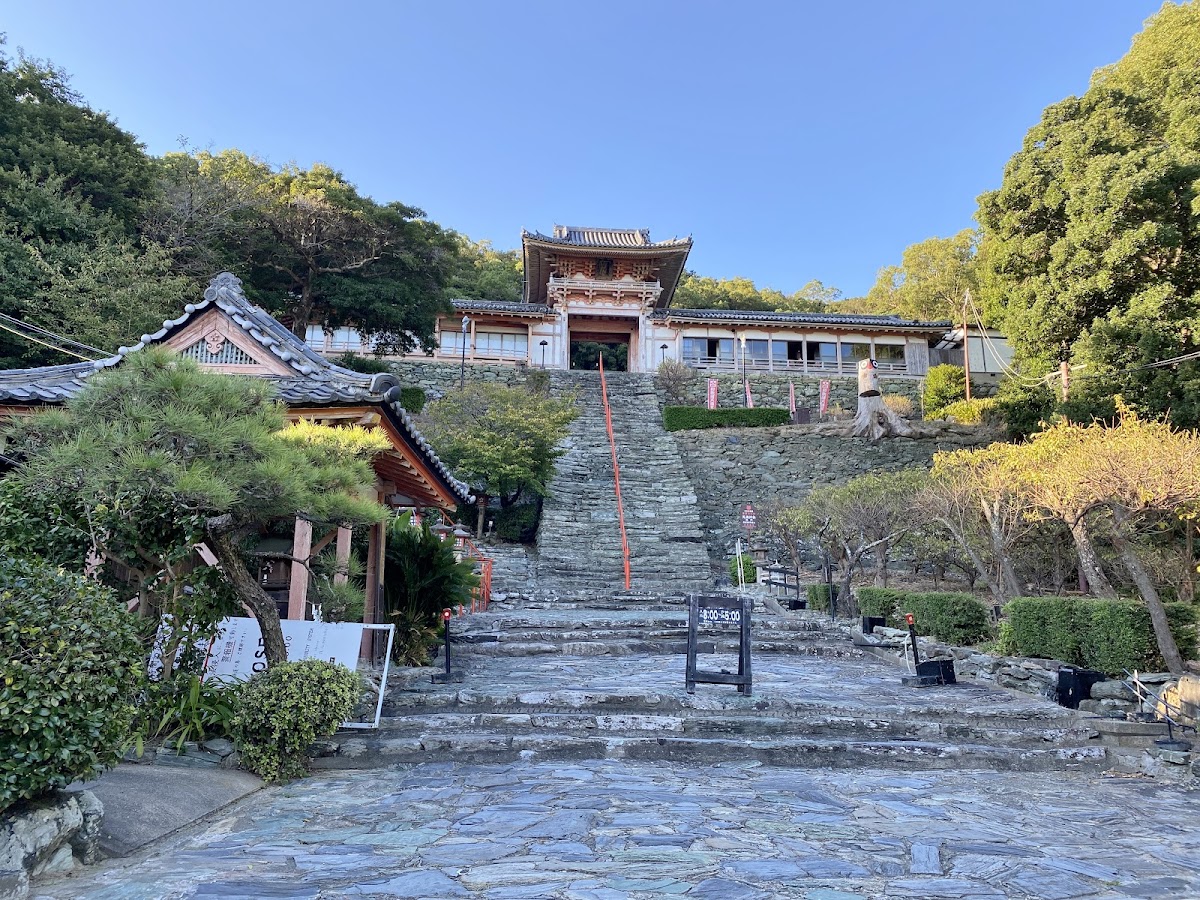
The shrine is located on a small hill, and the approach requires climbing a mountain path. However, the grounds are meticulously maintained and enveloped in a tranquil atmosphere.
History of Fumori Shrine
Origin of Founding and Relationship with the Kii Provincial Government
Fumori Shrine is said to have been founded in Jōgan 17 (875). During this period, the provincial government of Kii Province was located in the area around present-day Fuchu, Wakayama City, and it flourished as an administrative center.
Fumori Shrine is said to have been established as the guardian deity of the provincial capital, located in the northeast (the “demon’s gate”) of the Kii Provincial Capital. In Onmyodo (Japanese esoteric cosmology), the demon’s gate is considered a direction where evil spirits easily enter, and it is believed that the shrine was placed there with the intention of protecting the provincial capital.
Positioning as the Grand Shrine of Kii Province
There is a theory that Fumori Shrine was the Grand Shrine of Kii Province. A Grand Shrine, under the Ritsuryo system, was a shrine established by a provincial governor upon their arrival, enshrining the deities of all major shrines within the province. By visiting the Grand Shrine, the governor was considered to have the same effect as visiting all the shrines in the province.
While there are various theories regarding the Grand Shrine of Kii Province, the fact that Fumori Shrine is considered one of the candidates speaks to its historical importance. Its deep connection with the provincial capital and its role as its guardian deity may have shaped its character as a Grand Shrine.
Changes from the Medieval Period Onward
During the medieval period, it also came to be known as “Shiratori no Miya” (White Swan Shrine) and “Shoten-gu” (Holy Heaven Shrine). The name “Shōten-gū” (聖天宮) in particular suggests a connection to the worship of Kankiten (Shōten). Kankiten was worshipped as a guardian deity in Buddhism, and was especially popular among ordinary people as a god of business prosperity and marital harmony.
During the era of syncretism of Shinto and Buddhism, it was common for shrines and temples to be worshipped together as a single entity. It is believed that a form of worship that fused Shinto and Buddhism also developed at Fumori Shrine.
Changes since the Modern Era
With the Meiji-era decree separating Shinto and Buddhism, shrines throughout the country were required to eliminate Buddhist elements. Fumori Shrine also reverted to its original name, “Fumori Shrine,” after the Meiji Restoration.
On June 22, 1877 (Meiji 10), it was designated a village shrine, establishing its position within the modern shrine ranking system. However, the plaque bearing the name “Shōten-gū” still hangs above the front of the worship hall, conveying the long history of popular faith.
Deities Enshrined
Regarding the deities enshrined at Fumori Shrine, it is believed that multiple gods are worshipped, but detailed records are limited. Given its history as a guardian shrine of the provincial capital, the following deities may be enshrined:
Consideration of the Main Deity
Given its nature as a shrine dedicated to the protection of the provincial capital, it is presumed that deities related to the protection of the land and regional peace are enshrined. Furthermore, the alternative name “Shōten-gū” suggests a connection to Kankiten, but understanding the composition of the enshrined deities after the separation of Shinto and Buddhism requires understanding based on local traditions and shrine records.
If it functions as a general shrine, it may also enshrine the deities of major shrines within Kii Province. Kii Province is a region with many ancient shrines, such as Hinokuma Shrine, Kunikake Shrine, Itakiso Shrine, and Niutsuhime Shrine, and connections to these deities are also possible.
Shrine Grounds and Highlights
Approach and Shrine Building
To reach Fumori Shrine, you ascend a mountain path. The approach is well-maintained, and you proceed through a quiet atmosphere surrounded by trees. Though small, the carefully managed grounds offer visitors a peaceful time for worship.
A plaque bearing the inscription “Shōten-gū” hangs above the front of the main hall, a name that has been cherished by the local community since the shrine’s name change after the Meiji era.
Atmosphere of the Shrine Grounds
From the shrine grounds, situated on a small hill, you can overlook the former site of the provincial capital in Fuchu. Despite being located in a quiet residential area, the shrine is surrounded by trees, creating a space that evokes the dignity of an ancient shrine.
The grounds are meticulously clean, indicating that they are regularly maintained by the local community. Though a small shrine, it is a space that conveys its historical value and the continuity of faith.
Subsidiary Shrines
Besides the main shrine dedicated to the principal deity, there may be subsidiary shrines and minor shrines within the grounds of Fumori Shrine, but detailed information is limited. Due to its small size, a large group of subsidiary shrines is unlikely to exist, but there may be small shrines rooted in local beliefs within or around the grounds.
Festivals and Annual Events
Fumori Shrine is believed to hold various festivals throughout the year. While direct confirmation with the shrine is recommended for specific details, the following are some of the typical annual events expected at a shrine:
Major Festivals
- Reitaisai: The most important annual event for the shrine, a festival honoring the deity.
- Saitansai: A New Year’s festival held on January 1st.
- Kinensai: A festival held in spring to pray for a bountiful harvest.
- Niinamesai: A festival expressing gratitude for the autumn harvest.
These festivals are believed to be passed down by local parishioners and worshippers. ## About Goshuin (Shrine Seals)
Regarding Goshuin at Fumori Shrine, it is possible that they do not directly issue them at the shrine. According to reports from visitors, it is possible to obtain pre-written Goshuin at the nearby Ooyatsuhime Shrine.
Those wishing to obtain a Goshuin are advised to check with the Wakayama Prefectural Shrine Association or Ooyatsuhime Shrine in advance. Many small shrines do not have resident priests, and the Goshuin issuance system varies from shrine to shrine.
Access Information
Access by Public Transportation
Nearest Station: JR Kisei Main Line “Kii Station”
While the shrine is within walking distance from Kii Station, it is located on a hill, requiring an uphill climb. Allow approximately 15-20 minutes on foot.
Access by Car
Address: 1089 Fuchu, Wakayama City, Wakayama Prefecture
You can access the shrine by entering the above address into your car navigation system. However, the area around the shrine is a residential area, and some roads are narrow, so caution is required when driving.
Regarding parking, it is recommended to check in advance whether the shrine has a dedicated parking space.
Points to Note When Visiting
- As you will need to climb a mountain path, comfortable walking shoes are recommended.
- As it is a small shrine, the shrine office may not be open at all times.
- If you wish to receive a Goshuin (shrine stamp), please check the location of issuance in advance.
- The shrine grounds are well-maintained, so please observe proper etiquette, such as taking your trash with you.
History of the Fuchu Area and the Kii Provincial Capital
Ancient Kii Provincial Capital
Fuchu in Wakayama City, where Fumori Shrine is located, was the location of the Kii Provincial Capital in ancient times. The place name “Fuchu” itself means “the center of the provincial capital,” indicating the historical importance of this area.
Under the Ritsuryo system, the provincial capital was the place where the provincial governor conducted government affairs, and it was the center of administration, justice, and military affairs within the province. The Kii Provincial Capital (Kii-kokufu) housed the provincial office and various other government facilities, creating an urban space where many officials and people gathered.
Guardian of the Provincial Capital and Fumori Shrine
Fumori Shrine was founded to protect this important provincial capital. The Onmyodo (Yin-Yang philosophy) idea of placing a shrine in the northeast (the “demon’s gate”) reflects the urban planning and religious views of the time.
In Heian-kyo (Kyoto), Enryaku-ji Temple on Mount Hiei was located in the northeast (the “demon’s gate”), serving as a guardian of the capital. Similarly, shrines dedicated to warding off evil spirits played an important role in provincial capitals.
The Fuchu Area from the Medieval Period Onward
From the medieval period onward, the functions of the provincial capital diminished with the decline of the Ritsuryo system (ancient Japanese legal and administrative system). However, the place name Fuchu and Fumori Shrine remained as important legacies that convey the history of the region.
While the Fuchu area is now a quiet residential area, archaeological excavations have confirmed the remains of the ancient provincial capital, making it an important site for historical research.
Shrine Worship in Kii Province and Fumori Shrine
Shrine Culture of Kii Province
Kii Province (present-day Wakayama Prefecture) has been a region with a strong tradition of shrine worship since ancient times. Many shrines listed in the Engishiki Jinmyocho (a list of shrines compiled in the Heian period), such as Hinokuma Shrine, Kunikake Shrine, Itakiso Shrine, and Niutsuhime Shrine, were located there, indicating a deep-rooted belief in the gods.
Significance of Soja Worship
Soja shrines were places where all the gods of the province were gathered and worshipped in one place, streamlining the worship of provincial governors and serving as a place to pray for the peace and security of the nation by uniting the power of the gods. If Fumori Shrine had the characteristics of a Soja, it would have played a central role in the shrine worship of Kii Province.
Characteristics of Shoten-gu Worship
What is Kankiten (Shoten)?
The alternative name “Shoten-gu” indicates a connection to the worship of Kankiten (Shoden). Kankiten is a guardian deity of the Tenbu (heavenly beings) in Buddhism, often depicted with an elephant’s head and a human body, and is believed to bring blessings such as business prosperity, marital harmony, and fertility.
Syncretism of Shinto and Buddhism and Fumori Shrine
During the medieval period of syncretism of Shinto and Buddhism, a form of worship where shrines and temples were integrated was common. It is believed that Fumori Shrine also formed a unique faith that fused Shinto deities with the Buddhist deity Shōten.
While this form of worship was superficially separated by the Meiji-era separation of Shinto and Buddhism, the remaining “Shōten-gū” plaque speaks to the long history of popular faith and the feelings of the local people.
Significance of Visiting Fumori Shrine
A Historical Pilgrimage Experience
Visiting Fumori Shrine is a valuable opportunity to touch upon the history of the Kii Provincial Government, which has continued since the Heian period. The small but carefully maintained grounds convey the continuity of the faith of the local people.
Prayer in Silence
Because it’s a small shrine not commercialized for tourism, you can worship in a peaceful environment. In this sacred place with an ancient history, you can have time to reflect on yourself.
Nearby Shrines and Temples
When visiting Fumori Shrine, we recommend also visiting other historical shrines and temples in Wakayama City.
Hinokuma Shrine and Kunikake Shrine
Located in Akizuki, Wakayama City, Hinokuma Shrine and Kunikake Shrine are ancient shrines known as the Ichinomiya (first-ranked shrine) of Kii Province. They have a rare form, with two shrines standing side by side, and enshrine the Nichizo-kagami and Nichihoko-kagami mirrors, the divine representations of Amaterasu Omikami, as their sacred objects.
Itakiso Shrine
Located in Itakiso, Wakayama City, this shrine enshrines Isotakeru-no-Mikoto, known as the god of trees. It is considered one of the Ichinomiya of Kii Province and attracts the faith of those involved in forestry.
Ooyatsuhime Shrine
This shrine is said to offer the Goshuin (seal) of Fumori Shrine, and many people visit it in conjunction with Fumori Shrine.
Summary: The Charm and Value of Fumori Shrine
Although small in scale, Fumori Shrine is a historically significant shrine founded as the guardian deity of the Kii Provincial Government. There is a theory that it was the principal shrine of Kii Province, playing a part in the religious and administrative center of ancient Kii Province.
This shrine has many charms, including its history of syncretism of Shinto and Buddhism, as seen in its alternative name “Shōten-gū,” its careful maintenance by local people, and the tranquil atmosphere of its grounds.
When visiting Wakayama City, we highly recommend visiting Fumori Shrine to experience the weight of its history dating back to the Heian period and the warmth of local faith. It is a small shrine, but the prayers of people spanning over a thousand years and the history of Kii Province quietly breathe within it.
When visiting the shrine, please wear comfortable clothing as you will need to climb a mountain path. Please also be mindful of proper etiquette to maintain the cleanliness of the shrine grounds. If you wish to receive a Goshuin (shrine stamp), we recommend checking the location of issuance in advance.
We hope your visit to Fumori Shrine will be a meaningful experience, allowing you to connect with history and faith.