Shima Shrine (Wakayama Prefecture) Complete Guide: History, Benefits, and Access Explained in Detail
Wakayama Prefecture is home to numerous historical shrines, but Shima Shrine stands out as a particularly important shrine deeply rooted in the local community. This article provides a detailed explanation of Shima Shrine’s history, benefits, highlights within the grounds, and visiting information—all essential information before your visit.
What is Shima Shrine?: A Historic Shrine in Wakayama Prefecture
Shima Shrine (Shima Jinja) is a historical shrine located in Wakayama Prefecture, and has long been revered by local residents. Deeply connected to the history of Kii Province, it serves as a spiritual pillar for the region.
There may be multiple Shima Shrines within Wakayama Prefecture, but all are cherished by locals as guardian deities and tutelary gods of the area. The name “Shima” is thought to reflect the history and geographical characteristics of the land.
Characteristics of Shima Shrine
The following are some of the characteristics of Shima Shrine:
- Community-Based Faith: A shrine deeply rooted in the lives of local residents
- Historical Background: A history intertwined with the history of Kii Province
- Natural Environment: Located amidst the rich natural beauty of Wakayama
- Traditional Events: A central figure in local festivals and annual events
History of Shima Shrine: From Founding to the Present
Origin and Legends of Founding
Regarding the founding date of Shima Shrine, like many local shrines, clear records are sometimes lacking. However, it has existed as a center of local faith since ancient times. Kii Province was a region strongly influenced by Kumano faith and Shugendo (mountain asceticism) from ancient times, and it is believed that Shima Shrine developed within this religious and cultural flow.
There are various theories regarding the origin of the shrine’s name, “Shima,” but it is considered highly likely to be related to a place name, topography, or the enshrined deity.
Historical Transformations
Shima Shrine is presumed to have undergone the following transformations throughout its long history:
Ancient and Medieval Periods
- Attracted worship as the local tutelary deity
- Position within the shrine system of Kii Province
- Role as a place of worship along the Kumano pilgrimage route
Early Modern Period (Edo Period)
- Functioned as a central presence in the village community
- Establishment of regular festivals
- Maintenance and renovation of the shrine buildings
Modern Era and Beyond
- Influence of the Meiji-era reforms to the shrine system
- Evolving alongside changes in the local community
- Inheritance of faith in the present day
Position in Wakayama Prefecture’s Shrine Culture
Wakayama Prefecture is home to many famous shrines, including the Kumano Sanzan. Unlike these large-scale shrines, Shima Shrine, though small, has played a vital role rooted in the local community.
For the local people, Shima Shrine has functioned as:
- An object of daily worship
- A place of worship at important life events
- A place to strengthen community ties
Deities and Blessings: Gods enshrined at Shima Shrine
Main Deities
While the deities enshrined at Shima Shrine may vary from shrine to shrine, they generally consist of local guardian deities and gods associated with agriculture and fishing.
The following deities are often enshrined in shrines in Wakayama Prefecture:
- Ōnamuchi-no-Mikoto: God of nation-building and matchmaking
- Sukunahikona-no-Mikoto: God of medicine and hot springs
- Amaterasu-Ōmikami: The supreme deity of Japan
- Susanoo-no-Mikoto: God of protection against misfortune and disease
- Kotoshironushi-no-Mikoto: God of business prosperity and maritime safety
Benefits
The following benefits can be expected from visiting Shima Shrine:
Family Safety and Good Health
As a guardian deity of the region, it protects the health and safety of families.
Abundant Harvest and Business Prosperity
It has been worshipped as a place to pray for the development of agriculture and commerce.
Protection from Misfortune and Disaster
It is believed to ward off misfortune at important life events and protect against everyday calamities.
Matchmaking and Fertility
Many visitors come to pray for good relationships and the prosperity of their descendants.
Peace and Well-being of the Community
It plays an important role as a place to pray for the peace and development of the entire community.
Highlights of the Shrine Grounds: What to Do When Visiting Shima Shrine
Main Hall and Worship Hall
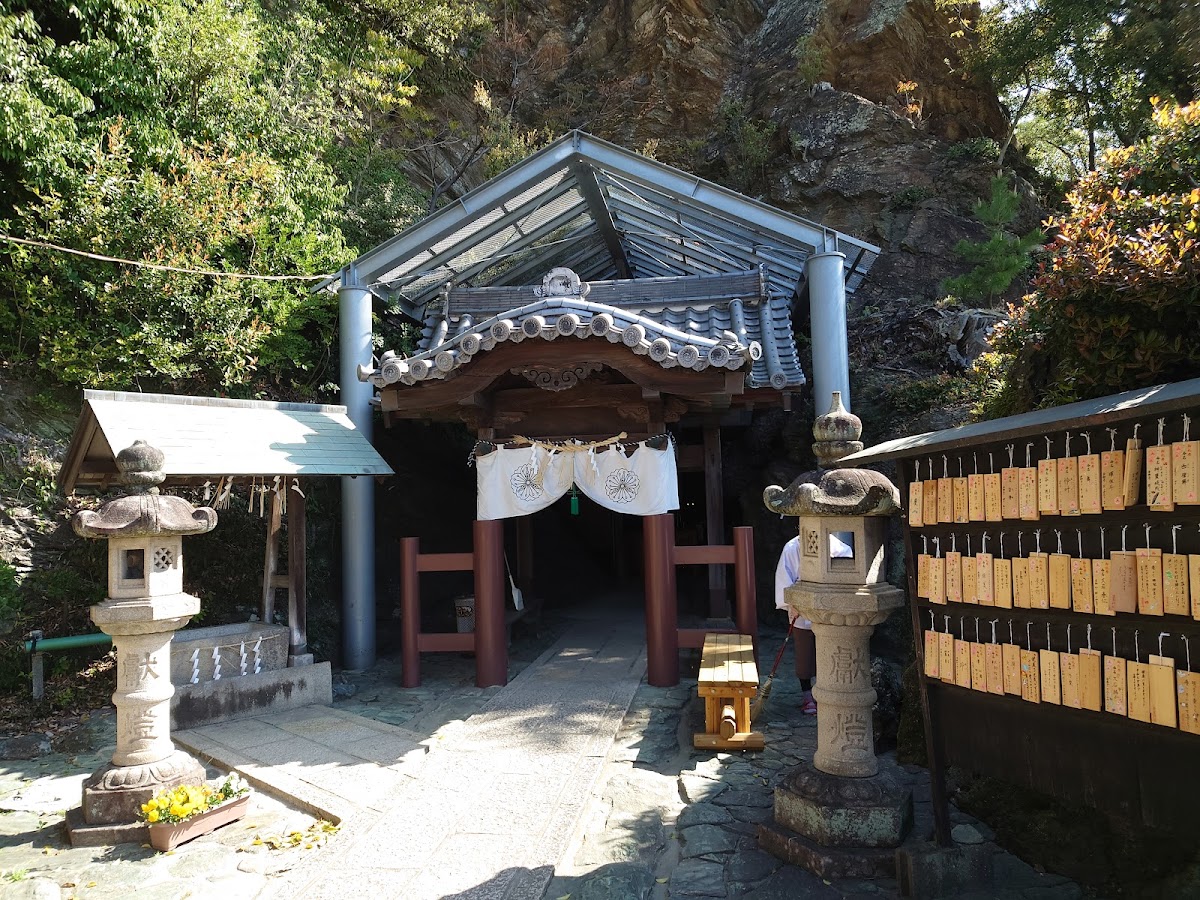
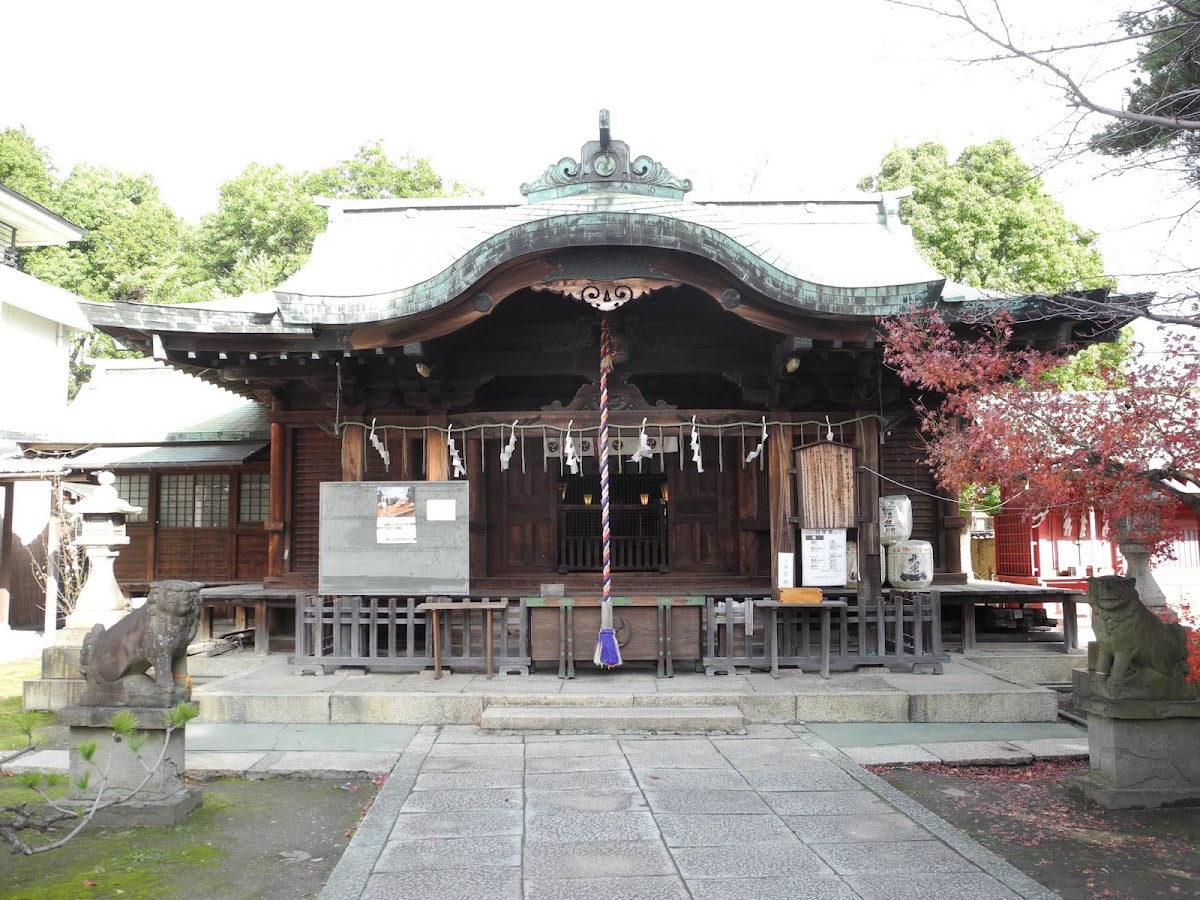
The main hall of Shima Shrine preserves traditional shrine architecture. Although not large in scale, the carefully maintained shrine buildings reflect the deep faith of the local people.
At the worship hall, you can quietly offer your prayers. In the solemn atmosphere, you can forget the hustle and bustle of everyday life and find peace of mind.
Torii Gate and Approach
The torii gate standing at the entrance of the shrine is an important structure marking the entrance to the sacred area. When passing through the torii gate, it is customary to bow and walk along the edge of the approach path.
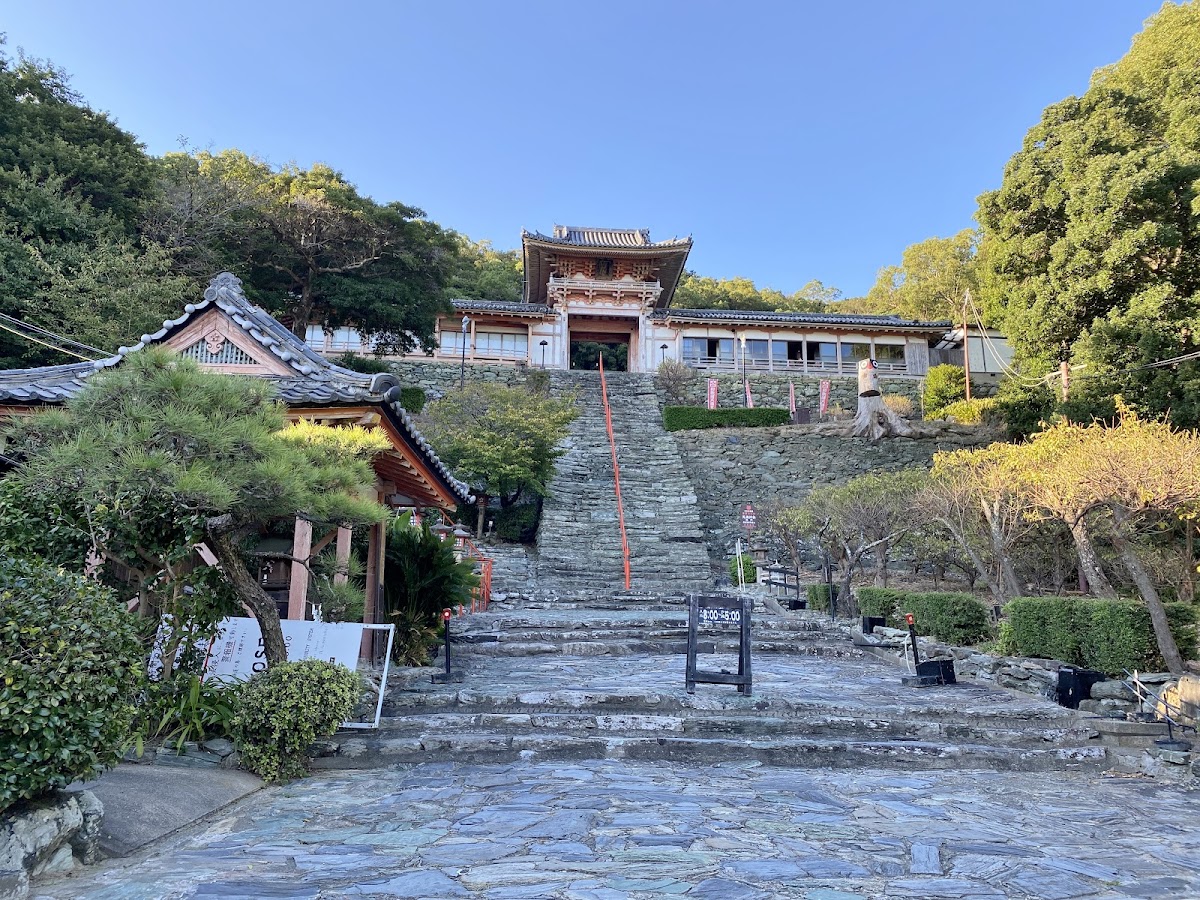
The approach to the shrine is a sacred path leading to the grounds. Walking along the stone steps and gravel path, one gradually purifies their mind.
Subsidiary Shrines and Auxiliary Shrines
Around the main shrine, there are sometimes subsidiary shrines and auxiliary shrines. These small shrines each enshrine different deities and are believed to bestow various blessings.
Sacred Trees and Nature
Like many shrines, Shima Shrine may have sacred trees or ancient trees. These trees, having stood for many years, are living witnesses to the shrine’s history and are revered as sacred beings.
The shrine grounds, surrounded by the rich nature of Wakayama, offer beautiful scenery throughout the seasons.
Water Basin
The water basin for purification before worship is also an important facility. Please purify your hands and mouth with the correct etiquette before worship.
Procedure for Washing Hands:
- Take the ladle with your right hand and wash your left hand.
- Switch the ladle to your left hand and wash your right hand.
- Switch the ladle back to your right hand, receive water in your left hand, and rinse your mouth.
- Wash your left hand once more.
- Stand the ladle upright, wash the handle, and return it to its original place.
Annual Events and Festivals: Traditions of Shima Shrine
Main Annual Events
Shima Shrine holds various Shinto rituals and festivals throughout the year. These events are important opportunities for passing on the region’s traditional culture.
New Year’s Day Festival (January 1st)
This festival welcomes the new year and prays for peace and prosperity throughout the year. Many worshippers visit for their first shrine visit of the year.
Spring Festival (Spring Grand Festival)
This festival celebrates the arrival of spring and prays for a bountiful harvest. In some regions, it is held to coincide with the cherry blossom season.
Summer Festival (Summer Grand Festival)
This festival, held in the height of summer, is a time to pray for protection against disease and for good health.
Autumn Festival (Autumn Grand Festival)
This is one of the most important festivals, celebrating the harvest and giving thanks for a bountiful harvest. It may include a procession of portable shrines and offering ceremonies.
Niiname-sai (November 23rd)
This festival involves offering the new harvest to the gods and giving thanks for the harvest.
Connections with the Community
These festivals are not merely religious ceremonies; they are important opportunities to strengthen the bonds of the local community. Through the preparation and operation of these festivals, intergenerational exchanges are fostered, and traditional culture is passed down to the next generation.
Etiquette and Manners for Worship
Basic Worship Etiquette
There are certain manners to observe when visiting a shrine. By following the correct etiquette, you can offer a more heartfelt prayer.
Walking Procedure:
- Bow at the Torii Gate: Bow before passing through the torii gate.
- Walking Path: Walk along the edge of the path, as the center is considered the path of the gods.
- Purify at the Water Basin: Purify your hands and mouth at the water basin.
- Worship at the Main Hall: Worship using the two bows, two claps, and one bow ritual.
- Bow Upon Exit: Turn around and bow as you leave the torii gate.
Two Bows, Two Claps, One Bow Ritual
- Two Bows: Bow deeply twice (approximately 90 degrees).
- Two Claps: Clap your hands twice at chest height.
- Prayer: Convey your wish silently while keeping your hands together.
- One Bow: Bow deeply one last time.
Attire for Worship
No special attire is required, but please dress appropriately as this is a sacred place. It is advisable to avoid revealing or overly flashy clothing.
Photography Etiquette
Photography is generally permitted on the shrine grounds, but please observe the following points:
- Do not take photos in areas where photography is prohibited, such as inside the main hall.
- Be considerate of other worshippers.
- Be especially careful during religious ceremonies and festivals.
- Use flash photography sparingly.
Access Information: How to Get to Shima Shrine
Location
The exact location of Shima Shrine varies depending on the specific city or town within Wakayama Prefecture. When planning your visit, it is recommended to confirm the exact address in advance.
Access by Public Transportation
If using the train:
- Take a bus or taxi from the nearest station.
- Check the walking distance and travel time from the station in advance.
If using the bus:
- Local community buses and regular route buses may be available.
- Check the timetable as the number of services may be limited.
Access by car
Access from major roads:
- From Wakayama City: Use national or prefectural roads.
- From Osaka: Use the Hanwa Expressway, etc.
- Enter the shrine name or address into your car navigation system.
Parking:
There may be parking spaces for visitors on the shrine grounds or nearby. Congestion is expected during festivals, so consider using public transportation.
Best Times to Visit
While shrines are generally open for worship at any time during the day, the following times are recommended:
- Early Morning: You can worship in a quiet and refreshing atmosphere.
- Late Morning: There are relatively few people, allowing for a more relaxed visit.
- Evening: The time as the sun begins to set also has a unique charm.
If you visit during the shrine office’s opening hours (usually around 9:00 AM to 5:00 PM), you can receive a Goshuin (shrine stamp) and amulet.
Goshuin and Gifts
About Goshuin
A Goshuin is a calligraphic inscription and red seal given as proof of visiting a shrine. While it may be possible to receive a Goshuin at Shima Shrine, smaller shrines may not always offer them.
Manners for Receiving a Goshuin (Shrine Stamp):
- Always pray before receiving a Goshuin.
- Prepare a Goshuincho (stamp book) (sometimes available for purchase at the shrine).
- Prepare a donation (usually around 300-500 yen).
- Request politely.
- Wait quietly while the stamp is being written.
Items Offered
Shima Shrine may offer the following items:
Amulets:
- Family Safety Amulet
- Traffic Safety Amulet
- Protection from Evil Amulet
- Academic Success Amulet
- Matchmaking Amulet
Talisman:
- Talisman for enshrining in a household altar
- Protection from Evil Talisman
Others:
- Ema (votive tablet)
- Omikuji (fortune slip)
- Hamaya (demon-repelling arrow) (during New Year’s)
The types of items offered and donation amounts vary by shrine, so please check at the shrine.
Nearby Tourist Attractions
Visiting Shima Shrine and nearby tourist attractions will make your trip even more fulfilling.
Major Tourist Attractions in Wakayama Prefecture
Kumano Sanzan: The Kumano Hongu Taisha, Kumano Hayatama Taisha, and Kumano Nachi Taisha shrines, registered as a World Heritage Site, are representative sites of faith in Wakayama.
Koyasan: A sacred site of Shingon Esoteric Buddhism founded by Kobo Daishi Kukai, it is home to numerous temples and lodgings.
Nachi Falls: One of Japan’s three most famous waterfalls, a magnificent waterfall with a drop of 133 meters.
Shirahama Onsen: One of Kansai’s leading hot spring resorts, where you can enjoy beautiful coastlines and hot springs.
Wakayama Castle: A famous castle known as the residence of the Kishu Tokugawa family, one of the three main branches of the Tokugawa clan.
Local Specialties and Cuisine
When visiting Wakayama Prefecture, be sure to enjoy the local specialties and cuisine:
- Pickled Plums: Kishu Nanko plums are famous nationwide.
- Mandarin Oranges: A major production area for Satsuma mandarins.
- Tuna: Fresh tuna from Katsuura Fishing Port.
- Wakayama Ramen: A local ramen dish with a pork bone and soy sauce base.
- Mehari Sushi: A local dish wrapped in mustard greens leaves.
- Whale Cuisine: A region with a long-standing whaling culture.
Guidelines for Visiting Shima Shrine
Significance of Visiting Shrines
Visiting a shrine has significance beyond mere sightseeing or making wishes, including the following:
Expressing Gratitude: An opportunity to express gratitude for daily blessings and good health.
Purifying the Mind: A chance to escape the hustle and bustle of everyday life and find peace of mind.
Experiencing Traditional Culture: An opportunity to experience traditional Japanese beliefs and culture.
Connecting with the Community:
You can experience the history of the region and the lives of its people.
How to Express Your Wishes
When making a wish during your visit, please keep the following points in mind:
- First, express gratitude: Be grateful for the blessings you receive daily.
- Introduce yourself: Mentally state your address and name.
- State your specific wish: Clearly state your wish.
- Show your determination to strive: Vow to make an effort yourself.
It’s important not to leave everything to the gods, but to make an effort yourself.
Continuous Faith
Visiting regularly, rather than just once, fosters a deeper faith. We recommend visiting regularly while enjoying the changing scenery of the shrine with each season.
The Role of Shima Shrine in the Local Community
As the Center of the Community
Shima Shrine plays an important role as a central presence in the local community:
A Place for Intergenerational Exchange:
Through festivals and cleaning activities, it provides opportunities for younger and older generations to interact.
Preservation of Traditional Culture: Through preparations for festivals and assistance with Shinto rituals, traditional culture is passed down to the next generation.
Formation of Regional Identity: Having a shared place of worship fosters a sense of unity among local residents.
Significance of Shrines in Modern Society
In modern society, shrines continue to hold the following significance:
Spiritual Sanctuary: They serve as a sanctuary for people seeking not only material wealth but also spiritual fulfillment.
Coexistence with Nature: Shrine grounds provide valuable natural space amidst increasing urbanization.
Preservation of Cultural Value: They play a role in preserving tangible and intangible cultural assets such as buildings, festivals, and traditional events.
Regional Revitalization: They also function as a tourist resource, contributing to the revitalization of the local economy.
Points to Note When Visiting Shima Shrine
Precautions When Visiting
Consideration of Weather:
- Be careful as the ground can be slippery in rainy weather.
- Don’t forget to take precautions against heatstroke in summer.
- Dress warmly in winter.
Health Management:
- If there are stone steps or slopes, visit the shrine at a pace that suits your physical condition.
- Be especially careful if you are elderly or with small children.
Management of Valuables:
- Take care of your valuables even within the shrine grounds.
- Throw your offerings into the offering box carefully.
Consideration for the Community
Consideration for Residential Areas:
If the shrine is adjacent to a residential area, be considerate of noise and other disturbances.
Parking Manners:
Avoid parking on the street or parking in a way that inconveniences nearby residents.
Take Your Trash Home:
To keep the shrine grounds and surrounding area clean, please be sure to take your trash home with you.
Contact Information
For detailed information regarding visits and festival dates, please contact the following:
- Local Tourism Association
- Municipal Cultural Properties Department
- Wakayama Prefectural Shrine Association
- Local Community Association or Parishioners’ Representative
Summary: What You Can Gain from Visiting Shima Shrine
Shima Shrine is a shrine that has been close to the local people amidst the rich nature and history of Wakayama Prefecture. Its charm lies in its simple and warm atmosphere, unlike large-scale tourist shrines.
What you can gain from visiting is not just mere blessings:
- Peace of Mind: Time to quietly reflect on yourself, away from the hustle and bustle of everyday life
- Cultural Experience: An opportunity to experience traditional Japanese faith and culture
- Encounter with the Community: An experience to learn about the history of the region and the lives of its people
- Connection with Nature: Time to feel the beautiful natural environment of Wakayama
Visiting Shima Shrine will be a valuable opportunity not only as a tourist attraction, but also for self-reflection. Please visit the shrine with a sincere heart and experience its serene atmosphere.
When visiting Wakayama Prefecture, in addition to famous tourist spots such as the Kumano Kodo and Mount Koya, visiting local shrines like Shima Shrine will allow you to experience the charm of Wakayama more deeply.
When visiting, please refer to the etiquette and manners introduced in this article and approach the deities with reverence. And don’t forget to express your gratitude to the people who continue to preserve the local traditions.
We hope that Shima Shrine will be a memorable place of worship for you.