Wakamiya Hachiman Shrine (Arimoto, Wakayama City) Complete Guide | A Historic Shrine Enshrining a Deity that Fled from Tsurugaoka Hachiman Shrine
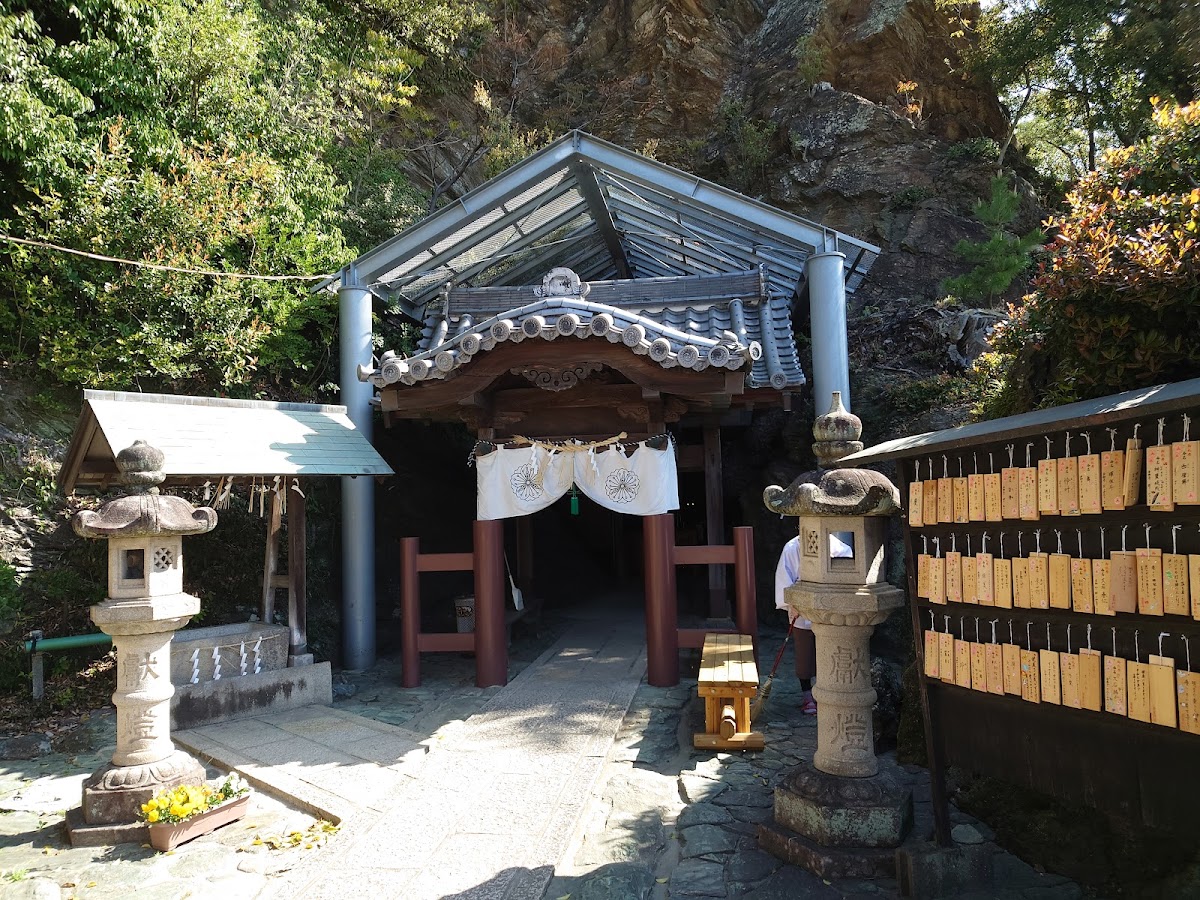
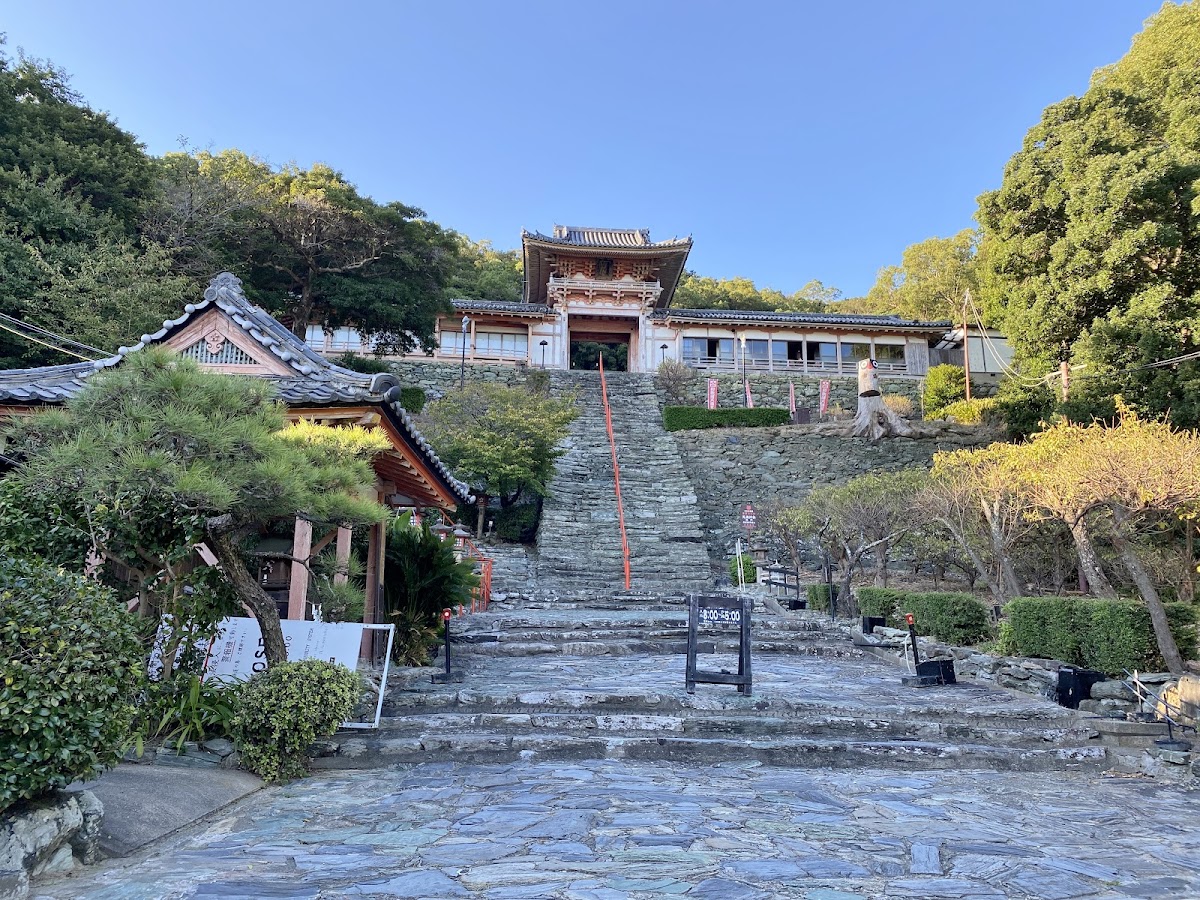
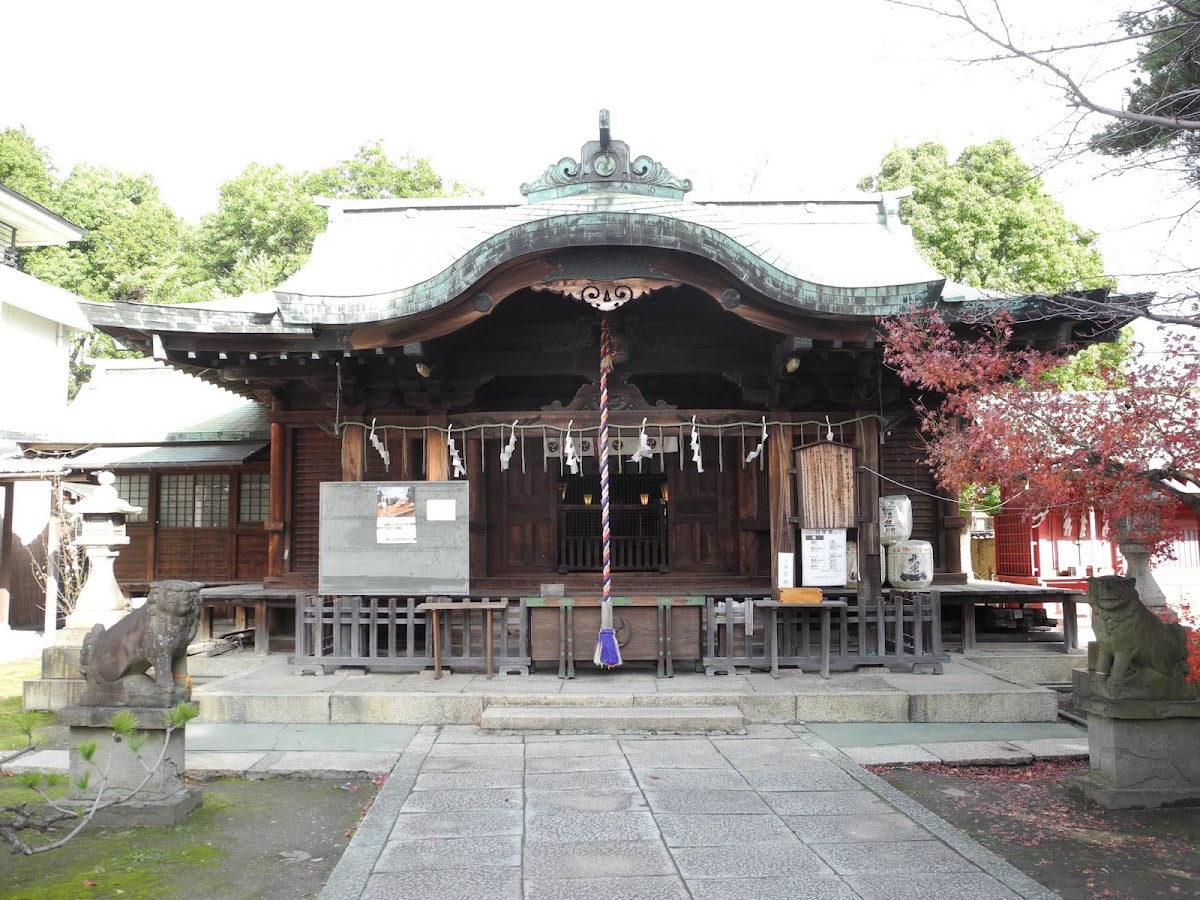
Located in Arimoto, Wakayama City, Wakamiya Hachiman Shrine is a unique shrine with a distinguished history, enshrining a deity that fled from Tsurugaoka Hachiman Shrine during the turbulent Kamakura period. It continues to attract local devotion as a guardian deity protecting the northeast direction of Wakayama Castle and as a shrine housing a national treasure sword associated with Tokugawa Yoshimune.
Basic Information about Wakamiya Hachiman Shrine
Location: 653 Arimoto, Wakayama City, Wakayama Prefecture
Deities Enshrined:
- Emperor Ojin
- Emperor Nintoku
- Empress Jingu
Access:
- Approximately 11 minutes on foot from Kii-Nakanoshima Station
- Approximately 15 minutes by car from the center of Wakayama City
Parking: Parking available for visitors on the shrine grounds
Shrine Office Hours: Normally 9:00 AM to 5:00 PM (may vary depending on festivals, etc.)
History and Origins of Wakamiya Hachiman Shrine
Relocation from Tsurugaoka Hachiman Shrine to Kishu
The history of Wakamiya Hachiman Shrine dates back to the Muromachi period, specifically the 11th year of Eikyo (1439). In that year, Uesugi Mochiuji, the Kanto Kanrei (governor of the Kanto region), rebelled against Ashikaga Yoshinori, the Shogun of the Muromachi Shogunate, and in February of the following year, the Ashikaga army marched on Kamakura. This conflict, known as the Eikyo Rebellion, caused great chaos throughout Kamakura, and Tsurugaoka Hachimangu Shrine was also in danger.
Fearing the ravages of war, the shrine priests fled Kamakura, carrying the sacred object on their backs, and escaped to the distant Kishu region. Their first destination was “Uji no Sato Maejima,” which corresponds to present-day Uji in Wakayama City, where it is said they established a temporary shrine.
Later, the sacred object was moved to its current location in Arimoto, and became the guardian deity of the region as Wakamiya Hachimangu Shrine. Because of this history, our shrine has a deep connection to Tsurugaoka Hachimangu Shrine and is known as a Hachimangu shrine with an extremely rare history, not having been established through a branch shrine of Usa Jingu or Iwashimizu Hachimangu Shrine.
Guardian Deity of Wakayama Castle’s Northeast (the “demon’s gate”)
During the Edo period, Wakamiya Hachiman Shrine, located northeast (the “front demon’s gate”) of Wakayama Castle, became important as a guardian deity for warding off evil and protecting the castle and its surrounding town. It also received deep reverence from the Kishu Tokugawa family, with successive feudal lords undertaking repairs to the shrine buildings and donating treasures.
In particular, the eighth shogun, Tokugawa Yoshimune, donated a sword to the shrine during his time as lord of the Kishu domain, and this sword is now designated a National Treasure.
A Remnant of the Shinto-Buddhist Syncretism Era
Before the Meiji Restoration, Wakamiya Hachiman Shrine had a separate temple called “Myooji.” During the era of Shinto-Buddhist syncretism, shrines and temples formed a single place of worship, and Wakamiya Hachiman Shrine was no exception.
Although Myooji was abolished due to the Meiji-era separation of Shinto and Buddhism, the giant Bodhi tree remaining on the shrine grounds is a valuable relic that conveys the former era of Shinto-Buddhist syncretism.
Highlights of Wakamiya Hachiman Shrine
National Treasure Sword
The greatest treasure possessed by Wakamiya Hachiman Shrine is a sword donated by Tokugawa Yoshimune. This sword bears the inscription “Bishu Osafune,” indicating it was crafted by the Osafune school, a group of renowned swordsmiths from Bizen Province (present-day Okayama Prefecture).
The Osafune school was a group of swordsmiths that flourished from the Kamakura period to the Muromachi period, and their works are known as masterpieces that combine practicality and beauty. This sword, donated by Yoshimune during his time as lord of the Kishu domain, is designated a National Treasure due to its historical value and artistic merit, and is an indispensable cultural asset in the history of Japanese swords.
It is not usually open to the public, but it is sometimes displayed on special occasions, so it is recommended to inquire with the shrine in advance.
Wakamiya Hachiman Shrine’s Bodhi Tree (Natural Monument)
Located at the southwestern end of the shrine grounds, opposite the shrine office, the Bodhi tree is designated a natural monument by Wakayama City. With a trunk circumference of 2.5 meters and a height of approximately 10 meters, this is one of the largest Bodhi trees in Japan.
The main trunk branches into five smaller branches just above the ground. While it may not stand out at first glance among other trees, its presence is overwhelming. The Bodhi tree is a deciduous tree native to China, belonging to the Tiliaceae family, and is usually planted in Buddhist temples such as those on Mount Koya and Mount Hiei.
The presence of this Bodhi tree within the shrine grounds is evidence of the former existence of Myooji Temple, a sub-temple, and it can be considered a living cultural asset that tells the history of the era of syncretism between Shinto and Buddhism. In early summer, it blooms with small, pale yellow flowers, filling the grounds with a sweet fragrance.
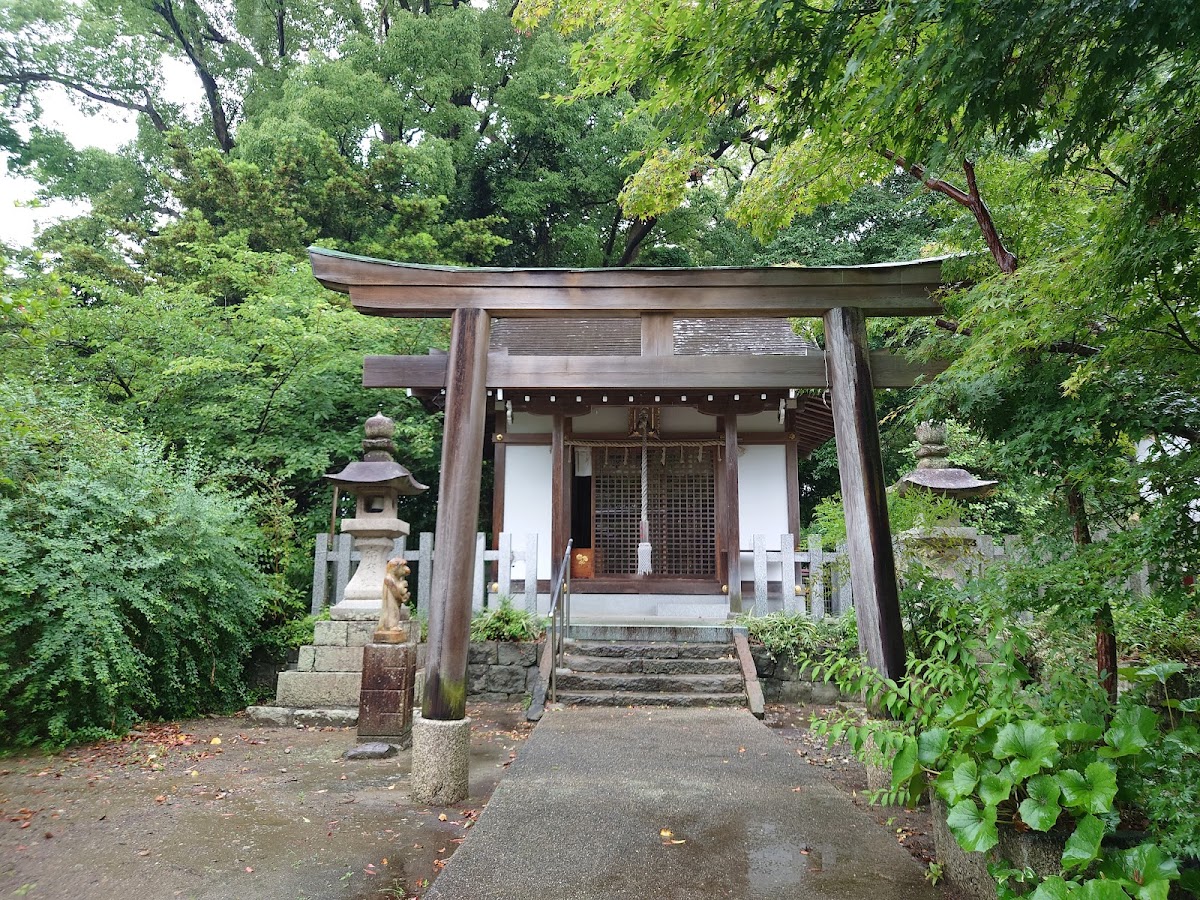
Shrine within the grounds: Hiyoshi Sanno Shrine
The Hiyoshi Sanno Shrine is also located within the grounds of Wakamiya Hachiman Shrine. This shrine also has separate main halls and worship halls. According to records of the Wakayama Prefectural Shrine Association, the main hall is a wooden structure with a copper roof, measuring 4.9 square meters, while the worship hall measures 12.67 square meters.
Hiyoshi Sanno Shrine was established by inviting the deity of Hiyoshi Taisha (Sanno Gongen), the guardian deity of Enryaku-ji Temple on Mount Hiei, and is an important example of the syncretism of Shinto and Buddhism.
Characteristics of the Shrine Architecture
Main Hall: A wooden structure with a copper roof, measuring 5.221 square meters, preserving the traditional Hachiman-style architecture.
Worship Hall: A wooden structure with a copper roof, measuring 49.577 square meters, offering a larger space than the main hall and accommodating many worshippers.
Torii Gate: A magnificent stone Hachiman-style torii gate, measuring 16.643 square meters. The Hachiman Torii gate has thick, stable pillars, conveying a powerful presence befitting Hachiman, the guardian deity of samurai families.
Other facilities necessary for shrine operation are also provided, including the shrine office (264,947 square meters), the offering preparation area, and the administrative building.
Annual Events of Wakamiya Hachiman Shrine
Grand Festival
The Grand Festival, held every autumn, is the most important festival at Wakamiya Hachiman Shrine. Many local parishioners and devotees attend, participating in the portable shrine procession and offering ceremonies. In the past, stalls lined the grounds, creating a lively atmosphere as a local festival.
Summer Festival
In the summer, a summer festival is held, attracting local children and families. Stalls line the shrine grounds, allowing visitors to enjoy the atmosphere of a traditional festival. For local residents, Wakamiya Hachiman Shrine serves not only as a place of worship but also as a central hub of community.
New Year’s Visit and Prayers for Protection from Evil
Wakamiya Hachiman Shrine, known for its protection against evil and as the guardian deity of the northeast direction (the “demon’s gate”) of Wakayama Castle, attracts many worshippers during the New Year and during unlucky years. It is particularly popular for those praying for protection from negative influences and for family safety.
Deities and Benefits
Emperor Ōjin
The 15th Emperor, enshrined as Hachiman-sama in Hachiman shrines throughout Japan. He was revered by samurai families as the god of military fortune and archery, and is also known as the god of industrial development.
Emperor Nintoku
The 16th Emperor, son of Emperor Ōjin. Known as a benevolent ruler through the legend of “the people’s hearth,” he is worshipped as the god of national peace and abundant harvests.
Empress Jingu
Mother of Emperor Ojin. Known for the legend of her conquest of the Three Kingdoms of Korea, she is revered as a goddess of martial prowess and safe childbirth.
Main blessings:
- Long-lasting military fortune and good luck in competitions
- Protection from evil and misfortune
- Family safety and business prosperity
- Safe childbirth and child-rearing
- National peace and abundant harvests
Nearby attractions and sightseeing spots
Wakayama Castle
Located approximately 3 kilometers southwest of Wakamiya Hachiman Shrine, Wakayama Castle is a famous castle that flourished as the residence of the Kishu Tokugawa family. From the castle tower, you can enjoy a panoramic view of Wakayama city, and it is also known as a famous cherry blossom viewing spot in spring. Visiting it in conjunction with a visit to Wakamiya Hachiman Shrine is recommended.
Kimii-dera Temple
A representative ancient temple of Wakayama City, famous for its early-blooming cherry blossoms. There is also a Wakamiya Hachiman Shrine (Kimiidera) here, which is enshrined as the guardian deity of Kimiidera Kongohoji Temple. While it is a different shrine from the Wakamiya Hachiman Shrine in Arimoto, it shares the same history of Hachiman worship.
Wakaura
Wakaura, known as a scenic spot since the Manyo period, is about a 20-minute drive from Wakamiya Hachiman Shrine. It boasts numerous spots where you can enjoy history and nature, such as Tamatsushima Shrine and Kataonami Beach.
Manners and Points for Visiting a Shrine
Basic Worship Etiquette
- Bow before passing through the torii gate: As a sign of respect before entering the sacred area, bow before the torii gate.
- Purify yourself at the water basin: Purify your left hand, right hand, and mouth in that order, and finally rinse the handle of the ladle.
- Walk along the edge of the path: The center of the path is considered the path of the gods, so it is proper etiquette to walk along the edge. 4. Two Bows, Two Claps, One Bow: In front of the main hall, bow twice, clap twice, and finally bow once.
Photography
Photography is generally permitted within the shrine grounds, but photography inside the main hall and of treasures may be prohibited. In particular, photography of national treasures such as swords is prohibited, so please be careful. Also, please be considerate of other worshippers.
Goshuin (Shrine Seals)
You can receive a Goshuin at Wakamiya Hachiman Shrine. Please visit during the shrine office’s opening hours and make your request politely. Even if you forget your Goshuincho (seal book), pre-written Goshuin may be available.
The Role of Wakamiya Hachiman Shrine in the Community
Wakamiya Hachiman Shrine has long been the center of faith for local residents as the tutelary shrine of the Arimoto area. People living nearby have visited the shrine in their daily lives, entrusting various wishes to it.
Even today, many families visit the shrine at significant life events such as their child’s first shrine visit, Shichi-Go-San (a traditional rite of passage for children), and exorcisms, making it a place that strengthens community ties. Furthermore, annual events such as the Grand Festival and summer festival provide opportunities for intergenerational interaction and play a crucial role in the transmission of traditional culture.
Summary: The Charm of Wakamiya Hachiman Shrine
Wakamiya Hachiman Shrine in Arimoto, Wakayama City, is a unique shrine with a distinguished history, enshrining a deity that fled from Tsurugaoka Hachiman Shrine. With a national treasure sword, a natural monument linden tree, and remnants from the era of Shinto-Buddhist syncretism, it is a treasure trove of history and culture, offering visitors many discoveries and inspiring experiences.
As a guardian deity protecting the northeast direction of Wakayama Castle and as the local tutelary deity, Wakamiya Hachiman Shrine has attracted the faith of people for nearly 600 years. Standing in its tranquil grounds, one can feel the long flow of history from the turmoil of the Kamakura period to the present day.
This is a hidden gem that I highly recommend visiting when you come to Wakayama City.