Complete Guide to Kishu Toshogu Shrine (Wakayama City, Wakayama Prefecture) | The Charm of a Nationally Important Cultural Property Known as the “Nikko of Kansai”
Kishu Toshogu Shrine, situated in the scenic Wakaura area of Wakayama City, is a prestigious shrine dedicated to Tokugawa Ieyasu. Its magnificent and opulent shrine buildings, often referred to as the “Nikko of Kansai,” are a valuable cultural asset that preserves the architectural style of the early Edo period, continuing to fascinate many worshippers and tourists.
History and Origins of Kishu Toshogu Shrine
Background of its Founding
Kishu Toshogu Shrine was founded in 1621 (Genna 7) by Tokugawa Yorinobu, the first lord of the Kishu Domain. Tokugawa Yorinobu was born the tenth son of Tokugawa Ieyasu. Out of deep reverence for his father, he built the Toshogu Shrine in Wakaura as the guardian deity of the Nankaido region, to enshrine Ieyasu’s spirit and pray for peace and prosperity for the people.
At the time of its construction, the Nikko Toshogu Shrine was under construction, and the Kishu Toshogu Shrine was also planned as a similarly magnificent shrine. It is said that Yorinobu received substantial financial support from the shogunate, gathered top craftsmen and painters of the time, and completed the shrine in a remarkably short period of about one year.
Role as the Guardian Deity of the Nankaido Region
The Kishu Toshogu Shrine served not merely as the tutelary deity of the feudal lord, but also as the guardian deity of the entire Nankaido region. Located in the scenic Wakaura, it was also considered an important place to pray for the safety of maritime traffic and the prosperity of the domain. Throughout the Edo period, it flourished as the spiritual pillar of the Kishu Domain and as the center of faith for the local people.
Deities and Faith
Main Deity: Tokugawa Ieyasu
The main deity of Kishu Toshogu Shrine is Tokugawa Ieyasu, the founder of the Edo Shogunate. Ieyasu was deified as Toshodai Gongen and is enshrined in Toshogu shrines throughout Japan, but Kishu Toshogu Shrine holds special significance as it was founded by his son, Yorinobu.
Ieyasu, who achieved the unification of Japan and laid the foundation for over 260 years of peace, is believed to bring good fortune, protection from evil, family safety, and business prosperity.
Enshrined Deities and the Spread of Faith
Along with the main deity, Tokugawa Ieyasu, the founder, Tokugawa Yorinobu, is also enshrined. Yorinobu, also known as “Nanryu-ko,” is known as a wise ruler and a figure who contributed greatly to the development of the Kishu Domain. By enshrining both deities, a faith was fostered that combined the prestige of the Tokugawa family with the prosperity of Kishu.
Architectural Highlights
Nationally Designated Important Cultural Property Shrine
The shrine buildings of Kishu Toshogu Shrine are constructed in the “Gongen-zukuri” style, where the main hall, stone chamber, and worship hall are integrated into a single structure. This style is the same as that of Nikko Toshogu Shrine and represents the pinnacle of early Edo period shrine architecture.
The entire shrine is primarily painted in vermilion and adorned with vividly colored carvings and decorations. Its magnificent appearance is befitting of its nickname, “Nikko of Kansai,” and it has been designated a National Important Cultural Property. Every detail of the building reflects the highest level of technology of the time, making it a valuable architectural heritage that conveys the legacy of the early Edo period.
Numerous Exquisite Carvings
The carvings adorning the shrine are known for their exquisite craftsmanship and high artistic value. Dragons, phoenixes, lions, Chinese lions, and various other mythical creatures and auspicious motifs are carved in three dimensions and adorned with vibrant colors.
In particular, the carvings on the transoms and brackets of the main hall are so exquisite that each one can be considered an independent work of art. These carvings were created by master craftsmen of the time who competed to showcase their skills, possessing a power and beauty that overwhelms the viewer.
The Tower Gate and Stone Steps
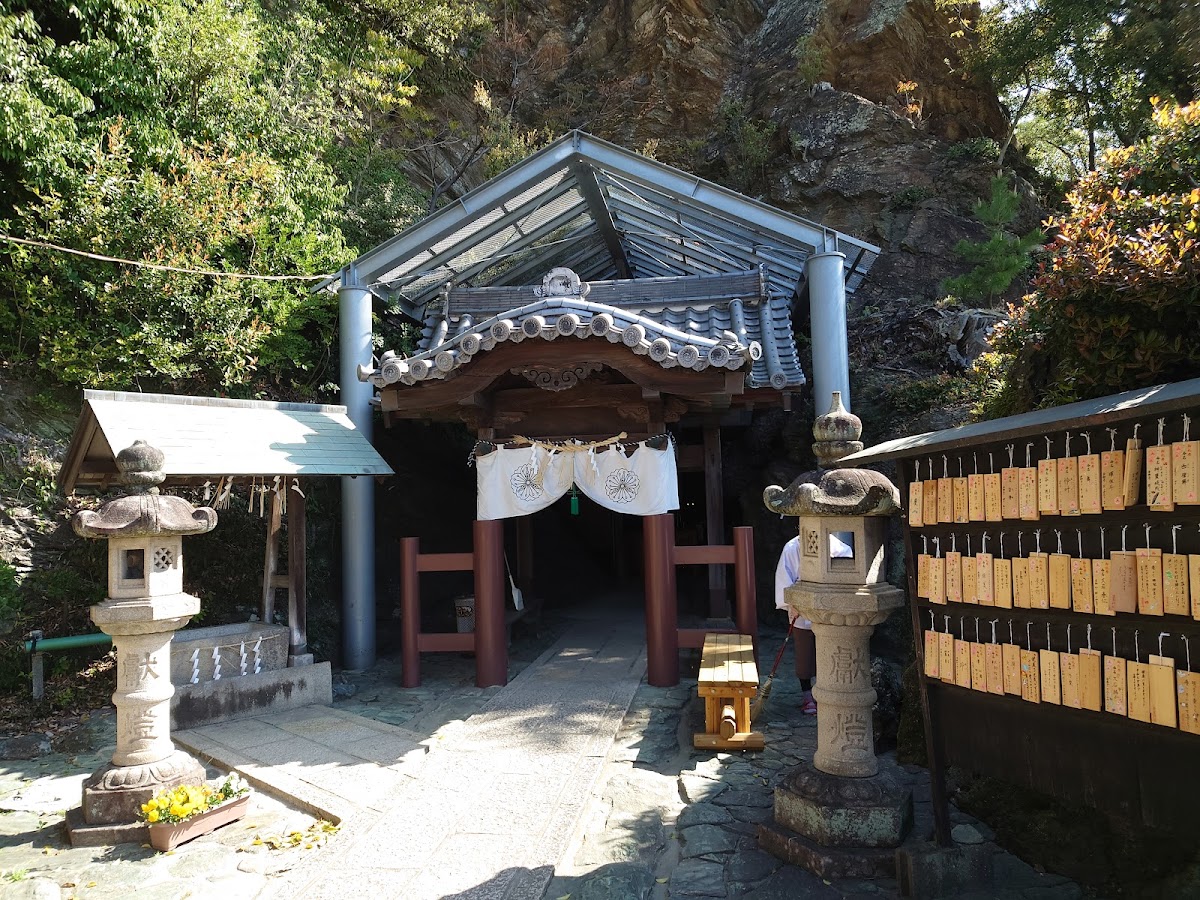
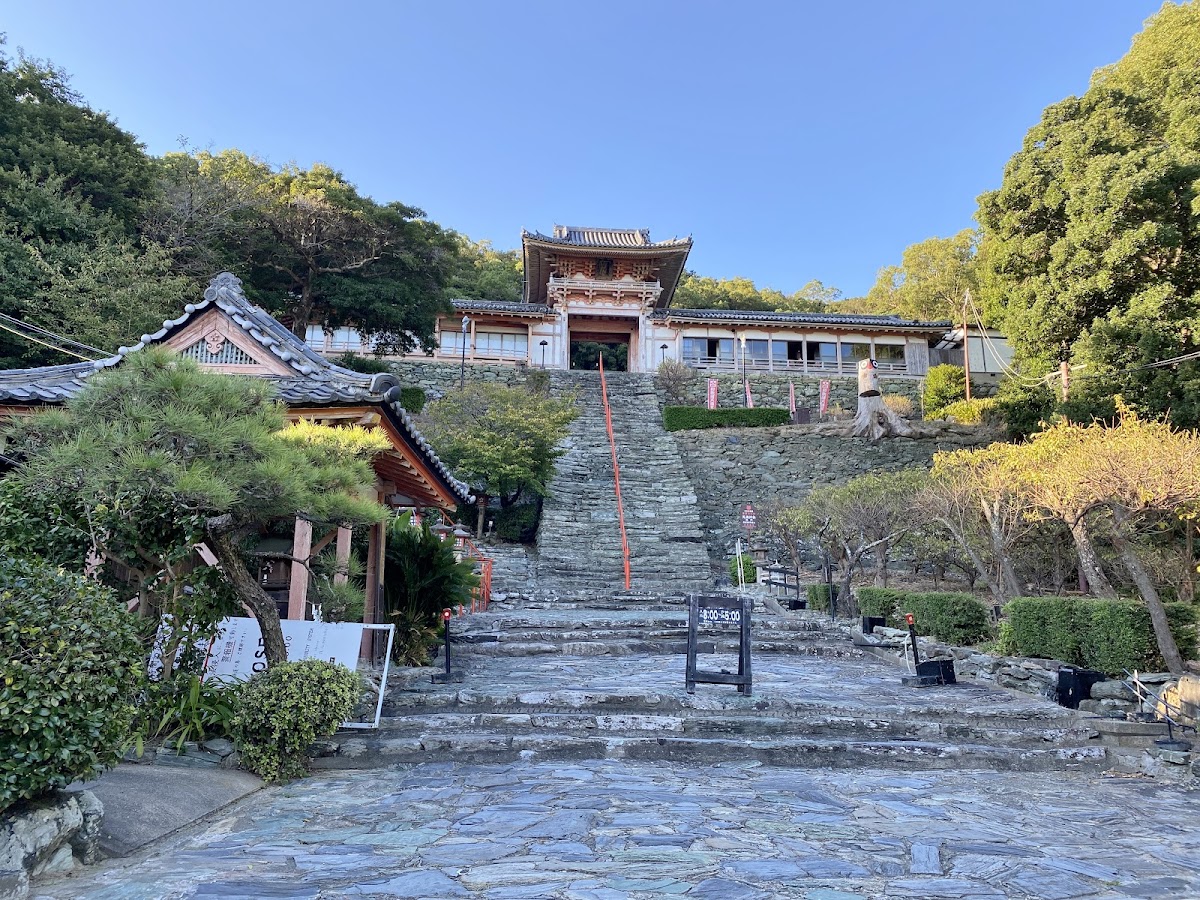
The approach to Kishu Toshogu Shrine is marked by a steep flight of stone steps. At the top of these steps, a magnificent vermilion-lacquered tower gate awaits visitors. The tower gate is also designated as an Important Cultural Property, and its intricate decorations extend to every detail.
Passing through the tower gate, one is greeted by the lavishly colored shrine buildings, their magnificence breathtaking. The spatial arrangement, from the stone steps to the gate tower and then to the shrine building, creates a solemn atmosphere that evokes a sense of reverence for visitors entering a sacred area.
Paintings of the Kano and Tosa Schools
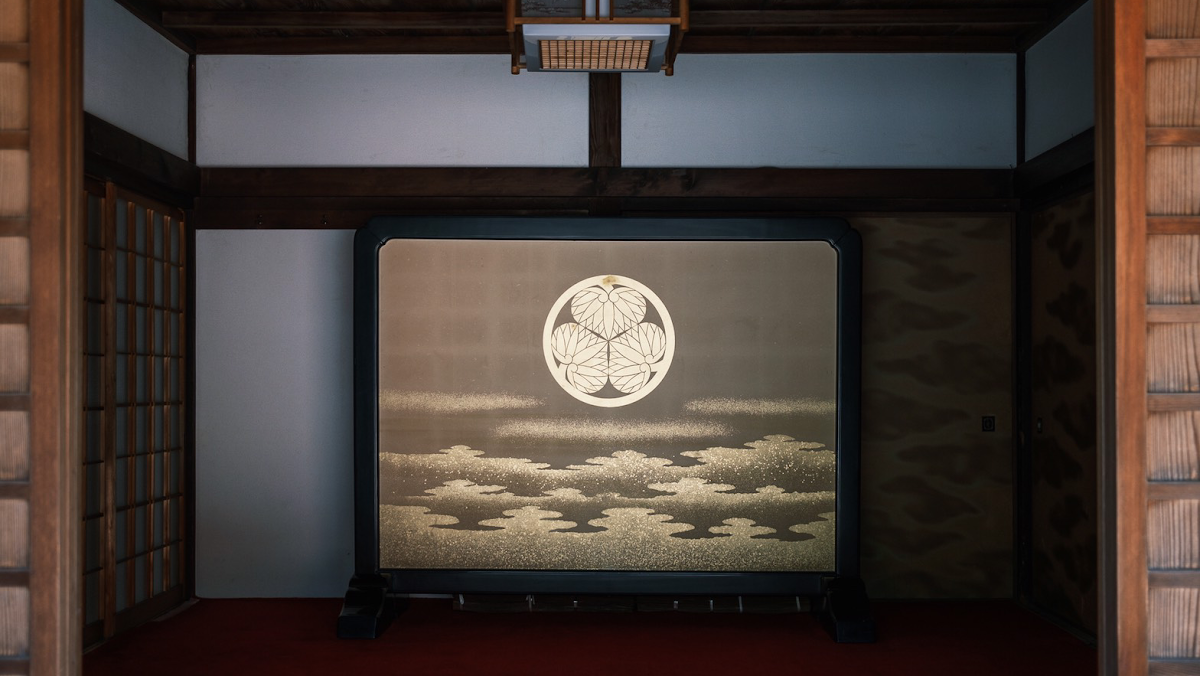
Inside the shrine building are wall paintings and ceiling paintings by the Kano and Tosa schools, two of the most prominent groups of painters representing the Edo period. The Kano school is known for its powerful and majestic brushwork, while the Tosa school is characterized by its delicate and elegant style.
The works created by these two schools, seemingly competing with each other, represent the pinnacle of early Edo period painting. Unfortunately, the interior paintings are usually not open to the public, but special exhibitions offer a rare opportunity for many visitors.
Deep Connection to the Wakayama Festival
Origin of the Wakayama Festival
The Wakayama Festival began in 1622 (Genna 8), the year after the completion of the Kishu Toshogu Shrine, to appease the spirit of Tokugawa Ieyasu. This festival, the annual grand festival of Kishu Toshogu Shrine, is held every May with great fanfare.
The Wakayama Festival was started by Tokugawa Yorinobu as a way to show filial piety to his father, and is a traditional event with a history of over 400 years. During the Edo period, it was also known as the “Tenka Matsuri” (Festival of the Realm) and flourished as a major event for the entire Kishu domain.
Festival Features and Highlights
The biggest highlight of the Wakayama Festival is the magnificent procession. A variety of performances, including portable shrines, drums, Saiga dance, and naginata (halberd) demonstrations, parade through the streets of Wakayamaura. In particular, the float called “Tosen” and the children’s procession are the highlights of the festival and captivate many spectators.
Even today, it is carefully preserved by the local people and is designated as an Intangible Folk Cultural Property of Wakayama Prefecture. During the festival, the usually quiet Wakayamaura area is filled with energy, creating a scene reminiscent of the bustling Edo period.
Prayers and Annual Events
Various Prayers
Kishu Toshogu Shrine accepts various prayers throughout the year. Prayers are offered for various life milestones and wishes, including protection from evil, protection from all directions, family safety, business prosperity, traffic safety, success in examinations, and safe childbirth.
In particular, many worshippers visit for rituals such as protection from evil during unlucky years, shrine visits for newborns, and Shichi-Go-San (a traditional rite of passage for children). As a prestigious shrine where one can receive the protection of Tokugawa Ieyasu, it attracts worshippers from both within and outside the prefecture.
Annual Events
Kishu Toshogu Shrine holds various festivals throughout the year. Beginning with the New Year’s Day festival, traditional Shinto rituals are solemnly performed, including the Setsubun Festival in February, the Waka Festival (Grand Festival) in May, and the Niiname-sai (Harvest Festival) in November.
These events attract many worshippers not only from the local area but also from far away, and the shrine’s annual events are an important part of the local culture. ## Access Information
Location
Address: 2-1-20 Wakaura-Nishi, Wakayama City, Wakayama Prefecture 641-0024
Phone: 073-444-0808
Access by Public Transportation
From JR Wakayama Station
Take the Wakayama Bus bound for “Shin-Wakaura” from JR Wakayama Station or Nankai Wakayama City Station. It takes approximately 25 minutes to reach the “Gongenmae” bus stop. Kishu Toshogu Shrine is about a 1-minute walk from the bus stop.
Bus Frequency
Wakayama Buses operate approximately 2-3 times per hour during the day, but this varies depending on the time of day, so it is recommended to check the timetable in advance. Especially on holidays, it can be crowded with tourists, so it is necessary to plan accordingly.
Access by Car
From the Hanwa Expressway
It takes approximately 20 minutes from the Hanwa Expressway Wakayama IC. After exiting the Wakayama Interchange, take National Route 42 towards Wakaura.
Parking Kishu Toshogu Shrine has a parking lot for visitors. However, congestion is expected during events such as the Wakayama Festival, so using public transportation is recommended.
Nearby Tourist Attractions
Wakaura, where Kishu Toshogu Shrine is located, has long been known as a scenic spot. The surrounding area boasts a beautiful coastline, known as “Waka-no-ura” in the Manyoshu (an ancient collection of Japanese poetry), and is dotted with famous landmarks such as Furōbashi Bridge, Kataonami Beach, and Saikazaki.
When visiting Kishu Toshogu Shrine, exploring these surrounding spots will allow you to fully enjoy the history and nature of Wakaura.
Visiting Information
Visiting Hours and Admission Fee
Visiting Hours: 9:00 AM – 4:30 PM
Admission Fee: Free entry to the shrine grounds (Special viewings of the shrine’s interior may require an additional fee)
Visiting Etiquette
Kishu Toshogu Shrine is a nationally designated Important Cultural Property and a sacred place. Please observe the following etiquette when visiting:
- Bow when passing through the torii gate
- Cleanse your hands and mouth at the water basin
- Worship at the shrine using the two bows, two claps, and one bow ritual
- Do not touch the buildings or sculptures
- Take photographs only in designated areas
- Maintain silence and be considerate of other visitors
Cultural Value of Kishu Toshogu Shrine
Significance of Important Cultural Property Designation
The main hall, stone chamber, worship hall, and gate tower of Kishu Toshogu Shrine are designated as nationally important cultural properties. This indicates that it possesses extremely high architectural and artistic value, and is a precious cultural heritage that should be preserved for future generations.
As a representative example of early Edo period Gongen-zukuri architecture, it stands alongside Nikko Toshogu Shrine as a prime example, and is indispensable for understanding the highest level of architectural technology and decorative arts of the time.
Efforts toward Preservation and Transmission
Throughout its long history, Kishu Toshogu Shrine has undergone several restorations to reach its present state. In recent years, regular restoration work has been carried out from the perspective of cultural property protection, and efforts continue to pass on its magnificent appearance to future generations.
These preservation activities require not only support from the national and prefectural governments, but also the cooperation of local people and visitors. Visiting Kishu Toshogu Shrine also contributes to supporting the efforts to protect and pass on this precious cultural property.
Kishu Toshogu Shrine in the Four Seasons
Arrival of Spring
In spring, the surrounding cherry blossoms bloom in profusion, creating a beautiful landscape with the contrast between the vermilion-lacquered shrine buildings and the cherry blossoms. Especially during the Wakayama Festival in May, the combination of fresh greenery and the festive atmosphere makes it the busiest time of year.
Summer Greenery
In summer, the shrine is enveloped in deep greenery, and the sound of cicadas fills the air, creating a sense of tranquility and solemnity. The cool breeze from Wakayama Bay is refreshing, offering a sense of coolness even amidst the heat.
Autumn Colors
In autumn, the shrine grounds are adorned with vibrant autumn leaves, creating a beautiful scene where the vividly colored shrine buildings harmonize with the red of the leaves. Viewing the historic architecture under the clear autumn sky is a truly special experience.
Winter Serenity
Winter is a season of quiet worship, with fewer visitors. In the crisp air, one can offer prayers for the new year in a solemn atmosphere. Many worshippers visit on New Year’s Day to pray for happiness in the coming year.
Summary
Kishu Toshogu Shrine is a prestigious shrine dedicated to Tokugawa Ieyasu and a nationally important cultural property showcasing the finest architectural art of the early Edo period. It is a representative historical site of Wakayama Prefecture. Since its founding in 1621, it has attracted the faith of people for over 400 years, serving as a spiritual pillar for the region and the guardian of the Nankaido area.
With its magnificent shrine buildings, exquisite carvings, and paintings by the Kano and Tosa schools, there are countless sights to see. Its majestic appearance, befitting its nickname “Nikko of Kansai,” continues to deeply impress visitors.
When visiting Wakayama City, be sure to visit Kishu Toshogu Shrine and experience the history of the Tokugawa family and the cultural heritage of the early Edo period. Along with the beautiful scenery of Wakayamaura, it will be a memorable experience.