About Tenman Shrine (Wakayama City, Wakayama Prefecture) | The Complete Picture of Wakaura Tenmangu Shrine
Located in Wakaura-nishi, Wakayama City, Wakayama Prefecture, Tenman Shrine is a well-known ancient shrine widely referred to as “Wakaura Tenmangu.” While its official legal name is “Tenman Shrine,” it is affectionately called Wakaura Tenmangu by locals.
Situated on the slopes of Mt. Tenjin (approximately 93m above sea level), it enshrines Sugawara no Michizane, revered as the god of learning, as its main deity. Along with Dazaifu Tenmangu in Fukuoka Prefecture and Kitano Tenmangu in Kyoto Prefecture, it is counted as one of the “Three Great Sugawara Shrines of Japan,” and boasts a high status nationwide.
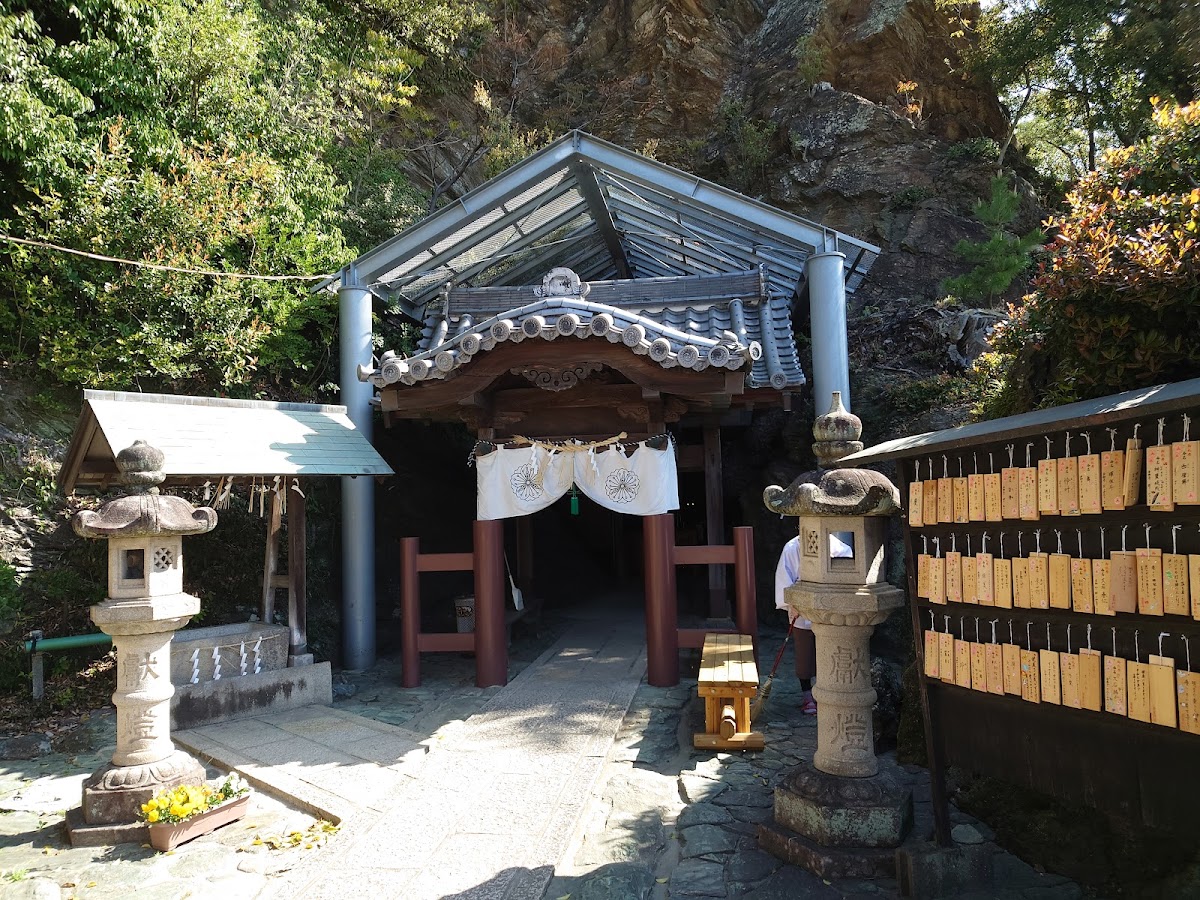
Every year during exam season, many students and their parents visit from all over the country to pray for success, and numerous votive tablets are dedicated on the shrine grounds. Revered as the tutelary deity of the entire Wakaura area, it has been passed down to this day as the center of local faith.
The Founding and History of Wakaura Tenmangu Shrine
The Connection Between Sugawara no Michizane and Wakaura
The history of Wakaura Tenmangu Shrine dates back to the first year of the Engi era (901 AD). The shrine’s origins lie in Sugawara no Michizane’s stop at Wakaura to escape rough seas on his way to exile in Dazaifu. It is said that Michizane was soothed by the beautiful scenery of Wakaura and felt a deep connection to this place.
Later, during the Kōhō era (964-968 AD), a shrine dedicated to Michizane was built at the request of a scholar of literature. This marked the beginning of Wakaura Tenmangu Shrine. As a Tenmangu shrine built on land actually visited by Michizane, it is believed to possess special spiritual power and has attracted many worshippers since ancient times.
Reconstruction by Asano Yoshinaga
The current shrine building was reconstructed in 1606 (Keicho 11) during the early Edo period by Asano Yoshinaga, the lord of the Kishu Domain. Asano Yoshinaga was a daimyo granted 376,000 koku of land in Kishu for his achievements in the Battle of Sekigahara, and he dedicated himself to the development of Wakaura Tenmangu Shrine as part of his rule over Kishu.
The construction was undertaken by Heinouchi Yoshimasa and Masanobu, a father and son renowned craftsmen from Negoro in Kishu. Masanobu, in particular, is known as one of the foremost craftsmen of his time, later appointed as the chief master carpenter for the Edo Shogunate. Thanks to the exceptional skills of this father and son, Wakaura Tenmangu Shrine was completed as a masterpiece of architectural art.
Development Since the Edo Period
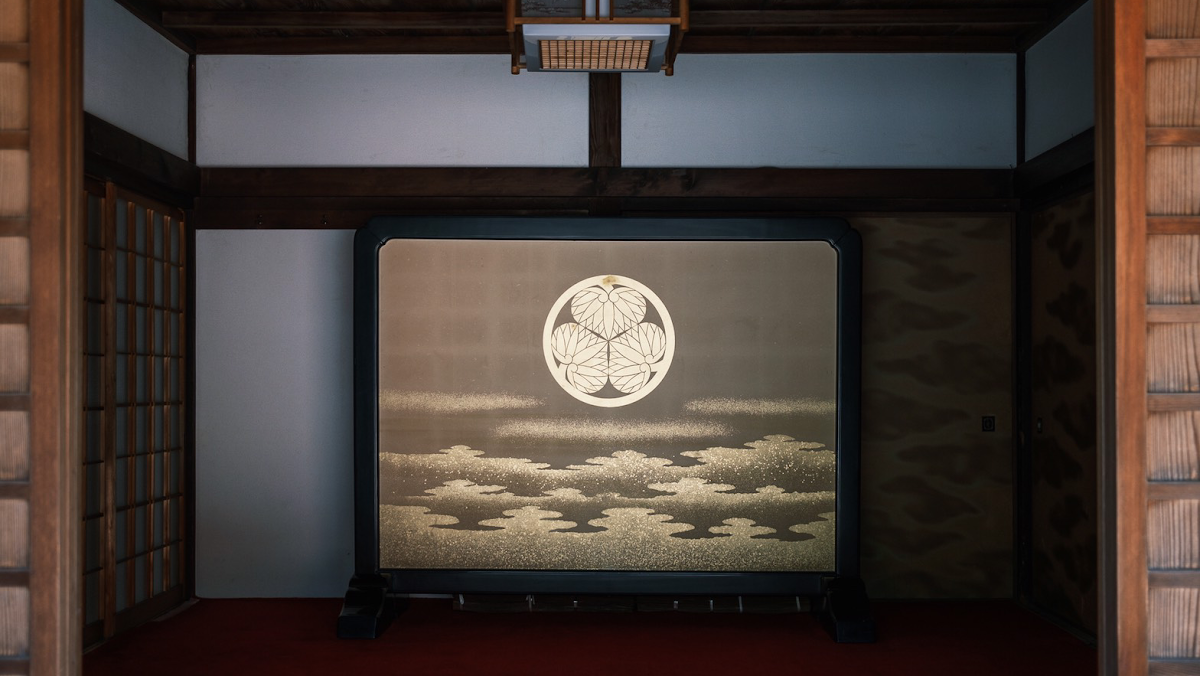
Throughout the Edo period, Wakaura Tenmangu Shrine flourished under the patronage of the Kishu Tokugawa family, becoming a central figure in the Kishu domain’s educational policies. It attracted the faith of samurai and commoners alike, and there was a constant stream of worshippers praying for academic success and improvement in calligraphy.
Even after the Meiji Restoration’s separation of Shinto and Buddhism, its faith did not wane, and in 1953, the main hall was designated a National Important Cultural Property, demonstrating its high value as a cultural asset. Even today, it remains a beloved shrine representing Wakayama Prefecture and a sacred place of learning.
National Important Cultural Property Shrine Architecture
Architectural Beauty of the Main Hall
The main hall of Wakaura Tenmangu Shrine is a valuable building designated as a National Important Cultural Property. Built in the style of irimoya-zukuri chidorihafu, both the interior and exterior are adorned with magnificent, vibrant colors.
Particularly noteworthy is the opulence of its decoration. The vibrant, predominantly vermilion coloring remains beautiful even after more than 400 years. The meticulously crafted carvings and patterns showcase the high level of architectural skill from the early Edo period.
The murals inside the main hall were painted by artists from the two major schools of painting, the Kano and Tosa schools, and possess extremely high artistic value. These murals depict auspicious motifs such as plum blossoms and pine trees, as well as designs based on Chinese historical stories, creating a solemn atmosphere befitting a shrine dedicated to the god of learning.
The Magnificence of the Tower Gate
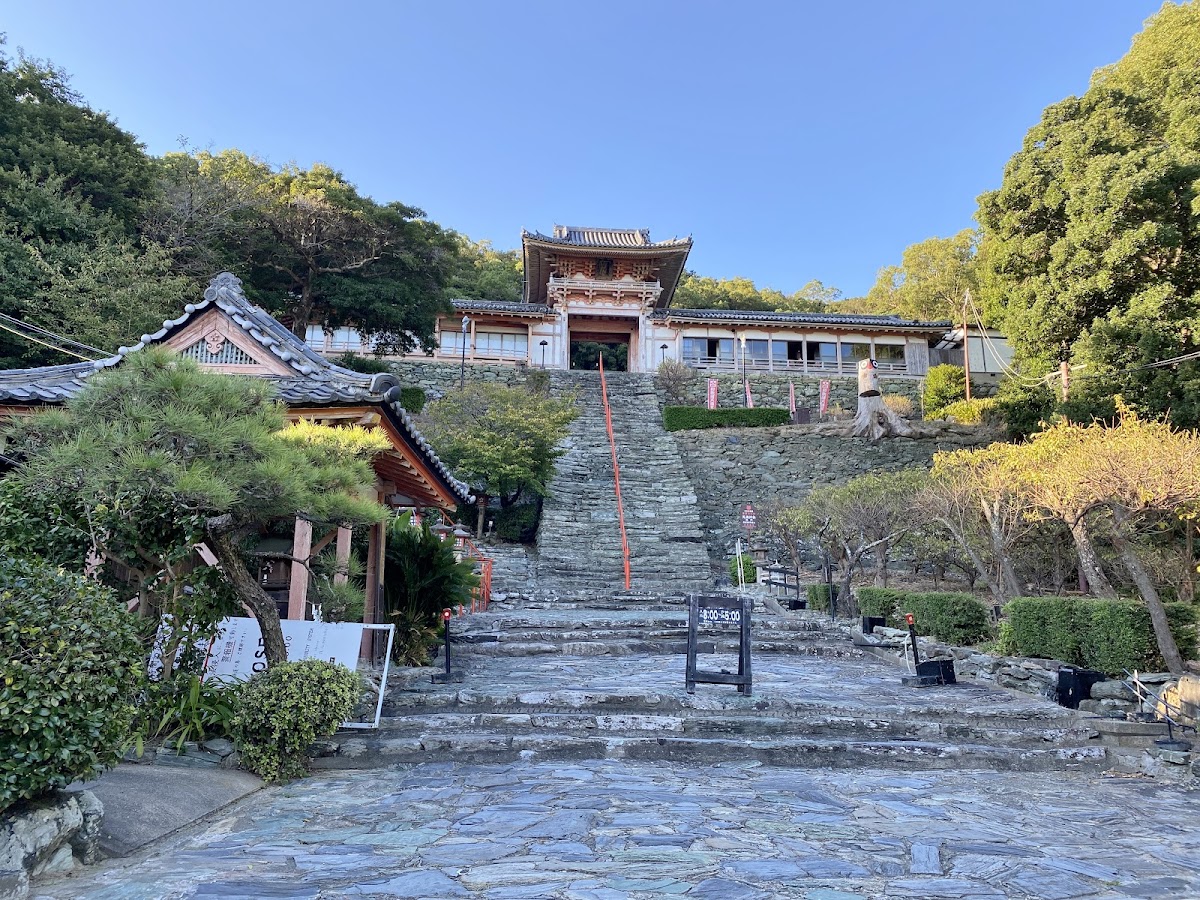
The tower gate, standing halfway up the stone steps leading to the main hall, is another highlight of Wakaura Tenmangu Shrine. This tower gate, the largest single-bay tower gate, is a masterpiece that embodies the culmination of the skills of Hirauchi Yoshimasa and Masanobu, father and son.
The view from the tower gate is counted as one of the “Ten Scenic Views of Wakaura,” offering a panoramic view of the beautiful Wakaura Bay below. It is said that in the past, a tidal flat stretched out here, and a picturesque landscape could be enjoyed with fishing boats appearing and disappearing among the pine trees. Even today, it remains a popular spot for its spectacular views of the sea and townscape of Wakaura.
Other Structures
Besides the main hall and gate tower, the shrine grounds contain several other structures that preserve the architectural style of the Edo period, including the worship hall, offering hall, and purification fountain. These buildings, together, create a solemn and elegant atmosphere befitting a sacred place.
In particular, the view of Wakaura from the shrine grounds changes with the seasons, offering different charms depending on the time of year: cherry blossoms in spring, fresh greenery in summer, autumn leaves, and the crisp air of winter.
Deities and Divine Virtues
Main Deity: Sugawara no Michizane
The main deity of Wakaura Tenmangu Shrine is Sugawara no Michizane. Sugawara no Michizane was a scholar and politician of the Heian period. He excelled in academics from a young age and served the imperial court as a scholar of literature. Due to his exceptional talent and honest character, he rose to the position of Minister of the Right, but was exiled to Dazaifu due to slander from political rivals, where he spent the rest of his life.
After his death, Michizane’s innocence was proven, and Kitano Tenmangu Shrine was founded to appease his vengeful spirit. Since then, he has been revered throughout Japan as Tenjin-sama, and is particularly worshipped as the god of learning and literature.
Divine Virtues for Academic Achievement and Success in Exams
Wakayamaura Tenmangu Shrine is believed to possess the following divine virtues as the god of learning:
- Academic Achievement: Students and examinees constantly visit the shrine, praying for academic improvement and success in exams.
- Prayers for Success: Prayers for success in all kinds of exams, including entrance exams, qualification exams, and job interviews.
- Improvement in Calligraphy: As Sugawara no Michizane was also an excellent calligrapher, prayers for improvement in calligraphy are offered.
- Improvement in Literary Arts: Improvement of talent in all literary arts, including waka and haiku.
- Imbushing Wisdom: The shrine bestows divine virtues such as judgment and wisdom.
During exam season, numerous ema (votive tablets) are dedicated on the shrine grounds, imbued with the earnest wishes of examinees. Many visitors return to offer thanks after passing their exams, continuing its role as a sacred place for learning.
Information for Visitors
Visiting Hours and Admission Fee
Wakaura Tenmangu Shrine is open year-round for worship. While the shrine office is usually open from 9:00 to 17:00, worship is possible outside of these hours. Admission is free, and anyone is welcome to visit.
However, the issuance of Goshuin (temple/shrine stamps), amulets, and prayer requests are limited to the shrine office’s opening hours. Please be mindful of these times if you wish to receive these services.
Annual Events and Festivals
Wakaura Tenmangu Shrine holds various festivals and events throughout the year.
- Hatsumode (January 1st-3rd): The shrine is bustling with New Year’s worshippers.
- Tenjin Matsuri (February 25th & September 25th): An important festival held on the anniversary of Sugawara no Michizane’s death.
- Baika Matsuri (February): A festival celebrating plum blossoms associated with Sugawara no Michizane.
- Natsukoshi no Oharae (June 30th): A Shinto ritual to purify oneself of the impurities accumulated over the past six months.
- Toshikoshi no Oharae (December 31st): A Shinto ritual to purify oneself of the impurities accumulated over the past year and welcome the new year.
Visiting the shrine during these events will allow for a deeper religious experience.
Goshuin (Shrine Seals) and Amulets
Wakayamaura Tenmangu Shrine offers Goshuin (shrine seals) as a memento of your visit. Present your Goshuincho (seal book) at the shrine office, and they will carefully inscribe it for you. The offering fee is usually around 300-500 yen.
A variety of amulets and votive tablets are available, with amulets for academic success and passing exams being particularly popular.
- Academic Success Amulet: An amulet for wishing for academic success
- Exam Success Amulet: An amulet for wishing for passing exams
- Academic Success Pencil: A pencil popular with students taking exams
- Votive Tablet: A votive tablet on which to write wishes and offer them
These items are chosen by many as souvenirs of their visit, or as gifts for themselves or loved ones.
Access and Parking Information
Location and Basic Information
Location: 2-1-24 Wakaura-Nishi, Wakayama City, Wakayama Prefecture 641-0024
Phone Number: 073-444-4769
Official Website: https://wakauratenmangu.jp/
Access by Train
Take a Wakayama Bus from JR Wakayama Station or Nankai Wakayamashi Station.
- From Wakayama Station: Take the Wakayama Bus bound for “Shin-Wakayamaura” or “Saikazaki,” get off at the “Gongenmae” bus stop, and walk for about 5 minutes.
- Travel Time: Approximately 30 minutes from Wakayama Station.
- Fare: Approximately 400 yen one way.
From the bus stop to the shrine, you will need to climb stone steps (approximately 240 steps) that lead up to the middle of Tenjin-yama mountain. Those who are not confident in their physical strength are advised to climb slowly and take breaks.
Access by Car
- Hanwa Expressway: Approximately 20 minutes from Wakayama IC.
- National Route 42: Towards Wakayamaura.
There is a free parking lot for visitors on the shrine grounds, but the number of spaces is limited (approximately 20). During exam season and New Year’s visits, congestion is expected, so using public transportation is recommended.
Points to Note When Visiting
Located on the mountainside of Tenjin-yama, the shrine requires climbing steep stone steps to reach the grounds. We recommend wearing comfortable shoes. Also, please be extra careful during rainy weather, as the steps can become slippery.
There are resting places along the steps, so please climb at your own pace without overexerting yourself. At the top, a magnificent view and a majestic shrine await you.
Tourist Attractions Around Wakaura Tenmangu Shrine
Scenic Spots of Wakaura
If you visit Wakaura Tenmangu Shrine, we recommend also visiting the surrounding tourist attractions.
Kataonami Beach: A beautiful beach representative of Wakaura, a scenic spot celebrated in poetry since the Manyo period. It is bustling with swimmers in the summer, and is also ideal for strolling during other seasons.
Furo Bridge: A stone arch bridge built during the Edo period, designated as a cultural property of Wakayama Prefecture. The gracefully curving bridge has become a symbolic landmark of Wakaura.
Kishu Toshogu Shrine: A Toshogu shrine dedicated to Tokugawa Ieyasu, boasting a scale second only to Nikko Toshogu Shrine. Located about a 5-minute drive from Wakaura Tenmangu Shrine, its magnificent and opulent buildings are a must-see.
Sightseeing in Wakayama City
Wakayama Castle: A famous castle that flourished as the residence of the Kishu Tokugawa family, and a symbol of Wakayama City. The view from the castle tower is magnificent, offering a panoramic view of the city.
Wakayama Marina City: A complex resort facility with a theme park, hot springs, and hotels. A popular spot for families.
The Charm of Wakaura Tenmangu Shrine and Reasons to Visit
Wakaura Tenmangu Shrine is a shrine with multifaceted charms that go beyond being merely a tourist attraction or place of worship.
Historical Value
As one of Japan’s three most important Sugawara shrines, Wakaura Tenmangu Shrine, with a history spanning over 1000 years, occupies a significant position in Japan’s religious and cultural history. Its history of being built on land actually visited by Sugawara no Michizane is unique and unmatched by many other Tenmangu shrines.
Architectural and Artistic Value
The main hall and other buildings, designated as a National Important Cultural Property, are a valuable cultural heritage that conveys the high level of architectural technology and artistry of the early Edo period. The exceptional skills of the father-son duo, Hirauchi Yoshimasa and Masanobu, and the murals by the Kano and Tosa schools, represent a comprehensive work of art that fuses architecture and painting.
Value as a Place of Worship
As the god of learning, Wakaura Tenmangu Shrine continues to attract many students and those preparing for exams, functioning as a living place of worship even in modern society. The positive cycle of many people who visit to pray for success in exams having their wishes granted and then returning to offer thanks speaks to the shrine’s powerful spiritual efficacy.
Scenic Beauty
The view of Wakaura Bay from its location on the slopes of Mt. Tenjin is a breathtaking sight, long counted among the “Ten Scenic Views of Wakaura Bay.” The beautiful scenery, where nature and historical buildings harmonize, soothes the hearts of visitors and leaves them feeling refreshed.
Summary: Visiting Wakaura Tenmangu Shrine
Wakaura Tenmangu Shrine, located in Wakayama City, Wakayama Prefecture, is a historic shrine dedicated to Sugawara no Michizane, the god of learning. Known nationwide as one of the three major Sugawara shrines in Japan, it boasts high architectural value, including its main hall and gate tower, both designated as important national cultural properties.
It is a place of worship visited by many people praying for success in exams, academic achievement, and wisdom, and is also a tourist spot where visitors can enjoy the beautiful scenery of Wakaura Bay.
When visiting Wakayama, be sure to visit Wakaura Tenmangu Shrine and experience its history, culture, and beautiful scenery. The majestic shrine awaiting you at the top of the stone steps, and the breathtaking view from there, will surely become an unforgettable memory.
This shrine is worth visiting for everyone, whether you are praying for academic success, interested in history and architecture, or simply want to enjoy beautiful scenery. Visit Wakaura Tenmangu Shrine, offer your prayers in tranquility, and receive the divine blessings of Sugawara no Michizane.