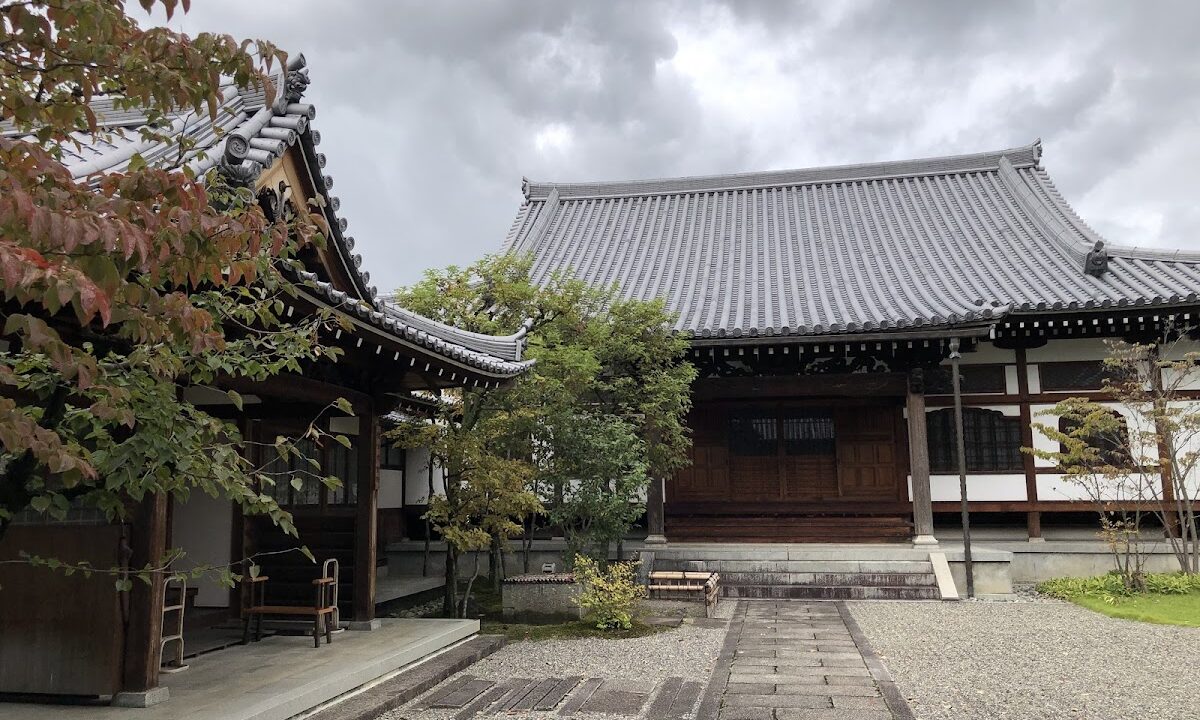
Keidenji Temple (Sakurai City, Nara Prefecture) Complete Guide | History and Highlights of a Soto Zen Temple Associated with Oda Urakusai
Keidenji Temple, located in Shiba, Sakurai City, Nara Prefecture, is a Soto Zen temple associated with Oda Urakusai (Nagamasu), the youngest brother of Oda Nobunaga, a renowned Sengoku period warlord. It boasts a history dating back to the Edo period as the family temple of the Oda clan of Shibamura Domain, and houses a precious eleven-faced Kannon Bodhisattva statue, believed to be from the Heian period, as its principal image. This article provides a detailed introduction to Keidenji Temple, including its history, highlights, and access information.
Basic Information about Keidenji Temple
Official Name: Sanrinzan Keidenji Temple
Sect: Soto Zen Buddhism
Principal Image: Eleven-faced Kannon Bodhisattva Standing Statue (Heian Period)
Address: 753 Shiba, Sakurai City, Nara Prefecture
Chief Priest: Otake Genpo
Founding: There are theories that it was founded in 1789 (Kansei 1) or in the 15th century
Keidenji Temple is located in the Shiba district of Sakurai City, Nara Prefecture, and is a Soto Zen Buddhist temple with Sanrinzan as its mountain name. It has deep ties to the Oda family of the Shibamura Domain and is an important cultural heritage site that conveys the history of the region to the present day.
History and Origins of Keidenji Temple
Circumstances of Founding and Relationship with the Oda Family
There are two theories regarding the founding of Keidenji Temple: one that it was founded in 1789 (Kansei 1), and another that it dates back to the 15th century. In any case, this temple first appears on the historical stage due to its connection with Oda Urakusai (Oda Nagamasu, 1547-1622), the youngest brother of Oda Nobunaga.
Oda Urakusai survived the Honnoji Incident and is known as a cultured man who founded the “Uraku-ryu” school of tea ceremony. His descendants became the lords of the Shibamura Domain (Shibamura, Shikigami District, Yamato Province), and Keidenji Temple played an important role as the Oda family’s ancestral temple.
As the Ancestral Temple of the Oda Clan of the Shibamura Domain
The Shibamura Domain was a small domain that existed in Yamato Province (present-day Nara Prefecture) during the Edo period, with a rice yield of approximately 10,000 koku. The lineage of Oda Nagamasa, the fourth son of Oda Urakusai, served as lords and continued until the Meiji Restoration. Keidenji Temple protected the tombs of successive lords and members of the Oda family, and has served as a spiritual pillar of the Oda family in the Shibamura area.
Shiba in Sakurai City has been a transportation hub since ancient times and is a region influenced by the worship of Mount Miwa. Within this historical context, Keidenji Temple has balanced its roles as both a Buddhist temple and a family temple of a daimyo (feudal lord).
Anti-Buddhist Movement and Relocation of Buddhist Statues
During the anti-Buddhist movement in the early Meiji era, many temples in Nara Prefecture were abolished. Keidenji Temple fortunately survived, but during this period, several Buddhist statues were moved from nearby abolished temples. Some of the Amida Buddha and Eleven-Headed Kannon statues currently housed in the ossuary behind the main hall came to be at Keidenji Temple through this process.
These Buddhist statues are carefully preserved at Keidenji Temple as valuable cultural assets that convey the memory of the lost temples.
Highlights of Keidenji Temple
Principal Image: Eleven-Headed Kannon Bodhisattva Standing Statue
The greatest highlight of Keidenji Temple is its principal image, the Eleven-Headed Kannon Bodhisattva standing statue. This statue is believed to be from the Heian period and is highly valued as a rare ancient statue in the Sakurai City area.
The Eleven-Headed Kannon is a Kannon Bodhisattva with eleven faces on its head, and is an object of worship that watches over and saves all sentient beings from all directions. The Eleven-Headed Kannon statue at Keidenji Temple retains the gentle and elegant expression characteristic of the Heian period, demonstrating the high level of Buddhist art at that time.
While information on the statue’s height and detailed style is limited, it is undoubtedly a valuable Heian-period Buddhist statue in this region.
Buddhist Statues in the Ossuary
Behind the main hall, in the ossuary, in addition to the principal image, statues of Amida Buddha and Eleven-Headed Kannon are enshrined. As mentioned earlier, these statues were moved from nearby abandoned temples during the anti-Buddhist movement in the early Meiji period.
While the names and histories of the abandoned temples remain largely unknown, these Buddhist statues are important historical documents that demonstrate the diversity and depth of the region’s Buddhist culture.
Atmosphere of the Temple Grounds
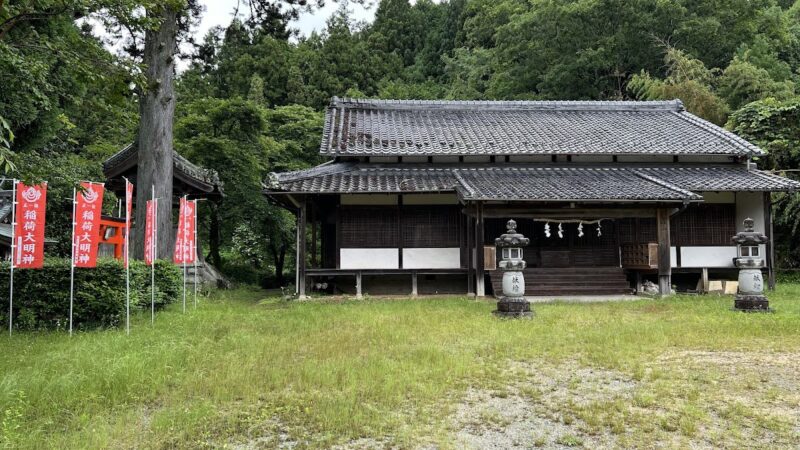
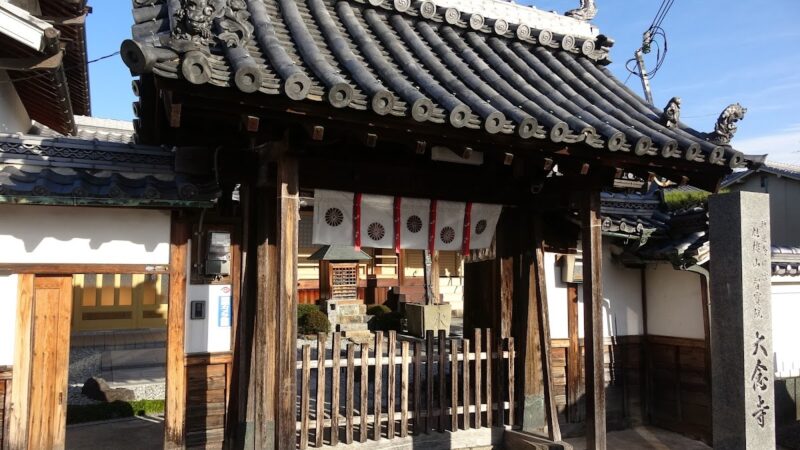
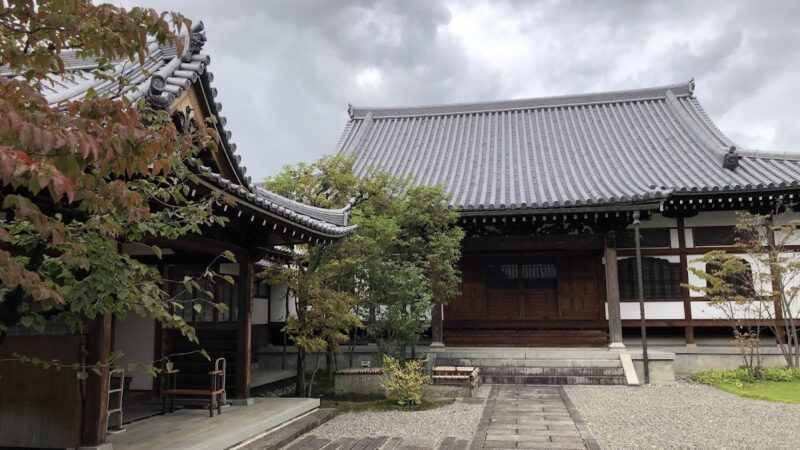
Keitaji Temple is located in a quiet residential area of Shiba, Sakurai City. Its simple and tranquil atmosphere, typical of a Soto Zen temple, provides peace to visitors.
As evidenced by its mountain name, Mount Miwa, this region has been strongly influenced by the worship of Mount Miwa since ancient times. Keitaji Temple can also be said to be a temple that has been nurtured within this regional religious culture.
Oda Family Burial Grounds
As the family temple of the Oda clan of Shibamura Domain, the temple grounds contain the burial grounds of successive generations of the Oda family. As the burial grounds of a family descended from Oda Nobunaga, it is a historical site of great historical value.
While Oda Urakusai’s own grave is located at Shoden-ji Temple and Shoden-in, a sub-temple of Kennin-ji Temple in Kyoto, the fact that the graves of his descendants, the lords of the Shibamura domain, rest here at Keiden-ji Temple is of significant importance in understanding the history of the Oda family.
About the Soto Zen School
The Soto Zen school, to which Keiden-ji Temple belongs, is a branch of Zen Buddhism brought to Japan by Zen Master Dogen during the Kamakura period. It is known as a sect that emphasizes “shikan taza,” that is, single-minded devotion to seated meditation.
The characteristics of the Soto Zen sect are as follows:
- Principal Deity: While Shakyamuni Buddha is generally the principal deity, this may vary depending on the temple.
- Training: Zazen (seated meditation) is considered the most important training method.
- Teachings: The philosophy of “Shusho Itto” (training and enlightenment are one).
- Head Temple: Eiheiji Temple in Fukui Prefecture and Sojiji Temple in Kanagawa Prefecture.
Keitaji Temple, while a Soto Zen temple, has a unique character, being connected to local Kannon worship by having Eleven-faced Kannon Bodhisattva as its principal deity.
Access and Visiting Information
Access by Train
Nearest Station: JR Sakurai Line (Manyo Mahoroba Line) Makimuku Station
Distance from Station: Approximately 15-20 minutes on foot
Makimuku Station is located in an area known for the ancient Makimuku ruins, making it a convenient base for historical walks. From the station to Keidenji Temple, you can walk through a peaceful rural landscape.
Access by Car
Major Roads: Via National Route 169 and Prefectural Route 50 (Tenri Ring Road)
Parking: Please contact the temple directly for details.
Sakurai City, Nara Prefecture, is approximately 20 minutes from the Tenri IC on the Nishi-Meihan Expressway from Osaka, and approximately 20 minutes from the Tenri IC on the Meihan Expressway from Nagoya.
Visiting Information
Visiting Hours: Similar to general temple visiting hours, but prior contact is recommended.
Admission Fee: Information is not publicly available; it is recommended to confirm before visiting.
Contact Information: 753 Shiba, Sakurai City, Nara Prefecture
Keidaji Temple is more of a community-based temple serving parishioners than a tourist temple. Therefore, if you wish to visit, it is recommended to contact the temple in advance. Especially if you wish to view the main image or the Buddha statues in the ossuary, be sure to inquire in advance.
Nearby Tourist Attractions
The Shiba area of Sakurai City boasts numerous attractions for ancient history enthusiasts and history buffs.
Mount Miwa and Omiwa Shrine
Mount Miwa, which is also the mountain name of Keidenji Temple, is the sacred object of worship at Omiwa Shrine, considered one of Japan’s oldest shrines. The mountain itself is an object of worship, and strict rituals are required for entry.
Omiwa Shrine is about a 10-minute drive or a 30-minute walk from Keidenji Temple, and is a center of ancient worship visited by many.
Makimuku Ruins
Near the nearest Makimuku Station are the Makimuku Ruins, considered a strong candidate for the site of Yamatai-koku. This large settlement site from around the 3rd century evokes the era of Queen Himiko and is a place full of historical romance.
Hase-dera Temple
Hase-dera Temple, a representative temple of Sakurai City, is about a 15-minute drive from Keidenji Temple. Known as the “Temple of Flowers,” it is particularly famous for the beauty of its peonies and cherry blossoms in spring and its autumn foliage. Sharing the Eleven-Faced Kannon Bodhisattva as its principal deity, it is a sacred site of Kannon worship, attracting many visitors.
Abe Monjuin Temple
Abe Monjuin Temple, whose principal deity is Monju Bodhisattva (known for the proverb “Three heads are better than one”), is also an important temple in Sakurai City. It is popular as a place to pray for academic success.
Manners for Visiting Keidenji Temple
When visiting the temple, please observe the following basic manners:
- Dress Code: Avoid revealing clothing and wear modest attire.
- Photography: Permission is required to photograph the main hall or Buddha statues. Always check in advance.
- Quietness: Please be quiet on the temple grounds and be considerate of other visitors.
- Worship Etiquette: In the Soto Zen sect, the basic practice is to bow with hands clasped together. Let’s quietly put our hands together in prayer in front of the main hall.
- Offering: It is customary to offer an offering if you receive a visit or special guidance.
Annual Events at Keidenji Temple
As a Soto Zen temple, Keidenji Temple is believed to hold various Buddhist events throughout the year. The main events of a typical Soto Zen temple include the following:
- Shushō-e: New Year’s service
- Spring and Autumn Equinox Services: Equinox services
- Urabon-e: Obon service
- Founder’s Memorial Service: Memorial service on the anniversary of the founder’s death
For specific dates and whether general participation is permitted, please contact the temple directly.
History and Culture of Sakurai City
Sakurai City, where Keidenji Temple is located, is situated in the central part of Nara Prefecture and is an important region as a stage for ancient history.
Ancient History
The Sakurai City area is home to many legendary sites mentioned in the Kojiki and Nihon Shoki. It is home to important historical sites from the formative period of Japan, including the legend of Emperor Jimmu’s eastern expedition (considered the first emperor), the Shiki no Mizukaki Palace of Emperor Sujin (the 10th emperor), and the Makimuku Ruins, a candidate site for Yamatai-koku.
Connection to the Manyoshu
Sakurai City is also known as the “hometown of the Manyoshu,” and many places served as settings for poems composed in the Manyoshu. Poems about Mount Miwa and Hatsuse (Hase) are among those that convey the feelings of ancient people, making it a beloved place for poetic imagery.
The Oda Family’s Rule of Shibamura
During the Edo period, the Oda family, patrons of Keidenji Temple, ruled Shibamura. Despite being a small domain, as a prestigious family descended from Oda Nobunaga, they exerted a significant influence on local culture and administration. Keidenji Temple served as its spiritual pillar and was an indispensable part of Shibamura’s history. ## A Recommendation to Visit Keidaji Temple
Keidaji Temple is not heavily advertised as a tourist temple, but that’s precisely why it’s a valuable place to quietly contemplate history.
Recommended for:
- Those interested in the Oda family and Sengoku period history: As the family temple of the Shibamura Domain, ruled by descendants of Oda Urakusai, you can trace the history of the Oda family.
- Those interested in Heian Buddhist art: The Eleven-Headed Kannon Bodhisattva standing statue from the Heian period is a rare ancient statue in this region.
- Those who prefer quiet temple visits: You can worship in a calm atmosphere, away from the crowds of tourists.
- Those who want to explore the history of Sakurai City: By visiting Keidaji Temple in conjunction with Mount Miwa, the Makimuku Ruins, and Hase-dera Temple, you can experience the history of Sakurai City from ancient times to the early modern period.
Things to Keep in Mind When Visiting
Keidaji Temple is a community-based temple, a place of daily faith for the head priest and parishioners. When visiting, it is important to fully understand these points and to worship with respect.
Especially if you wish to view the main image or the Buddha statues in the ossuary, be sure to contact the temple in advance and obtain permission to visit. Avoid sudden visits and show respect for the temple’s schedule.
Summary
Keitaji Temple in Shiba, Sakurai City, Nara Prefecture, is an important Soto Zen temple associated with Oda Urakusai, and an ancient temple that preserves a standing eleven-faced Kannon Bodhisattva statue from the Heian period, conveying the history and culture of the region to the present day.
With its role as the family temple of the Oda clan of Shibamura Domain, its collection of Buddha statues that survived the anti-Buddhist movement, and its connection to the worship of Mount Miwa, Keitaji Temple has a multi-layered history and is a must-visit spot when visiting Sakurai City.
Visiting Keitaji Temple in conjunction with other famous tourist spots in the area, such as Omiwa Shrine, Hase-dera Temple, and the Makimuku Ruins, will allow you to gain a deeper understanding of Sakurai City’s rich history from ancient times to the early modern period.
Why not spend some enriching time at Keidenji Temple, where you can offer your prayers in the tranquil temple grounds, reflect on the history of the Oda family, and appreciate the splendor of Buddhist art that has continued since the Heian period?