Complete Guide to Saihoji Temple (Sakurai City, Nara Prefecture) | History, Access, and Detailed Information on Memorial Services for Stillborn Children
Located in Kaishige, Sakurai City, Nara Prefecture, Saihoji Temple is a Jodo sect temple deeply rooted in the local community. This article provides detailed information for those considering a visit, including Saihoji Temple’s historical background, religious characteristics, various memorial services including memorial services for stillborn children, and access methods.
Overview and Basic Information of Saihoji Temple
Basic Temple Data
Saihoji Temple is a Jodo sect temple located at 234 Kaishige, Sakurai City, Nara Prefecture. Its postal code is 633-0064, and its corporate number is registered as 3150005003930.
Basic Information List
- Temple Name: Saihoji Temple
- Sect: Jodo-shu (Pure Land Buddhism)
- Principal Image: Amida Buddha
- Address: 234, Kaiju, Sakurai City, Nara Prefecture
- Postal Code: 〒633-0064
- Nearest Station: Approximately 8 minutes on foot from JR Sakurai Station
- Phone Number: Please confirm in advance when making inquiries.
The Position of Temples in Sakurai City
Nara Prefecture has approximately 1,799 temples, and 50 temples are scattered throughout Sakurai City alone. Among them, Saihoji Temple is known for continuing to uphold the traditional teachings of the Jodo-shu sect while responding to modern needs such as memorial services for stillborn babies and perpetual memorial services.
Sakurai City is a region that flourished as the center of ancient Japan, and many historical temples, including Hase-dera Temple, exist there. Saihoji Temple also plays an important role in conveying the Buddhist culture of this region to the present day.
History and Origins of Saihoji Temple
Origins as a Jodo Sect Temple
Saihoji Temple is a Jodo sect temple, with Amida Buddha as its principal deity. The Jodo sect, founded by Honen Shonin, teaches that anyone can attain rebirth in the Western Pure Land by chanting the Nembutsu, “Namu Amida Butsu.”
The temple’s name, Saihoji, itself derives from the “Western Pure Land,” where Amida Buddha resides, representing the temple’s mission to guide the deceased to the Pure Land.
Deep Connections with the Kaishige District
The Kaishige district, where Saihoji Temple is located, is a residential area close to the center of Sakurai City. It has a long history of being rooted in this area and functioning as a center of faith for local residents.
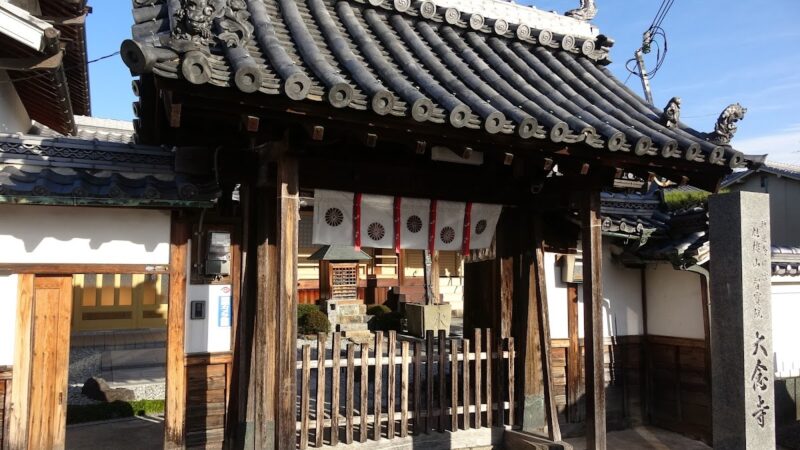
The Jizo Bodhisattva enshrined in front of the temple gate is worshipped with the wish for the peaceful rebirth of all children and is deeply cherished by the local residents. Many people visit the temple daily to pray for the healthy growth of children and for the repose of the souls of unborn children.
Religious Characteristics of Saihoji Temple
About the Principal Image, Amida Buddha
The principal image of Saihoji Temple, Amida Buddha, also known as the Buddha of Immeasurable Life, is worshipped as a Buddha possessing boundless life and light. In the teachings of the Jodo sect, it is believed that by believing in Amida Buddha’s original vow and chanting the Nembutsu, anyone can attain rebirth in the Pure Land.
At Saihoji Temple, it is believed that Amida Buddha will save deceased children and guide them to the Western Pure Land, playing a particularly important role in the repose of the souls of unborn children.
Faith in Jizo Bodhisattva
The Jizo Bodhisattva enshrined in front of the temple gate is one of the major characteristics of Saihoji Temple. Jizo Bodhisattva is widely worshipped as the guardian deity of children, and is especially known for saving children who die at a young age.
The Jizo Bodhisattva at Saihoji Temple is enshrined with the wish for “the complete realm of children,” and it is a place where people pray for the happiness of all children, not just miscarriages and stillbirths. Local residents can be seen visiting the temple daily, offering flowers and other offerings.
About Mizuko Kuyo (Memorial Service for Miscarried/Stillborn Children)
The Significance of Mizuko Kuyo at Saihoji Temple
Saihoji Temple is known as one of the temples in Nara Prefecture that performs Mizuko Kuyo. Mizuko Kuyo is a Buddhist service to comfort and honor the spirits of fetuses and infants who have died due to miscarriage, stillbirth, or abortion.
Based on the teachings of the Jodo sect, Saihoji Temple performs careful memorial services, hoping that the spirits of the miscarried/stillborn children will be guided to the Pure Land through the compassion of Amida Buddha.
Implementation of Individual Memorial Services
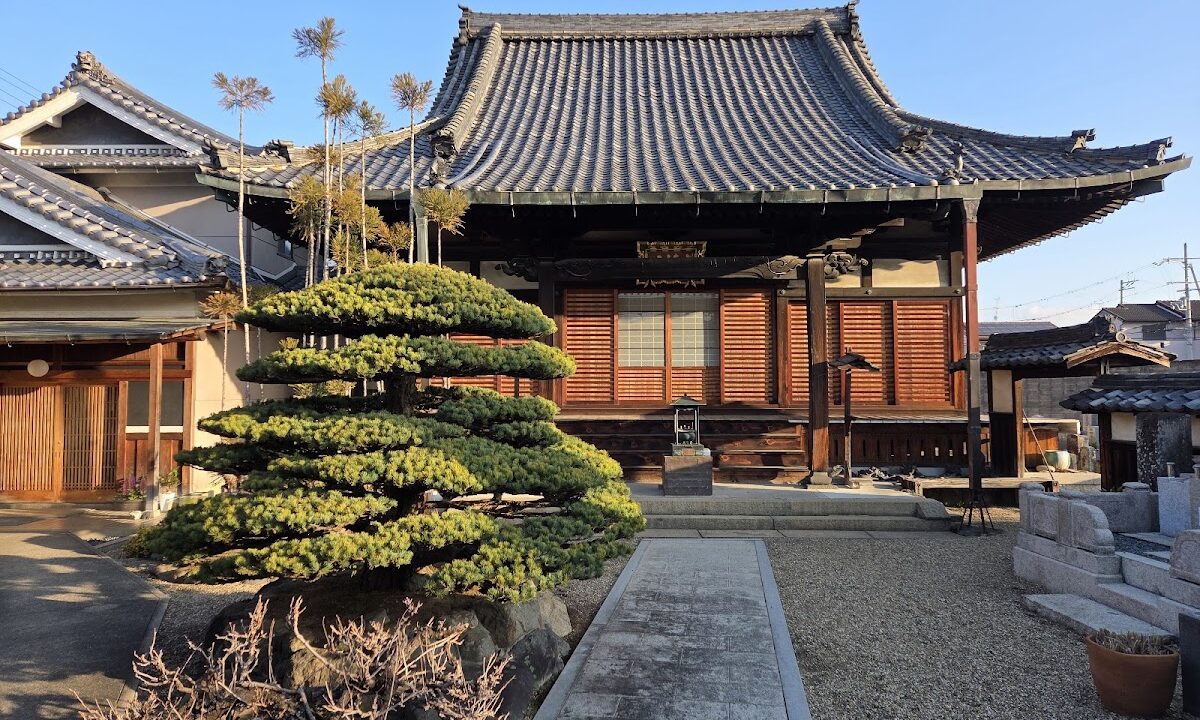
Saihoji Temple offers individual memorial services by appointment. A private environment is provided where families can quietly perform memorial services with their privacy respected. In the historic main hall, the head priest will chant sutras and give a sermon, allowing for a heartfelt memorial service.
The advantage of individual memorial services is that you can remember the deceased at your own pace without worrying about other worshippers. Especially in sensitive cases such as memorial services for stillborn babies, individual attention provides great peace of mind.
Flow of Memorial Services for Stillborn Babies
The general flow of a memorial service for stillborn babies is as follows:
- Advance Reservation: Reserve the date and time of the service by phone or by visiting the temple directly.
- Registration: Complete registration at the main hall on the day of the service.
- Memorial Service: Chanting of sutras and incense offering by the head priest.
- Sermon: A sermon and talk on emotional support from the head priest.
- Stupa Erection: A stupa can be erected upon request.
- Post-Memorial Service Support: Consultation regarding ongoing memorial services and annual memorial services.
Mindset Regarding Memorial Services for Stillborn Babies
Memorial services for stillborn babies are not only about comforting the spirit of the deceased child, but also hold significant meaning in healing the hearts of the parents and family. For those grappling with guilt or sadness, Buddhist memorial services can provide solace and peace of mind.
At Saihoji Temple, we strive to create an atmosphere where people can easily seek advice and support. We are committed to providing courteous service so that even first-time visitors can feel at ease.
About Perpetual Memorial Services and Interment
Overview of Perpetual Memorial Services
At Saihoji Temple, we accept not only memorial services for stillborn babies but also perpetual memorial services. Perpetual memorial services are a system where the temple provides perpetual memorial services and management for those who have no successors to their graves or who do not want to burden their descendants with grave maintenance.
In modern society, with the declining birthrate, aging population, and increasing nuclear families, the need for perpetual memorial services is growing year by year. Saihoji Temple responds to these changes and provides a place for perpetual memorial services that can be used with peace of mind.
Forms of Interment and Memorial Services
There are two methods of interment: individual interment and communal interment. Individual interment typically involves placing the remains individually for a certain period (usually until the 13th or 33rd anniversary of death), after which they are interred together. Joint interment, on the other hand, involves interring the remains together with others from the beginning.
For specific details regarding interment methods and fees at Saihoji Temple, we recommend contacting the temple directly. You can discuss the most suitable memorial service method based on your family’s circumstances and wishes.
Access and Surrounding Environment
Access by Train
Access from JR Sakurai Station
The nearest station to Saihoji Temple is Sakurai Station on the JR Sakurai Line (Manyo Mahoroba Line). It is very easily accessible, approximately an 8-minute walk from the station.
Walking Route:
- Exit the south exit of JR Sakurai Station.
- Head towards National Route 165.
- Proceed towards the Kaishige area.
- Walk through the residential area to reach Saihoji Temple.
The route from the station is relatively flat and easy to walk, even for the elderly or those with mobility issues.
Access by Car
Access from Major Roads
- From National Route 165: Take National Route 165 from the Sakurai city center towards the Kaishige area.
- From the Nishi-Meihan Expressway: Approximately 15 minutes from Tenri IC, approximately 20 minutes from Koriyama IC.
- From the Meihan Expressway: Approximately 30 minutes from Hari IC.
We recommend checking with the temple in advance regarding parking availability and capacity. Especially during memorial services, it’s advisable to discuss securing parking spaces beforehand.
Major Temples and Shrines in the Surrounding Area
Sakurai City is a historical region often called “Japan’s Hometown,” and is home to many famous temples and shrines in the surrounding area.
Major Temples and Shrines in the Nearby:
- Hase-dera Temple: The head temple of the Buzan branch of Shingon Buddhism, famous as the “Temple of Flowers.” A famous spot for peonies and autumn leaves.
- Omiwa Shrine: One of Japan’s oldest shrines, with Mount Miwa as its sacred object.
- Tanzan Shrine: A shrine dedicated to Fujiwara no Kamatari, a famous spot for autumn leaves.
- Abe Monjuin Temple: One of Japan’s three most famous Monju temples, known for prayers for academic success.
When visiting Saihoji Temple, you can also visit these historical temples and shrines to experience Sakurai City’s rich cultural heritage.
Characteristics and Charms of Saihoji Temple
Temple Management Rooted in the Community
A major characteristic of Saihoji Temple is its deep connection with the local residents. Many people pray daily before the Jizo Bodhisattva in front of the temple gate, wishing for the healthy growth of their children.
For the local community, Saihoji Temple is not merely a religious facility, but a place of spiritual solace. It aims to be an open temple that addresses not only weddings and funerals, but also everyday worries and concerns.
Personalized Service
At Saihoji Temple, all memorial services are conducted as individual services by appointment. This allows us to carefully attend to each visitor and provide memorial services tailored to their individual circumstances and wishes.
Especially for sensitive matters such as memorial services for stillborn babies, consideration for privacy is essential. Saihoji Temple’s individualized service reflects its empathetic approach to the feelings of its visitors.
Memorial Services in the Historic Main Hall
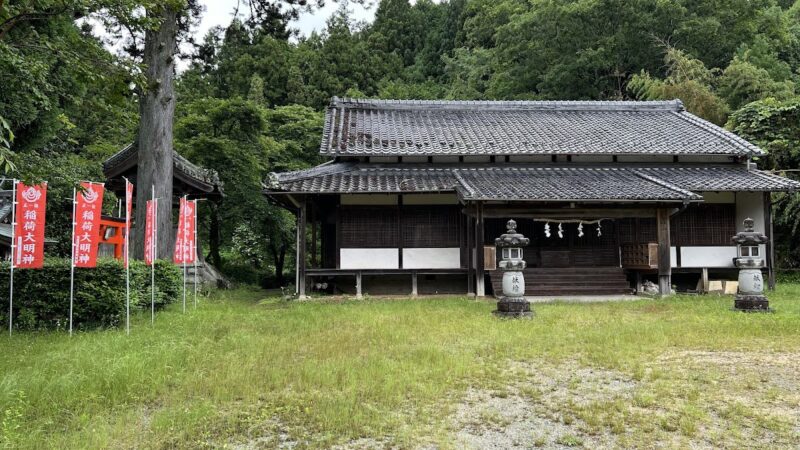
The main hall of Saihoji Temple possesses a solemn atmosphere that evokes a sense of history. Memorial services held in the main hall, which enshrines Amida Buddha as its principal deity, are deeply moving experiences.
In the tranquil space of the main hall, which has been preserved for centuries, you can quietly offer your prayers, escaping the hustle and bustle of everyday life and having time to converse with your loved ones and reflect on your own inner self.
Notes and Manners for Visiting
Attire
For formal memorial services such as Mizuko Kuyo (memorial service for aborted or stillborn babies) or Eitai Kuyo (perpetual memorial service), semi-formal attire or subdued colors are preferable. However, for everyday visits, clean and understated clothing is acceptable.
Reservations and Prior Contact
Nishihoji Temple conducts individual memorial services by reservation only. It is important to contact the temple by phone or other means before visiting to confirm the date and time. Prior contact is especially essential in the following cases:
- If you wish to have a Mizuko Kuyo (memorial service for aborted or stillborn babies)
- If you wish to discuss Eitai Kuyo or interment
- If you wish to request a memorial service
- If you are visiting for the first time and require detailed guidance
Offerings and Memorial Service Fees
The amount of offerings and memorial service fees varies depending on the temple. For specific amounts at Nishihoji Temple, please inquire directly when making a reservation. Generally, the cost varies depending on the content and scale of the memorial service.
It’s important to ask questions without hesitation if you have any unclear points or concerns. The temples also strive to create an atmosphere where people can easily consult with them.
History and Cultural Background of Sakurai City
Sakurai: The Center of Ancient Japan
Sakurai City played an extremely important role in ancient Japan. Many events mentioned in the *Nihon Shoki* and *Kojiki* are said to have occurred here, and it is also called “the homeland of Japan.”
Major Historical Elements of Sakurai City:
- Miwa Mountain Faith: The center of Japan’s oldest Shinto faith
- Yamanobe no Michi: An ancient road known as Japan’s oldest road
- Site Associated with the Manyoshu: A place where many Manyoshu poems were composed
- Site of the Introduction of Buddhism: An important area related to the introduction of Buddhism to Japan
Temple Culture of Sakurai City
Sakurai City has 50 temples, each with its own unique history and characteristics. A diverse range of temples coexist, from large-scale temples like Hase-dera to community-oriented temples like Saiho-ji.
These temples are not merely religious institutions; they play a vital role in conveying the local culture and history. Through annual events and festivals, they contribute to the preservation of traditional culture.
The Teachings of the Jodo Sect and Saiho-ji Temple
Basic Doctrines of the Jodo Sect
The Jodo Sect is a Buddhist sect founded by Honen Shonin (1133-1212). The core of its teachings lies in “exclusive recitation of the Buddha’s name,” believing that by chanting “Namu Amida Butsu,” anyone can attain rebirth in the Pure Land through the original vow of Amida Buddha.
Characteristics of the Jodo Sect:
- Ease of Practice: Emphasizes the act of chanting the Buddha’s name, which anyone can do, rather than difficult ascetic practices.
- Equality: All people are saved regardless of their social status or ability.
- Reliance on Other Power: Salvation is achieved not through one’s own power, but through the power of Amida Buddha.
Rebirth in the Western Pure Land
As the temple name, Saihoji, suggests, the Jodo sect aims for the Pure Land located in the west. This Pure Land, where Amida Buddha resides, is considered an ideal world free from suffering.
This teaching holds great significance, especially in the context of memorial services for stillborn babies. The belief that children who died young can rest peacefully in the Pure Land through the compassion of Amida Buddha brings peace of mind to the bereaved.
The Role of Temples in Modern Times
As a Place for Mental Care
In modern society, temples play a role that goes beyond mere religious institutions. Temples like Saihoji Temple, which perform memorial services for miscarried or stillborn babies, also function as places of emotional support for those grieving or feeling guilty.
Through dialogue and sermons with the head priest, people can find closure and gain the strength to live positively. Beyond religious rituals, the counseling aspect is also crucial.
Core of the Local Community
Community-based temples like Saihoji Temple are important as cores of the local community. They connect residents through weddings, funerals, and other life events, and play a role in passing on traditional culture.
Especially in areas with aging populations, temples serve as a source of emotional support for the elderly and have a social function in preventing isolation.
Frequently Asked Questions and Answers
About Your First Visit
Q: Do I need to prepare anything if I’m visiting Saihoji Temple for the first time?
A: For regular visits, no special preparations are necessary. However, if you wish to have a memorial service for a miscarried or stillborn baby or a Buddhist memorial service, you need to make a reservation by phone in advance. Clean and subdued attire is acceptable.
About the Memorial Service
Q: What is the procedure for a memorial service for a miscarried or stillborn child?
A: At Saihoji Temple, individual memorial services are conducted by appointment. The head priest will chant sutras, offer incense, and give a sermon in the main hall. The service typically lasts 30 minutes to 1 hour. Details can be confirmed when making a reservation.
About Access
Q: Is there parking available if I visit by car?
A: Please contact the temple directly in advance regarding the availability and number of parking spaces. Especially for memorial services, we recommend discussing parking arrangements beforehand.
About Costs
Q: How much does a memorial service cost?
A: The fee for a memorial service varies depending on the content and scale of the service. Please confirm the specific amount directly when making a reservation or inquiring in advance. It is important to ask questions without hesitation if you have any doubts.
Summary
Nishihoji Temple (Sakurai City, Nara Prefecture) is a historic temple based on the teachings of the Jodo sect, with Amida Buddha as its principal deity. Conveniently located just an 8-minute walk from JR Sakurai Station, it offers a quiet and peaceful atmosphere for memorial services and worship.
Especially for memorial services for stillborn babies, the temple offers individual services by appointment, providing careful and respectful service that respects privacy. The Jizo Bodhisattva in front of the temple gate is beloved by local residents, and many people pray there daily.
The temple also handles perpetual memorial services and interment, continuing to uphold traditional Buddhist teachings while meeting the needs of modern society. In the historically rich area of Sakurai City, it plays an important role as a temple deeply rooted in the community.
Those considering visiting Nishihoji Temple are advised to first make a reservation or consultation by phone. The head priest and temple staff will provide appropriate advice and support tailored to your individual situation.
Spending time quietly praying in the historic main hall, enveloped in the compassion of Amida Buddha, will be a precious opportunity to escape the hustle and bustle of modern life and regain inner peace.