Complete Guide to Shobu Shrine (Tottori City, Tottori Prefecture) | History, Deities, Access, and Visiting Information
About Shobu Shrine
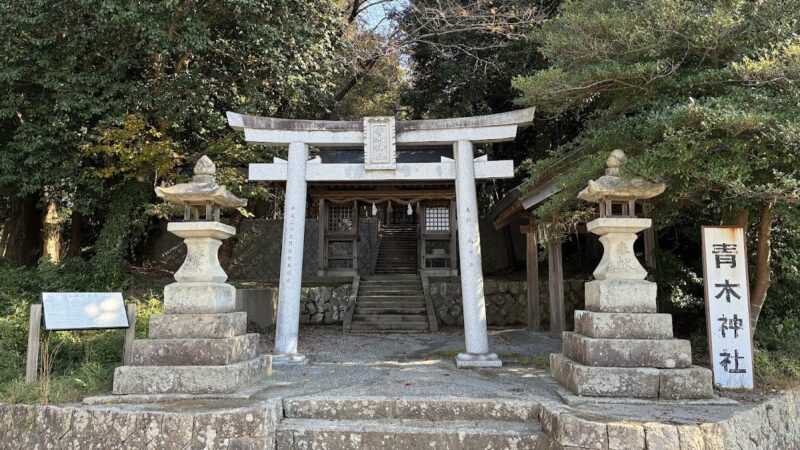
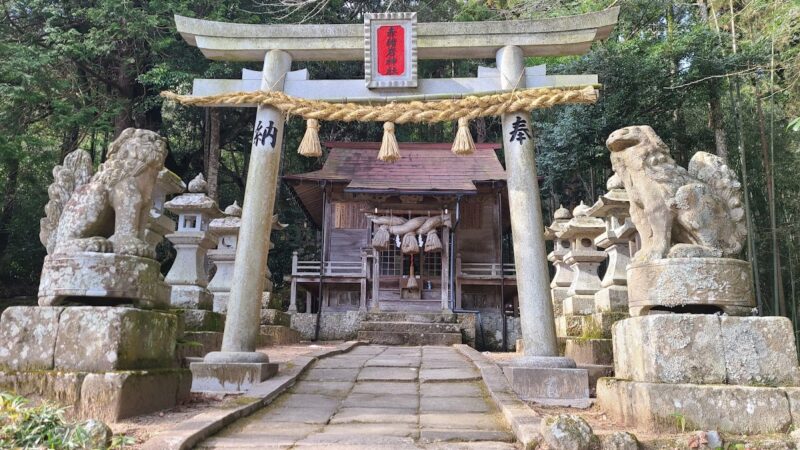
Shobu Shrine is a Shinto shrine located in Shobu, Tottori City, Tottori Prefecture. Situated northeast of central Tottori City, it has long been cherished by locals as the guardian deity of the region. While nestled in a quiet residential area, its history is ancient, having undergone numerous transformations to reach its current form.
It is an officially registered shrine with the Tottori Prefectural Shrine Association and has been carefully preserved as a center of local faith. The shrine grounds are well-maintained and filled with a warm atmosphere welcoming visitors.
History and Origins of Shobu Shrine
From Founding to the Early Showa Period
While there are no clear records regarding the founding date of Shobu Shrine, it is certain that it has been a shrine in the region for a long time. The place name Shobu itself has existed since ancient times, and the shrine has been revered as the guardian deity of this region.
Following the reforms of the shrine system during the Meiji era, it was officially recognized as a local shrine, and its maintenance and management by the parishioners has continued ever since. It is believed that the shrine building was located in a different place than it is today.
The Grand Relocation in 1940
One of the most important events in the history of Shobu Shrine is the relocation that took place in October 1940. At this time, the shrine was moved to Miyanotani on Mount Shobu.
A noteworthy aspect of this relocation is that the main hall of the Tottori Prefecture Gokoku Shrine was acquired and relocated. The Gokoku Shrine is an important shrine dedicated to the spirits of war dead, and acquiring its main hall was of great significance to Shobu Shrine. At the same time, the offering hall and worship hall were also rebuilt, completing the shrine’s appearance.
Celebration Projects for the Heisei Era Enthronement
In 1992 (Heisei 4), as part of the celebrations for the enthronement of His Majesty the Emperor, Shobu Shrine underwent another large-scale renovation project.
At this time, the shrine was relocated to its current site closer to the village. The main hall, which had been moved in 1940 (Showa 15), was moved again, and the offering hall was newly constructed. Furthermore, the entire shrine grounds were renovated, significantly improving the environment of the approach and the shrine grounds.
Through this project, Shobu Shrine took on its current form, creating an environment that is more accessible to local people for worship.
Deities and Divine Virtues
Regarding the deities enshrined at Shobu Shrine, it is believed that multiple gods are enshrined together as guardian deities of the region. Generally, shrines that serve as local tutelary deities often enshrine the following types of gods:
Main Divine Virtues
- Abundant Harvest: As the god of agriculture, worship is revered for the blessing of abundant harvests.
- Family Safety: Protection of family health and peace.
- Exorcism and Good Fortune: Warding off misfortune and inviting good luck.
- Regional Peace and Security: Prayers for peace and prosperity throughout the region.
As a local guardian deity, it attracts deep-rooted faith in the community, with worshippers visiting for life’s milestones such as first shrine visits, Shichi-Go-San (a traditional rite of passage for children), and exorcisms.
Highlights of the Shrine Grounds
Main Hall
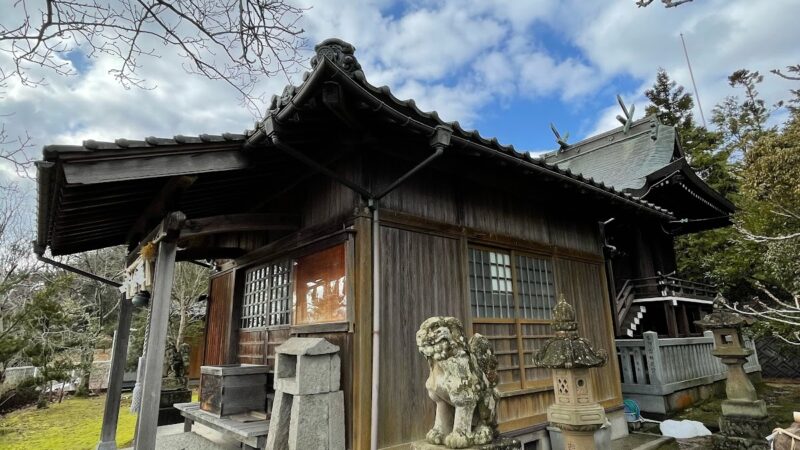
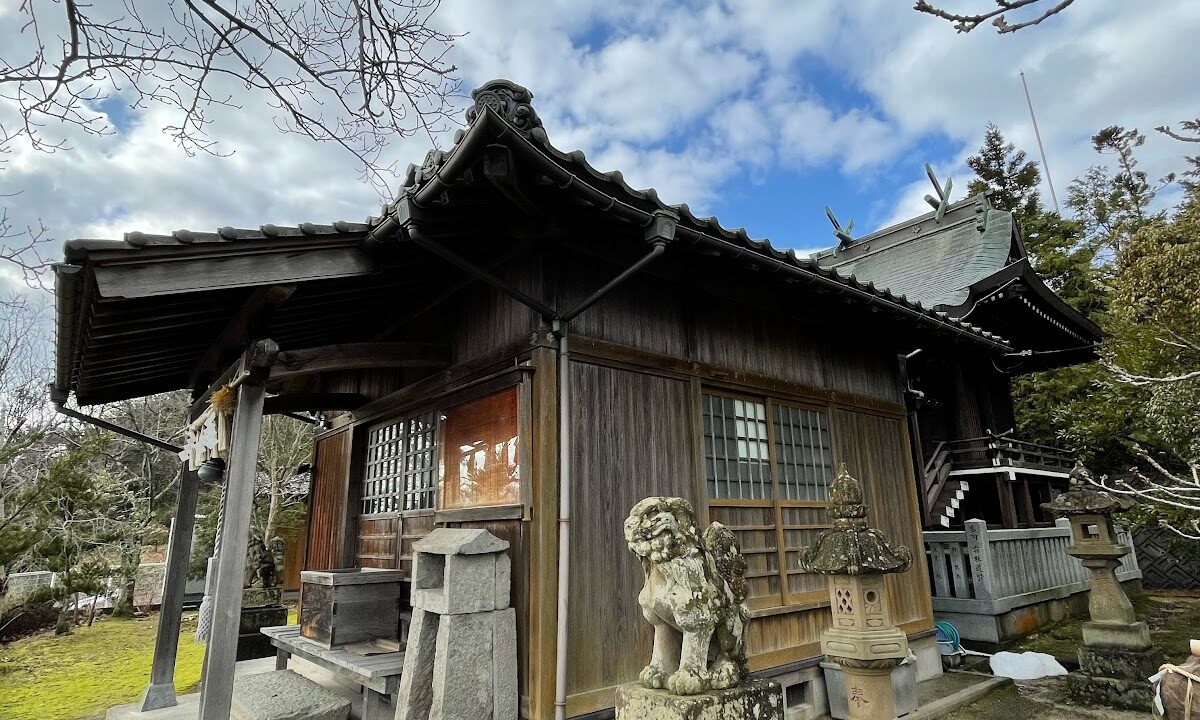
The main hall, relocated from Tottori Prefecture Gokoku Shrine in 1940 and relocated to its current location in 1992, is the central building of Shobu Shrine. It preserves the dignified architecture originating from the Gokoku Shrine.
Offering Hall
The offering hall, newly constructed in 1992, is a relatively new building but follows the traditional style of shrine architecture. Worshippers can offer prayers in this hall.
Shrine Grounds and Environment
Thanks to the Heisei-era renovation project, the shrine grounds are kept clean, and the approach to the shrine is well-maintained. Daily cleaning activities by local residents ensure a pleasant environment for worshippers at any time.
Annual Events and Festivals
Grand Festival
At Shobu Shrine, the Grand Festival is held once a year. During this festival, parishioners and local residents gather to express gratitude to the gods and pray for the prosperity of the community. The rituals are solemnly performed by Shinto priests, making it an important event that strengthens community bonds.
New Year’s Visit
Many worshippers visit the shrine in the New Year to pray for safety and happiness throughout the year. As the local guardian shrine, the New Year’s visit is an indispensable event for the local people.
Other Events
- Spring and Autumn Festivals: Rituals held at seasonal turning points
- Monthly Festivals: Rituals held regularly every month
- Life Cycle Rituals: First shrine visit for a newborn, Shichi-Go-San (7-5-3) festival, exorcism, etc.
Access Information
Location
Address: 701-2 Shobu, Tottori City, Tottori Prefecture 680-0922
Transportation Access
By Train
- Approximately 25 minutes on foot from JR Tottori Station
- Approximately 10 minutes by taxi from JR Tottori Station
By Bus
- Available by local bus from Tottori Station Bus Terminal
- A few minutes’ walk from the nearest bus stop
By Car
- Approximately 15 minutes from Tottori IC on the Tottori Expressway
- Approximately 10 minutes from Tottori city center via national highway
- We recommend checking parking availability in advance
Nearby Landmarks
The Shobu district of Tottori City is a residential area, and local residents are happy to provide directions. Searching for “Shobu Shrine Tottori” on your car navigation system or smartphone map app will show the exact location.
Etiquette and Manners for Visiting a Shrine
Basic Way to Visit a Shrine
- Bow before passing through the torii gate: As a sign of respect before entering the sacred area.
- Purify yourself at the water basin: Cleanse your hands and mouth to purify your mind and body.
- Walk along the edge of the path: The center is considered the path of the gods.
- Etiquette at the main hall: Two bows, two claps, and one bow is the basic ritual.
Points to Note When Visiting a Shrine
- Visit quietly and avoid disturbing other visitors.
- The shrine grounds are a sacred place; always take your trash with you.
- Photography is permitted, but refrain from taking pictures in prohibited areas such as inside the main hall.
- It is generally discouraged to bring pets to the shrine.
Tourist Attractions Around Shobu Shrine
Attractions in Tottori City
Shobu Shrine is about a 10-minute drive from the center of Tottori City, making it easy to combine a visit with sightseeing.
Tottori Castle Ruins (Hisamatsuyama)
- Approximately 15 minutes by car from Shobu Shrine
- A mountain castle ruin from the Sengoku period, offering a magnificent view from the castle tower base.
Warabe-kan
- A museum of children’s songs and toys located in the center of Tottori City.
- A recommended spot for families.
Tottori Sand Dunes
- Approximately 20 minutes by car from Shobu Shrine
- One of Japan’s largest sand dunes and a representative tourist attraction of Tottori.
Nearby Shrines and Temples
Ube Shrine
- A Shikinaisha (shrine listed in the Engishiki) located in Kofu-cho, Tottori City
- An ancient shrine said to have been founded in 648 AD (Daika 4)
- Approximately 20 minutes by car from Shobu Shrine.
Ouchidani Shrine
- A shrine in the center of Tottori City
- Revered as a “Great Shrine of Sacredness”
Prayers and Blessings at Shobu Shrine
Life Rituals
Shobu Shrine accepts various prayers for important life milestones.
First Shrine Visit (Omiyamairi)
- Reporting the birth of a baby to the gods and praying for healthy growth
- Generally performed around 30 days after birth
Shichi-Go-San (7-5-3)
- A ceremony to celebrate and give thanks for the growth of children at ages 3, 5, and 7
- Many families visit around November 15th
Exorcism
- Praying for protection from misfortune for those entering their unlucky year
- Many perform this from Setsubun (February 3rd) to Risshun (Beginning of Spring)
Other Prayers
- Family Safety
- Business Prosperity
- Traffic Safety
- Academic Success
- Recovery from Illness
If you wish to make a prayer, it is recommended to contact the shrine in advance to discuss the date and time.
Shrine Worship in Tottori Prefecture and Shobu Shrine
Shrine Culture of Inaba Province
Many shrines have been located in eastern Tottori Prefecture (formerly Inaba Province) since ancient times. Many are listed in the Engishiki Jinmyocho (a historical record of shrines), making it a place of worship that has continued since mythological times.
While Shobu Shrine is not an Engishiki Jinmyocho, it has played a vital role in the shrine worship of this region as the local guardian deity. Even though it is not a large shrine, its community-based faith is deeply intertwined with the lives of the people.
Local Communities and Shrines
Even in modern times, Shobu Shrine plays a central role in the local community. Through festivals and cleaning activities, it serves as a place where local people gather and deepen their bonds.
Even amidst increasing urbanization, carefully preserving these local shrines is of great importance in passing on Japan’s traditional culture to future generations.
Useful Facts to Know Before Visiting
The Place Name “Shobu”
The place name “Shobu” is thought to originate from the iris (shobu), a plant used in the Tango no Sekku (Boys’ Festival). It’s possible that irises grew wild or were cultivated in this area since ancient times.
Irises are believed to have the power to ward off evil spirits and have been cherished as an auspicious plant. The fact that this name remains in the place name reflects the deep history of this region.
Relationship with Gokoku Shrine
A significant characteristic of Shobu Shrine is its history of receiving the main hall of Tottori Prefecture Gokoku Shrine in 1940 (Showa 15). Gokoku Shrines are shrines dedicated to the spirits of those who served the country, and inheriting its main hall is a source of pride for the region.
Due to this historical background, Shobu Shrine is not merely a small local shrine, but is deeply intertwined with the modern history of Tottori Prefecture.
The Great Heisei Renovation
The major renovation undertaken in 1992 as part of the celebrations for the Imperial Enthronement demonstrated the deep affection the local people have for the shrine. Thanks to the cooperation of many parishioners and devotees, the beautiful shrine buildings and grounds we see today were realized.
This renovation made the shrine more accessible for worshippers and further strengthened its role as a center of local faith.
How to Enjoy Visiting Shobu Shrine
Seasonal Attractions
Spring
- Enjoy the beautiful fresh greenery and refreshing air during your visit.
- The spring festival is held, bringing vibrancy to the community.
Summer
- The trees are lush and green, allowing you to find peace of mind in the cool grounds.
Autumn
- During the autumn foliage season, the trees in the grounds change color, offering a beautiful landscape.
- The autumn festival is held to express gratitude for the harvest.
Winter
- Experience a solemn atmosphere in the tranquil grounds.
- The shrine is bustling with people offering prayers for the new year during the first shrine visit of the year.
Photography Tips
Photography is generally permitted on the shrine grounds, but please note the following:
- Do not take photos in areas where photography is prohibited, such as inside the main hall.
- Be considerate of other visitors.
- Remember that this is a sacred place, and take photographs with respect.
The beautiful appearance of the shrine buildings and the seasonal scenery of the grounds are well worth capturing in photographs as a memento of your visit.
Shrine Visit Plan Combined with Tottori City Sightseeing
Half-Day Course
Morning
- Start from Tottori Station
- Visit Shobu Shrine (30 minutes)
- Stroll around Tottori Castle Ruins (1 hour)
- Lunch in the city center
Afternoon
- Sightseeing at Tottori Sand Dunes (2 hours)
- Visit the Sand Museum (1 hour)
- Return to Tottori Station
Full-Day Course
Morning
- Visit Ube Shrine
- Visit Shobu Shrine
- Visit Chokkei Shrine (Shrine Tour)
Afternoon
- Visit Tottori Castle Ruins and Jinpukaku
- Visit Warabe-kan (Warabe Museum)
- Stroll and shopping in Tottori city center
Summary
Shobu Shrine is the local guardian shrine located in Shobu, Tottori City, Tottori Prefecture. The shrine’s history includes its relocation to Miyanotani on Shobuyama in 1940, the relocation of the main hall of Tottori Prefecture Gokoku Shrine, and its subsequent relocation to its current site and large-scale renovations as part of the celebrations for the enthronement of the Emperor in 1992.
While not a large tourist shrine, it has been carefully preserved as a place of faith deeply rooted in the community. Located in a quiet residential area, the grounds are kept clean and warmly welcome visitors.
When visiting Tottori City, why not visit local shrines like this one, in addition to famous tourist spots such as the Tottori Sand Dunes? By experiencing the region’s history and the faith of its people, you will surely feel the charm of Tottori more deeply.
We hope that your visit to Shobu Shrine will bring you a peaceful time and happiness to your daily life.