Complete Guide to Onomi Sukune no Mikoto Shrine (Tottori Prefecture): History and Visiting Information for the Sumo God Shrine
About Onomi Sukune no Mikoto Shrine
Onomi Sukune no Mikoto Shrine is a historical shrine located in Tokuo, Tottori City, Tottori Prefecture. It is a Shikinaisha (minor shrine) listed in the Engishiki Jinmyocho (a list of shrines compiled in the Heian period), and is known as a venerable ancient shrine belonging to Takakusa District, Inaba Province. Under the modern shrine ranking system, it was ranked as a Gosha (village shrine) and has been revered as the god of sumo.
Located approximately 3km west of central Tottori City, after crossing the Chiyogawa River from JR Tottori Station and proceeding along the Yoshioka Road, you will see a lush, sacred grove on your right after crossing the Nosaka River. This shrine, situated on a small hill along the road, is affectionately known as “Onomi-san” by the local people.
About the Deity Enshrined: Nomi no Sukune no Mikoto
Genealogy and Origin of Nomi no Sukune
The deity enshrined at Ōnomi no Sukune Shrine is Nomi no Sukune no Mikoto. Nomi no Sukune was the 14th generation descendant of Amenohohi no Mikoto and is recorded in the Kojiki and Nihon Shoki as a descendant of the Izumo no Kuni no Miyatsuko (provincial governor of Izumo Province). Nomi no Sukune, who lived in Izumo, was known for his bravery and strength.
Japan’s First Sumo Match and the Confrontation with Taima no Kehaya
In July of the 7th year of Emperor Suinin’s reign (the 11th emperor), Nomi no Sukune was summoned from Izumo to Yamato Province by imperial decree and was to face off against Taima no Kehaya, who was then called “the greatest sumo wrestler in the world.” This match is known as the first sumo match recorded in Japan, as documented in the Nihon Shoki (Chronicles of Japan). It is said that Nomi no Sukune won by kicking and breaking the ribs of Taima no Kehaya.
This victory led to Nomi no Sukune being revered as the “God of Sumo” and the “Founder of Sumo Wrestling.” Even today, he is deeply revered by those involved in sumo, including the Japan Sumo Association.
Achievements as the Founder of Haniwa
Another important achievement of Nomi no Sukune is the creation of haniwa (clay figures). When the Empress of Emperor Suinin died, Nomi no Sukune, concerned about the existing custom of ritual suicide, summoned 100 hanibe (clay craftsmen) from Izumo and proposed creating clay figures of people and horses to be placed at the tomb. The Emperor was greatly pleased, and it is said that ritual suicide was prohibited thereafter.
For this achievement, Nomi no Sukune was granted the position of Haji no Tsukasa (a high-ranking official in the Haji clan), becoming the ancestor of the Haji clan. The Haji clan later branched into the Sugawara and Oe clans, and Sugawara no Michizane is also connected to this lineage.
History of Onomi no Sukune Shrine
Founding and Ancient Records
The founding date of Onomi no Sukune Shrine is unknown, but its existence can be confirmed in records from the early Heian period. Volume 13 of the *Nihon Sandai Jitsuroku* (True Records of Three Reigns of Japan), in the entry for October of the 8th year of the Jōgan era (866), states, “Onomi no Sukune, the god of Inaba Province who had no rank, was granted the rank of Junior Fifth Rank, Lower Grade,” indicating that the shrine was granted this rank by the imperial court at this time.
The Engishiki Jinmyocho (a list of shrines compiled in the Engi era), completed in 927 AD, clearly lists the shrine as “Oonomi no Sukune no Mikoto Shrine in Takakusa District, Inaba Province,” indicating its importance as a shrine where the provincial governor performed rituals. Its status as a Shikinaisha (a shrine listed in the Engishiki) indicates its central role in religious worship in Inaba Province.
Transition from the Medieval to the Early Modern Period
During the medieval period, the shrine was affected by warfare, and its buildings were destroyed by fire. However, it was repeatedly rebuilt due to the faith of the local people. In the Edo period, under the patronage of the Tottori Domain, multiple reconstructions are recorded.
Construction of the shrine buildings took place in May 1617, and subsequent repairs and reconstructions were carried out regularly in October 1767 and May 1858. These records suggest that the shrine was maintained as an important place of worship throughout the Edo period.
Development Since the Modern Era
Under the modern shrine ranking system of the Meiji era, it was ranked as a local shrine and became a spiritual pillar of the region as the guardian shrine of Tokuo Village in Nomi, Takakusa District, Inaba Province. Even after World War II, the faith of the local residents continued unchanged, and it has been carefully preserved to this day.
Within Tottori Prefecture, it occupies a unique position as a shrine dedicated to the god of sumo, and has deep ties to local sumo wrestlers, including the 53rd Yokozuna Kotozakura, who was from Tottori, playing an important role in the transmission of sumo culture.
Highlights of the Shrine Grounds
The Sacred Grove and Approach
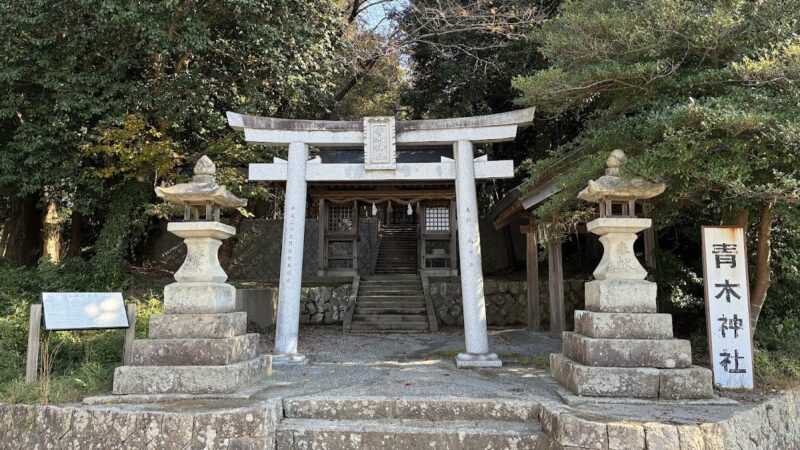
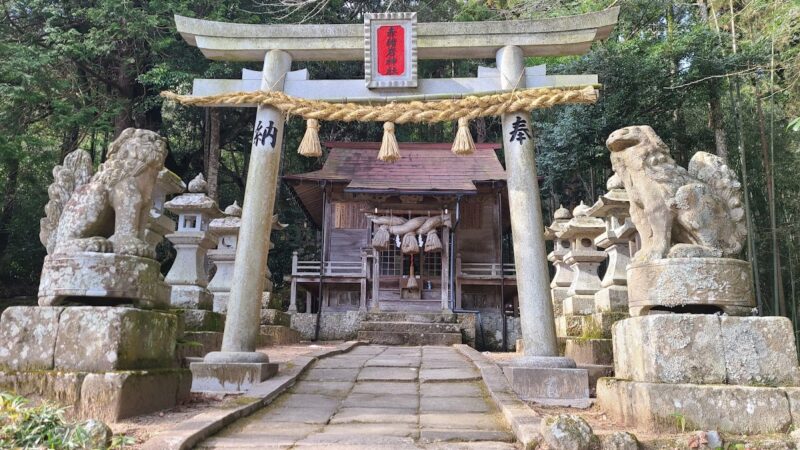
Oonomi Sukune-no-Mikoto Shrine is situated on a small hill along the Yoshioka Road. The sacred grove, surrounded by lush trees, exudes a solemn atmosphere befitting a place of ancient worship. Stepping off the road, one enters a tranquil space far removed from the hustle and bustle of the city.
Torii Gate and Shrine Building
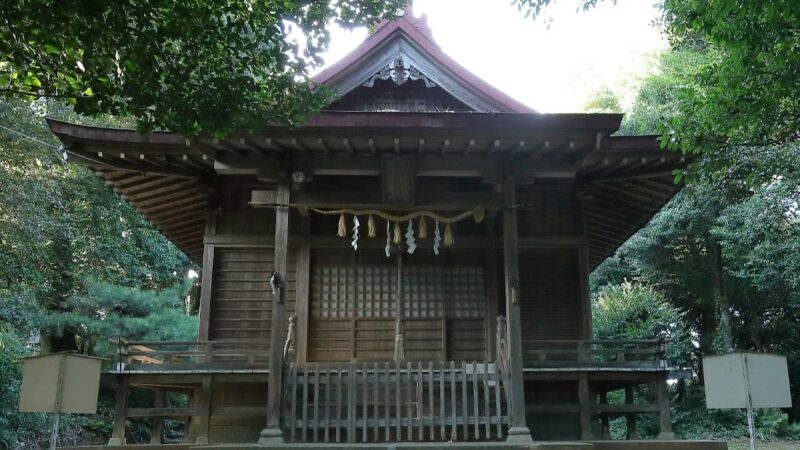
Upon entering the shrine grounds, visitors are first greeted by a torii gate. Passing through the gate and proceeding along the path, the worship hall comes into view. The current shrine building has been maintained since the Edo period and reflects the history of local faith.
Behind the worship hall sits the main sanctuary, dedicated to Nomi no Sukune, the god of sumo wrestling. The simple yet dignified appearance of the shrine building speaks to its long history as a Shikinaisha (a shrine listed in the Engishiki, an ancient Japanese legal code).
Atmosphere of the Shrine Grounds
The shrine grounds are neatly maintained, reflecting the care and dedication of the local community. Especially during the annual festival, many worshippers visit, demonstrating its role as a central hub of the local community.
Visiting Information and Access
Basic Information
Shrine Name: Onomi Sukune no Mikoto Shrine
Location: Tokuo, Tottori City, Tottori Prefecture
Deity Enshrined: Nomi no Sukune no Mikoto
Former Shrine Rank: Gosha (Shikinaisha)
Annual Festival Date: Held once a year (details vary by region)
Access Methods
Access by Train: Approximately 3km west from JR Tottori Station. Approximately 40 minutes on foot. Approximately 10 minutes by taxi.
Access by Car: From Tottori Station, cross the Chiyogawa River and proceed west along Yoshioka Road. The shrine’s sacred grove will be visible on the right after crossing the Nosaka River. Prior confirmation of parking space is recommended.
Access by Bus: If using a local bus, access is on foot from the nearest bus stop. Please refer to the Tottori City bus route map for details.
Points to Note When Visiting
Regarding the issuance of Goshuin (temple/shrine stamps), there may not be a permanently staffed shrine office, so it is recommended to check with the Tottori Prefectural Shrine Association or local officials in advance. While visiting is generally free, please respect the fact that it is a place of local worship and strive to pray quietly.
Shrines Nationwide Dedicated to Nomi no Sukune
Nomi no Sukune Shrine in Sumida Ward, Tokyo
The most famous is the Nomi no Sukune Shrine located near the Ryogoku Kokugikan in Sumida Ward, Tokyo. Situated in Ryogoku, the sacred ground of sumo wrestling, it is known for the numerous stone monuments of successive Yokozuna (grand champions). The name of the 53rd Yokozuna, Kotozakura, who was from Tottori, is also inscribed here, highlighting its connection to Tottori Prefecture.
Nomi Shrine in Takatsuki City, Osaka Prefecture
There is also a Nomi Shrine in Takatsuki City, Osaka Prefecture, which also enshrines Nomi no Sukune as its main deity. In this region, one of the strongholds of the Haji clan, there is a deep reverence for Nomi no Sukune as the originator of Haniwa (clay figures), and his worship is deeply intertwined with the region’s history.
Other Related Locations
There are sites believed to be the tomb of Nomi no Sukune in Sakurai City, Nara Prefecture, Tatsuno City, Hyogo Prefecture, and Matsue City, Shimane Prefecture. In these areas, worship of Nomi no Sukune persists not only as the god of sumo but also as the ancestor of the Haji clan, demonstrating the widespread tradition of Nomi no Sukune throughout Japan.
The Relationship Between Inaba Province and Nomi no Sukune
Why is there a Nomi no Sukune Shrine in Inaba?
Nomi no Sukune is said to have been from Izumo Province, but why is there a shrine dedicated to him in Inaba Province (present-day eastern Tottori Prefecture)? There are several theories, but one suggests that Inaba, located on an important transportation route connecting Izumo and Yamato, may have been a transit point for Nomi no Sukune on his way to Yamato.
Furthermore, since the Haji clan also held influence in Inaba Province, there is a theory that a family member founded a shrine dedicated to Nomi no Sukune in this area. Inaba Province had deep ties with the Izumo cultural sphere since ancient times, and the existence of many shrines dedicated to Izumo-related deities may also be related to the background of this shrine’s establishment.
Positioning as a Shikinaisha in Inaba Province
While there are over 50 Shikinaisha in Inaba Province listed in the Engishiki Jinmyocho (a list of shrines compiled in the Heian period), only a limited number of them enshrine human deities. Onomi no Sukune no Mikoto Shrine is unique in that it enshrines a real historical figure, making it an important shrine that demonstrates the diversity of beliefs in Inaba Province.
Sumo Culture and Onomi no Sukune no Mikoto Shrine
Worship as a God of Sumo
Nomi no Sukune holds a special place in the sumo world as the first sumo winner recorded in the Nihon Shoki (Chronicles of Japan). Even today, sumo wrestlers and those involved in professional sumo visit shrines dedicated to Nomi no Sukune to pray for victory and safety.
Tottori Prefecture has deep ties to sumo, having produced the 53rd Yokozuna, Kotozakura, and the Onomi no Sukune Shrine plays a vital role in this sumo culture. The shrine’s presence also provides spiritual support to local children learning sumo.
Connections to Tottori’s Sumo Culture
Sumo has been popular in Tottori Prefecture since ancient times, and in rural areas, sumo matches dedicated to praying for a bountiful harvest have been held throughout the region. The Onomi no Sukune Shrine is also deeply connected to the local sumo culture, and sumo-related events are sometimes held during festivals and other occasions.
The Genealogy of the Haji Clan and Sugawara no Michizane
From the Haji Clan to the Sugawara Clan
The Haji clan, descended from Nomi no Sukune, was an important clan in ancient times, responsible for funeral rituals and the production of Haniwa (clay figures). In the Heian period, some members of the Haji clan adopted the name Sugawara and became known as a family of scholars.
The Relationship with Sugawara no Michizane
Sugawara no Michizane, worshipped nationwide as the god of learning, was from the Sugawara clan, which was descended from the Haji clan. In other words, Nomi no Sukune, the god of sumo wrestling, and Sugawara no Michizane, the god of learning, are linked by a common ancestor.
This genealogical relationship is an interesting example demonstrating the diversity and continuity in Japanese beliefs. When visiting the Ōnomi no Sukune Shrine, reflecting on this historical background will lead to a deeper understanding.
Annual Festival and Regular Events
Significance of the Annual Festival
At Ohnomi Sukune Shrine, an annual festival is held once a year. This festival is the most important ritual at the shrine, providing an opportunity to express gratitude to the enshrined deity and pray for the peace and prosperity of the community. It is an important event where local residents gather and renew their faith through traditional rituals.
Connection with the Local Community
Shrine events, including the annual festival, also play a role in strengthening the bonds of the local community. Even in today’s increasingly urbanized world, these traditional events foster intergenerational exchange and ensure the continuation of local culture.
Connection with the Japan Heritage Site “Kirin no Machi”
Ohnomi Sukune Shrine is also noteworthy as one of the components of “Kirin no Machi,” which has been designated a Japan Heritage site. Within the cultural sphere centered around the “Kirin Shishimai” (Kirin Lion Dance) that spreads across the border region of Tottori and Hyogo prefectures, this shrine is an important spot that conveys the history and culture of the region.
Visiting this shrine from the perspective of a Japanese Heritage site allows you to understand it not merely as a shrine visit, but within the cultural context of the entire region.
Recommendations for Visiting
As a Quiet Place of Worship
Unlike large, touristy shrines, Onomi no Sukune Shrine is a quiet place of worship rooted in the local community. The environment, away from the hustle and bustle, allows for peaceful worship, providing a precious place of tranquility for modern people.
As a Pilgrimage Site for Sumo Fans
For sumo fans, visiting this shrine in Tottori, in addition to Ryogoku in Tokyo, completes a pilgrimage to the sacred sites dedicated to the god of sumo. A journey visiting places associated with Nomi no Sukune scattered throughout Japan is a valuable experience that deepens understanding of sumo culture.
Combining with Tottori Sightseeing
Visiting this shrine in combination with sightseeing in Tottori City is also recommended. Its convenient location, easily accessible from major tourist attractions such as the Tottori Sand Dunes and Tottori Castle Ruins, will further enrich your trip to Tottori, where you can experience history and culture.
Summary
Oonomi Sukune Shrine is a venerable shrine with over 1000 years of history, dedicated to Nomi no Sukune, the god of sumo wrestling, and is a Shikinaisha (shrine listed in the Engishiki) of Inaba Province. Located in the tranquil setting of Tokuo, Tottori City, Tottori Prefecture, it has long been a center of faith for the local people.
The multifaceted achievements of Nomi no Sukune, the first sumo wrestler in Japan and the originator of Haniwa (clay figures), are passed down to the present day through this shrine. It is a shrine with multifaceted appeal, possessing deep ties to sumo culture, a lineage tracing from the Haji clan to the Sugawara clan, and a role as a central hub for the local community.
When visiting Tottori, why not take a visit to this historic shrine and reflect on the god of sumo? In the quiet, sacred grove, you are sure to feel the depth of Japanese traditional culture and faith.