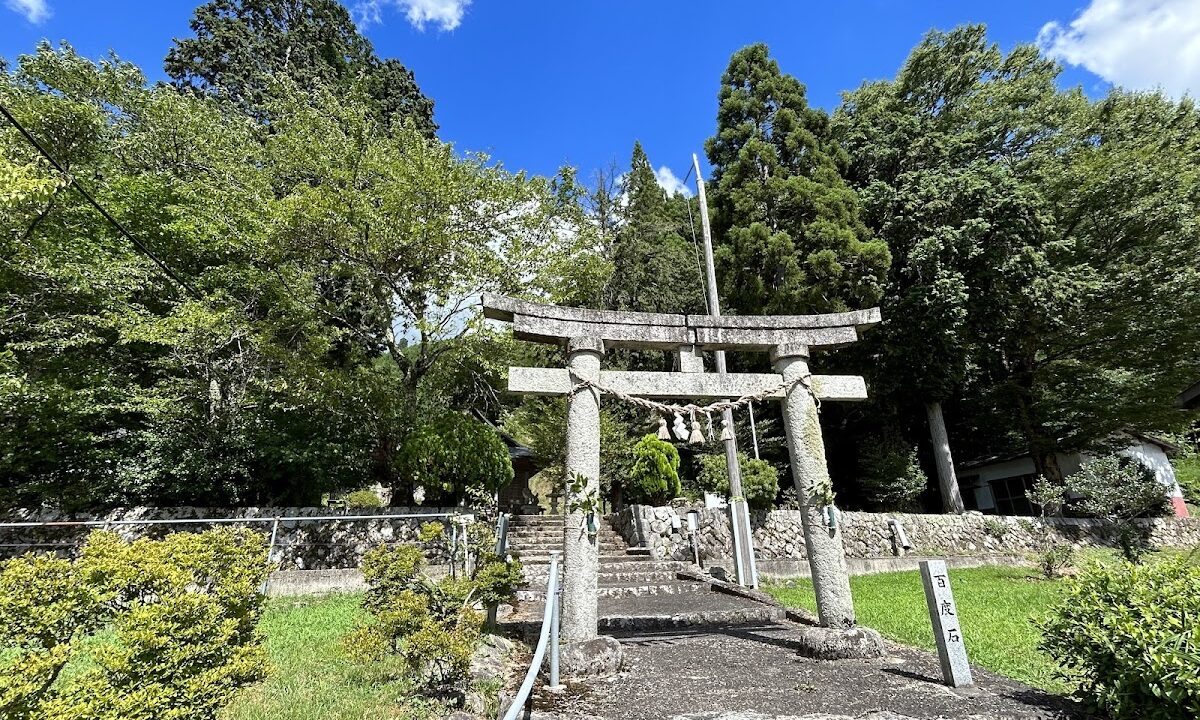
Kono Shrine (Tottori Prefecture, Yazu District, Chizu Town) Complete Guide | Inaba Wakaichinomiya’s Blessings, Goshuin (Shrine Seal), and Access Information
Kono Shrine, located in Chizu Town, Yazu District, Tottori Prefecture, has long been revered as “Inaba Wakaichinomiya” and is affectionately known locally as “Nyakuichisan.” It is particularly renowned for its miraculous healing powers for ailments of the hands, feet, shoulders, and lower back, attracting many worshippers from both within and outside the prefecture.
This article comprehensively covers everything you need to know before visiting Kono Shrine, including its history, enshrined deities, unique prayer methods, goshuin information, annual festivals, and access methods.
History and Origins of Kono Shrine
Establishment through the Merger of Four Shrines
Kono Shrine was established in 1916 (Taisho 5) by merging four shrines within Chizu Town. The merged shrines are as follows:
- Hirohime Shrine (Mita area)
- Miyakuni Shrine (Tokaichi area)
- Hijiri Shrine (Keisho area)
- Hinoki Shrine (Otsubo area)
These four shrines were merged and newly established as “Kono Shrine” in the current Miyoshi area. Through this merger, the faith and divine virtues of each shrine were consolidated into one, and it came to serve as the guardian shrine of the region.
Origin of Inaba Wakaichinomiya
Kono Shrine has the alternative name Inaba Wakaichinomiya, which indicates that it has held an important position in Inaba Province (present-day eastern Tottori Prefecture) since ancient times. “Wakaichi” is a name derived from Kumano faith, referring to a form of worship that enshrines Wakaichi Oji of Kumano Gongen. From this, it can be seen that Kono Shrine had a deep connection with Kumano faith.
Locally, it is affectionately called “Nyakuichi-san” and has been cherished across generations. This name is a corrupted pronunciation of “Wakaichi,” reflecting the deep-rooted faith in the region.
Deities and Divine Virtues
Seven Deities
Kono Shrine enshrines seven deities.
- Susanoo-no-Mikoto – God of protection against misfortune and disease
- Oshihomimi-no-Mikoto – Son of Amaterasu-Omikami
- Onamuchi-no-Mikoto – Another name for Okuninushi-no-Mikoto, god of nation-building
- Hikohodemi-no-Mikoto – Yamasachihiko, god of sea blessings
- Oyamatsumi-no-Mikoto – God of mountains
- Homusubi-no-Mikoto – God of fire
- Ukanomitama-no-Mikoto – Inari god, god of abundant harvests
These deities are the combined deities of the four shrines that were enshrined together. Because it enshrines deities with diverse divine virtues, it is revered as a shrine that grants various wishes.
Particularly Famous Benefits: Healing of Hand, Foot, and Lower Back Illnesses
Kono Shrine is best known for its miraculous healing of illnesses of the hands, feet, shoulders, and lower back. Since ancient times, it has been worshipped as a “god that heals physical pain and ailments,” and people suffering from rheumatism, neuralgia, lower back pain, joint pain, etc., come to worship from all over the country.
This benefit has spread by word of mouth, and there are many reports of actual recovery, demonstrating the depth of faith.
Unique Prayer Method: Wooden Handprints and Footprints
Handprints and Footprints Offered on the Shrine Grounds
What particularly stands out on the grounds of Kono Shrine are the numerous wooden handprints and footprints that have been offered. These were offered by worshippers praying for healing from illness, and are hung throughout the shrine grounds.
This scene is unique and rarely seen at other shrines, and it has become a symbolic landscape of Kono Shrine.
Method of Prayer
There is a traditional method for praying for recovery from illness at Kono Shrine.
- Receive a wooden handprint or footprint
Receive a wooden handprint or footprint for prayer at the shrine office.
- Take it home
Take the received handprint or footprint home.
- Rub it on the affected area
Rub the wooden handprint or footprint on the painful or ailing part of your body and pray for recovery. It is believed that continuing this daily will bring divine protection.
- Offering after recovery
After your wish is granted and you are cured, offer the wooden handprint or footprint to the shrine with gratitude.
This prayer method is a tangible representation of a “promise” with the gods, and is a traditional custom that expresses the depth of faith and gratitude.
Goshuin (Shrine Seal) Information
Special Goshuin Using Inshu Washi Paper
Kono Shrine offers pre-printed goshuin using Inshu Washi paper. Inshu Washi is a traditional craft of Tottori Prefecture, and the washi produced in the Saji district of Chizu Town is particularly known for its high quality.
The goshuin is inscribed with “Inshu Washi Saji,” making it a special item that reflects the region’s traditional culture. Inshu Washi is also said to be the original form of Sekishu Hanshi (an intangible cultural property of Shimane Prefecture), and is a washi paper of high historical value.
Goshuin Issuance Location and Hours
- Issuance Location: Shrine Office (within the shrine grounds)
- Format: Pre-printed goshuin
- Donation Fee: Generally around 300-500 yen (Please confirm upon visit)
If you wish to receive a goshuin, please speak to the shrine office after your visit. It is recommended to contact them in advance as they may be absent. ## Kono Shrine Annual Festival (October 10th)
An Important Annual Festival
At Kono Shrine, the annual festival is held every year on October 10th. The annual festival is the most important festival for the shrine, where prayers are offered for the year’s blessings, a bountiful harvest, and peace and tranquility in the community.
Highlights of the Annual Festival
- Shinto Ritual: In a solemn atmosphere, the chief priest recites prayers and offers sacred branches.
- Participation of Local Residents: Many parishioners and local residents attend, providing an opportunity to deepen community bonds.
- Offerings: Depending on the year, Kagura (sacred dance) and other offerings may be performed.
The annual festival is considered particularly auspicious, attracting many worshippers from far and wide.
Highlights of the Shrine Grounds
Main Hall and Worship Hall
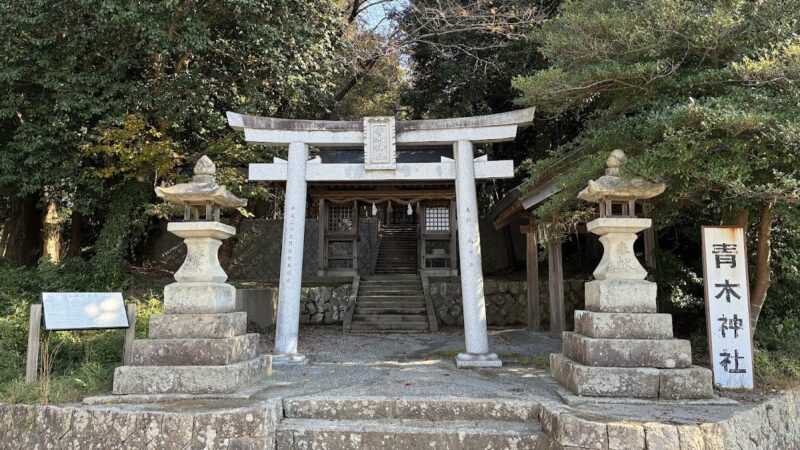
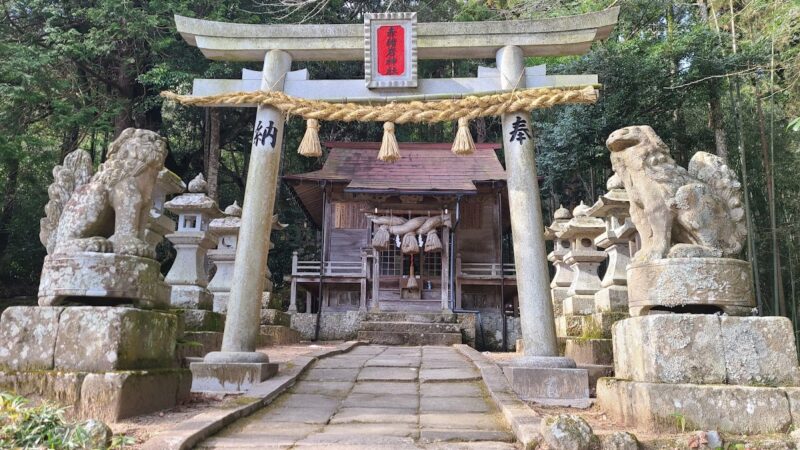
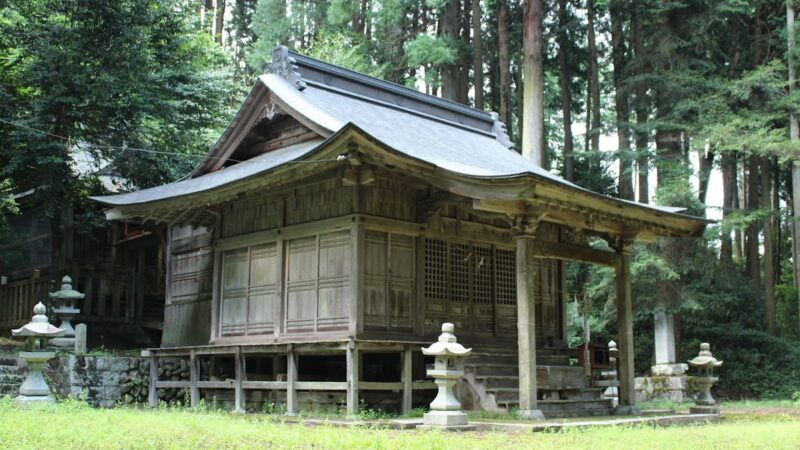
The main hall of Kono Shrine is a charming building that retains the architectural style of the Taisho era. The main hall has an open design that warmly welcomes visitors, and a tranquil atmosphere permeates the area.
Numerous Handprints and Footprints Offered
As mentioned above, countless wooden handprints and footprints have been offered within the shrine grounds. These are not merely tokens of prayer, but rather tokens of gratitude from people who have actually been cured of illness, and can be considered “living evidence” that speaks of the divine power of the gods.
A Rich Natural Environment
Chizu Town is known as the “Town of Cedars,” and the area around Kono Shrine is surrounded by abundant nature. The autumn foliage is particularly beautiful, allowing visitors to enjoy a peaceful visit.
Access Information
Basic Information
- Location: 475 (or 476) Miyoshi, Chizu-cho, Yazu-gun, Tottori Prefecture 689-1434
- Phone Number: For prior confirmation, please contact the Chizu Town Tourism Association (0858-76-1111)
Access by Car
From Tottori City
- Head south on National Route 53, passing through Chizu town center (approx. 40 minutes)
- Approximately 15 minutes from the Tottori Expressway “Chizu IC”
From Okayama
- Head north on National Route 53, passing through Chizu town center
- Approximately 40 minutes from the Chugoku Expressway “Sayo IC” via National Routes 373 and 53
Parking: Parking spaces are available on the temple grounds or nearby (limited spaces, please note during festivals)
Access by Public Transportation
Using JR
- Get off at JR Inbi Line “Chizu Station”
- Approximately 10-15 minutes by taxi from the station, or approximately 40 minutes on foot (approx. 3km)
Using the Bus
- A town bus operates from Chizu Station, but the number of buses is limited, so please check the timetable in advance.
Access by public transport is somewhat inconvenient, so visiting by car is recommended.
Nearby Tourist Spots
Chizu-juku
Chizu-juku, which retains the atmosphere of an Edo period post town, has beautifully preserved old streets. A stroll through the town in conjunction with a visit to Kono Shrine is recommended.
Ishitani Residence
The residence of a wealthy merchant, designated as a National Important Cultural Property. The vast garden and luxurious architecture are magnificent.
Ashizu Valley
A beautiful valley located deep in Chizu Town. A famous spot for fresh greenery and autumn leaves, where you can enjoy nature.
Inshu Washi Workshop
Chizu Town is a production area for Inshu washi (Japanese paper). There are also facilities where you can tour the workshop and experience papermaking.
Manners and Points for Visiting the Shrine
Basic Worship Etiquette
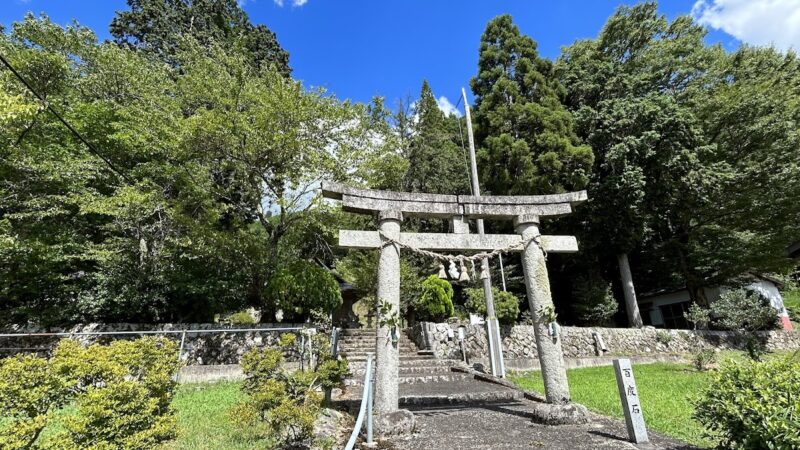
- Bow at the Torii Gate: Bow at the torii gate before entering the shrine grounds.
- Purify at the Water Basin: Purify your hands and mouth.
- Two Bows, Two Claps, One Bow: Worship in front of the main hall using the basic etiquette.
- Quietly Offer Your Wish: Pray with sincerity.
Photography
Photography is generally permitted on the shrine grounds, but please be considerate of the interior of the main hall and other worshippers. If unsure, please check with the shrine office.
Attire
There are no specific dress code regulations, but respectful attire is desirable as it is a sacred place.
Summary of the Charms of Visiting Kono Shrine
Kono Shrine is not just a tourist spot; it is a miraculous shrine where the prayers of many people have actually been answered.
For those suffering from physical pain or ailments, this is a special place well worth visiting. It’s filled with unique charms not found in other shrines, such as the Inshu washi paper goshuin (seal stamp), the distinctive wooden handprint and footprint prayer method, and the friendly nickname “Nyakuichi-san.”
Why not visit this shrine in peace, while experiencing the rich nature and history of Chizu Town? You’re sure to feel the warm blessings of the gods.
—
Pre-Visit Checklist
- Visiting during the annual festival (October 10th) offers a special atmosphere.
- If you wish to receive a goshuin, check the shrine office’s opening hours in advance.
- Access by car is convenient (public transportation is infrequent).
- It’s recommended to combine your visit with sightseeing in the surrounding Chizu-juku or Ishitani Residence.
- If you are praying for recovery from illness, inquire at the shrine office about receiving the wooden handprint and footprint.
May your visit to Kono Shrine be a time of healing for both mind and body.