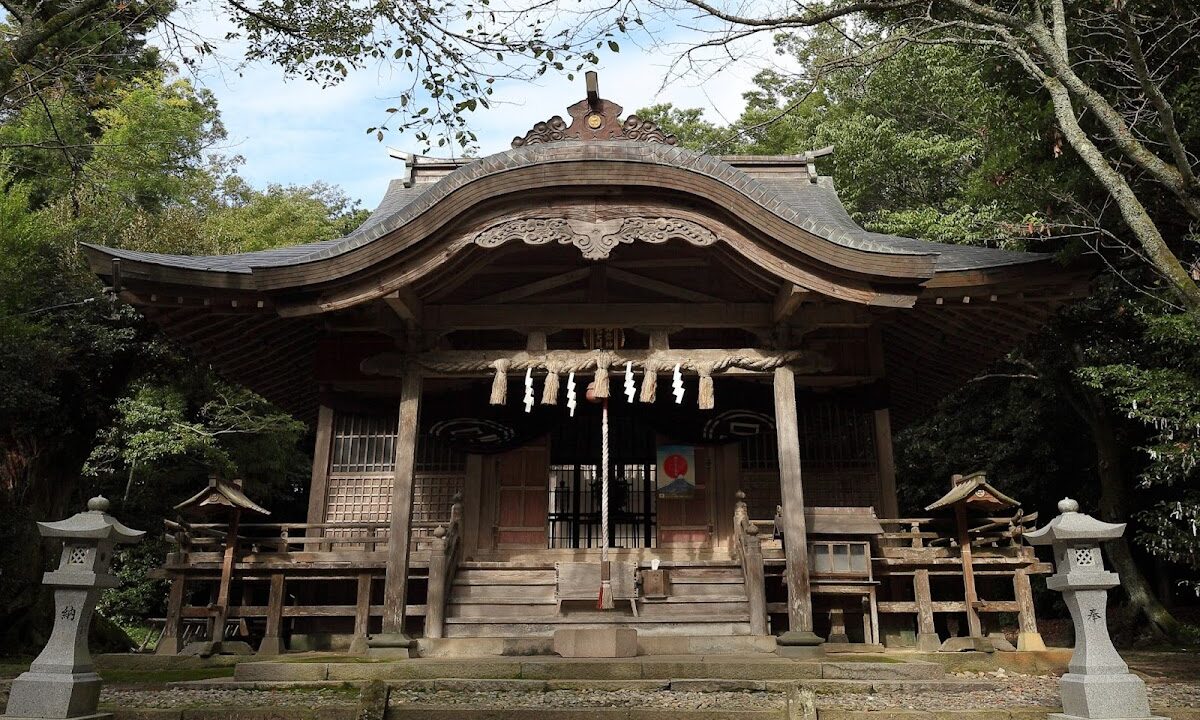
Kachimi Shrine (Tottori Prefecture) Complete Guide | A Shrine with a Thousand-Year History and Blessings of Victory
Kachimi Shrine, located in Shikano-cho, Tottori City, Tottori Prefecture, is an ancient shrine boasting a history of over a thousand years, listed in the Engishiki Jinmyocho (a historical record of shrines) as a shrine in Keta District, Inaba Province. Formerly known as “Katsuyado Daimyojin,” it is known for its blessings of “victory,” and has attracted the faith of many warlords and worshippers from the Sengoku period to the present day. This article provides a detailed explanation of Kachimi Shrine, including its history, enshrined deities, highlights within the grounds, culturally designated shrine buildings, and access methods.
Basic Information on Kachimiya Shrine
Location
Address: 152 (or 155-1) Terauchi, Shikano-cho, Tottori City, Tottori Prefecture 689-0426
Kachimiya Shrine is located in the Terauchi district of the former Shikano-cho, in the southern part of Tottori City. It faces south on the west side of the road, and the shrine grounds are surrounded by a quiet, mountainous environment.
Shrine Rank and Historical Positioning
- Engishiki Shrine: Listed as “Kachimiya Shrine” in the Engishiki Jinmyocho (927 AD)
- Former Shrine Rank: Prefectural Shrine
- Alternative Names: Katsushuku Daimyojin, Katsushuku Shrine (used until the early modern period)
The fact that it is listed in the Engishiki Jinmyocho indicates that it was a high-ranking shrine recognized by the imperial court as early as the mid-Heian period.
Deities Enshrined
Kachimi Shrine enshrines the three deities who appear in the myth of Umisachihiko and Yamasachihiko.
Main Deities
- Hikohodemi-no-Mikoto
- Also known as: Yamasachihiko
- Son of Ninigi-no-Mikoto, the god of the descent of the heavenly grandchild
- Known for the myth of his union with Toyotama-hime at the palace of the sea god
- Ugayafukiaezu-no-Mikoto
- Son of Hikohodemi-no-Mikoto and Toyotama-hime
- Father of Emperor Jimmu, the first emperor of Japan
- Tamayorihime-no-Mikoto
- Younger sister of Toyotama-hime
- Consort of Ugayafukiaezu-no-Mikoto
- Mother of Emperor Jimmu
These three deities are related as parent and child, and husband and wife, and are revered as important gods connected to the imperial lineage.
The History and Origins of Kachimi Shrine
Founding Date and Former Shrine Site
The founding date of Kachimi Shrine is unknown, but since it is listed in the Engishiki Jinmyocho (927 AD), it is certain to have a history of at least 1,000 years.
Regarding the former shrine site, there are traditions that it was located in “Miyadani” or “Myojinbana.” The exact time of its relocation to the current Terauchi district is unclear, but it has long functioned as a center of faith in this region.
Faith and Reverence of Warlords in the Medieval Period
The shrine’s name, “Kachimi,” was interpreted as “victory” or “victory,” and it received deep reverence from warlords as a god who “overcame the turbulent times.”
In Eiroku 8 (1565), powerful local warlords such as Takeda Takanobu, Takokiyo, and Yada Yukisuke constructed the shrine buildings. This is an important record demonstrating the deep faith of local warlords during the Sengoku period. During the Tensho era (1573-1592), records show that Kikkawa Motoharu, a senior retainer of the Mori clan, visited the shrine to pray for victory in battle and donated land to the shrine. Kikkawa Motoharu was a renowned general who contributed greatly to the expansion of the Mori clan’s power in the San’in region, and the fact that Kachiya Shrine was chosen as his place of prayer speaks to the shrine’s prestige at the time.
From the Early Modern to the Modern Period
Throughout the Edo period, the shrine continued to attract local devotion as “Katsuyado Daimyojin” or “Katsuyado Shrine.”
With the reform of the shrine system during the Meiji era, it was ranked as a Prefectural Shrine under the modern shrine ranking system, establishing its position as an important shrine in the Inaba region.
From the Taisho era to the Showa era, it was revered as the local tutelary deity, and even today, believers continue to visit the shrine during crucial moments of victory.
Highlights and Cultural Properties within the Shrine Grounds
Shrine Buildings Designated as National Registered Tangible Cultural Properties
On March 6, 2024 (Reiwa 6), nine buildings at Kachimiya Shrine were designated as National Registered Tangible Cultural Properties. This brings the total number of shrine buildings in Tottori City to three designated as cultural properties.
Main Hall (Built in Bunsei 13, 1830)
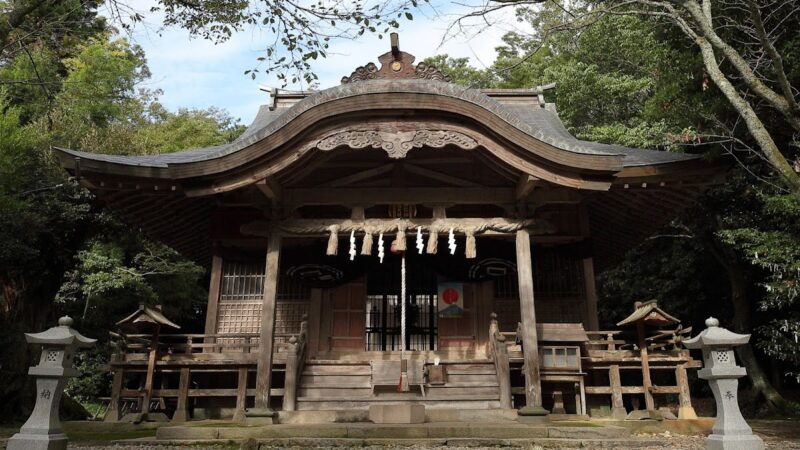
The main hall of Kachimiya Shrine is a valuable building constructed in Bunsei 13 (1830) during the late Edo period.
Architectural Style Characteristics:
- Gable roof with gable entrance structure
- Same structural form as the main hall of Izumo Taisha
- However, the number of pillars differs from Izumo Taisha, making it a unique style.
This architectural style belongs to the “Taisha-zukuri” lineage, but it is historically significant as a valuable example of a unique variation in the Inaba region. The gable entrance structure is relatively rare in shrine architecture, preserving the region’s architectural traditions.
Worship Hall
The worship hall, where worshippers offer their prayers, retains the Edo period architectural style that harmonizes with the main shrine. Located on the west side of the grounds and facing south, its position beautifully enhances the view from the approach to the shrine.
Zuishinmon Gate (Registered: March 6, 2024)
The Zuishinmon Gate, facing east at the entrance to the grounds, is a valuable structure with a distinctive design.
Structural Features:
- Three bays in length and two bays in width, gable roof with entrance on the flat side, copper roofing
- An irregular eight-legged gate structure with the ridge line shifted to the east
- The central bay is an earthen floor with a decorative attic
- The western bays on either side have floors and ceilings and house the guardian deities
- The eastern bay is an open earthen floor with a ceiling, a distinctive structure serving as a worship space for the guardian deities
This guardian gate has a unique floor plan that differs from typical shrine guardian gates and is highly regarded as an architectural representation of the local religious practices.
Atmosphere of the Shrine Grounds
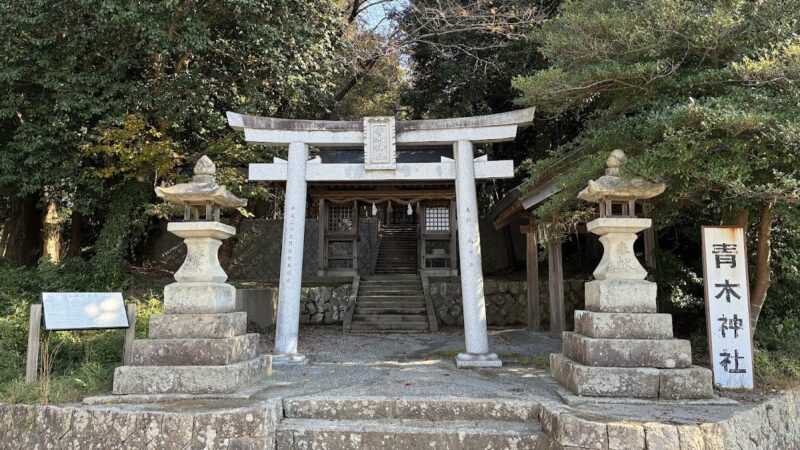
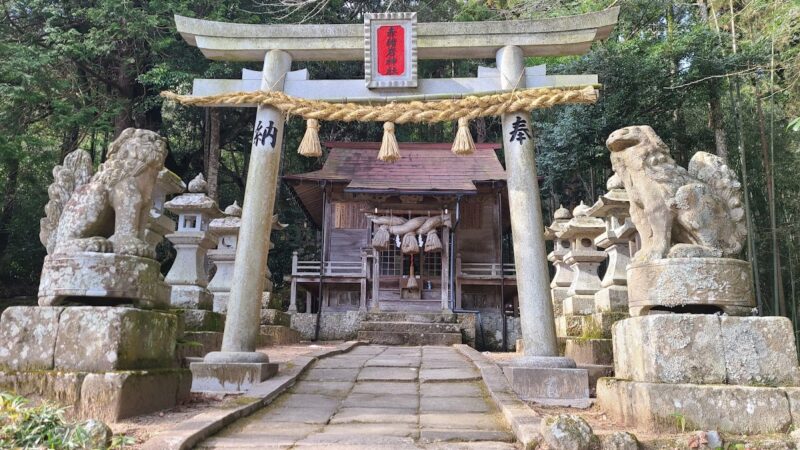
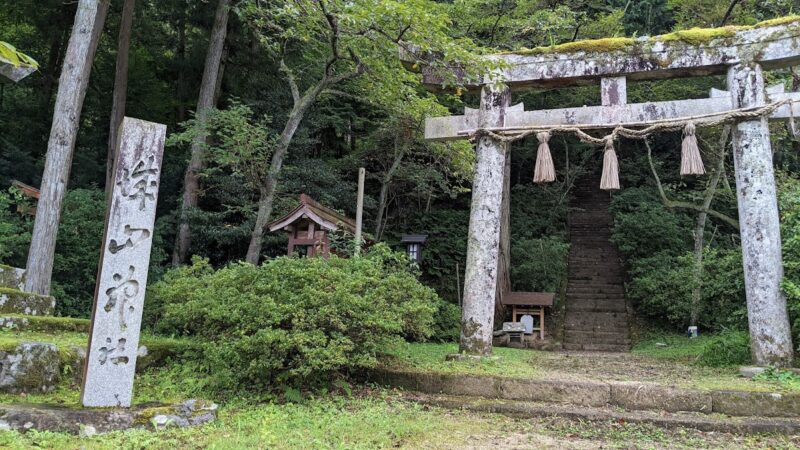
The shrine grounds are enveloped in a tranquil mountain environment, and as you proceed along the approach, the magnificent shrine buildings come into view. Located on the west side of the road and facing south, the shrine enjoys ample sunlight and creates a warm atmosphere welcoming visitors.
In addition to the main hall, worship hall, and guardian gate, the grounds also contain subsidiary shrines and stone monuments, creating a space that evokes a long history.
Benefits of Kachimi Shrine
Good Fortune and Victory Prayer
Due to its name, “Kachimi,” the shrine has been known since ancient times for its blessings of good fortune in victory.
- Passing Exams
- Job Interviews
- Sports Competitions
- Successful Business Negotiations
- Important Moments in Life
Many believers still visit the shrine to pray for these “crucial moments.”
Family Safety and Prosperity of Descendants
As the enshrined deities are parent-child and husband-wife gods connected to the Imperial lineage, the shrine is also believed to grant blessings of family safety and prosperity of descendants.
Access Information
Nearest Station and Line
The nearest station is Hamamura Station on the JR San’in Main Line.
- Approximately 4km south of Hamamura Station
- Approximately 50 minutes to 1 hour on foot
- Approximately 10 minutes by taxi
Access by Car
From Tottori City Center:
- Head west on National Route 9 towards Shikano
- Travel time: Approximately 30 minutes
Tottori Expressway:
- Approximately 25 minutes from Tottori IC
There is some parking space around the shrine grounds.
Nearest Bus Stop and Route
Tottori City Bus or Hinomaru Motor bus routes operate towards Shikano-cho, but the number of buses is limited, so it is recommended to check the timetable in advance.
Nearest Bus Stop: “Terauchi” bus stop (a few minutes’ walk to the shrine)
Nearby Tourist Attractions
Shikano Castle Ruins
Near Kachiya Shrine are the ruins of Shikano Castle, which existed from the Sengoku period to the Edo period. Known as the residence of the Kamei clan, it is now maintained as a castle ruins park.
Shikano Onsen
Shikano town also has a hot spring resort, allowing you to relax in the hot springs after visiting the shrine.
Sunada Shrine
Tottori City has many other historical shrines, including Sunada Shrine, which is listed in the Engishiki (ancient Japanese legal code). Visiting these shrines is highly recommended.
Manners and Precautions for Visiting
Visiting Hours
While you can generally visit the shrine grounds freely, it is recommended to visit during the daytime, as it gets dark in the early morning and after sunset.
Dress Code
There are no strict dress code regulations, but it is advisable to avoid revealing clothing, as it is a sacred place.
Photography
Photography is generally permitted on the shrine grounds, but please refrain from taking pictures in restricted areas such as inside the main hall. Also, please be considerate of other visitors.
The Connection Between Kachimiya Shrine and the Community
For over a thousand years, Kachimiya Shrine has been revered as the tutelary shrine of the Terauchi district in Kano-cho, attracting the faith of local residents. It plays a central role in local festivals and events, supporting community unity.
Recent designation as a cultural property has led to a renewed recognition of its value as a historical asset of the region, and expectations for its potential as a regional development and tourism resource are rising.
Summary: The Value of Visiting Kachimiya Shrine
Kachimiya Shrine is a prestigious shrine listed in the Engishiki Jinmyocho (a list of shrines compiled in the Heian period), and is one of the oldest shrines in the Inaba region with a history of over a thousand years.
Worth of Visiting:
- Benefits of Victory: Prayers for victory in important life situations
- Historical Value: The prestige of being an Engishiki-listed shrine and the history of worship by samurai warriors
- Cultural Value: The Edo period shrine buildings designated as a National Registered Tangible Cultural Property
- Architectural Value: Valuable main shrine architecture in the Izumo Taisha style
- Tranquil Environment: Peace of mind in the quiet grounds nestled in the mountains
When you need help at a crucial moment in life, such as taking exams, finding a job, or competing in a sports match, or when you want to experience Tottori’s history and culture, a visit to Kachiya Shrine will be a memorable experience.
When visiting Tottori City, be sure to extend your trip to Shikano-cho and receive blessings of victory at Kachiya Shrine, which boasts a thousand-year history. The time spent praying in the tranquil grounds will allow you to forget the hustle and bustle of everyday life and give you renewed strength.