Kamikura Shrine (Misasa-cho, Tohaku-gun, Tottori Prefecture): History and Charm | Complete Guide to its Origins, Deities, and Access
Kamikura Shrine, located in Misasa-cho, Tohaku-gun, Tottori Prefecture, is a historic shrine that has been revered by local residents as the tutelary deity of the Kamikura area since ancient times. Remnants of the Genroku era (1688-1704) and the era of syncretism of Shinto and Buddhism still remain, making it a valuable site that conveys the history and culture of Misasa-cho. This article provides a detailed introduction to Kamikura Shrine, including its origins, enshrined deities, highlights of the grounds, annual events, and access methods.
Basic Information about Kamikura Shrine
Kamikura Shrine is located in Kamikura, Misasa-cho, Tohaku-gun, Tottori Prefecture, and has a long history as the tutelary deity of the region. Misasa-cho is located in the central part of Tottori Prefecture, and is a region where 64 settlements are scattered along the Tenjin River, a first-class river, and its tributaries and valleys. Known as a town blessed with historical and cultural resources, including the national treasure Sanbutsuji Nageire-do (Mitoku-san) and the scenic spot Kojika Valley.
Location and Postal Code
Location: Kamikura, Misasa-cho, Tohaku-gun, Tottori Prefecture
The Kamikura area is one of the oldest settlements in Misasa-cho, and the local community has been formed around Kamikura Shrine. When using a postal code search, you can obtain accurate address information by checking the postal code for Misasa-cho.
Deities Enshrined
Regarding the deities enshrined at Kamikura Shrine, given its history as a former Sanno-sha or Hiyoshi Sanno-gu, it is believed that deities of the Hiyoshi Taisha lineage were worshipped there. Sanno worship has deep ties to Enryaku-ji Temple on Mount Hiei and is a form of faith that spread throughout Japan.
The History and Origins of Kamikura Shrine
History of its Founding
The founding date of Kamikura Shrine is unknown, but the oldest existing ridge beam inscription records “Genroku 9th year, auspicious day, re-roofing of one Sanno Shrine building” (1696). This inscription is an important historical document indicating that the shrine existed and was maintained at least during the mid-Edo period. The Genroku era was the reign of Tokugawa Tsunayoshi, the fifth shogun of the Edo shogunate, and was a period of cultural stability.
Legacy of the Syncretism of Shinto and Buddhism
In a hall within the Kamikura settlement, an Amida Buddha statue, said to be from the late Heian period, is enshrined. This Buddha statue is a remnant of the syncretism of Shinto and Buddhism and is a valuable cultural asset indicating the antiquity of the shrine’s founding. Syncretism of Shinto and Buddhism is a form of belief that fused ancient Japanese Shinto and Buddhism, and was a unique Japanese religious culture that continued until the Meiji-era separation of Shinto and Buddhism.
The presence of Buddhist statues from the late Heian period suggests that the history of Kamikura Shrine may date back at least to the Heian period. This indicates that Buddhist culture was widespread even in rural areas at that time, and that shrines and temples were integrated to form places of worship.
Changes in Shrine Name
Until the early modern period, Kamikura Shrine was called “Sanno-sha” or “Hiyoshi Sanno-gu.” Sanno worship is the faith in Hiyoshi Taisha (Sanno Gongen), the guardian deity of Mount Hiei, and all Sanno shrines throughout Japan were established by inviting deities from Hiyoshi Taisha. In the early Meiji era, influenced by the Shinto-Buddhist separation policy, the shrine was renamed “Kamikura Shrine.”
This name change was based on the Meiji government’s decree separating Shinto and Buddhism, reflecting the historical context in which shrines nationwide were forced to change their names from those strongly associated with Buddhism to more Shinto-like names. The current shrine name, derived from the place name “Kamikura,” more clearly indicates its connection to the local community.
Kamikura Shrine Grounds and Highlights
Shrine Architecture
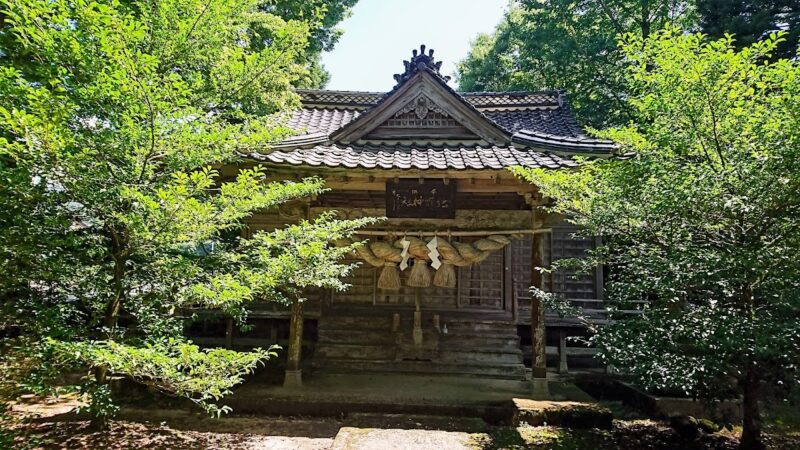
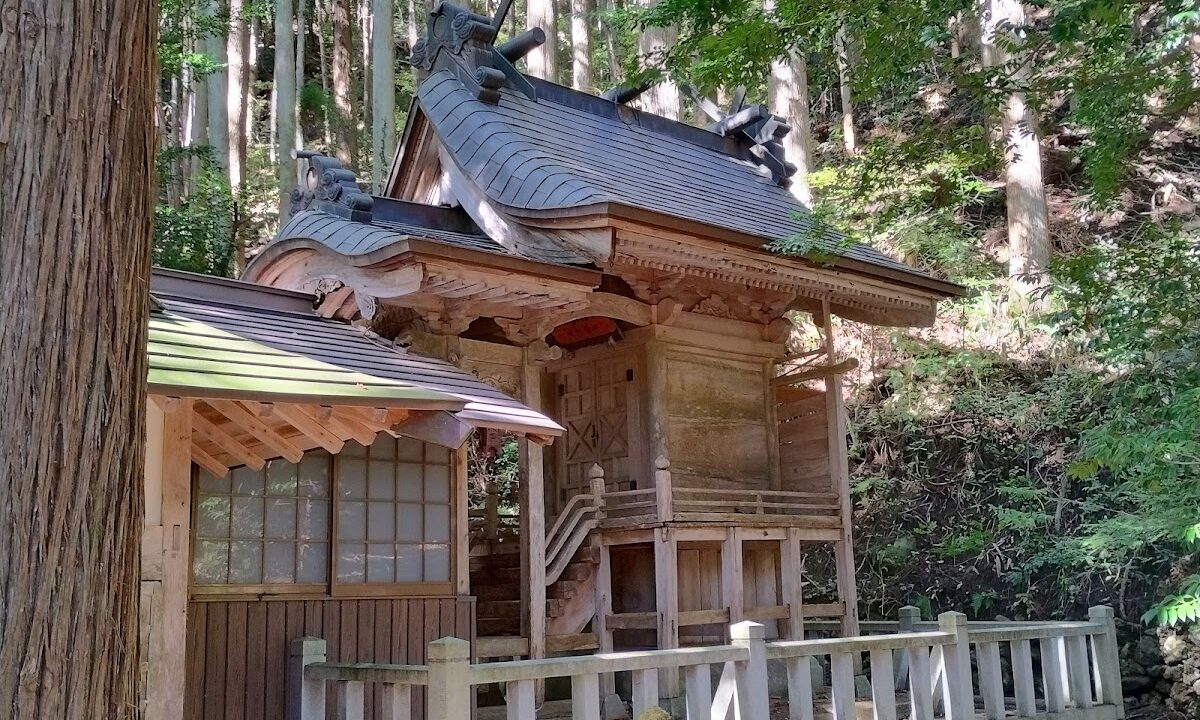
A record of “re-roofing of one building” inscribed on a ridge beam inscription from the ninth year of the Genroku era (1696) indicates that a full-fledged shrine building already existed at that time. Throughout the Edo period, it was continuously maintained by local residents. The current shrine building is the result of subsequent renovations.
Amida Buddha Statue
The late Heian period Amida Buddha statue, enshrined in a temple within the village, is an indispensable cultural asset in telling the history of Kamikura Shrine. During the period of syncretism of Shinto and Buddhism, shrines and temples were worshipped together, and this Buddha statue is a valuable legacy that conveys the form of worship of that era.
Late Heian period Buddhist sculpture is characterized by its elegant style influenced by the Jocho style. It is also of art historical value as an important historical document showing that central Buddhist culture spread to the provinces.
Atmosphere of the Shrine Grounds
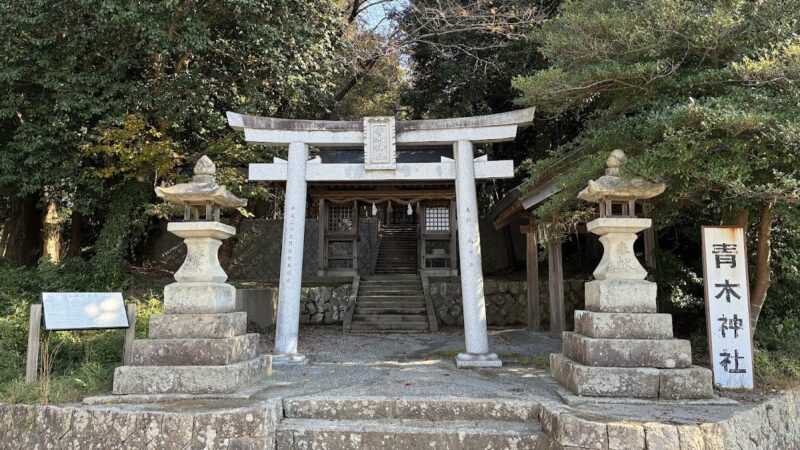
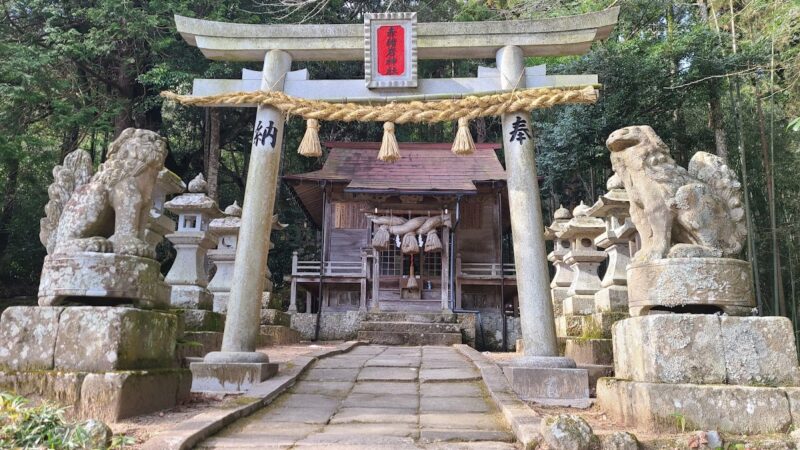
Kamikura Shrine, as the tutelary shrine of the Kamikura village, has been closely intertwined with the lives of the local residents. Located in the heart of the settlement, it plays a vital role in supporting community unity through seasonal festivals and events. The shrine grounds are enveloped in a tranquil atmosphere, offering peace of mind to visitors.
History and Cultural Background of Misasa Town
Overview of Misasa Town
Misasa Town is located in the central part of Tottori Prefecture and belongs to Tohaku District. It is the second largest town in Tottori Prefecture by area and is blessed with abundant nature and historical resources. The town name “Misasa” originates from Misasa Onsen (hot spring), which has flourished as a hot spring resort since ancient times.
Major Tourist Resources
Misasa Town is home to the national treasure, Sanbutsuji Nageire-do (Mt. Mitoku), whose appearance, built on a cliff, is known as a masterpiece of Japanese architecture. Also, the scenic spot of Kojika Valley offers beautiful valley scenery that changes with the seasons. Misasa Onsen is one of the world’s leading radium hot springs, attracting many tourists seeking health promotion and therapeutic benefits.
Distribution of Settlements
Misasa Town has 64 settlements scattered along the Tenjin River, a first-class river, and its tributaries and valleys. Kamikura settlement is one of them, and each settlement has a shrine dedicated to its tutelary deity, supporting the local faith and culture. Many settlements are located in mountainous areas, and a traditional lifestyle in harmony with nature remains.
Annual Events and Festivals of Kamikura Shrine
Annual Festival
Kamikura Shrine holds an annual festival every year, where local residents gather for religious ceremonies. It is an important event expressing gratitude to the tutelary deity and praying for the peace and prosperity of the community, and a long-standing tradition has been passed down. The date and content of the festival are determined based on local customs and have been passed down through generations.
Seasonal Festivals
Festivals related to agriculture, such as the spring Kinensai (harvest festival) and the autumn Niinamesai (harvest festival), have also been held. These festivals were important events in an agricultural society centered on rice cultivation, where people prayed for a bountiful harvest and gave thanks for the harvest. Even today, these traditions are carefully preserved as part of the local culture.
Connection to Local Events
Kamikura Shrine, as the spiritual center of the Kamikura village, is deeply involved in local events. It serves as a gathering place for local residents throughout the year, including New Year’s visits, Setsubun bean-throwing ceremonies, and summer festivals, strengthening community bonds.
Access and Surrounding Information
Access by Public Transportation
If using JR:
- Get off at Kurayoshi Station on the JR San’in Main Line
- Take a local bus or taxi from Kurayoshi Station towards Misasa Town
- The journey takes approximately 30 minutes.
Access to Misasa Town is generally via Kurayoshi City, a major city in Tottori Prefecture. Kurayoshi Station is a major station on the San’in Main Line, easily accessible from Tottori City and Yonago City.
Access by Car
From Tottori:
- Take National Route 9, passing through Kurayoshi City to Misasa Town.
- Approximately 1 hour from central Tottori City.
From Yonago:
- Take National Route 9 or the San’in Expressway.
- Approximately 1 hour 30 minutes from central Yonago City.
From Osaka/Kobe:
- Take National Route 179 from the Chugoku Expressway “Innosho IC”.
- Approximately 2 hours 30 minutes.
When traveling by car, be aware of snow and ice on mountain roads during winter. Using a map app or car navigation system will provide accurate route guidance.
Parking Information
Since the area around Kamikura Shrine is a small settlement, it is recommended to check in advance whether there is a dedicated parking lot. When visiting the shrine, please be mindful of local residents’ roads and use them respectfully.
Nearby Tourist Attractions
Misasa Onsen: Located about 15 minutes by car from Kamikura Shrine, Misasa Onsen is known as one of the world’s leading radium hot springs. The hot spring town has many inns and public baths, making it ideal for day trips.
Santoku-san Sanbutsuji Nageire-do: Designated a National Treasure, Nageire-do is a Heian period building perched on a cliff. While visiting requires climbing a steep mountain path, its mystical appearance is well worth the effort.
Kojika Valley: Designated a scenic spot, this valley offers beautiful natural scenery throughout the seasons. It attracts many tourists, especially during the autumn foliage season.
Other Shrines in Misasa Town
Besides Kamikura Shrine, Misasa Town has numerous shrines dedicated to local guardian deities scattered throughout each village. These shrines belong to the Tottori Prefectural Shrine Association and support the local faith. Visiting several shrines in Misasa Town will allow you to gain a deeper understanding of the region’s history and culture.
About the Tottori Prefectural Shrine Association
The Tottori Prefectural Shrine Association is an organization that oversees shrines throughout Tottori Prefecture, managing information on the history and festivals of each shrine. Their official website allows you to search for information on shrines throughout the prefecture, which is helpful when planning your visit.
Manners and Precautions for Visiting Shrines
Basic Worship Etiquette
- When passing through the torii gate: Bow before entering the shrine grounds.
- Purification at the water basin: Purify your left hand, then your right hand, then your mouth.
- Worship at the main hall: The basic procedure is two bows, two claps, and one bow.
- Behavior within the shrine grounds: Maintain silence and worship with respect.
Photography
Photography is generally permitted within the shrine grounds, but it is considered good manners to refrain from taking pictures inside the shrine buildings or during religious ceremonies. Also, be considerate of other worshippers.
Attire
While there are no specific dress code requirements, please be mindful of the sacred nature of the place and dress in a clean and respectful manner.
Community Connection and Ujigami Worship
Role as Ujigami
Kamikura Shrine has served as the tutelary deity of the Kamikura village, acting as a spiritual pillar for the local residents. Ujigami worship is the collectively worshipped deity of people living in a specific area, and is one of the fundamental forms of faith in Japanese Shinto.
Center of the Community
Shrines are not merely religious institutions; they also serve as the center of the local community. Through festivals and cleaning activities, they serve as a place for intergenerational exchange, strengthening community bonds.
Inheritance of Tradition
The history of Kamikura Shrine, which dates back to the Genroku era, has been preserved through the dedicated maintenance and management of local residents. Even in today’s society with its declining birthrate and aging population, efforts to pass on traditions to future generations continue.
The Significance of Visiting Kamikura Shrine
Experiencing History
Visiting Kamikura Shrine, with its long history including a building plaque from the Genroku era and Buddhist statues from the Heian period, allows you to feel the transcendent practice of faith. It is a precious place where traditional forms of worship, which are disappearing in urban areas, still thrive.
Understanding Local Culture
Through visiting Kamikura Shrine, you can gain a deeper understanding of the history, culture, and lives of the people of Misasa Town. Visiting not only famous tourist spots like Misasa Onsen and Nageire-do Temple, but also small, locally rooted shrines, deepens your understanding of the region in a more fundamental way.
Finding Peace of Mind
Located in a quiet mountainous area, Kamikura Shrine is the perfect place to escape the hustle and bustle of everyday life and find peace of mind. By slowly praying in the shrine grounds surrounded by nature, you can regain inner peace.
Summary
Kamikura Shrine is a historic shrine located in Kamikura, Misasa-cho, Tohaku-gun, Tottori Prefecture. It possesses valuable cultural assets, including a ridge beam inscription from the Genroku era and a statue of Amida Buddha from the Heian period. Formerly known as Sanno-sha or Hiyoshi Sanno-gu, it changed its name to its current form in the early Meiji era, making it a valuable relic of the syncretism of Shinto and Buddhism.
As the tutelary shrine of the Kamikura village, Kamikura Shrine has supported the faith and lives of the local residents, making it an important place to understand the history and culture of Misasa-cho. When visiting famous tourist spots such as Misasa Onsen or Mitoku-san Sanbutsuji Nageire-do, be sure to also visit Kamikura Shrine and experience the deeply rooted faith of the community.
Access is convenient by bus or taxi from Kurayoshi Station. If traveling by car, the route via National Route 9 is common. As the shrine is located in a quiet mountain village, please be considerate of the local residents and observe proper etiquette when visiting.
A visit to Kamikura Shrine will allow you to experience Tottori Prefecture’s rich history and culture, as well as its deeply rooted religious practices.