Miyazaki Shrine (Hokuei-cho, Tohaku-gun, Tottori Prefecture) | Complete Guide to History, Deities, Grounds, and Access
About Miyazaki Shrine
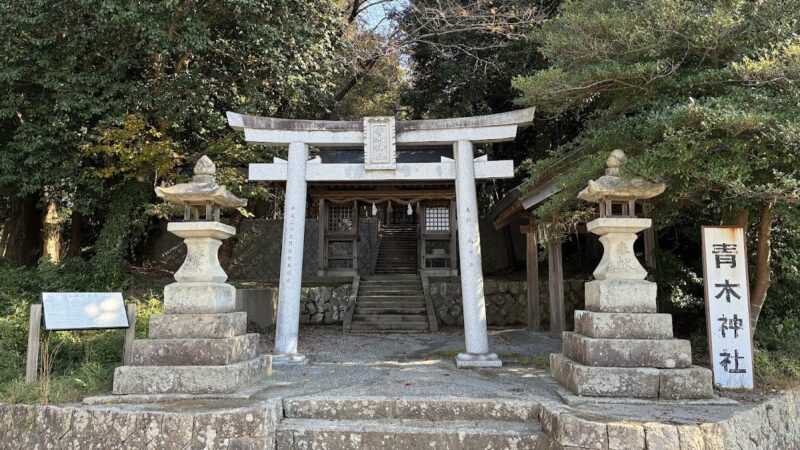
Miyazaki Shrine is a historical shrine located in Hokuei-cho, Tohaku-gun, Tottori Prefecture. Until the early modern period, it was known as “Miyazaki Daimyojin” and has long been revered as the local tutelary deity. Belonging to the Tottori Prefectural Shrine Association, it is known as one of the important shrines that conveys the history and culture of Hokuei-cho to the present day.
Hokuei-cho is nationally famous as the hometown of Gosho Aoyama, the author of Detective Conan, but it also boasts numerous historical shrines and temples, including Miyazaki Shrine, which are still carefully preserved as spiritual pillars of the region.
History and Origins of Miyazaki Shrine
Origin of Founding
The founding date of Miyazaki Shrine is unknown, but according to oral tradition, it is said to have a history dating back to ancient times. Due to a fire during the Bunka era (1804-1818), all valuable documents, including historical records, were destroyed, so detailed records do not remain.
However, according to local oral tradition, in ancient times this area was an inlet, and when the tide came in, travel became impossible, causing great hardship for the residents. It is said that to alleviate this situation, Prince Ōyamatonekohikokunikurumi, son of Emperor Kōrei, enshrined Izanagi-no-Mikoto and Izanami-no-Mikoto, which is considered the origin of this shrine.
The Relationship Between Emperor Kōrei and the Tottori Region
Emperor Kōrei is considered the 7th Emperor of Japan and is an ancient emperor mentioned in the *Nihon Shoki* and *Kojiki*. Numerous legends concerning Emperor Kōrei and his sons remain in Tottori Prefecture, and the connection with Ōyamatonekohikokuniken no Mikoto (later Emperor Kōgen) is a particularly important element in understanding the ancient history of this region.
The founding legend of Miyazaki Shrine is deeply intertwined with ancient land development and flood control projects, making it a fascinating shrine with a history where mythology and history intersect.
From Early Modern to Modern Period
In the early modern period (Edo period), it was known as “Miyazaki Daimyōjin” and attracted local devotion. Following the Meiji-era separation of Shinto and Buddhism and the establishment of the shrine system, it was renamed to its current name, “Miyazaki Shrine.”
Although a fire during the Bunka era caused significant losses, the shrine buildings were maintained thanks to the fervent faith of the local residents, and it remains an important shrine in Hokuei Town to this day.
Deities and Divine Virtues
Main Deities
The main deities of Miyazaki Shrine are the following two:
Izanagi-no-Mikoto
In Japanese mythology, he is the god of creation and the father of many gods, including Amaterasu-Omikami. As the god of creation and generation, he is believed to bestow blessings such as good fortune, protection from evil, and family safety.
Izanami-no-Mikoto
She is the goddess who created the land together with Izanagi-no-Mikoto. As the mother goddess who gives birth to all things, she is known for her blessings such as safe childbirth, fertility, matchmaking, and family harmony.
Divine Blessings
At Miyazaki Shrine, the following divine blessings are worshipped:
- Good Fortune and Prosperity: As gods who pioneered the land, they possess the power to open new paths.
- Family Safety: As gods who protect family bonds.
- Protection from Evil and Disaster: As gods who have protected the region since ancient times.
- Safe Childbirth and Fertility: As gods who give birth to life.
- Matchmaking: Divine virtues as a married couple.
- Abundant Harvest: As a guardian deity protecting agriculture.
Highlights of the Shrine Grounds
Main Hall
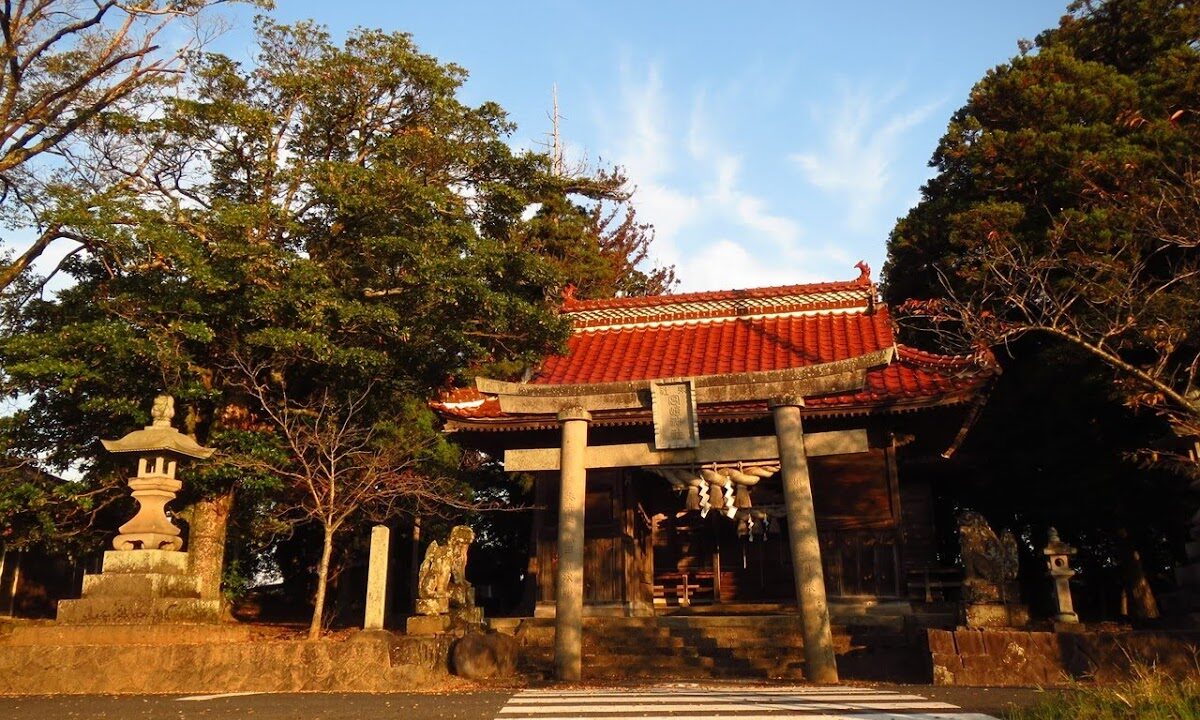
The main hall of Miyazaki Shrine preserves the traditional style of shrine architecture. It is believed to have been rebuilt after a fire during the Bunka era (1804-1818) and is carefully maintained as the center of local faith.
Atmosphere of the Shrine Grounds
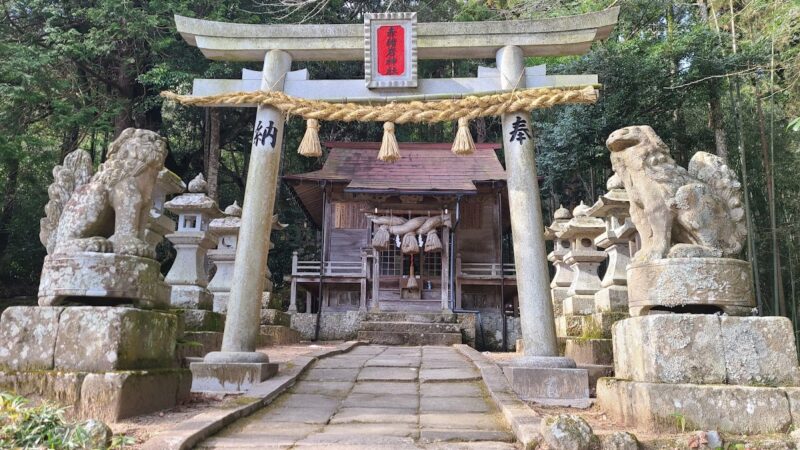
Nestled in the quiet environment of Hokuei Town, Miyazaki Shrine has a tranquil atmosphere. Trees flourish on the grounds, allowing visitors to experience the changing seasons. It offers a peaceful environment for worship, far removed from the hustle and bustle of the city.
Etiquette for Visiting a Shrine
The basic etiquette for visiting a shrine is as follows:
- Bow before the Torii Gate: Bow before entering the shrine grounds.
- Purify yourself at the Water Basin: Purify your left hand, right hand, and mouth in that order.
- Worship in front of the Main Hall: Two bows, two claps, and one bow is the basic procedure.
- Bow upon leaving: Turn around and bow when leaving the Torii Gate.
Festivals and Annual Events
Miyazaki Shrine holds various festivals and events throughout the year. These events play an important role in the local community and serve as a place for intergenerational exchange.
Annual Festival
The annual festival, held at a fixed time each year, is the most important festival for Miyazaki Shrine. Parishioners and local residents gather to express gratitude for the shrine’s divine blessings and pray for the peace and prosperity of the community.
Other Annual Events
- New Year’s Day Festival: Prayers for peace throughout the year at the start of the new year
- Spring Festival: A spring festival praying for a bountiful harvest
- Autumn Festival: An autumn festival giving thanks for the harvest
- Great Purification Ceremony: A Shinto ritual to cleanse away the sins and impurities accumulated over the past six months
For detailed dates of these events, please contact the Tottori Prefectural Shrine Association or your local parishioner’s representative.
Other Shrines and Temples in Hokuei Town
Besides Miyazaki Shrine, Hokuei Town has many other historical shrines and temples.
Main Shrines in Hokuei Town
Motono Shrine
The founding date is unknown, and it was known as Kojin-gu or Gozu Tenno in ancient times. It was renamed Hirano Shrine in the early Meiji era, and after a complex history, it became the current Motono Shrine.
Seto Shrine
Although documents and other materials were lost in a fire during the Daiei era (1521-1528), it was known as Kokushi Daimyojin until the early modern period, and was renamed Seto Shrine in the Meiji era.
Omiwa Shrine
According to oral tradition, a divided spirit of Omiwa Shrine in Yamato Province was enshrined here during the reign of Emperor Sujin, and it was known as Miwa Daimyojin until the early modern period.
Takae Shrine
It is said to have been established in September of Tensho 19 (1591) by inviting a deity from Mount Oyama.
Iwasaki Shrine
Until the early modern period, it was known as Yamanaga Daimyojin or Yamahisa Daimyojin and was revered as a local tutelary deity.
Temples in Hokuei Town
Seto Kannon-ji Temple
The wooden eleven-faced thousand-armed Kannon standing statue is said to be a work from the mid-Fujiwara period, and the temple’s founding date is believed to be around 1728. It is also known for the stone Buddha statues that fill the temple grounds.
Komyo-ji Temple, Shogishi-ji Temple, and Shinfuku-ji Temple are also important temples that tell the history of Hokuei Town.
Kotohira Shrine and Kunisaka Shrine are also places of worship in the region.
Access and Visiting Information
Location
689-2100 Hokuei-cho, Tohaku-gun, Tottori Prefecture
Transportation Access
Access by Train
The nearest stations are JR San’in Main Line’s “Yura Station” or “Hojo Station”. From the station, access is by taxi or on foot.
Hokuei Town is famous for “Conan Street,” and the 1.4km (approximately 20-minute walk) street from JR Yura Station to the Gosho Aoyama Manga Factory is dotted with statues of characters from Detective Conan. You can enjoy sightseeing in conjunction with visiting the shrines.
Access by Car
Take the San’in Expressway towards Hokuei Town. For detailed location information, please search for “Miyazaki Shrine, Hokuei-cho” on your car navigation system or smartphone map app.
Parking
Parking space may be limited depending on the size and location of the shrine. Please be considerate of the neighbors when visiting.
Visiting Hours
While the shrine is generally open for worship throughout the day, the hours of operation for the shrine office may be limited. If you wish to receive a Goshuin (shrine stamp) or prayers, it is recommended to check in advance.
About the Tottori Prefectural Shrine Association
Miyazaki Shrine belongs to the Tottori Prefectural Shrine Association. The Tottori Prefectural Shrine Association is a religious corporation that encompasses shrines within Tottori Prefecture, and its purpose is the protection and development of shrines and the promotion of Shinto.
Information on the Tottori Prefectural Shrine Association
Name: Religious Corporation Tottori Prefectural Shrine Association
Address: 87 Kamimachi, Tottori City, Tottori Prefecture 680-0015
Phone Number: 0857-24-7699
The Tottori Prefectural Shrine Association website provides information on shrines in various regions of the prefecture, festivals and events, information on mythology and Shinto, and the association’s newsletter and public relations magazines.
Shrines in Tottori Prefecture
The Tottori Prefectural Shrine Association includes shrines throughout the prefecture, including the Tottori region (Tottori City, Kofu Town/Fukube Town, Kawara Town/Mochigase Town/Saji Town, Ketaka Town/Shikano Town/Aoya Town), Iwami Town, Yazu Town, Wakasa Town, Chizu Town, Kurayoshi City, Misasa Town, Kotoura Town, Hokuei Town, Yonago City, Sakaiminato City, etc.
The Charms of Hokuei Town
The Town of Detective Conan
Hokuei Town is known as the birthplace of Gosho Aoyama, the author of the globally popular manga “Detective Conan.” Along “Conan Street,” from JR Yura Station to the Gosho Aoyama Manga Factory, you’ll find bronze statues, stone monuments, and signposts of Conan scattered throughout, allowing you to encounter the character in various places.
History and Culture
While Hokuei Town is famous for Detective Conan, it also boasts numerous historical shrines and temples, including Miyazaki Shrine. It’s a town with a unique charm, where a history of ancient faith coexists with modern pop culture.
Natural Environment
Hokuei Town is a naturally rich area facing the Sea of Japan. Beautiful coastal scenery and tranquil rural landscapes abound, allowing you to enjoy nature throughout the seasons.
Manners and Precautions for Visiting a Shrine
Attire
While no special attire is required for visiting a shrine, please dress in a clean and respectful manner. Avoid excessive exposure, and dress in a way that shows respect for the deities.
Photography
Photography is generally permitted on the shrine grounds, but please refrain from taking pictures inside the main hall or in sacred areas. Also, please be considerate of other visitors.
Respect
Shrines are sacred places. Please refrain from loud conversations and noisy behavior, and pray quietly.
Pets
Regulations regarding pets vary by shrine. It is recommended to check in advance or refrain from bringing pets onto the grounds.
Future Preservation and Succession of Miyazaki Shrine
Role of the Local Community
Miyazaki Shrine is an important spiritual pillar for the local community of Hokuei Town. Through maintenance activities by parishioners and local residents, and participation in festivals and ceremonies, faith and culture are passed down through generations.
Value as a Cultural Asset
Although ancient documents were lost in a fire during the Bunka era, the history and festival traditions passed down through oral tradition are valuable intangible cultural assets of the region. Passing these on to future generations will contribute to protecting the region’s history and identity.
Potential as a Tourism Resource
Hokuei Town attracts many tourists as a pilgrimage site for fans of Detective Conan. A balance is needed in utilizing historical shrines and temples, including Miyazaki Shrine, as tourism resources while preserving their faith and traditions.
Summary
Miyazaki Shrine is a historical shrine located in Hokuei Town, Tohaku District, Tottori Prefecture. While the exact founding date is unknown, it has a history dating back to ancient times, with a son of Emperor Korei enshrining the deity. It has been revered as the local tutelary deity, with Izanagi-no-Mikoto and Izanami-no-Mikoto as its enshrined deities.
Although valuable documents were lost in a fire during the Bunka era (1804-1818), the shrine’s history, passed down through oral tradition, and the deep faith of the local residents have ensured its preservation to this day. Besides Miyazaki Shrine, Hokuei Town boasts numerous other shrines, including Motono Shrine, Seto Shrine, Omiwa Shrine, Takae Shrine, and Iwasaki Shrine, as well as temples such as Seto Kannon-ji Temple, forming a rich religious culture.
While Hokuei Town is nationally known as the town of Detective Conan, its long history of faith dating back to ancient times is also a major attraction. Visiting historical shrines and temples, including Miyazaki Shrine, in conjunction with sightseeing along Conan Street will allow you to discover the multifaceted charm of Hokuei Town.
When visiting Tottori Prefecture, be sure to visit Miyazaki Shrine in Hokuei Town and feel the spirit of faith that has continued since ancient times. In the tranquil grounds, you may find peace of mind and gain new insights and strength by experiencing the divine virtues of the enshrined deity.
Frequently Asked Questions (FAQ)
Q1: Can I get a Goshuin (shrine stamp) at Miyazaki Shrine? A1: The availability of Goshuin (temple/shrine stamps) varies depending on the size of the shrine and the opening status of the shrine office. We recommend contacting the Tottori Prefectural Shrine Association (0857-24-7699) or your local parishioner’s representative in advance.
Q2: Can I have a wedding ceremony or prayer at Miyazaki Shrine?
A2: The availability of Shinto wedding ceremonies and various prayers (such as first shrine visits for newborns, Shichi-Go-San, and exorcism) varies by shrine. If you wish to have these services, please consult with the Tottori Prefectural Shrine Association or a shrine representative in advance.
Q3: I would like to visit other shrines in Hokuei Town as well. Do you have a recommended route?
A3: Hokuei Town has several shrines, including Motono Shrine, Seto Shrine, Omiwa Shrine, Takae Shrine, and Iwasaki Shrine. We recommend checking the location of each shrine using a map app and planning an efficient route. Traveling by car is convenient.
Q4: When is the annual festival of Miyazaki Shrine held?
A4: For specific dates regarding the annual festival, please check the Tottori Prefectural Shrine Association website or call (0857-24-7699). You can also ask local parishioners.
Q5: Are Conan Street and Miyazaki Shrine close to each other?
A5: We recommend checking the relative locations within Hokuei Town using a map app. A day trip combining sightseeing on Conan Street and visiting the shrine is also possible. For detailed access information, please contact the Hokuei Town Tourism Association.