Complete Guide to Ogamiyama Shrine Main Branch (Yonago City, Tottori Prefecture) | History, Benefits, Access, and Highlights Explained in Detail
Ogamiyama Shrine Main Branch, located in Odaka, Yonago City, Tottori Prefecture, is a historic shrine that has long been revered as the center of worship for the sacred Mount Daisen. This article comprehensively explains information useful for visiting Ogamiyama Shrine Main Branch, including its history, enshrined deities and benefits, highlights within the grounds, seasonal attractions, and access methods.
What is Ogamiyama Shrine Main Branch? | Center of Mount Daisen Worship
Ogamiyama Shrine Main Branch is located at 1025 Odaka, Yonago City, Tottori Prefecture, and is situated at the foot of Mount Daisen (elevation 1,729m), the highest sacred mountain in the Chugoku region. “Ogamiyama” is an old name for Mount Daisen, and this shrine has played a central role in the worship of Mount Daisen.
Ogamiyama Shrine has a unique structure consisting of two shrine buildings: the main shrine (Odaka, Yonago City) and the inner shrine (Daisen-cho, Saihaku-gun). The main shrine is also called the “Winter Shrine,” and especially during the winter when the inner shrine is closed off by snow, the main shrine at the foot of the mountain becomes the center of worship. This two-shrine system is a unique form of Hoki Province, balancing rigorous mountain worship with a faith rooted in the local community.
Ogamiyama Shrine, a Shikinaisha (a shrine listed in the Engishiki) and the second-ranked shrine of Hoki Province, was a highly prestigious shrine. During the Meiji era, it was designated a National Shrine of the lower rank, and it remains affectionately known as “Ogami-san” by the local Yonago citizens.
Deity and History of the Shrine
Deity: Ōnamuchi-no-kami (Ōkuninushi-no-mikoto)
The deity enshrined at the main shrine of Ogamiyama Shrine is Ōnamuchi-no-kami. This is another name for Ōkuninushi-no-Mikoto, the principal deity of Izumo mythology. He is a god with diverse divine virtues, including nation-building, agriculture, commerce, and medicine.
Ōkuninushi-no-Mikoto is also known from the myth of “The White Rabbit of Inaba” and has deep ties to Tottori Prefecture. Mount Daisen itself is revered as a sacred mountain, and Ōanamuchi-no-Kami has been enshrined there as the deity residing on the mountain.
Founding and History of Ōgamiyama Shrine
The founding date of Ōgamiyama Shrine is unclear, but since it is listed as a Shikinaisha (a shrine listed in the Engishiki Jinmyōchō, compiled in 927), it can be confirmed that it existed at least as early as the beginning of the Heian period.
From ancient times, Mount Daisen was called “Ōkami-no-Take” and was an object of mountain worship. Initially, it is believed that the place of worship was near the summit, but gradually shrine buildings were constructed on the mountainside (the current location of the inner shrine) and at the foot of the mountain (the current location of the main shrine). During the medieval period, the worship of Mount Daisen became syncretized with Shinto and Buddhism, and the Daisen faith took on a stronger Buddhist character. At its peak, Daisen-ji Temple was a major sacred site boasting over 100 monks’ quarters, and Ogamiyama Shrine played a central role within its sphere of influence.
During the Edo period, under the patronage of the Nakamura and Arao clans, the lords of the Yonago domain, the main shrine buildings were renovated. The current main hall is a valuable structure that preserves the architectural style of the mid-Edo period.
With the Meiji-era separation of Shinto and Buddhism, Daisen-ji Temple and Ogamiyama Shrine were separated, and the shrine began its independent history. In 1871 (Meiji 4), it was ranked as a National Shrine of the lower rank, and since then, it has been revered as a representative shrine of Hoki Province.
Benefits of Ogamiyama Shrine Main Hall
Okuninushi-no-Mikoto, enshrined at Ogamiyama Shrine Main Hall, is known for his diverse divine virtues. The main benefits that worshippers can expect are as follows:
Matchmaking and Marital Harmony
Okuninushi-no-Mikoto is a god who married many goddesses and fathered numerous children. Therefore, he is believed to grant blessings for successful relationships, romantic fulfillment, marital harmony, and family harmony, and many couples and married couples visit his shrine.
Business Prosperity and Success
Okuninushi-no-Mikoto, who accomplished the creation of the nation, is also worshipped as a god of business prosperity, success in business, and abundant harvests. He is deeply revered by local merchants, industrialists, and farmers, and there is a constant stream of worshippers praying for business development.
Healing and Longevity
Okuninushi-no-Mikoto also has an aspect as a god of medicine. Based on the myth of treating the White Rabbit of Inaba, he is believed to grant blessings for healing from illness, longevity, and good physical health.
Good Fortune, Protection from Evil, and Family Safety
As a deity residing on the sacred mountain of Mt. Daisen, it is worshipped as a guardian deity of all aspects of life, including good fortune, protection from evil, family safety, and traffic safety. It is a popular destination for New Year’s visits for local Yonago residents, and is bustling with many worshippers praying for a safe and peaceful New Year.
Highlights of the Shrine Grounds
The grounds of the Ogamiyama Shrine main building are dotted with historical buildings and spots where you can enjoy the beauty of nature.
Main Hall and Worship Hall
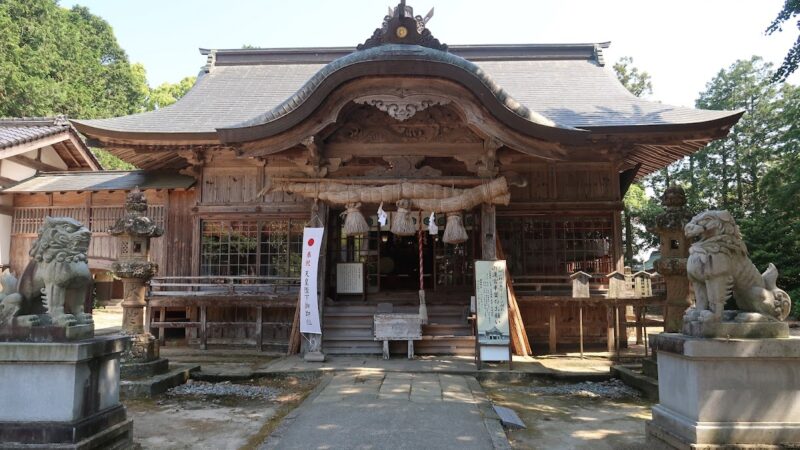
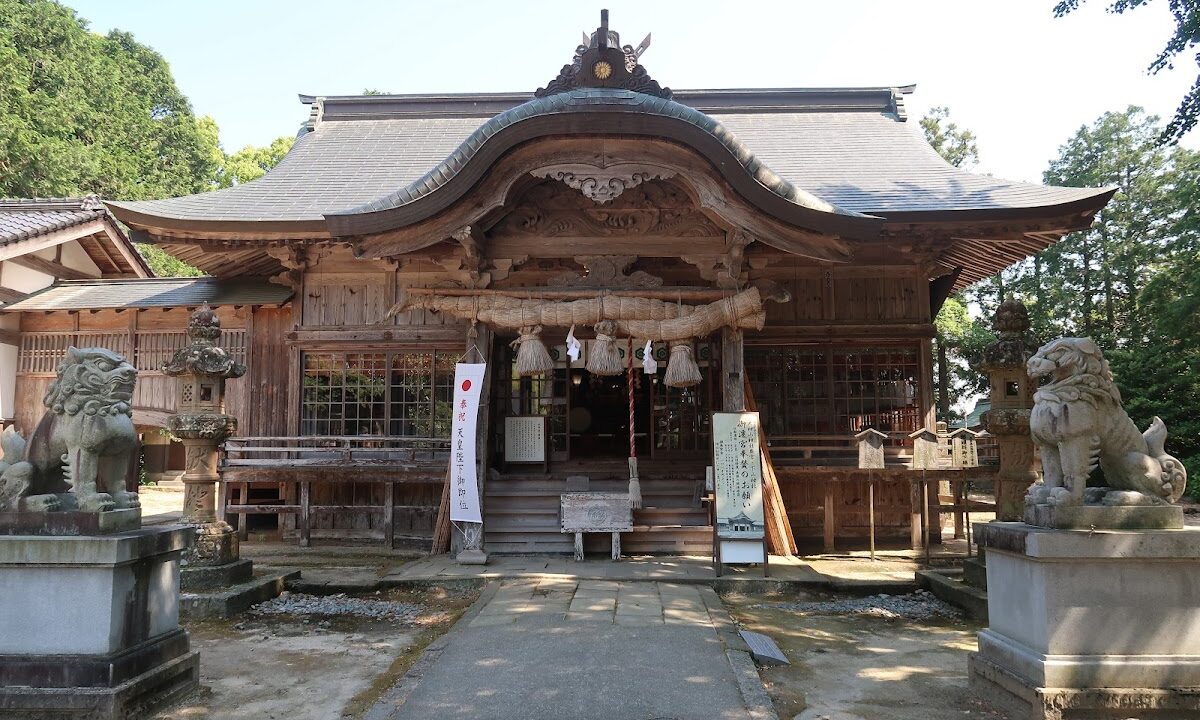
The main hall and worship hall form the heart of the shrine. The main hall was built in the mid-Edo period and preserves the architectural style unique to the Hoki region. The worship hall is where worshippers offer their prayers, allowing for quiet and solemn worship in a serene atmosphere.
The shrine buildings are built with Mt. Daisen behind them, and worshipping there means paying homage to the sacred Mt. Daisen from afar. This arrangement reflects the ancient belief that Mt. Daisen itself is the sacred object of worship.
Shrine Gate and Approach
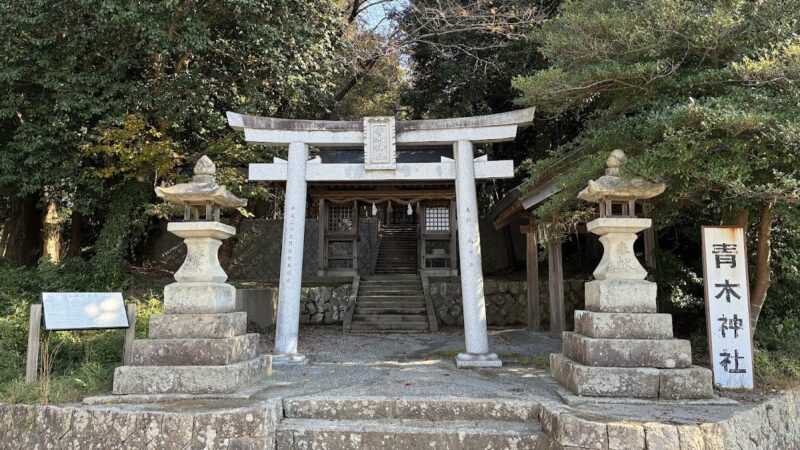
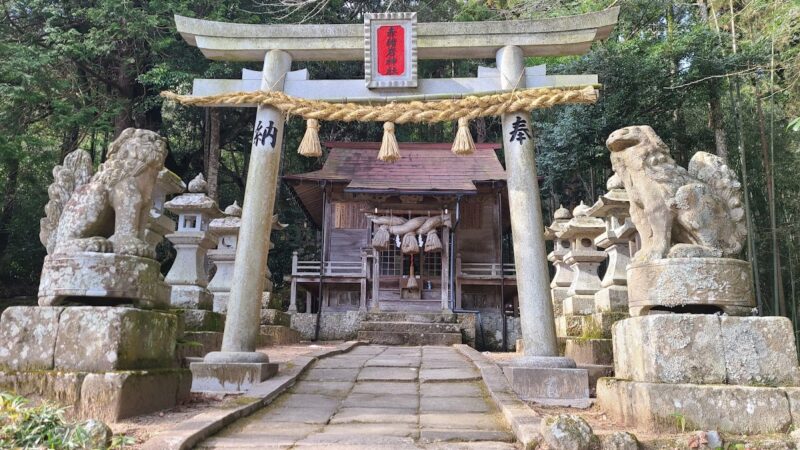
A magnificent shrine gate stands at the entrance to the main shrine, and the approach leading from there to the main hall is paved with gravel, creating a pure and serene atmosphere. Ancient trees line both sides of the approach, displaying different expressions throughout the seasons.
Water Basin
At the water basin located along the approach, you can purify your mind and body before praying. Pure water springs forth; please purify your hands and mouth according to the proper etiquette for worship before proceeding to the main hall.
Subsidiary Shrines
Several subsidiary shrines are located within the main shrine grounds, each offering unique blessings. After visiting the main hall, if you have time, it is recommended to visit these subsidiary shrines as well.
Shrine Office and Gift Shop
There is a shrine office on the grounds where you can receive Goshuin (shrine stamps), amulets, and talismans. The Goshuin of Ogamiyama Shrine is popular among many visitors as a memento of their visit. Furthermore, various amulets are available to suit different purposes, such as matchmaking and business prosperity.
The Charm of a Hydrangea Spot
Ogamiyama Shrine’s main hall is known as one of Tottori Prefecture’s leading hydrangea spots.
Approximately 30 Varieties and 1000 Hydrangea Plants
Approximately 30 varieties and 1000 hydrangea plants are planted on the shrine grounds, reaching their peak bloom from mid-June to early July each year. The colorful hydrangeas, in shades of blue, purple, pink, and white, adorn the grounds, captivating visitors.
A Symphony of Fresh Greenery and Hydrangeas
In early summer, the shrine grounds offer a beautiful landscape woven from the fresh greenery of the trees and the vibrant hydrangeas. The contrast between the solemn atmosphere of the ancient shrine and the fresh hydrangeas is truly a scene unique to Japan’s rainy season.
Hydrangeas are planted along the approach to the shrine, around the main hall, and throughout the grounds, allowing visitors to enjoy the flowers while praying. Many visitors bring cameras to photograph the collaboration of the shrine architecture and the hydrangeas.
Best Time to See Hydrangeas and Visit
The best time to see hydrangeas varies slightly depending on the weather, but it is usually from mid-June to early July. Visiting during a break in the rainy season allows you to enjoy the beautiful contrast between the blue sky and the hydrangeas. Hydrangeas wet with rain also have a certain charm, offering a unique atmosphere of the rainy season.
Annual Events and Festivals
Ogamiyama Shrine holds various Shinto rituals and festivals throughout the year.
New Year’s Visit
For Yonago residents, Ogamiyama Shrine is a classic spot for New Year’s visits. Many worshippers visit from New Year’s Day through the third day to pray for safety and prosperity in the new year. The shrine grounds are lined with stalls, creating a lively atmosphere.
Annual Grand Festival
Every autumn, the annual grand festival is held, featuring traditional Shinto rituals such as a portable shrine procession and Kagura (sacred dance) performances. Many local parishioners and devotees attend, making it the most important festival of the year for the shrine, and it is celebrated with great fanfare.
Other Annual Events
Seasonal Shinto rituals such as the Setsubun Festival, the Summer Purification Ceremony, and the Autumn Niiname-sai (harvest festival) are carefully performed. Attending these rituals allows visitors to experience traditional Japanese religious culture.
Relationship with Ogamiyama Shrine’s Inner Sanctuary
Ogamiyama Shrine is a unique shrine with a two-shrine system: the main shrine (Odaka, Yonago City) and the inner sanctuary (Daisen-cho, Saihaku-gun).
Location and Role of the Inner Sanctuary
The inner sanctuary is located on the mountainside of Mt. Daisen, at an altitude of approximately 900m. Located adjacent to Daisen-ji Temple and close to the trailhead of the sacred Mount Daisen, it has long been revered as a sacred site of mountain worship. The inner shrine buildings are designated as important national cultural properties, and are particularly famous for their Gongen-zukuri style main hall and one of the longest natural stone approach paths in Japan.
Differentiating between the Main Shrine and the Inner Shrine
Traditionally, from spring to autumn, the inner shrine on the mountainside is the main place of worship. In winter, the main shrine at the foot of the mountain becomes the “winter shrine” in place of the inner shrine, which is closed off by snow. This two-shrine system is a testament to the wisdom of our ancestors in maintaining faith in a harsh natural environment.
Currently, both shrines are accessible year-round, but visiting the inner shrine in winter can be difficult due to heavy snowfall. The main shrine, which is accessible year-round, is a familiar place of worship for the local Yonago residents.
Recommendation to Visit Both Shrines
If you have the time and energy, we recommend visiting both the main shrine and the inner shrine. By experiencing the history of the Daisen faith at the main shrine at the foot of the mountain and the sacred atmosphere of the sacred peak at the inner shrine on the mountainside, you can gain a deeper understanding of the overall faith of Ogamiyama Shrine.
Access Methods
Detailed instructions on how to access the main shrine of Ogamiyama Shrine are provided below.
Location
1025 Odaka, Yonago City, Tottori Prefecture 683-0853
Access by Train
- From JR San’in Main Line “Hoki-Daisen Station”: Approximately 30 minutes on foot (approximately 2.4 km)
- By taxi: Approximately 5 minutes
Hoki-Daisen Station is a stop for the limited express “Yakumo,” making it convenient to access from Okayama and Izumo City. While the shrine is within walking distance from the station, it is a bit of a distance, so consider using a taxi or rental bicycle.
Access by Car
- From Yonago IC on the Yonago Expressway: Approximately 15 minutes
- From Yonago-Nishi IC on the San’in Expressway: Approximately 10 minutes
The shrine has a parking lot for visitors (capacity of approximately 30 cars). It is free to use, but it may be full during peak seasons such as New Year’s Day or when hydrangeas are in bloom, so it is recommended to visit with plenty of time to spare.
Access by Bus
It is possible to use local buses from Yonago Station or within Yonago city, but the number of buses is limited, so it is recommended to check the timetable in advance.
Car Navigation Settings
Searching by the phone number “0859-27-2345” will display the location of the main shrine of Ogamiyama Shrine.
Notes and Manners for Visiting
Visiting Hours
Entry to the shrine grounds is generally free, but the shrine office is open from approximately 9:00 to 17:00. If you wish to receive a Goshuin (temple/shrine stamp) or amulet, please visit during these hours.
Attire
There are no specific dress code requirements for visiting a shrine, but please be mindful that it is a sacred place and dress cleanly and modestly. Especially when viewing hydrangeas in the summer, it is best to avoid overly revealing clothing.
Worship Etiquette
The basic worship etiquette is “two bows, two claps, one bow.”
- Bow before passing through the torii gate.
- Walk away from the center of the path (the center is the path of the gods).
- Cleanse your hands and mouth at the water basin.
- Offer your donation in front of the main hall.
- Bow deeply twice.
- Clap your hands twice.
- Offer your prayer.
- Bow deeply once.
Photography
Photography is generally permitted within the shrine grounds, but there are areas where photography is prohibited, such as inside the main hall. Also, please be considerate of other worshippers. Especially during hydrangea season, many people enjoy taking photos, but it’s important to be mindful not to occupy the shrine grounds.
Nearby Tourist Attractions
Here are some nearby tourist attractions you might want to visit in conjunction with your visit to the main shrine of Ogamiyama Shrine.
Mt. Daisen
Mt. Daisen, the highest sacred peak in the Chugoku region, is a mountain resort that can be enjoyed throughout the year for activities such as climbing, hiking, and skiing. Enjoying the natural beauty of Mt. Daisen in conjunction with a visit to the inner shrine of Ogamiyama Shrine is highly recommended.
Kaike Onsen
Kaike Onsen, located along the coast in northern Yonago City, is a representative hot spring resort in the San’in region. After visiting Ogamiyama Shrine, you can relax and soothe your fatigue in the hot springs.
Yonago Castle Ruins
The Yonago Castle Ruins, located in the center of Yonago City, are a historical site with remaining stone walls. From the castle tower base, you can enjoy a spectacular panoramic view of Yonago city, the Sea of Japan, and Mt. Daisen.
Mizuki Shigeru Road
Mizuki Shigeru Road, located in Sakaiminato City, is a tourist spot developed as the birthplace of Mizuki Shigeru, the creator of “GeGeGe no Kitaro.” The shopping street, lined with bronze statues of yokai (Japanese supernatural creatures), can be enjoyed by people of all ages.
Local Relations
For the local residents of Yonago, Ogamiyama Shrine is not merely a tourist attraction, but a place of worship deeply rooted in their lives.
The Affectionate Name “Ogami-san”
Locally, the shrine is affectionately known as “Ogami-san,” and the custom of visiting at important life events continues to this day. It is used for various life rituals, such as first shrine visits for newborns, Shichi-Go-San (a traditional rite of passage for children), prayers for success in exams, weddings, and exorcisms.
Center of the Community
Local residents actively participate in the maintenance and management of the shrine through festivals and cleaning activities, forming a community centered around the shrine. This strong connection with the community is the driving force behind passing on the shrine’s history and traditions to future generations.
Summary
Ogamiyama Shrine, the main shrine of Tottori Prefecture, is a representative shrine of the prefecture, blending a history of worship of the sacred Mount Daisen, reverence for Okuninushi-no-Mikoto, the god of nation-building, and deeply rooted local beliefs.
The shrine buildings dating back to the Edo period, the approximately 1,000 hydrangea bushes that adorn the early summer, the beauty of nature throughout the seasons, and the fervent faith of the local people—all of these harmonize to provide visitors with deep emotion and peace of mind.
When you visit Yonago City, be sure to stop by Ogamiyama Shrine. A special space woven from history, nature, and faith will warmly welcome you. While receiving various blessings such as matchmaking, business prosperity, and health and longevity, it will be a valuable experience to touch upon traditional Japanese shrine culture.
Especially during hydrangea season, you can enjoy the interplay of vibrant flowers and the majestic shrine buildings. Why not take a leisurely stroll through the grounds with your camera in hand? We hope that your visit to the main shrine of Ogamiyama Shrine will become a wonderful memory of your trip.