Akaiwa Shrine (Tottori Prefecture) Complete Guide | Sacred Site of the Okuninushi Rebirth Myth, Benefits, and Access Information
What is Akaiwa Shrine?
Akaiwa Shrine is a shrine located at 232 Terauchi, Nanbu-cho, Saihaku-gun, Tottori Prefecture. It is known as the setting for the “Rebirth Myth of Okuninushi” in Japanese mythology. It is considered the current location of “Hoki no Kuni no Temayamamoto” as described in the Kojiki (Records of Ancient Matters), and is a rare sacred site in Japan where Okuninushi, who had once lost his life, was resurrected by the power of his mother goddess and two other goddesses.
The shrine grounds are protected by a lush sacred grove, and the sacred space is filled with ancient trees whose ages are impossible to determine. It is attracting attention as a powerful spiritual spot, with worshippers from both within and outside the prefecture visiting to pray for recovery from illness and injury, a comeback in work, sports, and studies, and a fresh start in life.
The Setting of the Myth of Okuninushi’s Rebirth | The Story as Told in the Kojiki
The Aftermath of the White Rabbit of Inaba
The myth of Akaiwa Shrine is a sequel to the famous story of the “White Rabbit of Inaba.” Okuninushi, who saved the white rabbit, married Yagami-hime, but his life was threatened by the jealous Eighty Gods (his elder brothers).
Death at the hands of the Red Boar
The elder brothers deceived Okuninushi, telling him, “There is a red boar at the foot of Tema-no-Yamamoto. You wait below and catch it. We will drive it down from the mountain.” However, in reality, they rolled a red-hot boulder down. Okuninushi was crushed by this burning boulder and lost his life in this place. The Kojiki records this as “Tema-no-Yamamoto in Hōki Province,” and this location is believed to be the site of the present-day Akaiwa Shrine.
The Mother Goddess’s Grief and the Miracle of Rebirth
Upon learning of her son’s death, the mother goddess Sashikuniwakahime grieved deeply and ascended to Takamagahara (the High Plain of Heaven) to seek help from Kamimusubi-no-Kami. Kamimusubi-no-Kami sent two goddesses: Kisagaihime and Umugaihime.
Kisagaihime ground ark clam shells into powder, and Umugaihime collected clam juice to create a milk-like liquid. When this was applied to Okuninushi’s body, he was resurrected as a beautiful young man. The place where this miracle of rebirth occurred is believed to be the site of Akaiwa Shrine.
Deities and Benefits
Main Deity
Okuninushi-no-Mikoto is enshrined as the main deity. Ōkuninushi-no-Mikoto is also known as the principal deity of Izumo Taisha Shrine and is a representative deity of the Kunitsukami (earthly gods). He is also known by the alternative names Ōnamuchi-no-Mikoto and Ōnamuchi-no-Mikoto.
Enshrined Deities
- Sashikuniwakahime-no-Mikoto: The mother goddess of Okuninushi-no-Mikoto, a compassionate goddess who worked tirelessly for her son’s rebirth.
- Susanoo-no-Mikoto: The stepfather of Okuninushi-no-Mikoto.
- Inadahime-no-Mikoto: The wife goddess of Susanoo-no-Mikoto.
Special Blessings
Akaiwa Shrine is considered a sacred place of “rebirth, resurrection, and revival,” and is believed to offer the following blessings:
Recovery from Illness/Injury
- Recovery from serious illness
- Rehabilitation from injury or accident
- Recovery and maintenance of health
Career/Work Restart
- Re-employment after unemployment
- Business restructuring
- Taking on new business ventures
- Success in changing jobs or becoming independent
Return to Sports/Competition
- Comeback after injury
- Overcoming a slump
- Improving athletic performance
Retrying academics/exams
- Praying for success for students taking a gap year
- Retaking qualification exams
- Improving academic ability
A fresh start in life
- Recovering from divorce or heartbreak
- Repairing relationships
- Starting a new life
- Resetting mind and body
A shrine specializing in “regeneration and revival” is extremely rare throughout Japan, and Akaiwa Shrine is a unique entity that attracts the faith of many worshippers.
History and origins of Akaiwa Shrine
Origins of the shrine
The current Akaiwa Shrine has a history of being formed by the merger of several shrines.
1917 (Taisho 6): Hisakiyo Shrine (formerly known as Hachisho Daimyojin, Hachisho Daimyojin), located in Terauchi-aza-yashiki, was moved to its current location beside Akaiwa. Hisakiyo Shrine was a shrine dedicated to Susanoo-no-Mikoto.
1920 (Taisho 9): The Akai Shrine (formerly known as Akaiwa Gongen), located on Tenmanzan Mountain in Terauchi (the summit of Yogaiyama Mountain), was merged with this shrine and renamed “Akaiwa Shrine.” The Akai Shrine enshrined Ōanamuchi-no-Mikoto (Ōkuninushi-no-Mikoto) and Sashikuniwakahime-no-Mikoto.
This merger completed the current form of the shrine, where Ōkuninushi-no-Mikoto, his mother goddess, and his adoptive father are enshrined together at Akaiwa, the setting of the myth.
Former Shrine Rank and Current Status
Although its former shrine rank was unranked, its historical and cultural value as the setting of the myth clearly recorded in the Kojiki is extremely high, and it attracts local devotion as the tutelary shrine of Terauchi, Nanbu Town. In recent years, it has attracted nationwide attention as a “power spot of regeneration,” and the number of visitors from far away has increased.
Relationship with Shimizu-i (Spring Well)
Another Sacred Site of the Rebirth Myth
Approximately 2 kilometers from Akaiwa Shrine lies a spring called “Shimizu-i.” This spring is also considered an important location deeply connected to the myth of Okuninushi’s rebirth.
One theory suggests that Hamaguri-hime mixed clam juice with this spring water to create a milk-like liquid, or that Kasugai-hime dissolved powdered red clams in the water here. There is also a legend that the resurrected Okuninushi purified himself with this spring water.
Recommended Visit Together
Akaiwa Shrine and Shimizu-i are considered a single sacred site, and visiting both is believed to enhance the blessings of “rebirth and resurrection.” The water from Shimizu-i continues to flow, and it is believed that touching its pure water purifies the mind and body.
The typical order of worship is to first pray for rebirth at Akaiwa Shrine, and then visit Shimizu-i (a spring) to purify oneself. A “Rebirth Site Pilgrimage Marathonic” is also held, making it popular with runners and walking enthusiasts.
Highlights of the Shrine Grounds
Akaiwa Rock (Sacred Object)
Within the shrine grounds, the “Akaiwa Rock,” said to have crushed Okuninushi-no-Mikoto, is enshrined as the sacred object. This rock is believed to have existed in this place unchanged since the age of mythology and is said to possess powerful spiritual energy. Its reddish surface seems to convey the image of it being scorched red.
Sacred Grove and Ancient Trees
The lush forest surrounding the shrine grounds creates a sacred space. Many giant trees of unknown age stand tall, and visitors say they can feel the energy of the earth just by touching their trunks. The atmosphere is particularly mystical during the quiet hours of the morning.
A modest shrine
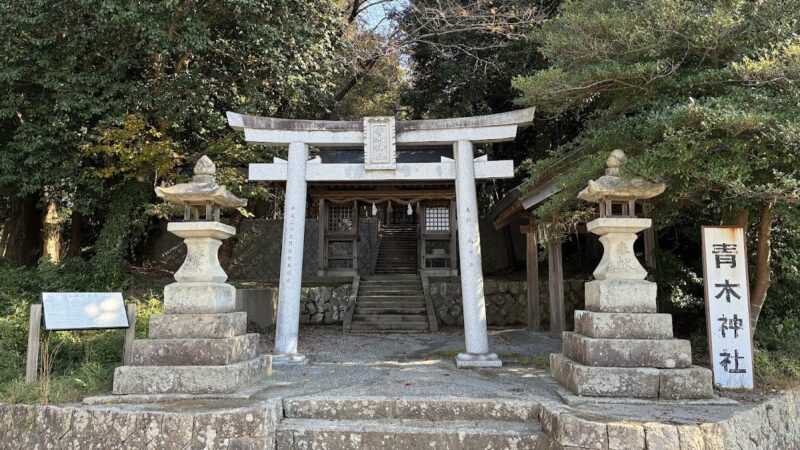
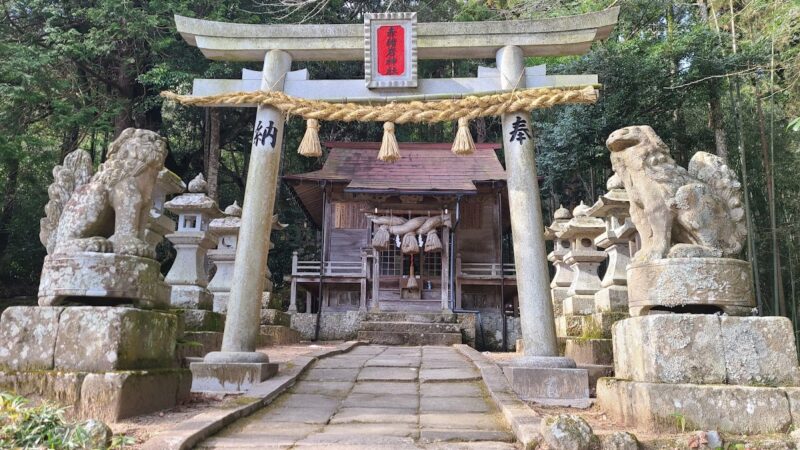
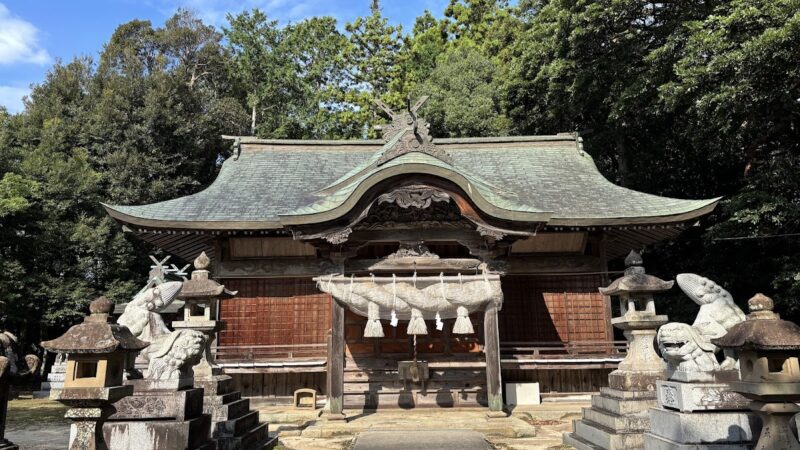
The shrine itself is not large, but this actually creates a sense of approachability and sacredness. Without ostentatious decorations, its simple and solemn appearance conveys the purity of ancient faith.
How to Visit and Etiquette
Basic Visiting Etiquette
- Bow before passing through the torii gate: Show respect before entering the sacred area.
- Purify yourself at the water basin: Purify your left hand, right hand, and mouth in that order.
- Walk along the edge of the path: The center is considered the path of the gods.
- Etiquette in front of the main hall: Two bows, two claps, and one bow is the basic procedure.
- Quietly make your wish: Silently recite your wish for rebirth and resurrection.
Special Etiquette for Prayer for Rebirth
At Akaiwa Shrine, the following prayer methods are considered effective:
- Declare your break from your past self: Clearly express your intention to let go of your old self.
- Specify your wish for a new self: Clearly visualize how you want to be reborn.
- Don’t forget to be grateful: Express gratitude for having lived this long.
About Goshuin (Shrine Seals)
Goshuin (shrine seals) are available at Akaiwa Shrine. However, since there may not always be a resident Shinto priest, it is recommended to inquire in advance with the Nanbu Town Tourism Association or the Tottori Prefectural Shrine Association. The goshuin (temple/shrine stamp) sometimes bears the words “rebirth” or “revival,” and many visitors cherish it as a memento of significant life events.
Access Information
Basic Information
Location: 232 Terauchi, Nanbu-cho, Saihaku-gun, Tottori Prefecture
Phone: Nanbu Town Tourism Association 0859-66-4806
Visiting Hours: Open all day (Daytime visits recommended due to lack of lighting at night)
Admission Fee: Free
Parking: Available (Free, limited spaces)
Access by Car
From Yonago Expressway, Mizoguchi IC: Approximately 10 minutes
From JR Yonago Station: Approximately 30 minutes by car
From San’in Expressway, Yonago-Nishi IC: Approximately 20 minutes
When setting your car navigation system, please search for “Akaiwa Shrine” or the address “232 Terauchi, Nanbu-cho, Saihaku-gun, Tottori Prefecture”. The route is relatively easy to follow as road signs are well-maintained.
Access by Public Transportation
From JR Hoki-Mizoguchi Station:
- Approximately 5 minutes by taxi
- Approximately 25-30 minutes on foot
Local Bus:
- The Nanbu Town bus is available, but the number of buses is limited, so it is strongly recommended to check the timetable in advance.
Due to the limited public transportation options, visiting by car is the most convenient. Consider renting a car.
Access to Shimizu-i Well
From Akaiwa Shrine to Shimizu-i Well is approximately 5 minutes by car and 25 minutes on foot. If visiting both, traveling by car is efficient, but for those with strong legs or who want to experience the “Path of Rebirth” on foot, a pilgrimage on foot is also recommended.
Nearby Tourist Attractions
Tottori Flower Park
One of Japan’s largest flower parks, approximately 15 minutes by car from Akaiwa Shrine. Enjoy seasonal flowers, especially the tulips in spring and the cosmos in autumn. This is a popular spot visited by many tourists in conjunction with their pilgrimage.
Kanemochi Shrine
A shrine famous for “financial luck,” approximately 25 minutes by car from Akaiwa Shrine. A popular pilgrimage route involves praying for both “regeneration” and “financial luck.”
Mt. Daisen
The highest sacred mountain in the Chugoku region, approximately 30 minutes by car from Akaiwa Shrine. Offers a variety of activities including mountain climbing, hiking, and hot springs.
Nanbu Town Yuusei Meeting Hall
An art museum exhibiting the collection of local painter Ryohei Ogata. Approximately 10 minutes by car from Akaiwa Shrine. A place to experience local culture.
Best Time and Season for Visiting
Seasonal Characteristics
Spring (March-May): Beautiful fresh greenery, the season when the energy of regeneration is at its highest. Especially recommended during cherry blossom season.
Summer (June-August): The shrine grounds, enveloped in deep green, are cool and refreshing, offering the benefits of forest bathing. However, insect repellent is essential.
Autumn (September-November): The autumn foliage is beautiful, and you can visit in a peaceful atmosphere. The weather is mild, making it ideal for a visit.
Winter (December-February): You can experience the mystical atmosphere of the snowy landscape, but be careful of your footing when there is snow.
Recommended Time of Day
Early Morning (6:00-8:00): There are few people, and you can feel the sacred energy in the silence. The temple grounds bathed in the morning sun are especially mystical.
Morning (9:00-12:00): The weather is stable, and you can visit with a refreshing feeling.
Evening (4:00-18:00): The temple grounds illuminated by the setting sun are also charming. However, be aware that the sun sets early in winter.
Visitor Testimonials and Reviews
Praying for Recovery from Illness
“I visited the shrine during rehabilitation after surgery for a serious illness. The grounds are small, but I felt a strong power. My recovery has been smooth ever since, surprising even my doctor.” (Male, 50s)
Praying for a Sports Athlete’s Return
“I visited the shrine for my son who had been sidelined for a long time due to injury. I prayed to the god of regeneration for his recovery, and he was able to return to competition sooner than expected, achieving better results than before.” (Female, 40s)
A New Beginning in Life
“After my divorce, I visited to start a new life. In the quiet grounds, I was able to confront my past self and resolve to move forward. Now I’m blessed with a new job and living a fulfilling life.” (Female, 30s)
Retaking Entrance Exams
“I visited the shrine with my son who was studying for his entrance exams. Believing in the blessings of ‘regeneration and revival,’ he studied hard every day and passed his desired school’s entrance exam. We also went back to offer our thanks.” (Female, 50s)
Points to Note When Visiting Akaiwa Shrine
Clothing and Items to Bring
- Comfortable Shoes: Since much of the ground is natural, sneakers are recommended.
- Seasonal Clothing: Don’t forget insect repellent in summer and warm clothing in winter.
- Drinking Water: Especially in summer, it’s essential to carry to prevent heatstroke.
- Camera: Commemorative photos are permitted, but please remember that this is a sacred place.
Manners and Etiquette
- Be Quiet: Please refrain from loud conversations and pray quietly.
- Take Your Trash Home: Keeping the grounds clean is also a sign of respect for the gods.
- Photography Manners: Please be considerate of other worshippers.
- Do Not Touch the Sacred Object: Please avoid directly touching the Akaiwa rock.
Safety Precautions
- Nighttime Visits: There are no lighting facilities, so daytime visits are recommended.
- Rainy Weather: Please be careful as the ground can become slippery.
- Wildlife: Due to the forested area, wild animals may occasionally appear.
1300th Anniversary of the Compilation of the Kojiki and Akaiwa Shrine
More than 1300 years have passed since the compilation of the Kojiki, and Akaiwa Shrine continues to exist as the setting of mythology, unchanged. In 2012, various events were held to commemorate the 1300th anniversary of the compilation of the Kojiki, and Akaiwa Shrine attracted considerable attention.
From the age of mythology to the present day, the universal theme of “rebirth and resurrection” continues to resonate with people’s hearts. Even in today’s age of advanced science and technology, when faced with life’s difficulties, the message from ancient mythology that “you can always be resurrected” gives hope and courage to many people.
Summary: To All Who Wish for Rebirth
Akaiwa Shrine is the setting for the dramatic story of the death and rebirth of Okuninushi-no-Mikoto in Japanese mythology, and is a unique sacred site with special blessings of “rebirth, resurrection, and recovery.”
For those facing illness, injury, failure, setbacks, or life-changing events, those wishing to start something new, or those seeking to overcome the past and move forward—this shrine will be a beacon of hope for all those who desire “renewal.”
Nestled in the quiet forest of Nanbu Town, Tottori Prefecture, stands the Akaiwa Rock, unchanged since ancient times. Standing before it and contemplating the miracle of Okuninushi-no-Mikoto’s resurrection, a new strength will surely well up within you.
When you decide to make a fresh start in life, be sure to visit Akaiwa Shrine. The power of mythology and the energy of nature will support your “renewal.”