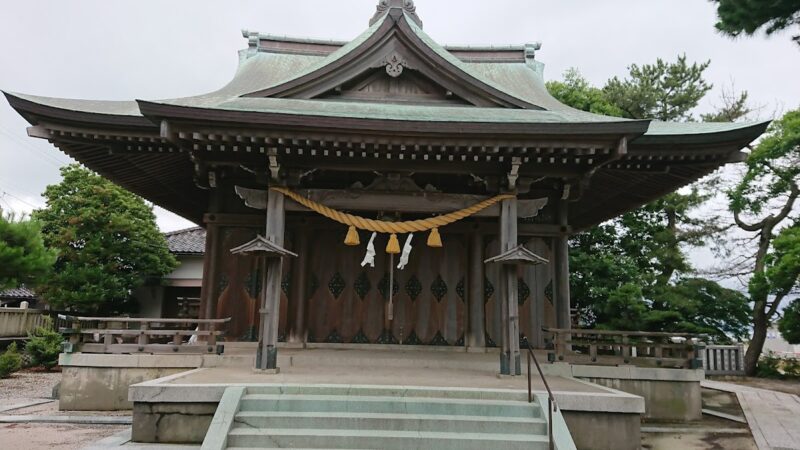
Yokata Shrine (Toyama Prefecture, Toyama City) Complete Guide | History, Deities, Access, and Goshuin Information
Yokata Shrine, located near Yokata Fishing Port on Toyama Bay in the northern part of Toyama City, Toyama Prefecture, is a shrine that has been cherished by the local people who have lived in harmony with the sea since ancient times. It is located approximately 8 kilometers north of Toyama Station, with its grounds situated in Yokata Ichibancho, across the Jinzu River to the west.
This article provides a detailed explanation of Yokata Shrine’s history, enshrined deities, highlights of the grounds, access information, and goshuin (shrine stamp) information—all essential information to know before visiting. Those planning a shrine tour in Toyama City or those interested in local history should definitely read this.
History and Origins of Shio Shrine
Origins of its Founding and a Small Shrine Before the Tensho Era
The exact founding date of Shio Shrine is unclear, but it is believed that a small shrine measuring six feet square (approximately 1.8 meters square) existed on Shio Nishihama beach before the Tensho era (1573-1592). This small shrine is the origin of Shio Shrine, suggesting that it attracted the faith of local people even at that time.
The Tensho era was the end of the Sengoku period, when Oda Nobunaga and Toyotomi Hideyoshi were working to unify Japan. Toyama was also undergoing a turbulent period, transitioning from the rule of Sasa Narimasa to that of Maeda Toshinaga. Even during such times, the faith of people praying for safety at sea and abundant catches continued to be passed down in the Shio area.
Development in the Edo Period and its Connection to the Region
In the Edo period, Toyama became a territory governed by the Toyama Domain, a branch domain of the Kaga Domain. Under the rule of the Maeda family, the town of Toyama flourished, and the Shio area prospered as a fishing-centered region. During this period, Shio Shrine became the tutelary deity of the area and a guardian deity of the sea, becoming a central place of worship for fishermen and local residents.
At that time, fishing in Toyama Bay was thriving in Shio, with fixed-net fishing and coastal fishing particularly supporting the local livelihoods. It is said that fishermen had a custom of visiting Shio Shrine before setting out to sea to pray for safety at sea and a bountiful catch. This accumulation of faith has shaped the history of Shio Shrine, which continues to this day.
Changes Since the Meiji Era and its Current State
With the arrival of the Meiji era, shrines throughout Japan underwent a period of significant transformation due to the separation of Shinto and Buddhism and the introduction of the shrine ranking system. It is believed that Shio Shrine also underwent renovations to its buildings and expansion of its grounds during this period.
As the eras changed from Showa to Heisei and then to Reiwa, the Shio area also underwent significant changes. While the environment surrounding the region has changed due to the modernization of fishing and the progress of urbanization, Shio Shrine has remained unchanged, preserving itself as a spiritual cornerstone of the community to this day. It is still carefully maintained by local parishioners, and various festivals are held throughout the year.
Deities and Blessings of Shio Shrine
About the Main Deities
The deities enshrined at Shio Shrine are gods who have been revered since ancient times as guardian deities of the region. While there are various theories regarding the specific deities, given its location facing the sea, it is believed that the shrine enshrines gods related to maritime safety and the protection of fishing.
Toyama Bay is known as one of the best fishing grounds on the Sea of Japan side, and has supported people’s lives since ancient times. Shio Shrine has received the faith of these people who live in harmony with the sea, and has watched over the peace and prosperity of the region.
Expected Benefits
The main benefits you can expect at Shio Shrine are as follows:
Maritime Safety and Navigation
Located facing Toyama Bay, the shrine has long protected the safety of fishermen and sailors at sea. Even today, people involved in the fishing industry and those working in sea-related jobs visit the shrine.
Prayers for a Bountiful Catch and Business Prosperity
In Shio, a town that has developed as a fishing community, the belief in praying for a bountiful catch and business prosperity has been passed down through generations.
Protection of the Community and Family Safety
As the guardian deity of the region, the shrine watches over the entire community and protects the safety and happiness of its residents.
Protection from Misfortune and Bringing Good Fortune
People visit the shrine at turning points in their lives or during difficult times to pray for protection from misfortune and to invite good fortune.
Guide to Shio Shrine Grounds
Layout and Atmosphere of the Grounds
The entrance to the grounds of Shio Shrine faces east. Passing through the torii gate, the path leads to the shrine building. Despite its location near the Yotsukata fishing port, the shrine grounds are enveloped in a tranquil atmosphere, offering a respite from the hustle and bustle of the city.
A unique feature of Yotsukata Shrine is the opportunity to worship while feeling the sea breeze from Toyama Bay. On clear days, you can also enjoy beautiful views of Toyama Bay from the shrine grounds.
Features of the Shrine Building
The shrine building of Yotsukata Shrine possesses the dignified style befitting a local shrine. The roof is covered with copper plates, and its aged appearance evokes a sense of history. The style of the shrine building exhibits the characteristics of traditional shrine architecture, and the craftsmanship shines through in the details of the decorations.
Both the main hall and the worship hall are regularly maintained, and the beauty of the buildings reflects the deep affection the local people have for the shrine.
Highlights of the Shrine Grounds
Water Basin
A water basin is located along the path, allowing visitors to purify their minds and bodies before worship. The ritual of purifying one’s hands and mouth with pure water is an expression of respect for the gods.
Komainu (Guardian Dogs)
A pair of guardian dogs stand within the shrine grounds, protecting the sacred area. Their weathering over time conveys a sense of history.
Shrine Office
A shrine office where you can receive Goshuin (shrine stamps) and other offerings is located within the grounds. However, it is not always open, so it is recommended to check in advance if you wish to receive a Goshuin.
Annual Events and Festivals of Shio Shrine
Annual Grand Festival
Shio Shrine holds its annual Grand Festival every year. This is the most important festival for the shrine, a day when local people gather to offer thanks to the gods. At Shio Shrine’s Grand Festival, traditional local performing arts and events are sometimes held after the Shinto rituals, providing an opportunity to strengthen the bonds of the local community.
First Shrine Visit of the New Year
At the start of the new year, many local residents visit the shrine for their first shrine visit of the year. The temple grounds are bustling with people praying for a year of safety, the health of their families, and the security of their community. Many also visit after watching the first sunrise of the year rising over Toyama Bay, and the experience of praying in the refreshing air of the new year is truly special.
Other Annual Events
Various Shinto rituals are held throughout the year, including the spring Kinensai (Harvest Festival), the summer Natsukoshi no Oharae (Summer Purification Ceremony), the autumn Niinamesai (Harvest Festival), and the winter Toshikoshi no Oharae (Winter Purification Ceremony). These festivals offer a valuable opportunity to experience traditional Japanese beliefs and the changing seasons.
How to Access Shio Shrine
Basic Information
Location Shio Ichibancho, Toyama City, Toyama Prefecture
Nearest Station Approximately 8 kilometers north of Toyama Station on the Ainokaze Toyama Railway
Access by Public Transportation
By Bus from Toyama Station Take a Toyama Chihō Railway bus bound for Iwasehama/Shio from the north exit of Toyama Station, get off at the “Shio” bus stop, and walk for approximately 5-10 minutes. The bus ride takes approximately 25-30 minutes.
The number of buses varies depending on the time of day, so it is recommended to check the timetable on the Toyama Chihō Railway official website in advance.
Access by Car
From Toyama Station Head north on National Route 415 from Toyama Station, cross the Jinzu River, and head towards Shio. The journey takes approximately 15-20 minutes.
From the Hokuriku Expressway
Approximately 20-25 minutes from the Toyama IC on the Hokuriku Expressway, and approximately 25-30 minutes from the Toyama-Nishi IC.
Parking
There is parking space for visitors on the shrine grounds or nearby, but please check the details on-site. During events such as the annual festival, congestion is expected, so you may want to consider using public transportation.
Landmarks in the Area
Shio Shrine is located right next to Shio Fishing Port. Cross the Jinzu River to the west, and head north along Toyama Bay. You will see Shio Fishing Port; look for signs for the shrine in that area.
Information on Shio Shrine’s Goshuin (Shrine Seal)
About Goshuin
While it may be possible to receive a Goshuin at Shio Shrine, it is not always available. Since it is a small shrine, the priest may not be permanently stationed there, so please note the following if you wish to receive a Goshuin.
Points to Note When Receiving a Goshuin (Temple/Shrine Stamp)
Advance Contact Recommended
If you want to be sure to receive a Goshuin, it is recommended to contact the shrine/temple in advance to confirm available dates and times.
Prayer First
A Goshuin is received as proof of your visit. The correct etiquette is to first pray sincerely, and then request the Goshuin.
Prepare Your Goshuincho (Stamp Book)
When receiving a Goshuin, prepare a dedicated Goshuincho. Avoid using a memo pad or notebook.
Offering Fee
The offering fee for a Goshuin is generally around 300 to 500 yen. It’s a good idea to have small change ready to avoid needing change.
Observe Proper Manners
It is important to request quietly and politely. Remember that shrines are places of worship, not tourist facilities.
Attractions Around Shio Shrine
Shio Fishing Port
Located right next to Shio Shrine, Shio Fishing Port is a bustling fishing port where fresh seafood from Toyama Bay is landed. In the early morning, you can see fishing boats coming and going, experiencing the unique atmosphere of a port town.
Iwase District
A short walk north from Shio Shrine lies the Iwase district, which flourished as a port of call for Kitamae ships. The old townscape is preserved, and you can visit historical buildings and museums. It’s a popular tourist area in Toyama City.
Views of Toyama Bay
On a clear day, you can enjoy the beautiful coastline of Toyama Bay and the majestic Tateyama mountain range in the distance. The spectacular scenery, a blend of sea and mountains unique to Toyama, is well worth a visit.
Manners and Etiquette When Visiting a Shrine
Basic Etiquette for Visiting a Shrine
How to Pass Through the Torii Gate
The torii gate is the entrance to the sacred area. Bow before passing through the gate, and walk along the edge of the path, avoiding the center. The center is considered the path of the gods.
Ritual for Washing Hands
- Hold the ladle in your right hand and wash your left hand.
- Switch the ladle to your left hand and wash your right hand.
- Switch the ladle back to your right hand, receive water in your left hand, and rinse your mouth.
- Wash your left hand again.
- Hold the ladle upright, wash the handle, and return it to its original position.
Ritual for Worship
- Gently place your offering in the offering box.
- If there is a bell, ring it.
- Perform two bows, two claps, and one bow (two deep bows, two claps, one deep bow).
Clothing and Items to Bring When Visiting
No special clothing is required, but clean clothing that reflects the sacred nature of the place is desirable. In summer, the sun is strong, so a hat or parasol is recommended. In winter, the sea breeze is cold, so be sure to dress warmly. ## Other Shrines in Toyama City and Shio Shrine
Besides Shio Shrine, Toyama City has many other shrines. In the city center, there are Hie Shrine, affectionately known as “Sanno-san,” Toyama Prefectural Gokoku Shrine, revered as the guardian deity of Toyama Castle, and Obota Shrine, known as the god of business prosperity.
After visiting Shio Shrine, visiting these other shrines will give you a deeper understanding of Toyama’s history and culture. Each shrine has different characteristics and histories, expanding the enjoyment of shrine hopping.
History and Culture of the Shio District
Development as a Fishing Town
The Shio district has long prospered from fishing. Toyama Bay is known as a rich fishing ground with deep waters and diverse fish species. Many of Toyama’s representative seafood, such as yellowtail, firefly squid, and white shrimp, have been landed at Shio fishing port.
As a Center of the Local Community
Shio Shrine is not merely a religious facility; it has also served as a central hub for the local community. Through festivals and events, people have gathered, interacted, and deepened their community bonds.
Even today, it remains a beloved shrine deeply integrated into the lives of local residents, with events such as Shichi-Go-San (a traditional rite of passage for children) to pray for the healthy growth of local children, and prayers for important life milestones.
How to Enjoy Visiting Shio Shrine
Seasonal Attractions
Spring (March-May)
A season of beautiful fresh greenery in mild weather. The sparkle of the spring sea in Toyama Bay is particularly spectacular.
Summer (June-August)
This is the time for summer festivals and the annual grand festival. The sea breeze is pleasant, and visiting at dusk is highly recommended.
Autumn (September-November)
With clear air, the Tateyama mountain range becomes clearly visible on more days. It’s also a season of abundant autumn delicacies.
Winter (December-February)
You can experience the harsh winter scenery of the Sea of Japan. Visiting the shrine for Hatsumode (first shrine visit of the year) or during the New Year period allows you to truly feel the turning point of the year.
Photography Tips
Photography is permitted on the shrine grounds, but please be considerate of other visitors and refrain from taking photos inside the shrine buildings. The scenery of the shrine grounds with Toyama Bay in the background, and the view of the sea through the torii gate, are unique photo spots at Shio Shrine.
Local Cuisine Information
In the Shio and Iwase areas, there are restaurants and sushi shops where you can enjoy fresh seafood. Enjoying Toyama’s seafood after visiting the shrine is one of the pleasures of your trip. Toyama Bay’s white shrimp and seasonal yellowtail are especially exquisite.
Summary
Shio Shrine is a shrine located in Shio, facing Toyama Bay, and has long been a place of worship for the local people. With a long history dating back to before the Tensho era, it has been carefully preserved to this day as a guardian deity of the sea and as the local tutelary deity. Located approximately 8 kilometers north of Toyama Station, across the Jinzu River, in Shikata Ichibancho, Shikata Shrine boasts a scenic location overlooking Toyama Bay. Many people visit the shrine seeking various blessings, including maritime safety, a bountiful catch, and family well-being.
This shrine is worth visiting for a variety of purposes, whether you’re planning a shrine tour in Toyama City, interested in Toyama’s history and culture, or simply seeking tranquility in a peaceful seaside setting. Combining a visit to Shikata Shrine with other nearby attractions such as Shikata Fishing Port and the Iwase district will allow you to experience Toyama’s maritime culture more deeply.
When visiting, please remember that this is a sacred place, observe proper etiquette, and pray with a calm and respectful heart. We hope your visit to Shikata Shrine will be a memorable one.