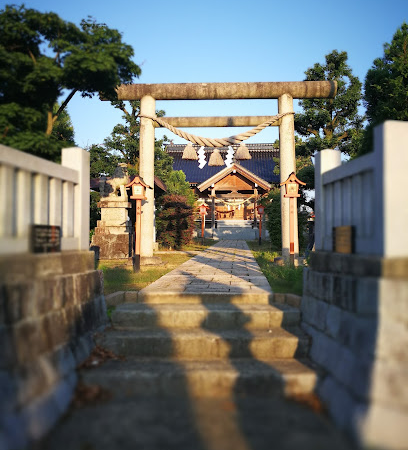
Kamo Shrine (Kamo-chubu, Imizu City, Toyama Prefecture) Complete Guide | History, Festivals, and Visiting Information for Shimomura Kamo Shrine
Kamo Shrine, located in Kamo-chubu, Imizu City, Toyama Prefecture, is a venerable shrine commonly known as “Shimomura Kamo Shrine.” Since its founding in 1066 AD, it has enshrined deities invited from Kamo Mioya Shrine (Shimogamo Shrine) in Kyoto, and is known as a valuable place that preserves the elegant culture of the Heian period. This guide provides a detailed introduction to Kamo Shrine, from its history to its festivals and visiting information, highlighting its unique rituals, including the Chigo-mai (children’s dance), a nationally designated Important Intangible Folk Cultural Property, the Buri-wake Shinto ritual, and the Yansanma Festival.
History and Origins of Kamo Shrine
Long History from the Heian Period
The founding of Kamo Shrine dates back to 1066 AD, during the reign of Emperor Go-Reizei, the 70th emperor. This year corresponds to the late Heian period, a time when Kyoto’s aristocratic culture was at its peak. It is believed that the shrine originated when it was established on its current site as the principal shrine of Kuragaki-sho, a territory of Kyoto’s Kamo-Mioya Shrine (Shimogamo Shrine).
Kuragaki-sho was a vast estate consisting of 38 villages and was part of Kyoto’s Shimogamo Shrine’s territory. The Kamo deity was invited to serve as the guardian deity of this region, and Kamo Shrine became the center of faith for the entire area. Under the modern shrine ranking system, it was classified as a Gosha (village shrine), positioning it as an important shrine in the region.
A Place of Transmission of Kyoto Culture
The most distinctive feature of Kamo Shrine is the strong presence of Heian-period Kyoto culture. Despite being located in the Hokuriku region, far from Kyoto, many of the elegant cultural practices and rituals of that time are still preserved. This is a rare example nationwide and is considered of extremely high cultural and historical value.
The influence of Kyoto culture from the Heian period can be seen in every aspect of the shrine’s architecture, festival rituals, and ceremonial practices, allowing visitors to feel the romance of history spanning over a thousand years.
About the Deities
Kamo Shrine enshrines the same three deities as the Kamo Shrine in Kyoto.
Tamayorihime-no-Mikoto
She is the mother goddess of Kamo Wakeikazuchi-no-Mikoto and is worshipped as the goddess of water and matchmaking. Known as a beautiful and pure goddess, she is also revered as the guardian deity of women’s happiness, safe childbirth, and child-rearing.
Kamo Taketsunumi-no-Mikoto
He is the ancestral deity of the Kamo clan of Kyoto and is worshipped as the god of guidance and victory. He is also considered to be the incarnation of the Yatagarasu (three-legged crow) that guided Emperor Jimmu’s eastern expedition, and is known as the guardian deity of protection against evil and traffic safety.
Kamo Wakeikazuchi no Mikoto
This deity is the god of thunder and is revered as a god who wards off evil and disaster. He is the principal deity of Kamigamo Shrine in Kyoto and is worshipped as a god with powerful divine authority.
Nationally Designated Important Intangible Folk Cultural Property: “Chigo-mai” (Children’s Dance)
History and Significance of Chigo-mai
The most famous ritual at Kamo Shrine is the Chigo-mai, performed annually on September 4th. This Chigo-mai is designated as a Nationally Designated Important Intangible Folk Cultural Property and is highly valued as a precious cultural asset that preserves the form of Heian period court music and dance.
Chigo-mai strongly retains the tradition of Gagaku (court music and dance) that was introduced from Kyoto, and its elegant dance transports viewers to the Heian capital. Children from the community are selected as Chigo (children) and, after rigorous training, perform the dance before the gods. This is a source of pride for the community and a symbol of cultural inheritance.
Characteristics of the Chigo-mai (Children’s Dance)
In the Chigo-mai, children dressed in brightly colored costumes dance gracefully to the sounds of flutes and drums. Each movement is imbued with meaning, expressing gratitude to the gods and prayers for a bountiful harvest and peace in the community.
As the ancient poem goes, “Amid the murmur of the crowd, the bamboo arrow is shot, its sound echoing to the heavens,” the rituals also include ceremonies using bows and arrows, creating a unique atmosphere that blends bravery and elegance.
Main Festivals and Rituals of Kamo Shrine
New Year’s Celebration Festival (January 1st)
This is the most important festival welcoming the new year. Early in the morning on New Year’s Day, parishioners and worshippers gather to pray for peace and happiness in the new year. The shrine is bustling with worshippers on their first visit of the year, creating a solemn atmosphere befitting the start of the year.
Kamo Festival (May 4th)
Held as the annual spring festival, the Kamo Festival is one of the largest festivals in the region. A portable shrine procession and various Shinto rituals take place, enveloping the entire community in festive spirit. It has deep ties to Kyoto’s Aoi Festival and preserves the traditions of festivals from the Heian period.
Rice Planting Festival (First Day of the Rabbit in June)
This is an agricultural ritual praying for a bountiful harvest. Held to coincide with the rice planting season, prayers are offered to the gods for a rich harvest. As an important ritual that carries on traditions from a time when agriculture was the foundation of life, it is still carefully preserved today.
Yellowtail Distribution Ritual
Known as a unique ritual of Kamo Shrine, the Yellowtail Distribution Ritual is a traditional event in which yellowtail caught in Toyama Bay is offered to the gods and then distributed to worshippers. Reflecting the regional characteristics of the Sea of Japan side, it is a beloved event symbolizing gratitude for the bounty of the sea and the ties of the community. ### Yansanma Festival
Known as a folk event deeply rooted in the region, the Yansanma Festival is a lively festival where portable shrines are paraded through the streets accompanied by spirited shouts. The shout of “Yansanma” is unique to the region and creates a sense of excitement and unity at the festival.
Shrines and Highlights
Kifune Shrine
The Kifune Shrine, located within the shrine grounds, is dedicated to Takaokami-no-kami, the god of water. It is believed to have been established through a branch shrine from Kifune Shrine in Kyoto and is an object of worship for rain prayers and water-related beliefs. In a region where securing agricultural water was crucial, the worship of the water god was particularly strong.
Toumi Shrine
The Toumi Shrine is a shrine within the grounds that has been worshipped since ancient times as the guardian deity of the region. It is a shrine deeply intertwined with the history of the region and attracts the fervent faith of the parishioners.
Inaho Shrine
Inaho Shrine, which presides over abundant harvests, is revered as the god of agriculture. In Toyama Prefecture, where rice cultivation is thriving, the belief in praying for a bountiful rice harvest continues to this day.
The Beauty of the Shrine Architecture
The shrine buildings of Kamo Shrine are magnificent examples of traditional shrine architecture. Both the main hall and the worship hall are meticulously crafted, showcasing the skill of the artisans throughout. The carvings and decorations of the main hall are particularly impressive and are a point of interest to be sure to pay attention to during your visit.
Visiting Information and Access
Basic Information
Location
630 Kamo-Chubu, Imizu City, Toyama Prefecture 933-0204
Phone Number
0766-59-2503
Visiting Hours
Grounds are freely accessible (please check the shrine office’s opening hours)
Parking
Available (may be crowded during festivals)
Access Methods
Access by Car
- Approximately 15 minutes from the Kosugi IC on the Hokuriku Expressway
- Approximately 20 minutes from the Takaoka IC on the Noetsu Expressway
Access by Public Transportation
- Approximately 15 minutes by bus or taxi from Kosugi Station on the Ainokaze Toyama Railway
- Approximately 10 minutes by taxi from Kaiomaru Station on the Manyo Line
The shrine is conveniently located near the center of Imizu City and is surrounded by a quiet rural landscape.
Manners and Etiquette for Visiting a Shrine
Etiquette for Visiting a Shrine
When visiting Kamo Shrine, please observe the following basic etiquette.
- Bow before passing through the torii gate: As a sign of respect before entering the sacred area, bow before the torii gate.
- Purify yourself at the water basin: Purify your hands and mouth at the water basin before praying. The formal procedure is to purify your left hand, then your right hand, then your mouth.
- Walking along the approach: The center of the approach is considered the path of the gods, so it is polite to walk along the sides.
- Etiquette at the main hall: The basic procedure is two bows, two claps, and one bow. Place your offering in the offering box, ring the bell, and then pray.
Visiting during Festivals
The shrine is especially crowded on September 4th, when the Chigo-mai dance is performed, and on May 4th, when the Kamo Festival is held. If you plan to visit on these days, we recommend allowing ample time. It’s best to inquire with the shrine in advance regarding festival times and details.
Kamo Shrine and Local Culture
Center of the Local Community
Kamo Shrine has played a role beyond mere religious significance, serving as the center of the local community. Through festivals and rituals, intergenerational exchanges are fostered, deepening community bonds. In particular, traditional culture is being reliably passed down to the next generation through the practice of the Chigo-mai (children’s dance) and preparations for festivals.
Value as a Cultural Heritage
Kamo Shrine possesses many cultural values, including the Chigo-mai, a nationally designated Important Intangible Folk Cultural Property. The rituals and festivals, which convey the culture of the Heian period, are important resources for studying Japanese cultural history.
The fact that these valuable cultural heritages continue to be preserved through the efforts of local people is highly regarded as a model example of the preservation of traditional Japanese culture.
Nearby Tourist Attractions
When visiting Kamo Shrine, we recommend also visiting other tourist attractions in Imizu City.
Kaiwomaru Park
Kaiwomaru Park, where the sailing ship Kaiwomaru is moored, is a representative tourist spot in Imizu City. You can experience maritime culture while enjoying the beautiful scenery of Toyama Bay. It’s about a 15-minute drive from Kamo Shrine.
Shinminato Kittokito Market
This market offers a wide variety of fresh seafood caught in Toyama Bay. You can enjoy local ingredients, especially white shrimp, known as the jewel of Toyama Bay, and yellowtail, a winter delicacy.
Uchikawa Waterfront Space
Shinminato Uchikawa, sometimes called “Japan’s Venice,” boasts a charming waterfront landscape. Charming buildings line the canal where fishing boats come and go, making it perfect for a stroll.
Summary
Kamo Shrine (Shimomura Kamo Shrine), located in the central part of Kamo, Imizu City, Toyama Prefecture, is a venerable shrine with a history of nearly a thousand years since its founding in 1066. Enshrining deities invited from Kyoto’s Kamo Mioya Shrine, this shrine has been cherished and protected by the local people as a precious place that preserves the elegant culture of the Heian period.
Unique rituals and festivals, including the Chigo-mai (children’s dance), a nationally designated Important Intangible Folk Cultural Property, the Buri-wake Shinto ritual, and the Yan-sanma Festival, are passed down through generations, conveying the splendor of traditional Japanese culture to visitors.
The sacred grounds, where the three deities Tamayorihime-no-Mikoto, Kamo-Taketsunumi-no-Mikoto, and Kamo-Wakeikazuchi-no-Mikoto reside, are enveloped in a tranquil atmosphere, making it a place where one can pray with peace of mind. The subsidiary shrines within the grounds—Kifune Shrine, Ninkai Shrine, and Inaho Shrine—also attract their own devotions.
When visiting Toyama Prefecture, we highly recommend visiting Kamo Shrine and experiencing the serene atmosphere of this sacred site steeped in a thousand years of history. You will surely feel the weight of tradition that has continued since the Heian period and the warm faith of the local people.