Complete Guide to Kuwano Shrine (Toyama Prefecture) | History, Blessings, Access, and Festival Information
Kuwano Shrine, located in Toyama Prefecture, is a historic shrine that has long been cherished by the local community. This article provides detailed information useful for visiting Kuwano Shrine, including its history, enshrined deities, blessings, highlights of the grounds, annual events, and access methods.
About Kuwano Shrine
Kuwano Shrine is a shrine located in Toyama Prefecture and has long been revered as the local guardian deity. The name “Kuwano” is thought to originate from the fact that sericulture was once thriving in this region, and it has a history of watching over the development of agriculture and industry.
The tranquil grounds are beautiful with nature changing with the seasons, making it a peaceful place of worship not only for locals but also for tourists visiting Toyama Prefecture.
History and Origins of Kuwano Shrine
Origin of Founding
While there are various theories regarding the exact founding date of Kuwano Shrine, it is said to have been enshrined in this region since ancient times. Like many shrines in Toyama Prefecture, it was established alongside the development of the region and developed as a place to pray for safety in agriculture and daily life.
Historical Changes
During the Edo period, the shrine buildings were repaired and maintained by local village headmen and influential figures. Even after the Meiji Restoration’s separation of Shinto and Buddhism, it has continued to this day, supported by the fervent faith of the local residents. Even during the post-war period of rapid economic growth, it played an important role as a spiritual center for the community.
In recent years, it has attracted attention from the perspective of preserving local cultural properties, and efforts are being made to pass on traditional festivals and events.
Deities and Benefits
Main Deity
The main deity of Kuwano Shrine is enshrined based on local traditions and the shrine’s history. Like many local shrines, it is believed to enshrine a deity who presides over abundant harvests and the prosperity of the region.
Expected Benefits
Kuwano Shrine is believed to offer the following benefits:
- Abundant Harvest and Agricultural Prosperity: Located in an agricultural area, it is deeply revered for prayers for a bountiful harvest.
- Family Safety: As the local guardian deity, it protects the health and safety of families.
- Business Prosperity: Due to its history of watching over the development of local industries.
- Protection from Evil and Good Fortune: Prayers for protection from evil and good fortune at important life events.
- Traffic Safety: In today’s car-dependent society, prayers for safety are also offered.
Highlights of the Shrine Grounds
Main Hall and Worship Hall
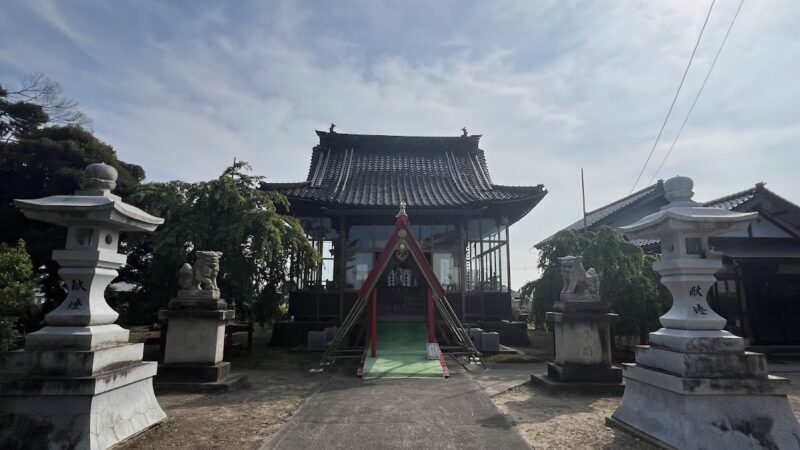
The main hall and worship hall of Kuwano Shrine preserve traditional shrine architecture. The wooden shrine buildings, while undergoing regular restorations, maintain a historically significant presence.
Nature on the Shrine Grounds
The shrine grounds are lush with trees, including the sacred tree, displaying different expressions throughout the seasons.
- Spring: During the cherry blossom season, the shrine grounds are bathed in a delicate pink hue.
- Summer: Lush greenery creates a refreshing atmosphere.
- Autumn: The autumn leaves are beautiful, allowing visitors to enjoy the natural beauty along with their worship.
- Winter: The snow-covered shrine grounds are enveloped in a tranquil and sacred atmosphere.
Stone Monuments and Lanterns
Stone monuments and lanterns donated by successive generations are placed throughout the shrine grounds, telling the story of the local people’s faith history.
Annual Events and Festivals
Grand Festival (Autumn Festival)
The most important festival at Kuwano Shrine is the Grand Festival held in autumn. This festival, held to give thanks for a bountiful harvest and to pray for the prosperity of the region, includes a procession of the portable shrine and various offerings. Local residents participate in full force, making it an important opportunity to pass on traditions to future generations.
First Shrine Visit of the New Year
Many people from the community visit shrines for their first shrine visit of the new year. The shrines are bustling with worshippers praying for safety and happiness throughout the year, and sometimes offerings such as sweet rice wine are provided.
Other Annual Events
- Spring Festival: Celebrating the arrival of spring and praying for a bountiful harvest.
- Summer Purification Ceremony: Purifying oneself of the impurities accumulated over the past six months and praying for good health.
- Shichi-Go-San (7-5-3 Festival): A traditional event celebrating the growth of children.
- Year-End Purification Ceremony: Purifying mind and body at the end of the year.
Etiquette and Manners for Worship
Basic Worship Method
- Bow before passing through the torii gate: As a courtesy before entering the sacred area.
- Purify yourself at the water basin: Purify your left hand, right hand, and mouth in that order.
- Walk along the edge of the path: The center is considered the path of the gods.
- Etiquette in front of the main hall: Two bows, two claps, and one bow are the basics.
About Offerings
There are no rules regarding the amount of offerings, but please offer them quietly with a feeling of gratitude. It is considered polite to gently place the offering rather than throwing it in.
Photography Etiquette
Photography is generally permitted on the shrine grounds, but it should be refrained from inside the main hall or during religious ceremonies. Please also be considerate of other visitors.
Access Information
Location
Kuwano Shrine is located in Toyama Prefecture. We recommend confirming the specific address in advance.
Transportation Access
If using public transportation:
It is common to take a bus from a major station in Toyama Prefecture. While it is possible to walk from the nearest bus stop, the number of buses may be limited, so we recommend checking the timetable in advance.
If coming by car:
It is accessible by car from the central area of Toyama City. Entering the shrine name into your car navigation system or aiming for nearby landmarks is recommended.
Parking
Parking spaces for visitors may be available on the shrine grounds or nearby. During festivals, congestion is expected, so we recommend visiting with plenty of time to spare.
Visiting Hours
While the shrine grounds are generally open for worship throughout the day, there may be time restrictions for services at the shrine office (such as the issuance of Goshuin stamps and amulets).
Goshuin and Amulet Information
About Goshuin Stamps
At Kuwano Shrine, you may be able to receive a Goshuin stamp as proof of your visit. Goshuin stamps are important tokens of connection with the shrine, so please handle them with care.
Guidelines for Receiving a Goshuin (Shrine Stamp):
- Receive your Goshuin after completing your prayers.
- Prepare a Goshuincho (stamp book) (notebooks or paper are inappropriate).
- Visit during the shrine office’s reception hours.
- Prepare exact change to avoid needing change.
Amulets and Souvenirs
The shrine offers a variety of amulets and souvenirs:
- Traffic Safety Amulet: Prayers for safety in cars and bicycles.
- Family Safety Amulet: Protects the health and happiness of the family.
- Academic Success Amulet: For students and those taking exams.
- Exorcism Amulet: For warding off evil for those in their unlucky year.
- Good Fortune Amulet: Wishes for overall good fortune.
It is recommended to replace your amulet with a new one approximately every year. Return old amulets to the shrine for burning.
Nearby Tourist Attractions
When visiting Kuwano Shrine, you can also explore other attractive tourist spots in the surrounding Toyama Prefecture.
Representative Tourist Destinations in Toyama Prefecture
- Tateyama Kurobe Alpine Route: A popular tourist route where you can enjoy magnificent mountain scenery
- Kurobe Gorge: The beauty of the gorge explored by trolley train
- Toyama Castle: A castle that tells the history of Toyama City
- Gokayama Gassho-zukuri Village: A traditional village registered as a World Heritage Site
- Seafood from Toyama Bay: Enjoy fresh sushi and seafood dishes
Local Specialties
As a memento of your visit, we recommend purchasing Toyama Prefecture’s local specialties as souvenirs:
- Masu Sushi: A representative local dish of Toyama
- White Shrimp Products: Products using white shrimp, known as the jewel of Toyama Bay
- Kelp Products: Toyama is known as a region with high kelp consumption
- Toyama Local Sake: Sake brewed with the groundwater of the Tateyama mountain range
Points to Note When Visiting
Regarding Attire
For regular visits, there are no specific dress code requirements, but clean and appropriate attire is desirable, as it is a sacred place. For those receiving prayers or blessings, more formal attire is recommended.
Considerations Regarding Weather and Season
Toyama Prefecture has distinct seasons, and snowfall is particularly common in winter:
- Winter (December-March): Warm clothing and non-slip shoes are essential.
- Rainy Season (June-July): Prepare rain gear.
- Summer (July-August): Stay hydrated to prevent heatstroke.
- Typhoon Season (September-October): Check the weather forecast before visiting.
Regarding Pets
Pet policies vary by shrine. Generally, pets should be avoided within the sacred grounds, but they may be permitted outside the grounds in some cases. It is recommended to check in advance.
Connection with the Community
Parishioner Organization and Local Community
Kuwano Shrine is supported by the local parishioner organization. Parishioners are local residents who worship the shrine’s guardian deity and are involved in the maintenance and management of the shrine and the operation of festivals.
Cultural Inheritance
Shrines are not merely religious facilities, but also places for the inheritance of local culture. Through festivals and annual events, traditional customs and local history are passed down to future generations.
Contribution to Regional Development
In recent years, shrines have also attracted attention as centers for regional development. Many people gather during festivals, contributing to the revitalization of the community.
Shrine Culture in Toyama Prefecture
Characteristics of Shrines in Toyama Prefecture
Toyama Prefecture has a unique culture of mountain worship, including the Tateyama faith. Furthermore, as it is a region where agriculture and fishing are thriving, there are many shrines dedicated to praying for abundant harvests and maritime safety.
Major Shrines
The following are some of the representative shrines in Toyama Prefecture:
- Oyama Shrine: A central shrine of Tateyama worship
- Takase Shrine: An ancient shrine known as the Ichinomiya (first-ranked shrine) of Etchu Province
- Keta Shrine: A shrine known for matchmaking
- Kushida Shrine: The guardian shrine of Imizu City
Kuwano Shrine also plays a part in Toyama Prefecture’s shrine culture, continuing to uphold locally rooted faith.
Guidelines for Visiting Shrines
Significance of Shrine Visits
Shrine visits are not merely a place to make wishes, but an act of expressing gratitude and respect to the gods. It is important to view it as an opportunity to be grateful for daily life and purify your heart.
Mindset for Making Wishes
When making a wish, silently recite a specific and positive wish. Also, don’t forget to offer thanks when your wish is granted.
Regular Visits to Shrines
Visiting shrines regularly, not just for New Year’s or special occasions, can deepen your sense of peace and connection with your community.
Summary
Kuwano Shrine is a shrine that has walked hand in hand with the local people amidst the rich nature and history of Toyama Prefecture. It is believed to offer various blessings, including abundant harvests, family safety, and business prosperity, and is cherished as the local guardian deity.
The beautiful grounds throughout the seasons, traditional festivals, and warm ties to the local community provide peace of mind to visitors. When visiting Toyama Prefecture, be sure to visit Kuwano Shrine and experience its history and culture.
Through worship, you will have the opportunity to feel the traditional culture of Japan and the history of the region, and to renew your spirit. Please visit and experience the charm of this community-rooted shrine for yourself.