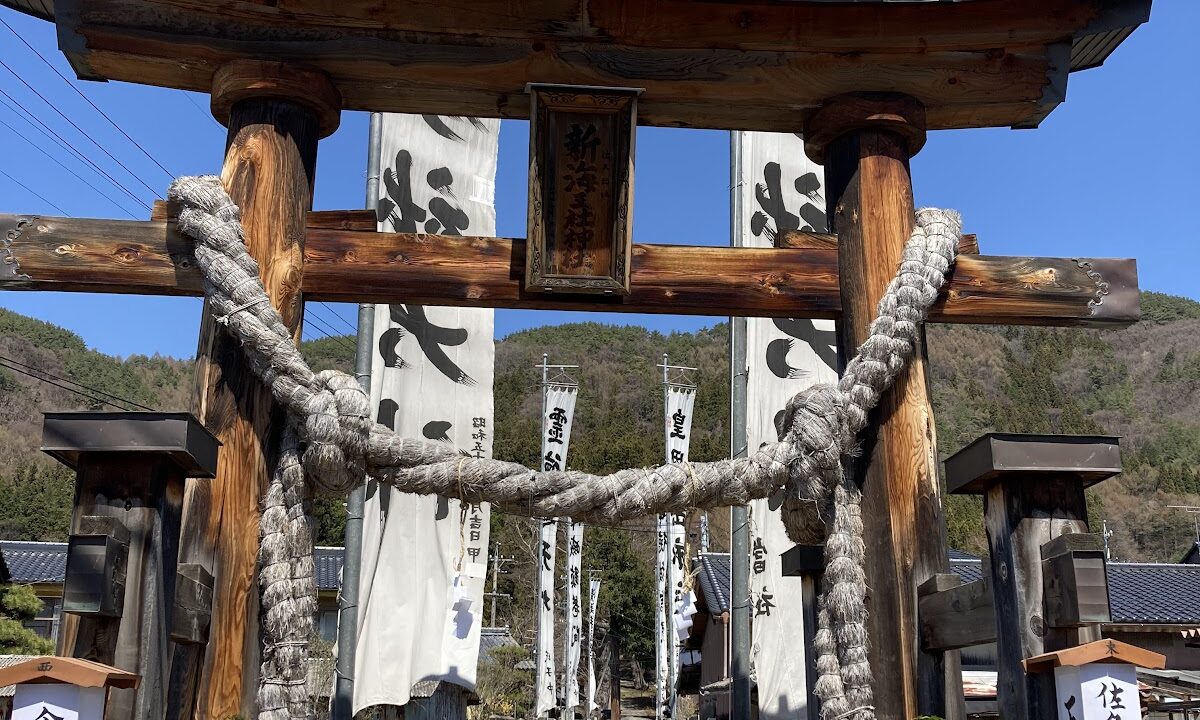
Complete Guide to Shinkai Sansha Shrine (Nagano Prefecture) | A Thorough Explanation of History, Cultural Properties, Prayers, and Goshuin (Shrine Seals)
Shinkai Sansha Shrine, located in Saku City, Nagano Prefecture, is a historic shrine dedicated to the ancestral deities of the Saku region’s pioneers. Its vast grounds, surrounded by abundant nature, and its nationally designated important cultural properties from the Muromachi period, its historical connections to Takeda Shingen, and its rich natural surroundings, captivate visitors. This article provides a detailed explanation of everything you need to know before visiting Shinkai Sansha Shrine, from its history and cultural properties to prayers and access information.
Overview and History of Shinkai Sansha Shrine
Historical Role as the Principal Shrine of the Saku Region
Shinkai Sansha Shrine is a historic shrine that has long been revered as the “Principal Shrine of the Thirty-Six Villages of Saku.” A principal shrine is a shrine that enshrines the deities of a particular region, and Shinkai Sansha Shrine has played an important role as the guardian deity of the entire Saku region.
The exact founding date is uncertain, but it is believed to have existed since the Heian period, and there is a legend that Minamoto no Yoritomo repaired and rebuilt the shrine during the Kamakura period. Records also show that Takeda Shingen prayed for victory there during the Sengoku period, and it is known as a shrine with strong faith in war gods.
Main Deity and Divine Virtues
Shinkai Sansha Shrine has three main shrines, each enshrining a different deity.
The East Main Shrine enshrines the main deity, Okihagi-no-Mikoto. Okihagi-no-Mikoto is the grandson of Okuninushi-no-Okami of Izumo and is revered as the pioneering deity of the Saku region. His father is Takeminakata-no-Mikoto of Suwa Grand Shrine, and his mother is Nukisaki-no-Megami (Arafune Daimyojin) of Nukisaki Shrine, the Ichinomiya (first-ranked shrine) of Kozuke Province, making him an important deity connecting Shinano and Kozuke.
The Central Main Shrine enshrines his father, Takeminakata-no-Mikoto. This is a god of martial prowess, also known as the principal deity of Suwa Grand Shrine.
The West Main Shrine enshrines his uncle, Kotoshironushi-no-Mikoto, the god of business prosperity and good fortune, also known as Ebisu.
Furthermore, Homudawake-no-Mikoto, or Emperor Ojin, is also enshrined here, and the shrine is named “Sansha Shrine” (Three Shrines Shrine) for enshrining four deities.
Origin of the Divine Emblem and Shrine Name
The divine emblem of Shinkai Sansha Shrine is the Kajiha (paper mulberry leaf). The paper mulberry has long been considered a sacred plant and is also an emblem indicating its connection to Suwa Grand Shrine.
There are various theories regarding the origin of the shrine name “Shinkai,” but it is believed to derive from the fact that this region was formerly called “Shinkai-go” (Shinkai Village). Another theory suggests that it was named “Shinkai” because it was land newly developed by Okihagi-no-Mikoto.
Nationally Designated Important Cultural Properties and Highlights of the Shrine Grounds
Three-Storied Pagoda (Nationally Designated Important Cultural Property)
One of the greatest highlights of Shinkai Sansha Shrine is the three-storied pagoda. Built in 1515 during the Muromachi period, this pagoda is designated as a Nationally Important Cultural Property.
This three-storied pagoda, approximately 17 meters tall, is characterized by its beautifully balanced form. During the Meiji-era separation of Shinto and Buddhism, while many Buddhist buildings at shrines were destroyed, the pagoda of Shinkai Sansha Shrine was spared destruction thanks to a claim that “this is not a pagoda, but a treasure house.”
Inside the pagoda are enshrined Buddhist statues, making it a valuable cultural asset that conveys the remnants of the era of syncretism between Shinto and Buddhism. Its appearance, harmonizing with the surrounding nature, displays different expressions in each season, boasting exceptional beauty, especially during the seasons of fresh greenery and autumn leaves.
East Main Shrine (Nationally Designated Important Cultural Property)
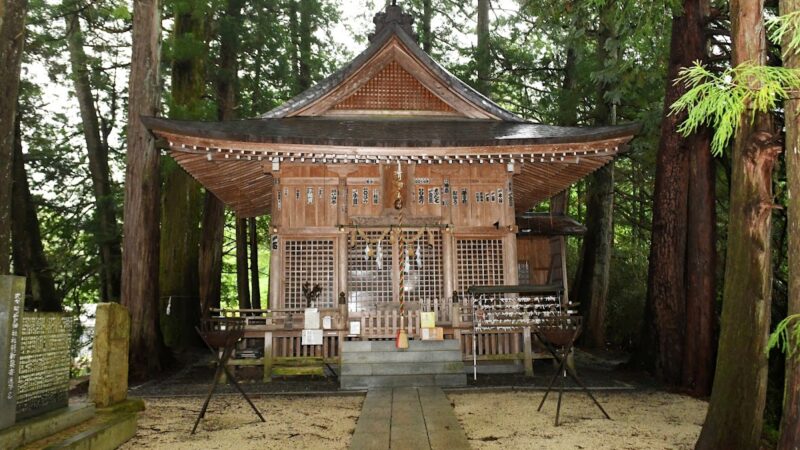
The East Main Shrine, which enshrines the principal deity Okihagi-no-Mikoto, is also a Muromachi period building and is designated as a National Important Cultural Property, just like the three-story pagoda.
The East Main Shrine, built in the Ikkensha Nagare-zukuri architectural style, is characterized by its intricate carvings and elegant roof curves. Though small in scale, it is a dignified building that well preserves the characteristics of Muromachi period shrine architecture.
The three-story pagoda is positioned behind the East Main Shrine, and together the two create a magnificent landscape. This arrangement is a typical example of shrine architecture from the era of Shinto-Buddhist syncretism and has high architectural historical value.
Worship Hall and Shrine Complex
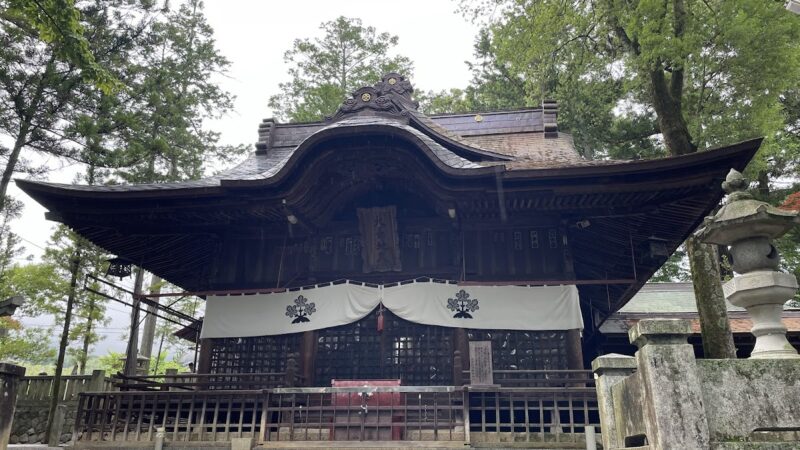
In addition to the three main shrines—East Main Shrine, Central Main Shrine, and West Main Shrine—the grounds also contain a magnificent Worship Hall. The Worship Hall is where worshippers offer their prayers, providing a solemn and serene atmosphere for quiet reverence.
A spacious approach stretches out in front of the main hall, lined with stone lanterns on both sides. It is especially bustling with worshippers during New Year’s visits and festivals.
Sacred Trees and Nature of the Shrine Grounds
The shrine grounds are dotted with ancient trees estimated to be several hundred years old, creating a sacred atmosphere. The giant cedar trees around the main hall are particularly revered as sacred trees, and their majestic presence leaves a deep impression on visitors.
The vast grounds are surrounded by abundant nature, allowing visitors to enjoy forest bathing. A stroll while listening to the chirping of wild birds and the rustling of trees will refresh both mind and body.
The Forty-Eight Burial Mounds
Scattered throughout the shrine grounds and surrounding area are a group of burial mounds known as the Forty-Eight Mounds. These are believed to have been constructed from the Kofun period to the Nara period, and are valuable historical sites indicating that this region was an important center from ancient times.
The existence of the burial mounds suggests that this area may have been recognized as a sacred place even before the founding of Shinkai Sansha Shrine. As traces of ancient beliefs, it holds significant historical and archaeological importance.
Group of Dōsojin (Roadside Deities)
Numerous Dōsojin statues line the parking lot, welcoming visitors upon arrival. Dōsojin are objects of folk worship, revered as gods of roads and travel, and were collected from settlements surrounding Shinkai Sansha Shrine.
Each of the simple stone statues has a different expression, telling the history of the local people’s faith. Paying respects to these Dōsojin before entering the shrine grounds is one of the pleasures of visiting.
Prayers, Festivals, and Annual Events
Main Prayers
Shinkai Sansha Shrine accepts various prayers.
Shichi-Go-San (7-5-3 Festival): Every year from October to November, many families visit for Shichi-Go-San. This is a traditional event to pray for the healthy growth of your child.
Hatsumiyamairi: This is a ceremony where a baby visits a shrine for the first time after birth. Often held around 30 days after birth, it reports the birth of a new life to the gods and prays for healthy growth.
Yakuyoke: Prayers for warding off evil are also offered for those entering their unlucky year. This is a prayer to ward off misfortune at a turning point in life and pray for peaceful days.
Shinto Wedding: Traditional Shinto wedding ceremonies are also held. A wedding at this historic shrine will be solemn and memorable.
Other Prayers: Prayers can be offered for various wishes, such as safety, business prosperity, academic success, passing exams, and recovery from illness.
If you wish to have a prayer offered, it is recommended to contact the shrine in advance to make a reservation.
Annual Events and Festivals
Shinkai Sansha Shrine holds various festivals throughout the year. The Annual Grand Festival is held every April, featuring a grand procession of portable shrines and various dedication ceremonies. It is the most important festival, with the entire community participating.
New Year’s Visit: From New Year’s Day to the third day, many worshippers visit to pray for the new year. It is a popular New Year’s visit spot in the Saku region.
In addition, traditional Shinto rituals such as the Setsubun Festival, the Summer Purification Ceremony, and the Autumn Annual Festival are held throughout the year.
Goshuin (Shrine Seals) and Other Items
Goshuin (Shrine Seals)
At Shinkai Sansha Shrine, you can receive Goshuin. They are available at the shrine office, and many people have them inscribed in their Goshuincho (stamp books) as a memento of their visit.
The Goshuin includes the shrine’s name and the date of visit, stamped in ink and sealed with a red seal. These carefully written Goshuin are cherished as a memento of the visit.
Amulets and Souvenirs
The shrine office offers various amulets and souvenirs.
- Traffic Safety Amulet: An amulet praying for safety when driving or cycling.
- Academic Success Amulet: A popular amulet among students and those taking exams.
- Exorcism Amulet: An amulet for those in their unlucky year.
- Safe Childbirth Amulet: An amulet praying for a safe delivery for pregnant women.
- Matchmaking Amulet: For those wishing for a good relationship.
Other items such as protective arrows, rakes, and votive tablets are also available.
Connection and Anecdotes with Takeda Shingen
Prayer for Victory
Shinkai Sansha Shrine preserves a prayer written by Takeda Shingen when he prayed for victory in battle. It is said that Shingen considered this area important during his conquest of Shinano Province and prayed for victory at Shinkai Sansha Shrine.
The Shinkai Sansha Shrine, deeply revered as a shrine dedicated to a god of war, also attracted the devotion of Sengoku-era daimyo (feudal lords), and Shingen’s prayer inscription serves as valuable historical evidence of this.
Strategic Importance of the Saku Region
The Saku region was a strategic point connecting Shinano and Kozuke (Gunma Prefecture), making it an important area for the Takeda clan. The Shinkai Sansha Shrine, as the main shrine of the Saku region, is believed to have functioned as a spiritual pillar of regional control.
Shingen’s emphasis on the Shinkai Sansha Shrine was not merely a matter of faith, but also a strategic decision for regional governance.
Relationship with “Your Name.”
As a Pilgrimage Site
In recent years, the Shinkai Sansha Shrine has gained attention as one of the pilgrimage sites for Makoto Shinkai’s anime film “Your Name.” Due to the similarity in the name “Shinkai” and the atmosphere of the shrine as depicted in the film, it has become recognized as a pilgrimage site among fans.
While not officially a pilgrimage site, the fact that the director’s surname and the shrine’s name are the same has led to many fans visiting. The tranquil atmosphere surrounded by forest resonates with the world of the film.
Forest Bathing and a Healing Space
Even if you’re not a fan of “Your Name,” the rich natural environment of Shinkai Sansha Shrine is worth visiting. The entire shrine grounds are enveloped in forest, creating a healing space where you can escape the hustle and bustle of the city and find peace of mind.
Access and Basic Information
Location
Address: 2394 Taguchi, Saku City, Nagano Prefecture 385-0034
Access by Car
- From Saku IC on the Joshinetsu Expressway: Approximately 15 minutes
- From Saku Minami IC on the Chubu Odan Expressway: Approximately 10 minutes
The shrine grounds have a free parking lot with space for approximately 50 regular cars. Temporary parking is available during busy periods such as New Year’s Day and the annual festival.
Access by Public Transportation
- From JR Koumi Line Mioka Station: Approximately 25 minutes on foot, approximately 5 minutes by taxi
- From JR Sakudaira Station: Approximately 20 minutes by taxi
Public transportation access is somewhat inconvenient, so visiting by car is recommended.
Visiting Hours and Admission Fee
Visiting Hours: The shrine grounds are generally open for free worship. The shrine office is usually open from 9:00 AM to 5:00 PM.
Admission Fee: Free (A donation is required if you wish to receive prayers/blessings)
Contact Information
Phone: 0267-82-3054 (Shinkai Sansha Shrine Office)
Official Website: http://www.shinkaisansya-jinja.jp/
Nearby Tourist Attractions
Highlights of Saku City
When visiting Shinkai Sansha Shrine, we recommend also visiting nearby tourist attractions.
Ryūoka Castle Goryōkaku: One of only two Goryōkaku (star-shaped fortifications) in Japan, and a nationally designated historical site. Approximately 15 minutes by car from Shinkai Sansha Shrine.
Saku City Children’s Future Museum: A facility combining a science museum and planetarium, popular with families.
Hirao Onsen: A hot spring facility where you can enjoy a day trip bath, perfect for relaxing after visiting the shrine.
Saku Region Cuisine
Saku region is famous for Saku Carp. You can enjoy various carp dishes such as carp sashimi, carp stew, and sweet simmered carp.
Also, Shinshu Soba is exquisite, and there are many highly-rated soba restaurants in the area.
Manners and Precautions for Visiting Shrines
Etiquette for Visiting Shrines
Please observe the basic etiquette for visiting shrines.
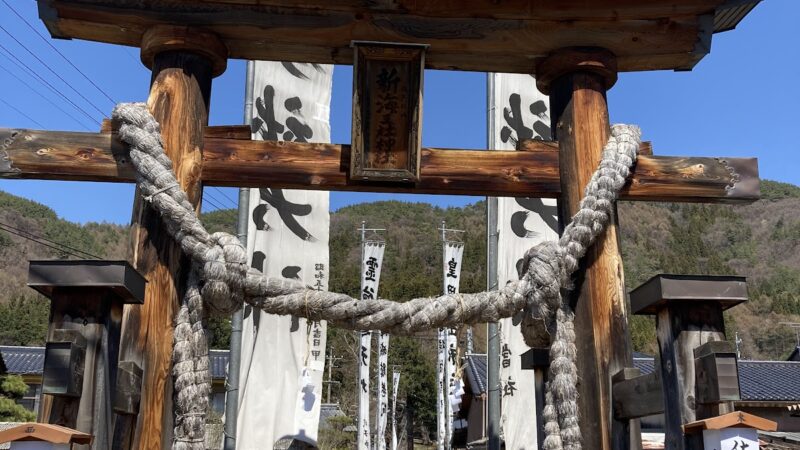
- Bow Before Passing Through the Torii Gate: Bow before entering the shrine grounds.
- Purify yourself at the water basin: Purify your left hand, then your right hand, and rinse your mouth.
- Walk along the edge of the path: The center is considered the path of the gods.
- Worship at the main hall: Two bows, two claps, and one bow is the basic form.
Photography
Photography is generally permitted on the shrine grounds, but please be considerate of festivals and other visitors. While exterior photography of cultural properties such as the three-story pagoda and the East Main Shrine is permitted, interior photography may be prohibited.
Attire
If you are receiving a prayer, it is advisable to wear attire that is not too casual. For regular visits, there are no specific dress code restrictions, but please dress appropriately as it is a sacred place.
Shinkai Sansha Shrine in Every Season
Spring (March-May)
Spring is a beautiful season with cherry blossoms in bloom and fresh greenery on the shrine grounds. The annual festival in April is a lively celebration involving the entire community.
Summer (June-August)
The temple grounds, enveloped in lush greenery, offer a cool and refreshing atmosphere, perfect for forest bathing. The sound of cicadas adds to the charm of a quiet visit.
Autumn (September-November)
The autumn foliage season is one of the most beautiful times, with the temple grounds painted in vibrant reds and yellows. The contrast between the three-story pagoda and the autumn leaves is breathtaking, attracting many photography enthusiasts. It’s also the season for Shichi-Go-San (a traditional Japanese rite of passage for children), and you can see children in their festive attire.
Winter (December-February)
The snow-covered temple grounds possess a fantastical beauty. Many worshippers visit for Hatsumode (the first shrine visit of the New Year) to offer prayers for the coming year. Visiting the temple in the crisp winter air is a truly solemn experience.
Summary: The Charm of Shinkai Sansha Shrine
Shinkai Sansha Shrine is a valuable shrine that conveys the history and culture of the Saku region to the present day. The three-story pagoda and the East Main Shrine, both designated as important national cultural properties, are precious cultural heritage sites that convey the architectural beauty of the Muromachi period and are well worth seeing.
As the main shrine of the Saku region and a shrine with a long history as a god of war, it has deep connections with historical figures such as Minamoto no Yoritomo and Takeda Shingen. The vast grounds are surrounded by abundant nature, showing different expressions in each of the four seasons.
It’s a shrine where you can enjoy various things, from praying for Shichi-Go-San (a traditional Japanese rite of passage for children), Hatsumirei (a first shrine visit for newborns), and protection against misfortune, to receiving Goshuin (shrine stamps) or simply strolling quietly. It has also attracted attention as a pilgrimage spot for fans of the movie “Your Name,” but more than that, it is a shrine that many people should visit to experience the harmony between traditional Japanese culture and nature.
When you visit Saku City, Nagano Prefecture, be sure to stop by Shinkai Sansha Shrine. The weight of history, the beauty of nature, and the tranquil atmosphere will soothe the hearts of visitors and revitalize them.