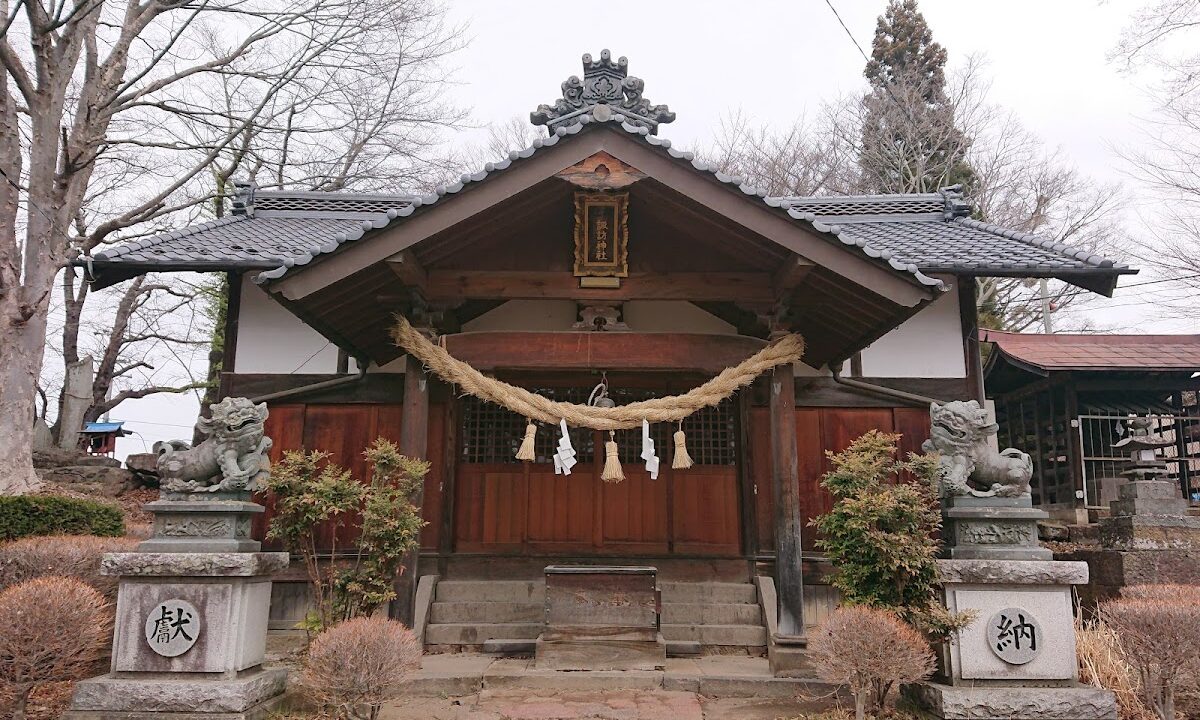
Suwa Shrine (Harumiyamaki, Saku City, Nagano Prefecture) Complete Guide | A Thorough Explanation of History, Deities, Access, and Benefits
The Suwa Shrine, located in Harumiyamaki, Saku City, Nagano Prefecture, is a shrine that has been cherished by the local people for centuries. This article provides a detailed explanation of everything you need to know before visiting, including the history of the Suwa Shrine, its enshrined deities, benefits, highlights of the grounds, and access methods.
Basic Information on Suwa Shrine (Harumiyamaki, Saku City)
The Suwa Shrine is located in Harumiyamaki, Saku City, Nagano Prefecture, and is revered as the local guardian deity based on the Suwa faith. Numerous Suwa Shrines are scattered throughout the Saku region, and this Harumiyamaki Suwa Shrine is one of them, playing a central role in the local community.
Location: Haramiyamaki, Saku City, Nagano Prefecture
Shrine Rank: Village Shrine (Former Rank)
Deity Enshrined: Takeminakata-no-kami
Deities and Divine Virtues of Suwa Shrine
Takeminakata-no-kami
Takeminakata-no-kami, the principal deity of Suwa Shrine, is a god appearing in the Kojiki (Records of Ancient Matters) and is known as the son of Okuninushi-no-mikoto. He is enshrined at Suwa Grand Shrine and in Suwa Shrines throughout Japan, and is widely worshipped as a god of martial prowess, agriculture, and hunting.
Expected Benefits
Suwa Shrine is believed to offer the following benefits:
- Long-lasting military fortune and improved luck in competitions: Due to its nature as a god of war, people can pray for success in competitions and contests.
- Abundant harvests and agricultural prosperity: As a god of agriculture, people pray for bountiful harvests and business prosperity.
- Family safety and protection from misfortune: As a guardian deity of the region, there is strong faith in the safety of families and protection from disasters.
- Traffic safety: It is also worshipped as a god that protects safe travels.
- Good fortune and prosperity: Many worshippers pray for overall improvement in their luck.
History and origins of Suwa Shrine
Spread of Suwa Faith
Suwa faith is one of Japan’s leading faiths, with Suwa Grand Shrine in Suwa City, Nagano Prefecture, as its head shrine, and over 5,000 branch shrines throughout the country. In particular, within Nagano Prefecture, Suwa shrines are located in almost every region, serving as a spiritual pillar of the community.
The Suwa Shrine in Haramiyamaki, Saku City, is also believed to have been established as part of the spread of Suwa faith and came to be worshipped as the local tutelary deity.
Suwa Faith in the Saku Region
The Saku region has long been a thriving agricultural area, and Suwa faith, as a deity of agriculture prayed to for abundant harvests, was deeply rooted there. Furthermore, warlords such as Takeda Shingen also deeply revered Suwa, so its character as a god of war has also been emphasized.
The Suwa Shrine in Haramiyamaki has a history of being worshipped as the guardian deity of the settlement along with the development of the region, and has been carefully preserved by generations of residents.
Highlights of the Shrine Grounds
Main Hall and Worship Hall
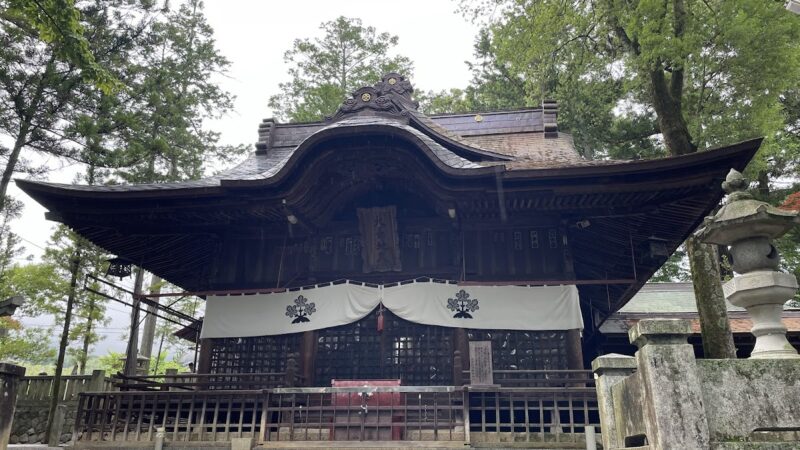
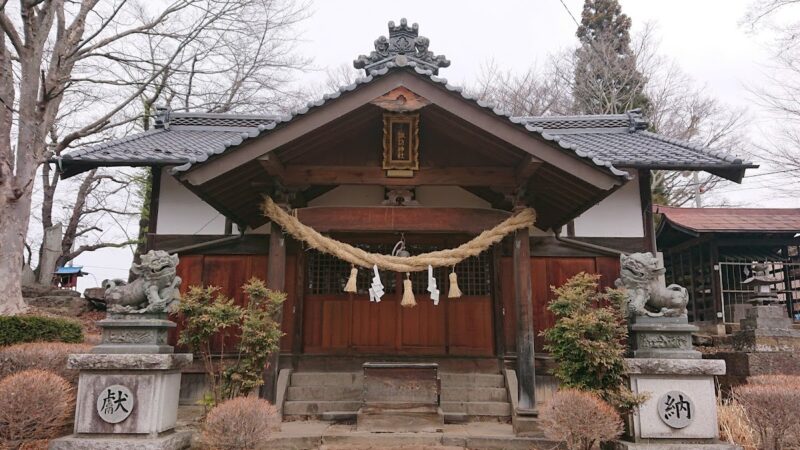
The main hall of the Suwa Shrine is built in the traditional style of shrine architecture and serves as the center of local faith. Daily worship and festivals are held in the worship hall, which serves as a spiritual anchor for the local residents.
Shrines and Monuments
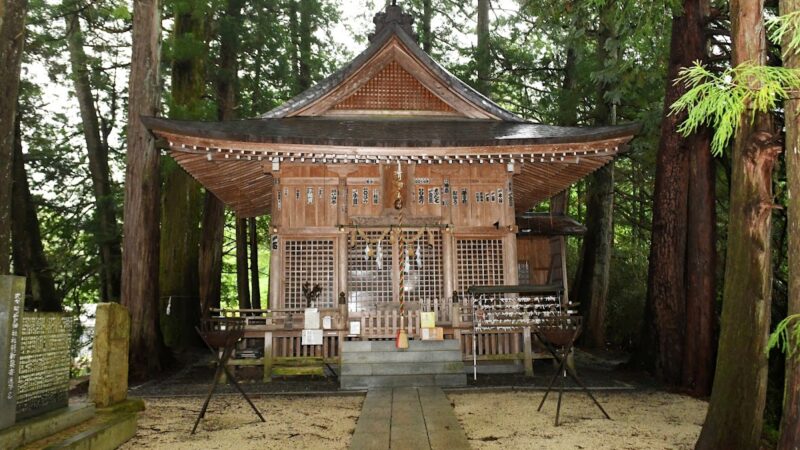
Besides the main shrine, the grounds sometimes contain shrines and monuments reflecting local beliefs. These are valuable cultural assets that tell the story of the region’s history.
Sacred Trees and the Natural Environment
The shrine grounds contain sacred trees and other trees that have grown over many years, creating a tranquil atmosphere. It is a space where visitors can feel the changing seasons and find solace.
Annual Events and Festivals
Grand Festival
The Suwa Shrine holds its annual grand festival every year. Local people gather, and events such as a portable shrine procession and offering ceremonies take place, making it an important opportunity to deepen the bonds of the local community.
New Year’s Visit
At the start of the new year, many local residents visit the shrine for their first visit of the year, praying for safety and prosperity throughout the year. As the local guardian deity, many families visit the shrine.
Other Festivals
Seasonal festivals, such as spring and autumn festivals, are sometimes held. These festivals are deeply connected to the agricultural calendar, and traditions of praying for a bountiful harvest and peace in the community are passed down through generations.
Etiquette and Manners for Visiting a Shrine
Basic Etiquette for Visiting a Shrine
Here are the basic etiquette rules for visiting Suwa Shrine:
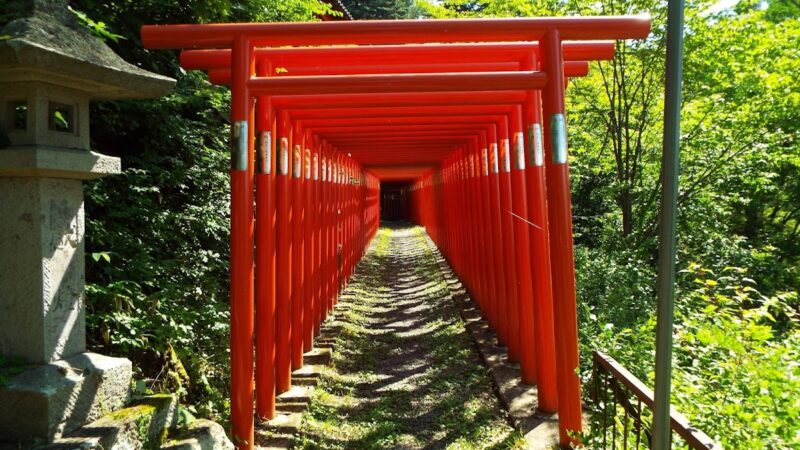
- Bow before passing through the torii gate: Before entering the sacred area, compose yourself and bow.
- Purify yourself at the water basin: If there is a water basin, purify your left hand, then your right hand, then your mouth.
- Avoid the center of the path: The center of the path is considered the path of the gods, so walk along the sides.
- Worship at the main hall: Worship using the two bows, two claps, and one bow ritual.
- Bow upon leaving: Turn around and bow when leaving the torii gate.
Attire for Visiting a Shrine
There are no specific dress code requirements, but clean clothing that reflects the sacred nature of the place is desirable. For special events such as festivals, slightly more formal attire is appropriate.
Access Methods
Access by Car
Access to Suwa Shrine is most convenient by car:
- From the Joshinetsu Expressway, Saku IC: Approximately 15-20 minutes
- From the Chubu Odan Expressway, Saku Minami IC: Approximately 10-15 minutes
From Saku city center, you can access the shrine using national and prefectural roads. Since the Haramiyamaki area is located somewhat away from the center of Saku city, it is recommended to check a map or navigation system beforehand.
Access by Public Transportation
When using public transportation:
- JR Koumi Line: Walk from the nearest station or take a taxi.
- Local Buses: Check the timetable for local buses running within Saku city beforehand.
As this is a local shrine, public transportation access may be limited. It is recommended to inquire with the Saku City Tourist Information Center or transportation companies before visiting.
Parking Information
Parking space varies depending on the size of the shrine. Temporary parking may be provided during festivals, but under normal circumstances, space may be limited. Please be considerate of local residents and park respectfully.
Nearby Tourist Attractions
Historical and Cultural Facilities in Saku City
Besides Suwa Shrine, Saku City has many other historical and cultural spots:
- Saku City Museum of Modern Art: Houses works by artists such as Yui Ichiji and Hirayama Ikuo
- Former Nakagomi School: One of the oldest Western-style school buildings in Japan (National Important Cultural Property)
- Ryūoka Castle Goryōkaku: One of only two Goryōkaku (square fortified castles) in Japan
Natural Spots
- Chikuma River: A majestic river flowing through the Saku Plain
- Uchiyama Ranch: Enjoy nature at this highland ranch
- Kasuga Onsenkyo: A hot spring resort to soothe fatigue
Gourmet Spots
Saku City is home to local specialties such as “Saku Koi” (carp) and “Saku Soba” (buckwheat noodles). Enjoying local cuisine after your visit is also recommended.
Characteristics and Charms of Suwa Faith
The Tradition of the Onbashira Festival
The most distinctive feature of Suwa faith is the “Onbashira Festival,” held once every seven years (every seven years according to the traditional Japanese age counting system). At Suwa Grand Shrine, a magnificent festival takes place where giant trees are pulled down from the mountains and erected at the four corners of the shrine grounds.
While the scale varies, Suwa shrines throughout the region also hold events related to the Onbashira Festival, serving as a place for community unity and the continuation of tradition.
Faith as a Hunting God
Suwa faith has a unique aspect as a hunting god. From ancient times to the Middle Ages, hunting was an important livelihood, and the Suwa god was worshipped as a god who protected the success and safety of hunts.
This tradition continues to this day and is valued as a spirituality that emphasizes coexistence with nature.
Worship as a God of War
During the Sengoku period (Warring States period), many warlords, including Takeda Shingen, revered Suwa-jin as a god of war. It is said that they went into battle carrying banners bearing the inscription “Namu Suwa Nangū Hōshō Jōge Daimyōjin.”
Due to this characteristic as a god of war, many worshippers still visit today to pray for success in competitions and contests.
Best Season for Visiting
Spring (March-May)
Spring is a time of beautiful fresh greenery, with trees in the shrine grounds budding. Spring festivals are sometimes held, making it a vibrant time to experience the local atmosphere.
Summer (June-August)
Summer brings lush greenery, and the shrine grounds are enveloped in a cool, refreshing atmosphere. If the annual festival is held in summer, you can experience the excitement of the local festival.
Autumn (September-November)
Autumn is a time of beautiful autumn foliage, and festivals are sometimes held to give thanks for a bountiful harvest. This is a season when you can visit the shrine in a calm atmosphere.
Winter (December to February)
In winter, you can offer a solemn visit to the shrine grounds, which are enveloped in silence. During the New Year’s visit period, the shrine is bustling with many visitors, making it ideal for New Year’s prayers.
Suwa Shrine and the Local Community
Role as a Guardian Deity
Suwa Shrine serves as the guardian deity of the Haramiyamaki district, acting as a spiritual pillar for the local residents. Life rituals such as the first shrine visit for a newborn, Shichi-Go-San (a traditional rite of passage for children), and exorcism are performed here, and faith is passed down through generations.
Center of Local Events
Through shrine festivals and cleaning activities, the interaction and unity of local residents deepen. The festivals, in particular, are the largest local events, with participation from children to the elderly, contributing to the revitalization of the community.
Inheritance of Traditional Culture
Through festivals and events at Suwa Shrine, the region’s traditional culture and history are passed down to the next generation. Children’s participation in festivals fosters a sense of attachment and pride in their hometown.
Notes on Visiting the Shrine
Photography
Photography is generally permitted on the shrine grounds, but please note the following:
- Photography may be prohibited in sacred areas such as the interior of the main hall.
- During festivals, please be considerate and avoid disrupting religious ceremonies.
- Please respect the privacy of other visitors.
Bringing Pets
Pet policies vary by shrine. If you bring a pet, please keep it on a leash and follow proper etiquette, including cleaning up after your pet.
Taking Your Trash Home
To keep the shrine grounds clean, please always take your trash home. Protecting the natural environment and sacred space is the responsibility of visitors.
About Goshuin (Shrine Seals)
Some shrines offer Goshuin. Goshuin are popular as proof of visitation and as a record of your connection with the shrine.
When receiving a Goshuin (temple/shrine stamp), please observe the following etiquette:
- Complete your prayers first before receiving the Goshuin.
- Prepare a Goshuincho (stamp book) (avoid notebooks or colored paper).
- Prepare a donation (around 300-500 yen).
- Do not insist if the chief priest or Shinto priest is absent.
Smaller shrines may not always have staff available, so it is recommended to check in advance.
History of Saku City and Suwa Shrine
Historical Background of the Saku Region
The Saku region has been a fertile land inhabited by people since ancient times. The fertile plains of the Chikuma River basin were suitable for rice cultivation, and many settlements were formed from the Kofun period onward.
In the Middle Ages, samurai groups such as the Saku clan were active, and during the Sengoku period, it came under the rule of the Takeda clan. During the Edo period, it flourished as a post town on the Nakasendo road, a vital transportation hub where many people passed through.
Characteristics of the Haramiyamaki Area
The Haramiyamaki area is a thriving agricultural region within Saku City. Blessed with the fertile land of the Chikuma River, agriculture, primarily rice cultivation, has flourished here.
The Suwa Shrine was established alongside the development of this area and has been worshipped as the god of agriculture and the guardian deity of the region. It remains a cherished shrine closely intertwined with the region’s history.
Shrines and Temples in Saku City to Visit Alongside the Suwa Shrine
Shinkai Sansha Shrine
An ancient shrine located in Taguchi, Saku City, famous for its three-story pagoda designated as a National Important Cultural Property. As a shrine with a different history and culture from the Suwa Shrine, it is worth visiting in conjunction with it.
Teisho-ji Temple
An ancient Rinzai Zen temple, its beautiful gardens and architecture are highlights. It offers an opportunity to experience a different Buddhist culture than that of a Shinto shrine.
Other Suwa Shrines in Saku City
Besides the Haramiyamaki shrine, several other Suwa shrines are located within Saku City. Each region has its own unique history and characteristics, allowing you to appreciate the diversity of Suwa faith.
Summary
The Suwa Shrine, located in Haramiyamaki, Saku City, Nagano Prefecture, is a shrine with a long history as a place of worship deeply rooted in the community. It enshrines Takeminakata-no-kami and is believed to grant blessings for military success, abundant harvests, and family safety.
When visiting Saku City, we recommend visiting the Suwa Shrine as an opportunity to experience the region’s history and culture. You can find peace of mind in the tranquil grounds and feel the warmth of traditional Japanese faith and local community.
When visiting, it is important to observe basic manners and show respect to the shrine and the community. We hope your visit to the Suwa Shrine will be a enriching experience.