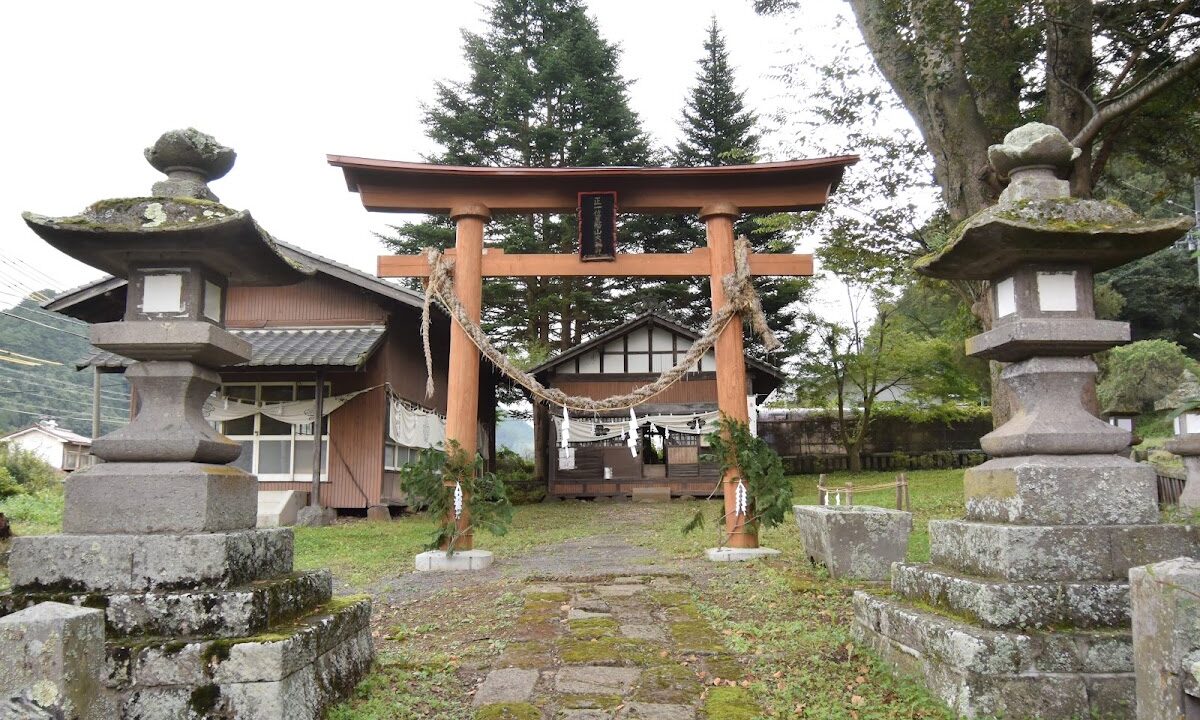
Arafuneyama Shrine (Nagano Prefecture) Complete Guide | History, Benefits, Access, and Hiking Information – A Thorough Explanation
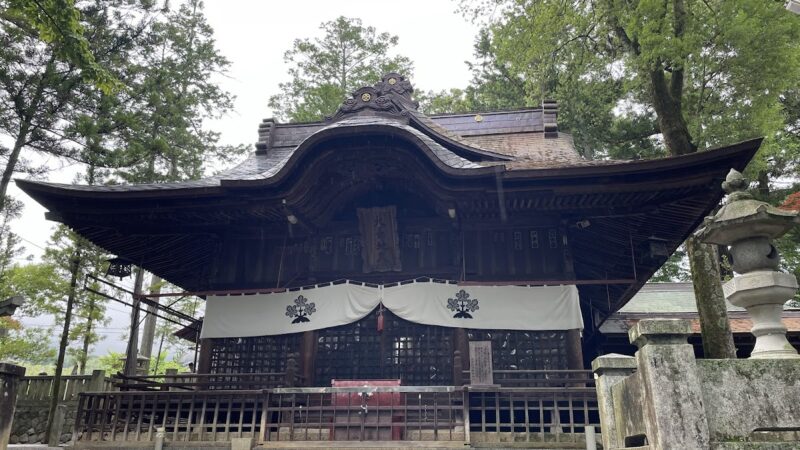
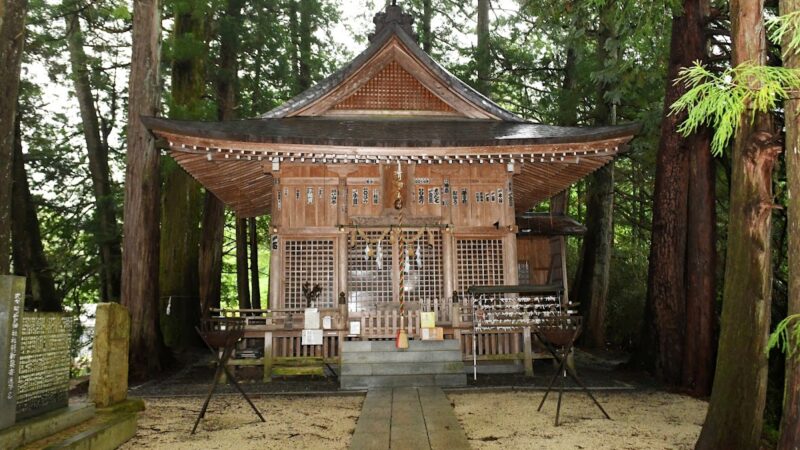
Arafuneyama, located on the border of Saku City, Nagano Prefecture and Shimonita Town, Gunma Prefecture, is a famous peak known as the “natural aircraft carrier” due to its unique shape. Arafuneyama Shrine, situated near the summit, has long been revered by local people as an object of mountain worship. This article provides a detailed explanation of everything you need to know before visiting, including the history of Arafuneyama Shrine, its enshrined deities, benefits, worship methods, hiking routes, and access information.
What is Arafuneyama Shrine?
Overview of Arafuneyama Shrine
Arafuneyama Shrine is a shrine located on the summit plateau of Arafuneyama, at an altitude of 1,423 meters. Arafuneyama is a mountain straddling Saku City, Nagano Prefecture and Shimonita Town, Kanra District, Gunma Prefecture, and is part of the Myogi-Arafune-Saku Plateau National Park. The mountaintop is a flat, plateau-like area stretching for approximately 2 kilometers, and its unique topography has earned it the nickname “the table mountain of the East.”
The shrine is located near the highest point, called Kyozukayama, at the northern end of the mountaintop plateau, and climbing is required to visit it. In a tranquil atmosphere harmonizing with the surrounding natural environment, it has been a sacred site of mountain worship since ancient times, attracting many climbers and devotees.
Geographical Characteristics of Arafune Mountain
The most distinctive feature of Arafune Mountain is its unique shape. The long, narrow, plateau-like mountaintop extends approximately 2 kilometers in length and 400 meters in width. The eastern side features a 200-meter-high cliff called “Tomoiwa,” creating an impressive landscape easily recognizable from afar.
This topography was formed by the uplift of geological layers that were once deposited on the seabed, followed by erosion over a long period of time. It is believed that the unique shape of the mountain was created when a hard lava layer remained as a plateau, while the surrounding softer layers were eroded.
History and Origins of Arafuneyama Shrine
History of Founding
The exact founding date of Arafuneyama Shrine is unclear, but it is certain that it has been revered as an object of mountain worship since ancient times. Mountain worship in Japan is a form of faith that worships mountains as places where gods reside, or even as gods themselves, and Arafuneyama is no exception.
In particular, Arafuneyama has been considered sacred since ancient times due to its unique shape, and has attracted the faith of local people. It was also used as a training ground for mountain asceticism, and records remain of ascetics training on the mountain.
Changes in Belief
During the Edo period, pilgrimages to Arafuneyama became popular. Villages in the region regularly made pilgrimages to pray for bountiful harvests and family safety. Especially during a time when agriculture was the primary industry, the belief in mountain gods was closely intertwined with people’s lives.
Even after the Meiji-era separation of Shinto and Buddhism, Arafuneyama Shrine continued to function as a center of local faith. Even today, it is carefully preserved by local parishioners and mountain climbing enthusiasts.
Deity and Benefits
Deity
The deity enshrined at Arafuneyama Shrine is Ōyamatsumi-no-kami, the mountain god. Ōyamatsumi-no-kami is considered the supreme mountain god in Japanese mythology and is widely worshipped in mountain worship throughout Japan.
Furthermore, in some regions, this deity also possesses characteristics of a water god and a god of agriculture, and is worshipped as a god who brings the blessings of water flowing from the mountains and abundant harvests.
Benefits
Arafuneyama Shrine is believed to offer the following benefits:
- Mountain Safety and Climbing Safety: As it enshrines the mountain god, it protects the safety of climbers.
- Abundant Harvest: As the guardian deity of agriculture, it brings abundant harvests.
- Family Safety: It protects the health and peaceful life of the family.
- Good Fortune and Prosperity: It opens up good luck and invites good fortune.
- Protection from Evil: It wards off misfortune and protects the person.
Especially among mountain climbing enthusiasts, many visit the shrine seeking blessings for mountain safety, and during the climbing season, many climbers visit to pray for safety.
Hiking Routes to Arafuneyama Shrine
To visit Arafuneyama Shrine, you need to hike. Here are the main hiking routes.
Uchiyama Pass Route (Most Popular Course)
Estimated Time: Ascent approx. 2 hours 30 minutes, Descent approx. 2 hours
Difficulty: Intermediate
Distance: approx. 4 kilometers one way
This is the most common route starting from Uchiyama Pass. There is a parking lot and restrooms at the trailhead, making access relatively easy.
Route Details:
- Proceed along the mountain trail through the forest from the Uchiyama Pass trailhead.
- Reach the ridge via a steep climb.
- Via Nokogiridake (Sawtooth Peak)
- Reach the summit plateau of Arafuneyama.
- Walk approximately 1 kilometer north across the plateau to Arafuneyama Shrine on Kyozukayama.
This route is well-maintained, but there are sections with chains and ladders near Nokogiridake, requiring some mountaineering experience. Particular caution is needed during rainy weather and winter, as the trail can become slippery.
Hoshio Pass Route (Gunma Prefecture Side)
Estimated Time: Approximately 3 hours ascent, 2 hours 30 minutes descent
Difficulty: Intermediate to Advanced
Distance: Approximately 5 kilometers one way
This route starts from Shimonita Town, Gunma Prefecture. It is slightly longer than the Uchiyama Pass Route, and includes some steeper sections of the trail.
Precautions for Hiking
- Equipment: Always carry basic equipment such as hiking boots, rain gear, warm clothing, drinking water, and snacks.
- Weather: The weather at the summit can change quickly, so check the weather forecast in advance.
- Time: Aim for an early start so you can descend before sunset.
- Physical Fitness: You will need the stamina for a round trip of 5-6 hours.
- Season: In winter, there is snow and ice, so snow climbing equipment such as crampons is necessary.
- Mobile Phone: There are areas near the summit where cell phone reception is poor, so submit a hiking plan.
Spectacular Views of the Summit Plateau and Tomoiwa Rock
The Charm of the Arafune Mountain Summit Plateau
The Arafune Mountain summit plateau stretches for approximately 2 kilometers, offering a flat, grassy terrain. From this expansive plateau, you can enjoy a 360-degree panoramic view.
Main Views:
- North Side: Mountains such as Mt. Asama and Mt. Azumaya
- East Side: The vast Kanto Plain
- South Side: The Yatsugatake Mountain Range
- West Side: The Northern and Central Alps (on clear days)
Especially during the autumn foliage season and the early summer season of fresh greenery, the surrounding mountains are beautifully colored, offering spectacular views.
Tomoiwa Rock
Located at the eastern edge of the mountaintop plateau, Tomoiwa Rock is a sheer cliff that can be considered a symbol of Mt. Arafune. The vertically sheer rock face, approximately 200 meters high, presents a truly breathtaking landscape.
From the observation deck at Tomoiwa Rock, you can enjoy a panoramic view of the cliffs below and the Kanto Plain stretching out in the distance. However, caution is necessary as there are areas without safety equipment such as fences. Especially avoid approaching during strong winds or rain.
Access Methods
Access by Car
To Uchiyama Pass Trailhead:
- From Saku IC on the Joshinetsu Expressway: Approximately 40 minutes (approximately 25 kilometers)
- Take National Route 254 towards Shimonita
- Head towards Uchiyama Pass
- From Shimonita IC on the Joshinetsu Expressway: Approximately 30 minutes (approximately 20 kilometers)
- Take National Route 254 towards Saku
- Head towards Uchiyama Pass
Parking: Free parking is available at Uchiyama Pass (approximately 20 cars). It can fill up on weekends during the climbing season, so early arrival is recommended.
Access by Public Transportation
Access by public transportation is inconvenient. Bus services from the nearest station are limited, so access by car is recommended.
Nearest Stations:
- JR Koumi Line, Haguroshita Station (Nagano Prefecture side)
- Joshin Electric Railway, Shimonita Station (Gunma Prefecture side)
From either station, a taxi is required to reach the trailhead.
Etiquette and Manners for Visiting a Shrine
Basic Etiquette for Visiting a Shrine
When visiting Arafuneyama Shrine, please observe the following basic etiquette:
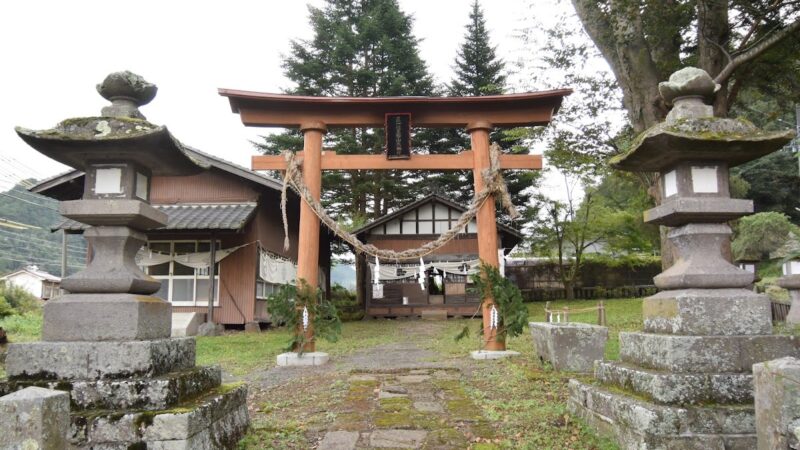
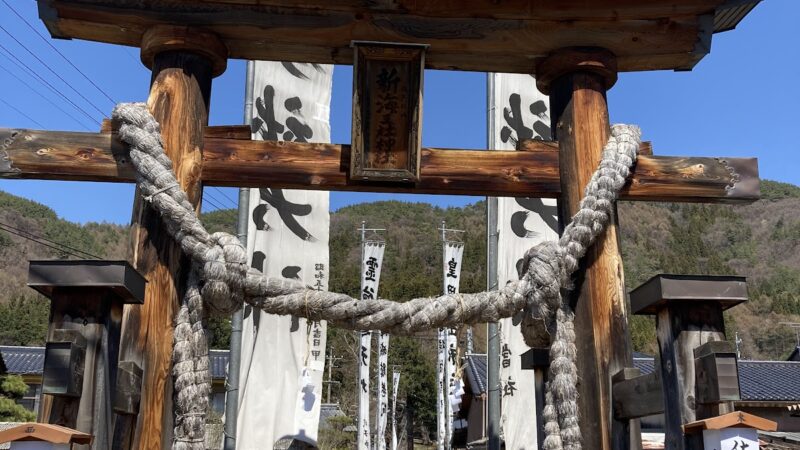
- Bow before passing through the torii gate: As a sign of respect before entering the sacred area.
- Walk along the edge of the path: The center is considered the path of the gods.
- Purify your hands and mouth if there is a water basin (there are usually none at the summit).
- Bow twice, clap twice, and bow once in front of the main hall: A basic Shinto method of worship.
Manners for Hikers
- Always take your trash with you: For the protection of the natural environment.
- Do not stray from the hiking trail: For the protection of vegetation.
- Do not shout: To maintain the peaceful atmosphere of the mountain.
- Greet others when passing them: For communication between hikers.
- Do not collect plants or animals: For nature conservation.
Points of Interest Around Arafuneyama Shrine
Uchiyama Ranch
Located near Uchiyama Pass, this highland ranch offers a peaceful, idyllic landscape. Cows and horses graze freely, and visitors can enjoy fresh dairy products. It’s also an ideal rest stop before or after hiking.
Arafune Wind Cave
The Arafune Wind Cave, a nationally designated historical site, is a natural refrigeration facility once used to store silkworm eggs. Utilizing the cold air blowing from cracks in the rocks, it greatly contributed to the development of Japan’s sericulture industry. In 2014, it was registered as a World Heritage Site as part of the “Tomioka Silk Mill and Related Industrial Heritage Sites.”
Mount Myogi
Located northwest of Mount Arafune, Mount Myogi is a famous mountain known for its strangely shaped rocks and boulders. It is considered one of Japan’s three most spectacular landscapes, offering a unique and beautiful scenery.
Mount Arafune in Every Season
Spring (April-June)
As the snow melts, new greenery sprouts, and the mountain is dyed green. Around May, mountain cherry blossoms and azaleas bloom, showcasing the mountain’s vibrant beauty. However, there may still be snow, so it’s necessary to check the trail conditions.
Summer (July-August)
The mountaintop plateau is cool, making it an ideal season for escaping the summer heat. Alpine plants bloom in abundance, allowing you to enjoy a variety of colorful flowers. However, thunderstorms are common in the afternoon, so aim for an early morning departure and descent by noon.
Autumn (September-November)
The best time to see the autumn foliage on Mt. Arafune is from mid-to-late October. Beech, maple, and rowan trees turn red and yellow, adorning the entire mountain in a tapestry of autumn colors. The air is clear, offering excellent views, making it an ideal season for hiking.
Winter (December-March)
Climbing Mt. Arafune during the snowy season requires experience and equipment for snow climbing. Be sure to prepare thoroughly with crampons, ice axes, and winter mountaineering gear. On clear days, you can enjoy the spectacular view of snow-covered mountains, but due to the harsh weather conditions, it is not recommended for beginners.
Key Points for Your Hiking Plan
Standard Course Time for a Day Hike
Uchiyama Pass Route Round Trip:
- Departure from trailhead: 7:00
- Arrival at Arafuneyama Summit Plateau: 9:30
- Visit to Arafuneyama Shrine and Lunch: 9:30-11:00
- Viewing Tomoiwa Rock: 11:00-11:30
- Start of Descent: 11:30
- Return to Trailhead: 13:30
Total: Approximately 6 hours 30 minutes (including breaks)
Checklist of Items to Bring
Essential Equipment:
- Hiking Boots
- Backpack (20-30 liters)
- Rainwear (separate top and bottom)
- Warm Clothing (fleece or down jacket)
- Hat, Gloves
- Headlamp
- Map, Compass (or GPS)
- Mobile Phone, Mobile Battery
- First Aid Kit
- Drinking Water (1-1.5 liters)
- Trail food, lunch
- Towel, tissues
- Garbage bag
Useful items to have:
- Trekking poles
- Camera
- Binoculars
- Sunglasses
- Sunscreen
- Insect repellent spray (summer)
Goshuin (seal) and amulets of Arafuneyama Shrine
Arafuneyama Shrine is an unmanned shrine at the mountaintop, so there are no resident priests, and regular goshuin and amulets are not issued.
However, you can keep a record of your visit as a memento of your climb. Using a climbing record app to preserve memories of your visit is a good idea.
Some local shrines and facilities at the foot of the mountain may offer goshuin and amulets related to Arafuneyama, so it’s a good idea to check beforehand.
Information for Safe Mountain Climbing
Emergency Contact Information
- Police (Emergency): 110
- Fire/Ambulance (Emergency): 119
- Saku Police Station: 0267-68-0110
- Shimonita Police Station: 0274-82-2110
Submission of Mountain Climbing Notification
To prepare for any accidents, please submit a mountain climbing notification (climbing plan).
- Nagano Prefectural Police Mountain Climbing Consultation Office: Online submission is also possible
- Gunma Prefectural Police: Mountain climbing notification submission system available
- Trailhead Post: There is also a submission post at the Uchiyama Pass trailhead
Mountain Insurance
We strongly recommend purchasing mountain insurance to prepare for any accidents or emergencies. Search and rescue costs can be high, so having insurance provides peace of mind.
Summary
Arafuneyama Shrine, located on the summit of Mount Arafune in Saku City, Nagano Prefecture, is a shrine that preserves the history of mountain worship. While climbing is required to visit, the natural beauty along the way, the spectacular views from the summit, and the tranquil experience of worship in the sacred grounds deeply move visitors.
The difficulty level of the climb is intermediate, requiring a certain level of physical fitness and climbing experience, but with proper preparation, many people can enjoy the mountain. Especially during the autumn foliage season, the entire mountain is beautifully colored, offering a truly exceptional climbing experience.
Why not spend some precious time purifying your soul amidst nature while experiencing the history of Japanese mountain worship through a visit to Arafuneyama Shrine? Please enjoy this wonderful mountain experience while taking sufficient safety precautions.