Complete Guide to Ochikochinomiya Shrine (Karuizawa, Nagano Prefecture) | History, Deities, and Access Information for the Only Shrine of its Kind in Japan
What is Ochikochinomiya Shrine? | A Rare Shrine with Only One in Japan
Ochikochinomiya Shrine (also known as Enkingu) is a shrine located at 4751 Higashiyashiki, Nagakura, Karuizawa-machi, Kita-Saku-gun, Nagano Prefecture. It is an extremely rare shrine, being the only one in Japan with the name “Ochikochinomiya Shrine.”
Despite being located in Karuizawa, a well-known tourist destination, this shrine remains relatively unknown. It boasts a long history as the guardian shrine of the region, attracting the faith of local people. Quietly situated a short distance from the bustling center of Karuizawa, this shrine offers visitors a tranquil experience.
Origin of the Name “Ochikochinomiya Shrine”
There are several theories regarding the origin of the unusual name “Ochikochinomiya Shrine.” One theory suggests that the name implies a shrine visited by people from both near and far. Another interpretation suggests it enshrines a deity that protects both distant and nearby areas.
The reading “Ochikochi” originates from an archaic word meaning “here and there” or “in all directions.” Therefore, it’s thought that the shrine’s character as one that watches over all directions and protects people broadly is reflected in its name.
History of Enkinmiya Shrine | As a Center of Local Belief in Karuizawa
Founding and History
Unfortunately, the exact founding date of Enkinmiya Shrine is unclear due to a lack of detailed records. However, based on local elder traditions and the surrounding historical context, it is highly likely that it existed before the Edo period.
The Karuizawa region has a history of developing as a post town on the Nakasendo road. The Nagakura district is located between Karuizawa-juku and Kutsukake-juku, and has long been a place of traffic. Enkinmiya Shrine is believed to have played a central role in local faith, serving as a place to pray for the safety and prosperity of travelers and local residents.
Changes Since the Meiji Era
Despite the influence of the Meiji-era separation of Shinto and Buddhism and the policy of consolidating shrines, Enkinmiya Shrine has survived as the guardian shrine of the region. Even amidst the development of Karuizawa from the Meiji to Taisho and Showa periods, particularly its development as a summer resort, it has a history of being preserved as a place of worship for local residents.
During the post-war period of rapid economic growth, Karuizawa as a whole developed significantly as a resort and tourist destination, but Enkinmiya Shrine continued its role as a spiritual pillar of the community within a quiet residential area. It is still carefully maintained and managed by local parishioners and believers.
Deities and Divine Virtues
Deities Enshrined
The deities enshrined at Enkinmiya Shrine can be inferred from local traditions and beliefs, but since detailed records are not publicly available, accurate information must be confirmed on-site. Generally, the deities enshrined as guardian deities of a region often include Ōkuninushi-no-Mikoto, Susanoo-no-Mikoto, or other deities unique to that region.
Considering the shrine’s name, “Enkin” (meaning “far and near”), it’s possible that a deity presiding over the safety of travelers from afar or overseeing protection over a wide area is enshrined there.
Divine Virtues (Benefits)
The following are some of the divine virtues that can be expected at Enkinmiya Shrine:
- Safe Travel and Traffic Safety: Due to its location along the Nakasendo Road, it is possible that it has been worshipped as a deity protecting travelers’ safety.
- Family Safety: As the guardian deity of the region, it protects the peace and safety of the families of its parishioners.
- Business Prosperity: A place to pray for the development of the region and the prosperity of people’s livelihoods.
- Protection from Misfortune and Good Fortune: It wards off misfortune in daily life and invites good fortune.
Shrine Grounds and Highlights
Characteristics of the Shrine Grounds
Enkinmiya Shrine is located in the naturally rich environment of Karuizawa. Although situated within the residential area of the Nagakura district, the shrine grounds exude a tranquil atmosphere, offering peace of mind to visitors.
The shrine grounds are relatively compact, but are well-maintained and clean. Surrounded by trees, visitors can experience the changing seasons.
Shrine Buildings and Architectural Style
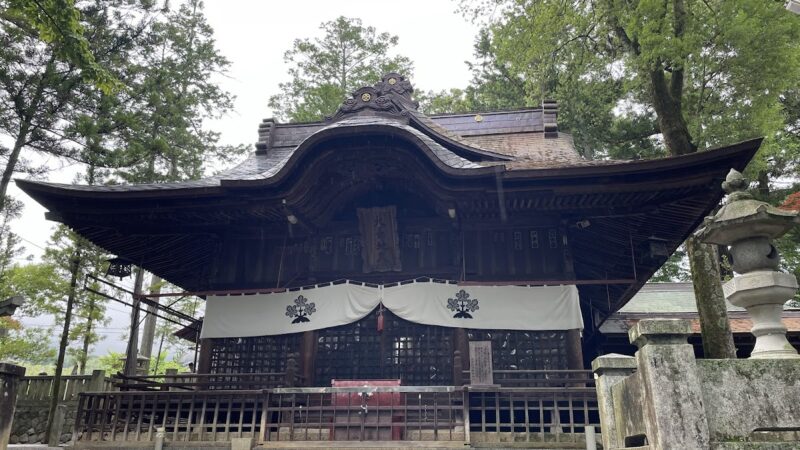
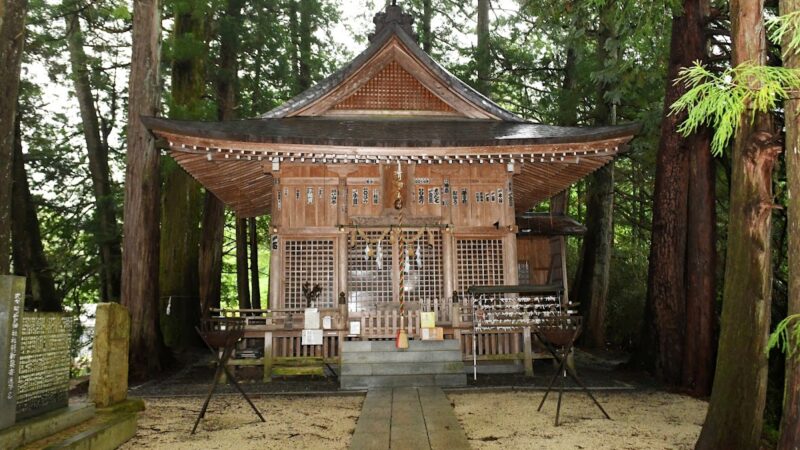
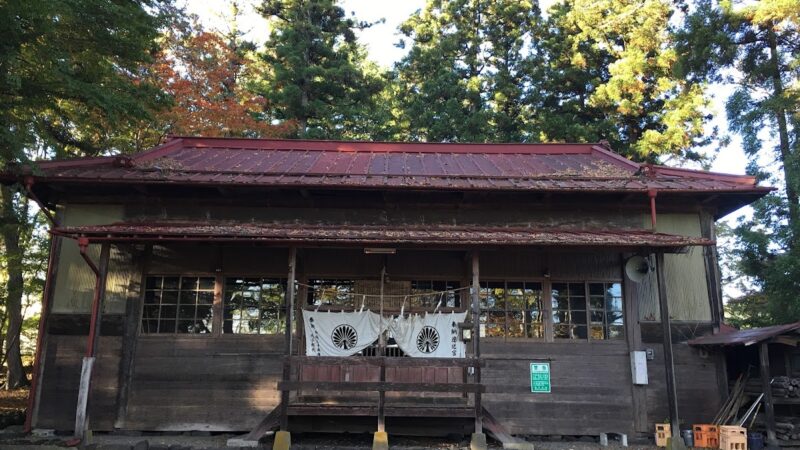
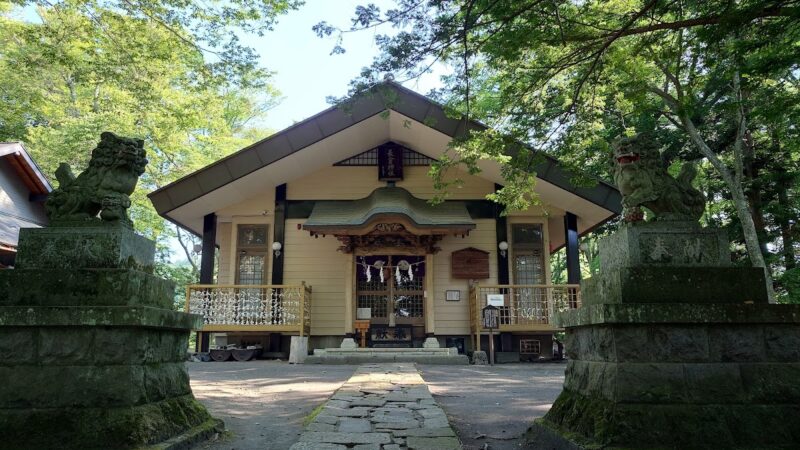
The shrine buildings of Enkinmiya Shrine are believed to follow the traditional architectural style of the region. While not large in scale, their appearance reflects a history of being carefully maintained by the faith of the local people.
Basic shrine facilities such as the main hall, worship hall, and torii gate are in place, ensuring a space where worshippers can properly face the deities.
Seasonal Expressions
Karuizawa is located on a plateau at an altitude of approximately 1,000 meters, and is a region with vivid seasonal changes. The grounds of Enkinmiya Shrine also offer different expressions depending on the season.
Spring: New green leaves sprout, and the trees on the grounds display a vibrant display of life. Spring in Karuizawa arrives late, with the most beautiful season being from May to June.
Summer: As befits the summer resort of Karuizawa, you can worship in cool and refreshing air. The grounds, enveloped in deep green, allow you to forget the heat of the city.
Autumn: During the autumn foliage season, the trees on the temple grounds turn red and yellow, creating a beautiful landscape. The best time to see the autumn leaves in Karuizawa is from mid-October to early November.
Winter: Covered in snow, the temple grounds become a sacred space enveloped in silence. Winters in Karuizawa are harsh, and snowfall is heavy, so sufficient preparation is necessary for winter visits.
How to Visit and Etiquette
Basic Worship Etiquette
When visiting Enkinmiya Shrine, follow the general etiquette for visiting a shrine:
- Bow before passing through the torii gate: Bow respectfully before entering the sacred area.
- Walk along the edge of the path: The center of the path is considered the path of the gods, so walk along the edge.
- Purify yourself at the water basin: If there is a water basin, purify your hands and mouth.
- Worship in front of the main hall: Worship using the two bows, two claps, and one bow method.
- Bow upon leaving: Before leaving the torii gate, turn around and bow.
Points to Note When Visiting
- Maintain silence: As it is a small shrine located in a residential area, refrain from loud conversations.
- Photography: Photography is generally permitted within the shrine grounds, but be discreet in sacred areas such as the main hall.
- Please take your trash with you: To maintain the cleanliness of the temple grounds, please be sure to take your trash with you.
- Check parking: Please check in advance whether there is a dedicated parking lot and avoid parking on the street.
Access Information | How to get to Enkinmiya Shrine
Location
Address: 4751 Higashiyashiki, Nagakura, Karuizawa-machi, Kita-Saku-gun, Nagano Prefecture 389-0111
Access by Train and Bus
Nearest Station: Shinano Railway “Naka-Karuizawa Station”
It takes approximately 20-30 minutes to walk from Naka-Karuizawa Station to Enkinmiya Shrine. You can enjoy the nature of Karuizawa while walking, but there are some slopes, so those who are not confident in their physical strength should consider taking a taxi.
If you take a taxi, it will take approximately 5-10 minutes from Naka-Karuizawa Station, and the fare will be approximately 1,000-1,500 yen.
Access by Car
From Usui-Karuizawa IC on the Joshinetsu Expressway: Approximately 15-20 minutes
During peak tourist season, traffic congestion can occur within Karuizawa town, so it is recommended to allow ample time for travel.
Car Navigation Settings: Search using the address “4751 Nagakura, Karuizawa-machi, Kita-Saku-gun, Nagano Prefecture” or the facility name “Enkinmiya.” However, as it is a small shrine, it may not be registered in your car navigation system. In that case, please refer to nearby landmarks.
Parking
As Enkinmiya is a small shrine, there may not be a dedicated parking lot. When visiting, it is recommended to use public transportation or nearby paid parking lots to avoid disturbing the neighbors.
About the Nagakura Area of Karuizawa Town
History and Characteristics of the Nagakura Area
The Nagakura area, where Enkinmiya is located, is known as a relatively quiet residential area within Karuizawa town. Unlike the bustling tourist area around Karuizawa Station, this area is home to many people who live in a tranquil atmosphere.
The Nagakura district has a long history of agriculture, and some parts of it still retain their rural landscape. While it developed as a resort area alongside Karuizawa’s growth since the Meiji era, many residents cherish the area’s history and traditions, and local shrines like the Enkinmiya Shrine have been carefully preserved.
Nearby Attractions
When visiting Enkinmiya Shrine, you can also visit other Karuizawa tourist spots:
Harunire Terrace: A shopping and restaurant area near Naka-Karuizawa Station. Enjoy dining and shopping in a beautiful space harmoniously integrated with nature.
Hoshino Onsen Tonbo-no-Yu: A day-trip hot spring facility. Perfect for relaxing after visiting the shrine.
Karuizawa Wild Bird Forest: A nature-rich area where you can enjoy bird watching. Enjoy the changing seasons.
Old Karuizawa Ginza: A representative tourist area of Karuizawa. Enjoy shopping and dining.
Nationwide “Enkinmiya” Data
Distribution of Enkinmiya Shrines Nationwide
According to surveys by the Association of Shinto Shrines and various shrine databases, there is only one shrine in Japan with the name “Enkinmiya” (遠近宮), located in Karuizawa-machi, Kita-Saku-gun, Nagano Prefecture. While there are said to be over 80,000 shrines nationwide, this shrine is extremely rare and valuable as the only one with the name “Enkinmiya.”
Shrines with Similar Names
While the name “Enkinmiya” is extremely rare, other shrines also contain the characters “En” (遠) and “Kin” (近):
- Oguni Shrine, Ichinomiya of Tōtōmi Province (Shizuoka Prefecture): An ancient shrine known as the Ichinomiya of “Tōtōmi Province”
- Ōmi Jingū Shrine (Shiga Prefecture): A representative shrine of “Ōmi Province”
These shrines also contain the characters “En” (遠) and “Kin” (近), but their origins are derived from old provincial names and differ from those of “Enkinmiya.”
Recommended Visiting Times and Seasons
Visiting Throughout the Year
Enkinmiya Shrine is open for worship throughout the year. As it is a small shrine, it is relatively quiet except on specific festival days.
Recommended Visiting Times
Spring to Autumn (May to October): Karuizawa is known as a summer resort, and this is the most comfortable time to visit. Especially in May-June with its fresh greenery and October-November with its autumn foliage, you can enjoy the beautiful natural scenery while visiting.
Winter (November to April): Winter in Karuizawa is harsh, with heavy snowfall, so warm clothing and preparation for snowy paths are necessary for visiting. However, a tranquil visit amidst a snowy landscape is a special experience.
Festivals and Annual Events
As the guardian shrine of the region, annual events such as the Grand Festival may be held. However, it is recommended to check local information in advance for specific dates. As it is a small shrine, it is likely that quiet rituals by local residents are the focus, rather than large-scale festivals.
Guidelines for Visiting Enkinmiya Shrine
Manners for Visiting Small Shrines
When visiting a small local shrine like Enkinmiya, please pay particular attention to the following points:
- Consideration for Local Residents: As it is located in a residential area, please be mindful not to disturb nearby residents with noise or illegal parking.
- Presence of a Shrine Office: There may not be a permanent priest. If you wish to receive a Goshuin (shrine stamp) or other items, please check in advance.
- Maintenance of the Shrine Grounds: As it is likely maintained by local parishioners, please keep the grounds clean and treat the facilities with care.
- Photography: If posting on social media, please be considerate of the privacy of local residents.
Significance of Visiting
Visiting Enkinmiya, the only shrine of its kind in Japan, is a rare experience and a valuable opportunity to connect with the history and faith of the region. Unlike large, famous shrines, you can experience a simple, locally rooted form of faith.
Despite being in the tourist destination of Karuizawa, the quiet, unspoiled shrine offers a peaceful escape from the hustle and bustle of everyday life.
Other Shrines and Temples in Karuizawa
After visiting Enkinmiya Shrine, why not visit other shrines and temples in Karuizawa town?
Kumano Kōtaijinja Shrine
Located on the border between Nagano and Gunma prefectures, the main shrine is on the Nagano side, and the new shrine is on the Gunma side. It is one of Karuizawa’s representative shrines and is known for its blessings in matchmaking.
Suwa Shrine (Karuizawa Town)
There are several Suwa Shrines in Karuizawa town, worshipped as local guardian shrines. Suwa faith is deeply rooted in Nagano prefecture, and its tradition is preserved in Karuizawa as well.
Karuizawa Shaw Memorial Chapel
While not a shrine, it is an important religious facility in the history of Karuizawa. This church was built in memory of Canadian missionary Alexander Croft Shaw and played a significant role in the development of Karuizawa as a summer resort.
Summary | The Value of Visiting Enkinmiya Shrine
Enkinmiya Shrine is a rare shrine, the only one of its kind in Japan, making it a special place of value for shrine enthusiasts and history buffs. Despite being located in the popular tourist destination of Karuizawa, this shrine has quietly preserved local faith, making it a valuable example of regional Japanese belief.
When visiting Karuizawa, be sure to visit not only the famous tourist spots but also these small, locally rooted shrines. There, you’ll find a simple and warm form of faith that differs from that of large shrines.
Visiting Enkinmiya Shrine is not just sightseeing; it’s a valuable experience that allows you to connect with Japanese regional culture and history. By spending time quietly praying while feeling the nature and history of Karuizawa, you’ll gain a sense of peace and insight that you wouldn’t find in everyday life.