Complete Guide to Ouboshi Shrine (Ueda City, Nagano Prefecture) | Goshuin (Shrine Seal), Access, History, and the Guardian Shrine of Ueda at the Foot of Mt. Taro
Ouboshi Shrine, located in Chuo-Kita, Ueda City, Nagano Prefecture, is a historic shrine situated at the southern foot of Mt. Taro and has long been cherished by the local people as the guardian shrine of Ueda. During the Meiji period, it was known as “Ueda Shrine” and is recognized as an important shrine located northeast of Ueda Castle.
This article provides detailed information you should know before visiting Ouboshi Shrine, including its history, enshrined deities, goshuin (shrine seal), access methods, and highlights.
Basic Information about Ōboshi Shrine
Official Name: Ōboshi Shrine
Address: 3-4-1 Chūō-kita, Ueda City, Nagano Prefecture 386-0011
Phone Number: 0268-22-2266
Nearest Station: Approximately 2km north of Ueda Station (approximately 23 minutes on foot)
Parking: Available (parking lot for visitors on the shrine grounds)
Shrine Rank: Former Village Shrine
Ōboshi Shrine is located at the southern foot of Mt. Tarō, a symbol of Ueda City, and is situated northeast of Ueda Castle. It is affectionately known as “Ōboshi-san” in the region and attracts many visitors for various events such as New Year’s visits, Shichi-Go-San (a traditional Japanese rite of passage for children), and exorcisms.
Deities Enshrined at Ōboshi Shrine
Three deities are enshrined at Ōboshi Shrine.
Takeminakata-tomi-no-mikoto
This is another name for Takeminakata-no-kami, also known as the principal deity of Suwa Grand Shrine. Appearing in the Izumo land transfer myth, he is a god of great military prowess, a son of Okuninushi-no-kami. His worship spread widely from the Suwa region throughout Shinano Province, and he has been revered as a god of war and military service.
Sakiyasakatome-no-mikoto
She is the consort of Takeminakata-no-mikoto and the principal deity of the Lower Shrine of Suwa Grand Shrine. The “Saki” in her name can also be written as “Saki,” and is believed to come from a place name related to the cape of Lake Suwa. As a goddess, she is believed to bestow divine blessings for safe childbirth, child-rearing, and matchmaking.
Kotoshironushi-no-mikoto
A son of Okuninushi-no-kami, he played a crucial role in the land transfer myth. Often identified with Ebisu, he is worshipped as the god of business prosperity, maritime safety, and abundant fishing. Known as a god of oracles, it has been revered as a deity that conveys divine will.
History and Origins of Oohoshi Shrine
Origin of Founding
The exact founding date of Oohoshi Shrine is unclear, but it is said to have been located in this area since ancient times. According to shrine tradition, it began when villagers built a shrine here to enshrine the keyhole-shaped burial mound located northeast of the shrine.
This keyhole-shaped burial mound is a relic from the Kofun period, indicating that this area was an important region from ancient times. It is believed that the shrine was founded to enshrine the ancestral spirits and local deities enshrined there, considering the burial mound sacred. It is a valuable example that conveys the original form of Japanese shrine worship.
As the Guardian Shrine of Ueda
Oohoshi Shrine has long been revered by local residents as the guardian shrine of the Ueda region. Located northeast of Ueda Castle, it was also considered important as the guardian deity of the castle town and was revered by successive feudal lords.
Ueda Castle was built by Sanada Masayuki, and it is believed that Oohoshi Shrine was recognized as an important shrine in Ueda at that time. Throughout the Edo period, it received protection from successive lords of the Ueda domain and functioned as a spiritual center for the region.
Ueda Shrine in the Meiji Period
During the Meiji era’s policy of separating Shinto and Buddhism and consolidating shrines, Oohoshi Shrine was temporarily renamed “Ueda Shrine”. This was to clearly establish its position as a representative shrine of the Ueda region.
Under the modern shrine ranking system of the Meiji period, it was ranked as a village shrine and officially recognized as a central shrine in the region. Later, the name reverted to “Oohoshi Shrine,” but its role as the guardian shrine of Ueda remains unchanged to this day.
Origin of the Name of Oohoshi Shrine
There are several theories regarding the origin of the name “Oohoshi,” but the most plausible one is that it is related to star worship.
In ancient times, stars were considered important as guides for navigation and agriculture, and were also objects of worship due to their mystical nature as celestial bodies. The North Star and the morning star (Venus), in particular, were revered as reference points for direction and time.
Ooboshi Shrine is located at the foot of Mount Taro, a location well-suited for astronomical observation. One theory suggests that it was founded by ancient people to observe the stars and worship their mystical power. Another interpretation is that “Ooboshi” means “great star,” referring to the sun, and a connection to the winter solstice sunrise (discussed later) has been pointed out.
The name is pronounced “Ouboshi” or “Ooboshi,” but locally it is commonly called “Ouboshi Jinja.”
Highlights of the Shrine Grounds
Shrine Buildings and Architecture
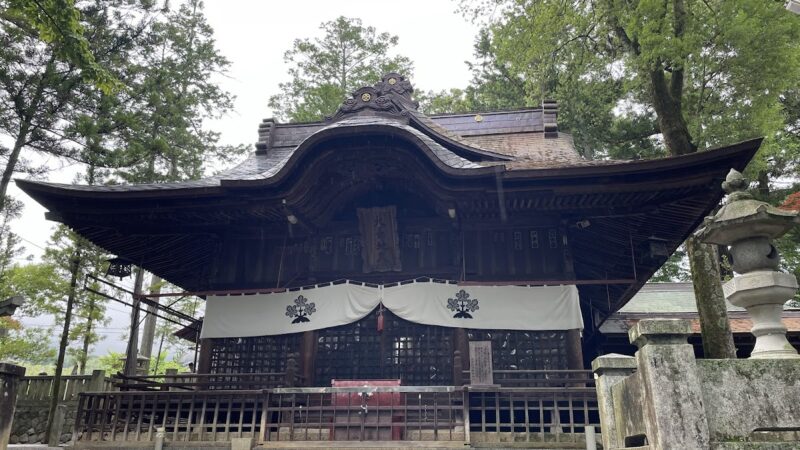
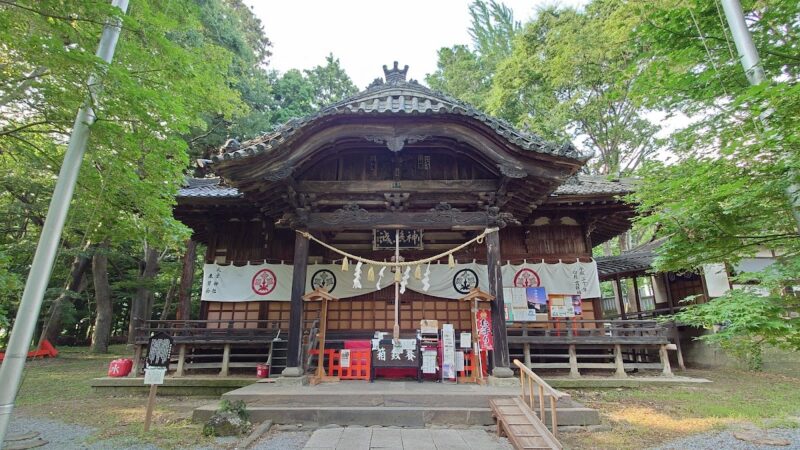
Ooboshi Shrine’s buildings, while adhering to traditional shrine architectural styles, also reflect regional characteristics. The main hall is protected by a protective structure, and worship is conducted from the worship hall.
The shrine grounds, situated at the foot of Mount Taro, take advantage of the rich natural environment, with the shrine buildings nestled within. Ancient trees flourish within the grounds, creating a solemn atmosphere befitting a sacred place.
The Sunrise on the Winter Solstice
One of the greatest highlights of Oohoshi Shrine is the sunrise on the winter solstice. On the morning of the winter solstice, one can observe the extremely rare phenomenon of the sun rising directly from the center of the torii gate.
This suggests that the shrine’s torii gate was built in an astronomically calculated direction, demonstrating the advanced astronomical knowledge of ancient people. The winter solstice is considered the day with the shortest daylight hours and the weakest sun. Since this day marks the resurgence of the sun’s power, it has been an important milestone for religious ceremonies since ancient times.
Witnessing the sunrise from the torii gate of Oohoshi Shrine on the winter solstice is considered a sacred experience celebrating the sun’s rebirth and receiving new life force. In recent years, it has become known among photography enthusiasts and shrine fans, and many worshippers visit on the early morning of the winter solstice.
Relationship with Mt. Taro
Mt. Taro (elevation 1,164m), towering behind Oohoshi Shrine, is a symbolic landmark of Ueda City. It has been an object of worship since ancient times and has been revered as a sacred mountain of mountain worship.
Oohoshi Shrine is located at the southern foot of Mt. Taro, and it is believed that the shrine revered Mt. Taro as its sacred mountain. This form of worship, where the mountain and the shrine are integrated, is a typical example of Japanese mountain worship, and Oohoshi Shrine continues this tradition.
There are several hiking trails to Mt. Taro, but there is also a route from Oohoshi Shrine, allowing visitors to combine worship with hiking. From the summit, you can enjoy a panoramic view of Ueda city and the Zenkoji Plain, and on a clear day, you can even see the Northern Alps.
Subsidiary Shrines
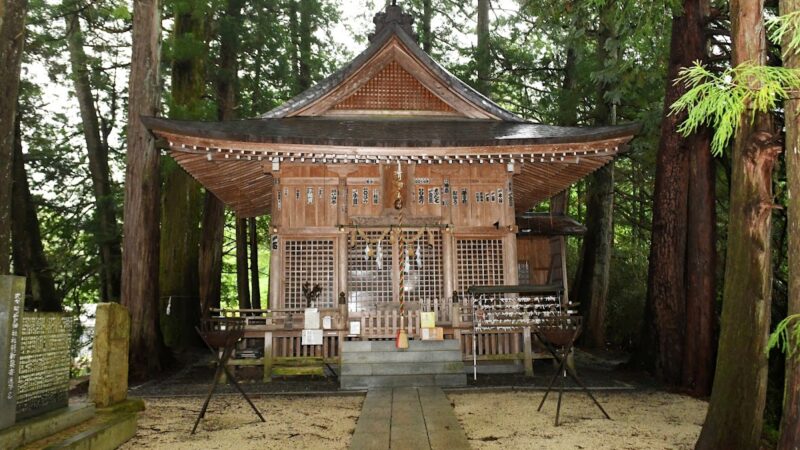
In addition to the main shrine, several subsidiary shrines are enshrined within the grounds of Oohoshi Shrine. These small shrines also attract local devotion, and each is believed to possess its own unique divine virtues.
When touring the shrine grounds, visiting these smaller shrines will allow you to have a deeper religious experience.
About Goshuin (Shrine Seals)
Issuance of Goshuin
Oohoshi Shrine offers goshuin to visitors. Goshuin are popular among many visitors as proof of worship and as a tangible representation of one’s connection with the shrine.
Goshuin Issuance Hours: Generally from 9:00 AM to around 4:00 PM
Offering Fee: Approximately 300-500 yen (at your discretion)
Location: At the shrine office
The goshuin will have the words “Oohoshi Shrine” written in ink and stamped with the shrine’s seal. The calligraphy style may vary depending on the writer, giving each one its own unique charm.
Precautions When Receiving a Goshuin
Since the goshuin is proof of worship, it is proper etiquette to visit the shrine office only after completing your prayers. Also, the shrine office may be unattended, so if you want to be sure to receive a goshuin (shrine stamp), it is recommended to call ahead to confirm.
While it is generally best to bring your own goshuincho (stamp book), pre-printed goshuin may also be available. Please be polite and express your gratitude when receiving the stamp.
Access Methods
Access by Train
Walking from JR Ueda Station
It’s about 2km north from Ueda Station, approximately a 23-minute walk. Exit the station and head north, passing the Ueda Castle ruins and proceeding towards Taroyama. There are signs along the way, but for first-timers, using a map app is convenient.
By Taxi
It’s about a 7-8 minute taxi ride from Ueda Station, costing around 1,000 yen.
By Bus
You can also take a bus from Ueda Station, but the number of services is limited, so it is recommended to check the timetable in advance. It’s a few minutes’ walk from the nearest bus stop.
Access by Car
From the Joshinetsu Expressway
- Approximately 15 minutes from Ueda Sugadaira IC
- Approximately 20 minutes from Tobu Yunomaru IC
Car Navigation Setting
You can search using the address “3-4-1 Chuo Kita, Ueda City, Nagano Prefecture” or the phone number “0268-22-2266”.
Parking
There is a free parking lot for visitors on the shrine grounds. Since the number of spaces is limited, please consider using nearby paid parking lots during busy periods such as New Year’s Day and the annual festival.
Annual Events and Festivals
Annual Festival
Oohoshi Shrine holds various festivals throughout the year. The most important festival is the annual festival, where local people gather and celebrate grandly. It includes a portable shrine procession and devotional performances, providing an opportunity to deepen the bonds of the local community.
New Year’s Visit
Many visitors come for their first shrine visit of the new year. The shrine is especially crowded from New Year’s Day through the third day, bustling with people praying for family safety, business prosperity, academic success, and more.
Shichi-Go-San (7-5-3 Festival)
In autumn, many families visit for Shichi-Go-San, and the shrine grounds are vibrant with families praying for the healthy growth of their children.
Exorcism and Prayers
Prayers for exorcism during unlucky years, safe childbirth, and traffic safety are accepted at any time. It is recommended to contact the shrine office in advance to make a reservation.
Nearby Tourist Attractions
Ueda Castle Ruins Park
Located about a 15-minute walk south of Oohoshi Shrine, Ueda Castle Ruins is a famous castle built by Sanada Masayuki. It boasts many points of interest, including the Sanada Stone and the turret gate, and is also known as a cherry blossom viewing spot in spring. Sanada Shrine is also located within Ueda Castle Ruins Park, and visiting both is recommended.
Mount Taro
Mount Taro, towering behind Ohoshi Shrine, is ideal for mountain climbing and hiking. Multiple hiking trails are available, suitable for beginners to advanced hikers. The view from the summit is magnificent, offering a panoramic view of Ueda city.
Bessho Onsen
Located in the southern part of Ueda city, Bessho Onsen is known as the oldest hot spring in Shinshu (Nagano Prefecture). After visiting Ohoshi Shrine, it’s a good idea to relax and soothe your fatigue in the hot springs. Historical temples such as Kitamuki Kannon and Anrakuji are also scattered throughout the area.
Shinano Kokubunji Temple
Within Ueda city are the ruins of Shinano Kokubunji Temple, built during the Nara period, and a reconstruction of the temple is currently underway. This is a particularly recommended spot for history buffs.
Manners and Points for Visiting Shrines
Basic Visiting Etiquette
- Bow Before Passing Through the Torii Gate
Bow before entering the sacred area, before the torii gate.
- Purifying at the Water Basin
Purify your hands and mouth at the water basin. Hold the ladle in your right hand and purify your left hand, then hold the ladle in your left hand and purify your right hand. Switch the ladle back to your right hand, receive water in your left hand, rinse your mouth, and finally hold the ladle upright to purify the handle.
- Walk on the Edge of the Path
The center of the path is considered the path of the gods, so it is polite to walk on the edge.
- Worship at the Main Hall
Worship using the two bows, two claps, one bow (two bows, two claps, one bow) method. Place your offering, ring the bell if there is one, bow deeply twice, clap twice, and finally bow deeply once.
Regarding Photography
Photography is generally permitted within the shrine grounds, but please refrain from taking pictures inside the shrine buildings or during religious ceremonies. Also, please be considerate of other worshippers. When photographing special moments such as the sunrise on the winter solstice, please be quiet and respectful of proper etiquette.
Attire
Everyday clothes are fine, but it is best to avoid overly casual or revealing clothing. Especially if you are receiving prayers, please dress appropriately.
Divine Virtues of Oohoshi Shrine
The three deities enshrined at Oohoshi Shrine are believed to bestow the following divine virtues:
- Long-lasting military fortune and success in competitions: Due to the nature of Takeminakata-no-Mikoto as a god of war
- Family safety and marital harmony: Due to the divine couple Takeminakata-no-Mikoto and Mae-Yasakatome-no-Mikoto
- Safe childbirth and child-rearing: Due to the nature of Mae-Yasakatome-no-Mikoto as a goddess
- Business prosperity and success: Due to the nature of Kotoshironushi-no-Mikoto as Ebisu
- Good fortune and protection from evil: As a general divine virtue
It is said to be beneficial to visit the shrine at important life milestones or when starting something new. ## Summary: A Recommendation to Visit Oohoshi Shrine
Oohoshi Shrine is a historic shrine located at the southern foot of Mt. Taro in Ueda City, Nagano Prefecture. Deeply connected to the Suwa faith, it has been cherished by the local people as the guardian shrine of Ueda, enshrining Takeminakata-no-Mikoto as its main deity.
The shrine possesses many attractions, including the mystical phenomenon of the sunrise over the torii gate on the winter solstice, its deep connection to Mt. Taro, and its history, possibly dating back to the Kofun period.
Visiting it in conjunction with nearby tourist spots such as Ueda Castle and Bessho Onsen will allow you to gain a deeper understanding of Ueda’s history and culture. Its convenient location, within walking distance of Ueda Station, is another attractive feature.
When visiting Shinshu Ueda, why not pay your respects to the guardian deity of Ueda at Oohoshi Shrine? Receiving a Goshuin (shrine stamp) is also a wonderful memento. At the foot of Mt. Taro, you can calm your mind in the quietly flowing time and feel the sacred atmosphere away from the hustle and bustle of everyday life.