Inari Shrine (Kanae Nagokuma, Iida City, Nagano Prefecture) Complete Guide | History, Goshuin (Shrine Seal), and Access Information
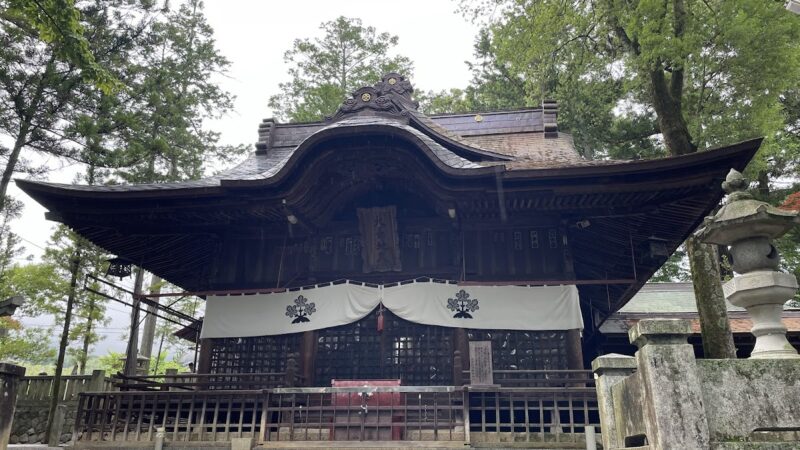
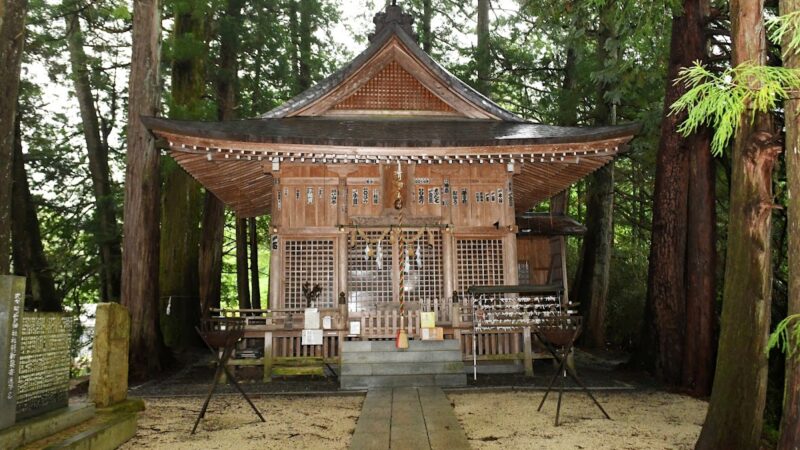
Located in Kanae Nagokuma, Iida City, Nagano Prefecture, Inari Shrine is a historic shrine cherished by the local community. This article provides detailed information about Inari Shrine, from its basic information and history to how to worship and surrounding area information—everything you need to know before visiting.
Basic Information about Inari Shrine
Address, Postal Code, and Pronunciation
Official Address: 1132-2 Kanae-nagokuma, Iida City, Nagano Prefecture 395-0804
Pronunciation:
- Japanese: Nagano-ken Iida Kanae-nagokuma
- English: Kanae-nagokuma, Iida, Nagano 395-0804 Japan
Corporate Number: 9100005009646 (Date of Corporate Number Assignment: October 5, 2015)
This Inari Shrine, located in the Kanae district of Iida City, is situated in a place called “Kanae-nagokuma.” “Kanae” is a well-known regional name in Iida City, and is a historical place name derived from a former village name.
Map and Access
Access to Inari Shrine is as follows:
Access by Train:
- Approximately 15 minutes on foot from JR Iida Line “Kaname Station”
- Approximately 10 minutes by taxi from JR Iida Line “Iida Station”
Access by Car:
- Approximately 10 minutes from Chuo Expressway “Iida IC”
- Approximately 15 minutes from San’en-Nanshin Expressway “Tenryukyo IC”
Parking: There may be parking spaces for visitors around the shrine, but it is recommended to check in advance.
History and Origins of Inari Shrines
Background of Inari Faith
Inari shrines are said to number approximately 30,000 nationwide, making them the most numerous type of shrine in Japan. Several Inari shrines exist within Iida City, Nagano Prefecture, and the Inari Shrine in Kaname Nagokuma is one of them, attracting local devotion.
Inari faith originally began as a belief in the god of agriculture, particularly in praying for a bountiful rice harvest. Over time, the shrine has come to be widely worshipped as a deity of business prosperity, family safety, and industrial development, and is beloved by a wide range of people, from commoners to merchants.
Historical Background of the Kanae District, Iida City
The Kanae district was formerly an independent municipality called Kanae Village, but was incorporated into Iida City in 1937. The place name Nagokuma has been rooted in this region since ancient times, and it has a history of being a settlement centered on agriculture.
The Inari Shrine has played an important role in the development of this region, serving as a guardian deity of agriculture and a spiritual center for the local community.
Deities and Divine Blessings
Deities
The main deities enshrined at Inari shrines are generally the following:
- Ukanomitama-no-kami: The deity who presides over grains and food
- Ukanomitama-no-mikoto: Another name for Inari-no-kami
Divine Blessings (Benefits)
The main divine blessings believed to be bestowed at Inari shrines are as follows:
- Abundant Harvest: Praying for a bountiful harvest
- Business Prosperity: Development of business and success in commerce
- Family Safety: Health and peaceful living for the family
- Industrial Development: Promotion of local industries
- Good Fortune and Prosperity: Improvement of luck and attracting good fortune
How to Worship and Manners
Basic Worship Etiquette
Here are the basic manners for worshipping at an Inari shrine.
Procedure for Worship:
- Bow before passing through the torii gate: As a sign of respect before entering the sacred area.
- Purify yourself at the water basin:
- Hold the ladle in your right hand and purify your left hand.
- Switch the ladle to your left hand and purify your right hand.
- Switch the ladle back to your right hand, receive water in your left hand, and rinse your mouth.
- Finally, hold the ladle upright and purify the handle.
- Mannerisms in front of the main hall:
- Quietly place your offering in the offering box.
- Ring the bell if there is one.
- Two bows, two claps, one bow (two bows, two claps, one bow).
- Upon leaving: After leaving the torii gate, turn around and bow.
Points to note when visiting a shrine
- Shrines are sacred places, so please worship in silence.
- Even if photography is permitted, please be considerate of other worshippers.
- Please note that regulations regarding bringing pets to shrines may vary depending on the shrine.
Inari Shrines around Iida City
Differences from Fujisan Inari Shrine
In addition to the Kanae Nagokuma Inari Shrine, Iida City also has a famous Inari Shrine called Fujisan Inari Shrine.
Fujisan Inari Shrine is a shrine located at Hamaiba (Hama-iba), the northeast (demon’s gate) of Iida Castle, and is the guardian deity of Shinshu Iida. It has the following characteristics:
- Location: Located in a different location within Iida City
- Characteristics: Famous as a deity of exorcism, protection from disaster, and traffic safety
- Goshuin: Offers Goshuin (stamps) and amulets with engraved designs
- SNS Activity: Actively disseminates information on X (formerly Twitter)
The Kanae Nagokuma Inari Shrine is characterized by its more community-oriented nature, attracting the faith of local people.
Inari Shrines in Nagano Prefecture
Numerous Inari shrines exist in Nagano Prefecture, each reflecting the history and culture of the region. There are 2,655 shrines named “Inari Shrine” throughout Japan, making it the second most numerous shrine name in the country.
The Charms of the Kanae District in Iida City
Regional Characteristics
The Kanae district is close to the urban area of Iida City and is a mixed area of residential and agricultural land. Located on the river terrace of the Tenryu River, it has the following characteristics:
- Agriculture: Fruit cultivation, such as apples and pears, is thriving.
- Convenient Transportation: The JR Iida Line and national highways pass through, providing good access.
- Historical Background: An old settlement remains.
Nearby Tourist Spots
Nearby spots to visit when you come to Inari Shrine:
- Iida City Center: A collection of shopping streets and restaurants.
- Tenryu Gorge: About 15 minutes by car, famous as a scenic spot.
- Iida Castle Ruins: A place to experience the history of Iida City.
- Apple Orchard: Apple picking is available depending on the season.
- Iida City Museum of Art: A place to learn about local culture and history.
Annual Events and Festivals
Main Festivals of Inari Shrines
Many Inari Shrines hold the following annual events:
Hatsuumasai (First Horse Day Festival):
- Timing: First Horse Day of February
- Content: The most important festival at Inari shrines. Prayers are offered for business prosperity and a bountiful harvest.
Annual Grand Festival:
- Timing: Varies depending on the shrine (often in spring or autumn)
- Content: A grand festival held once a year, where local residents gather.
Niiname-sai (Harvest Festival):
- Timing: Around November 23rd
- Content: A festival to give thanks for the year’s harvest.
Daily Worship
Daily worship is also valued at local Inari shrines. Local residents can be seen visiting during their morning walks, and business owners can be seen regularly paying their respects.
Goshuin (Shrine Seal) and Amulet Information
About Goshuin (Shrine Seals)
Regarding the issuance of Goshuin at the Inari Shrine in Kanae Nagokuma, the procedures may vary depending on the size and management system of the shrine. If you wish to receive a Goshuin (temple/shrine stamp), please note the following:
- We recommend contacting and confirming in advance.
- The shrine may be unattended or unattended.
- The nearby Fujisan Inari Shrine offers Goshuin-inscribed amulets and other items.
Amulets and Items Offered
The following are some of the amulets commonly offered at Inari shrines:
- Business Prosperity Amulet: To pray for the development of your business.
- Family Safety Amulet: To pray for the health and peace of your family.
- Good Fortune Amulet: To pray for improved luck.
- Academic Success Amulet: To pray for academic improvement.
Recommended Time to Visit
Seasonal Charms
Spring (March-May):
- The surrounding nature is beautiful during cherry blossom season.
- The climate is mild and ideal for visiting.
Summer (June-August):
- The greenery is lush, and you can feel the refreshing air.
- Early morning or evening visits are recommended.
Autumn (September-November):
- Enjoy the autumn foliage and surrounding scenery.
- Harvest festivals such as Niiname-sai are held.
Winter (December-February):
- Time for Hatsumode (first shrine visit of the year) and Hatsuumasai (first horse festival).
- Visiting amidst a snowy landscape is also charming.
Particularly Recommended Times
- Hatsumode (January 1st-3rd): Make your New Year’s wishes.
- Hatsuumasai (First Horse Day in February): The most important day at Inari shrines.
- Autumn Harvest Season (October-November): A time to give thanks for a bountiful harvest.
Local Information for Iida City
Overview of Iida City
Iida City is located in the southern part of Nagano Prefecture and has the following characteristics:
- Population: Approximately 100,000
- Area: Approximately 658 square kilometers
- Local Products: Apples, Ichida Persimmons, Yakiniku (Japanese BBQ) Culture
- Tourism: Tenryukyo Gorge, Toyama Village, Puppet Show Festival
Access Point to the Kanae Area
Iida City Hall:
- Address: 2534 Okubo-cho, Iida City, Nagano Prefecture 395-0053
- Telephone inquiries are also possible
Hello Work Iida:
- Address: 2637-3 Okubo-cho, Iida City, Nagano Prefecture 395-0053
- Reference Information for Nearby Facilities
Practical Information for Visiting the Shrine
Clothing and Items to Bring
Clothing:
- There are no specific dress code requirements for visiting the shrine, but clean and neat attire is desirable.
- Don’t forget a hat or parasol in summer, and warm clothing in winter.
- Comfortable walking shoes are recommended.
Items to Bring:
- Small change for offerings
- Goshuincho (stamp book) (if you wish to receive a Goshuin stamp)
- Camera (if photography is permitted)
- Drinks (especially in summer)
Surrounding Facilities
The following facilities are located around the shrine:
- Convenience Stores: Several within walking distance
- Restaurants: Numerous in Iida city center
- Accommodation: Hotels and inns scattered throughout Iida city
Connection to the Community
Center of the Local Community
Inari Shrine is not merely a religious facility; it has functioned as an important hub for the local community.
- Gatherings during festivals: An opportunity for local residents to gather.
- Cleaning activities: Maintenance and management of the shrine grounds by local residents.
- Passing on tradition: Transmission of culture through festivals.
Role in modern times
Even in modern times, Inari shrines play the following roles:
- Spiritual support: A source of spiritual support in daily life.
- Community bonds: A place to deepen connections among residents.
- Tourism resource: Conveying the history and culture of the region.
Summary
Located in Kanae Nagokuma, Iida City, Nagano Prefecture, the Inari Shrine is a historical shrine deeply rooted in the community. As one of the many Inari shrines throughout Japan, it has been cherished by local people for its divine blessings of abundant harvests, business prosperity, and family safety.
When visiting Iida City, why not stop by this Inari Shrine and spend some quiet time there? It will be a valuable opportunity to experience the history and culture of the region and find peace of mind.
When visiting the shrine, please observe basic manners, be mindful that it is a sacred place, and offer your prayers with reverence. Enjoying the surrounding tourist attractions and the charms of Iida City will also make your trip more fulfilling.
We sincerely look forward to your visit to Inari Shrine (1132-2 Kanae Nagokuma, Iida City, Nagano Prefecture).