Benten Itsukushima Shrine (Nagano Prefecture) Complete Guide | History, Benefits, and Access Information
Nagano Prefecture boasts numerous shrines and temples, but among them, Benten Itsukushima Shrine is a special place that has long been revered as a deity of water. This article provides a detailed explanation of everything you need to know before visiting Benten Itsukushima Shrine, including its history, benefits, worship methods, and access information.
What is Benten Itsukushima Shrine?
Benten Itsukushima Shrine is sometimes used as a general term for shrines dedicated to Benzaiten (Benten-sama) scattered throughout Nagano Prefecture. Itsukushima Shrine, located on Miyajima Island in Hiroshima Prefecture and known as one of Japan’s three most scenic spots, has its head shrine and branch shrines throughout Japan.
In Nagano Prefecture, small shrines dedicated to Benzaiten are built in various locations along waterways and ponds, and are affectionately known as “Benten-sama” by the local people. These shrines are worshipped as the goddess of water, performing arts, and wealth, and have been cherished as guardian deities of the region.
Background of Benzaiten Worship
Benzaiten is believed to have originated from Saraswati, the Indian goddess of rivers. After being introduced to Japan, it merged with Japanese Shintoism through the syncretism of Shinto and Buddhism. Because the sound of flowing water is associated with music, she was also worshipped as the goddess of performing arts. Furthermore, as the name “Benzaiten” (弁才天) came to be written as “Benzaiten” (弁財天), she also acquired the characteristics of a goddess of wealth and fortune.
Major Benzaiten Itsukushima Shrines in Nagano Prefecture
There are several shrines dedicated to Benzaiten in Nagano Prefecture. Here, we introduce some representative locations.
Benzaiten Shrines Around Lake Suwa
Lake Suwa is a representative lake of Nagano Prefecture, and water deity worship has been deeply rooted in its surroundings since ancient times. Small shrines dedicated to Benzaiten are scattered along the lakeshore and related waterways, functioning as places to pray for safety in fishing and water transport.
Benten Shrines Around Zenkoji Temple
There are shrines dedicated to Benzaiten (the goddess of fortune) around the temple town of Zenkoji, attracting the faith of worshippers and local residents. They are known as places visited by people praying for business prosperity and improvement in their artistic skills.
Benten Shrines in Matsumoto City
Small shrines dedicated to Benzaiten can be found around Matsumoto Castle town and on the banks of ponds within the city. These shrines have been cherished as guardian deities of the region, intertwined with the history of the castle town.
History of Benten Itsukushima Shrine
Origin of Founding
Many Benten shrines in Nagano Prefecture were built during the Edo and Meiji periods by influential local figures and devout individuals. A characteristic feature is their construction in water-related locations such as water sources, pond banks, and near rivers.
Water is the source of life and essential for agriculture. Therefore, the worship of Benzaiten, who presides over water, spread naturally, and shrines were built in various locations.
Impact of the Separation of Shinto and Buddhism Order
Due to the Separation of Shinto and Buddhism Order during the Meiji era, many Benzaiten shrines were reorganized as Shinto shrines. Benzaiten was identified with Ichikishima-hime no Mikoto, and they were positioned as branch shrines of Itsukushima Shrine. As a result, many “Benzaiten shrines” became known as “Itsukushima Shrines.”
Up to the Present Day
After the war, changes in local communities made the maintenance and management of small shrines a challenge. However, thanks to the efforts of local residents, many Benzaiten shrines are still carefully preserved today. Regular cleaning and festivals are held, and they function as places that deepen community bonds.
Deities and Benefits
Deities
The main deities enshrined at Benten Itsukushima Shrine are as follows:
- Ichikishima-hime no Mikoto: One of the three Munakata goddesses, revered as the goddess of water and navigation.
- Benzaiten: Still known as Benzaiten today, a remnant of the syncretism of Shinto and Buddhism.
Main Benefits
Benten Itsukushima Shrine is believed to offer the following benefits:
1. Improved Financial Fortune
As the name “Benzaiten” suggests, she is considered the goddess of wealth and fortune, bringing prosperity in business and increased financial luck. Many business owners and those praying for business success visit the shrine.
2. Improvement in Performing Arts and Academics
Also known as the goddess of music, art, and academics, many visitors come to pray for improvement in performing arts and academic success. It is also deeply revered by students preparing for exams, artists, and musicians.
3. Matchmaking and Good Fortune
Due to her image as a beautiful goddess, she is believed to bring blessings for good fortune in relationships and successful love.
4. Protection from Water Disasters and Safe Voyages
As a water deity, she is believed to offer blessings for protection from water disasters, safe voyages, and prosperity in fishing.
5. Protection from Misfortune and Good Fortune
As a deity who wards off misfortune and brings good fortune, she is believed to be effective for protection from misfortune and prayers for good fortune.
Highlights of the Shrine Grounds
Main Hall and Worship Hall
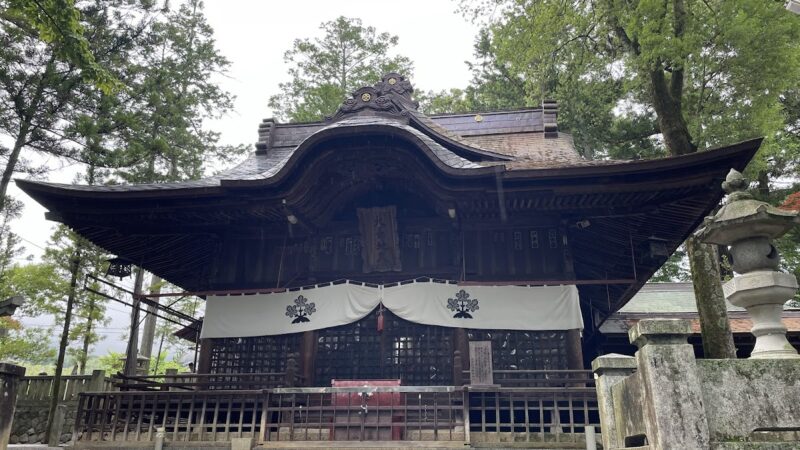
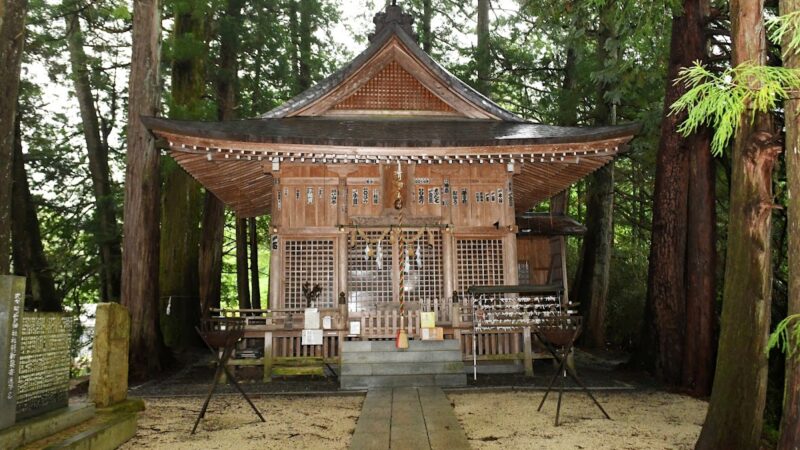
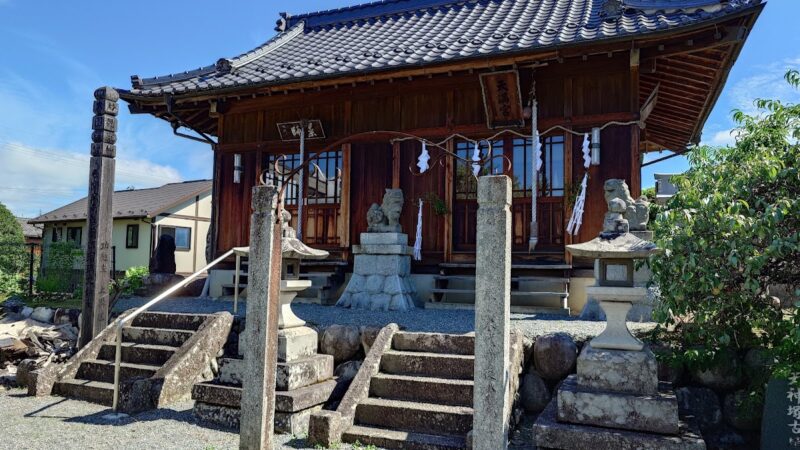
Many Benten shrines, though small, have beautiful vermilion-lacquered shrine buildings that harmonize with the waterside scenery. Architectural styles vary depending on the region and construction period, but they are characterized by a simple yet dignified design.
Benten Pond
Many Benten shrines are built on the shores of ponds or springs, and the waterside is sometimes called “Benten Pond.” Places where pure water springs forth are cherished as sacred spaces.
Stone Monuments and Offerings
Within the temple grounds, you can sometimes find stone monuments and offerings left by successive generations of worshippers. These are valuable historical materials that tell the story of the region.
Seasonal Scenery
You can enjoy the beautiful scenery of each season: cherry blossoms in spring, fresh greenery in summer, autumn leaves in fall, and snowscapes in winter. The scenery around the water, in particular, changes its appearance with the seasons, captivating visitors.
How to Worship and Manners
Basic Worship Etiquette
When visiting Benten Itsukushima Shrine, follow the general etiquette for visiting shrines:
- Bow before passing through the torii gate: Bow lightly before entering the sacred area.
- Purify yourself at the water basin: If there is a water basin, purify your hands and mouth.
- Walk along the edge of the path: The center of the path is considered the path of the gods.
- Etiquette in front of the main hall: Two bows, two claps, and one bow is the basic procedure.
- Bow upon leaving: When leaving, turn around and bow after passing through the torii gate.
Offerings
Traditional offerings to Benzaiten include:
- Sake: A common offering to the gods.
- Rice: Represents a wish for a bountiful harvest.
- Fruit: Offer seasonal fruits.
- Flowers: Offering beautiful flowers pleases the gods.
Attire for Visiting
There are no specific dress code requirements, but clean and modest attire is preferred, as it is a sacred place.
Photography Etiquette
Even if photography is permitted, it is considered good manners to refrain from taking photos inside the main hall, and to avoid disturbing other worshippers.
Annual Events and Festivals
Annual Grand Festival
Many Benzaiten shrines hold an annual grand festival. The timing varies by region, but it is often held from spring to summer. Local residents gather for Shinto rituals and a celebratory feast (naorai).
First Day of the Snake (Hatsumi no Hi)
Benzaiten is deeply associated with the snake (mi), and special worship services are sometimes held on the first day of the snake (hatsumi no hi). The first day of the snake in January is particularly crowded with worshippers.
Water God Festival
As Benzaiten is the god of water, festivals related to water are sometimes held. This is a traditional event to pray for the safety of agricultural water and a bountiful harvest.
Access Information
Since Benten Itsukushima Shrines are scattered throughout Nagano Prefecture, access methods vary depending on the specific location.
General Access Methods
Using Public Transportation
- Walk or take a taxi from the nearest JR station or bus stop.
- Community buses may be available in some areas.
- It is recommended to check the travel time from the nearest station or bus stop in advance.
Using a Car
- Access from the Nagano Expressway or Chuo Expressway is common.
- Searching for “Benten-sha” or “Itsukushima-jinja” on a car navigation system may display multiple options.
- Smaller shrines may not have dedicated parking lots, so use nearby public parking lots or be mindful of street parking etiquette.
Points to Note When Visiting
- Snowfall in Winter: Nagano Prefecture experiences snowfall in winter, so please prepare warm clothing and non-slip shoes if visiting during this time.
- Opening Hours: Smaller shrines are often open year-round, but if there is a shrine office, hours may be limited.
- Goshuin (Shrine Seal): If you wish to receive a Goshuin, it is recommended to check in advance whether it is possible.
Nearby Tourist Attractions
When visiting Benten Itsukushima Shrine, you can also enjoy nearby tourist attractions.
Major Tourist Attractions in Nagano Prefecture
- Zenkoji Temple: A representative ancient temple of Shinshu, its National Treasure main hall is a must-see.
- Suwa Grand Shrine: The oldest shrine in Shinshu, with four shrines located around Lake Suwa.
- Matsumoto Castle: One of the five National Treasure castles, characterized by its beautiful black keep.
- Togakushi Shrine: A shrine consisting of five highly sacred shrines, popular as a power spot.
- Karuizawa: A famous summer resort.
Hot Springs
Nagano Prefecture is also a treasure trove of hot springs:
- Nozawa Onsen: A hot spring town where you can enjoy visiting the public baths.
- Shibu Onsen: A charming hot spring town with nine public baths.
- Bessho Onsen: Known as the oldest hot spring in Shinshu.
- Shirahone Onsen: A secluded hot spring characterized by its milky white water.
The Charm of Benten Itsukushima Shrine
A Faith Rooted in the Community
The greatest charm of Benten Itsukushima Shrine lies in its deep-rooted connection to the local community. Unlike large-scale tourist shrines, it possesses a simple and warm atmosphere, seamlessly integrated into the lives of the local people.
A Healing Space by the Water
Many Benten shrines are built by the water, offering a soothing experience with the sound of flowing water and the scenery of ponds. It’s a precious space to escape the hustle and bustle of the city and enjoy peaceful moments.
Beauty in Every Season
Near the rich natural beauty of Nagano Prefecture, Benten shrines display different expressions in each of the four seasons. From cherry blossoms in spring, lush greenery in summer, vibrant autumn leaves, to snowy winter landscapes, each visit offers new discoveries.
Inheritance of History and Tradition
Despite its small size, it boasts a rich history carefully preserved by the local people, allowing visitors to feel its tradition. The continued form of faith in modern times reflects the cultural richness of Japan.
How to Enjoy Your Visit
Collecting Goshuin (Shrine Seals)
Some shrines offer Goshuin (shrine seals). Bringing a Goshuincho (stamp book) and collecting stamps as a memento of your visit is one of the joys of going to a shrine.
Photography
The waterside scenery and seasonal landscapes are ideal for photography. The light in the early morning and at dusk is particularly beautiful, allowing you to capture a magical atmosphere.
Meditation and Prayer
You can calm your mind in a quiet environment and have time to reflect on yourself. Meditating while listening to the sound of water is effective for refreshing both mind and body.
Experiencing Local Food Culture
It’s also recommended to sample local cuisine and specialties before or after your visit. Nagano Prefecture boasts an abundance of delicious foods such as soba noodles, oyaki (stuffed dumplings), and Nozawana pickles.
Summary
Benten Itsukushima Shrine (Nagano Prefecture) is a special place that has been worshipped since ancient times as the god of water, the god of performing arts, and the god of wealth and fortune. Its charm lies in its simple and warm atmosphere, rooted in the local community, unlike large-scale tourist shrines.
This shrine is believed to offer various blessings, including improved financial fortune, enhanced artistic skills, and good relationships, attracting many worshippers. Located amidst the beautiful natural scenery of Nagano Prefecture, it’s a precious place where you can quietly pray and feel the healing power of the waterside.
When visiting Nagano Prefecture, why not visit not only the major tourist spots but also the beloved Benten Itsukushima Shrine, cherished by the local people? It’s sure to be a memorable and special experience.
Before visiting, it’s recommended to check specific location information, access methods, and visiting hours in advance. Enjoying the beauty of the four seasons while experiencing traditional Japanese religious culture will be a valuable opportunity.