Tenjin Shrine (Iida City, Nagano Prefecture) Complete Guide: History, Goshuin (Shrine Seal), and Access Information
Tenjin Shrine (Tenman Tenjin Shrine), located in Iida City, Nagano Prefecture, is a historic shrine dedicated to Sugawara no Michizane, known as the god of learning. Situated in the heart of Iida City, this shrine, affectionately known as “Tenjin-sama” by the local people, plays an important role as one of the Ten Shrines of Iida. This article provides a detailed overview of Tenjin Shrine, including its history, goshuin information, worship methods, and its relationship to surrounding shrines.
Basic Information on Tenjin Shrine (Tenman Tenjin Shrine)
Tenjin Shrine is officially called “Tenman Tenjin Shrine” and is located at 351-1 Nakanomachi, Iida City, Nagano Prefecture. Situated in the central urban area of Iida City, it has long been a place of worship for local residents.
Location and Access
Address: 351-1 Nakanomachi, Iida City, Nagano Prefecture
Access Method:
- Approximately 15 minutes on foot from JR Iida Line “Iida Station”
- Approximately 10 minutes by car from Chuo Expressway “Iida IC”
- Located in the city center, making it possible to explore on foot
Located in the central urban area of Iida City, it is recommended to visit this shrine along with the other Iida Ten Shrines. For parking, it is recommended to use nearby public parking lots or inquire at Fujisan Inari Shrine.
Deity and History of Tenjin Shrine
Deity: Sugawara no Michizane
The deity enshrined at Tenman Tenjin Shrine is Sugawara no Michizane, who is revered nationwide as the god of learning. Michizane was an active scholar and politician during the Heian period, and due to his profound knowledge and sincere character, he was deified as “Tenjin-sama” after his death.
History and Origin
Tenman Tenjin Shrine is one of the oldest shrines in Iida. While there are various theories regarding its exact founding date, it has played an important role as the guardian deity of education and learning in the region, alongside the development of the Iida castle town.
During the Edo period, it is believed to have been developed under the patronage of the Iida castle lord as part of the town’s educational policies. Even after the Meiji Restoration, it continues to be a shrine visited by a steady stream of worshippers seeking academic success, serving as the local tutelary deity.
The Position of Tenman Tenjin Shrine within the Iida Ten Shrines
Tenman Tenjin Shrine is counted as one of the “Iida Ten Shrines.” The Iida Ten Shrines is a collective term for the major shrines located in the central part of Iida City, each playing an important role as a center of local faith.
Composition of the Ten Shrines of Iida
The Ten Shrines of Iida include the following shrines:
- Omiya Suwa Shrine: The most prestigious shrine and guardian deity of Iida
- Nagahime Shrine: A historical shrine located on the site of the main palace of Iida Castle
- Atago Inari Shrine: A shrine revered as the god of fire prevention
- Tenman Tenjin Shrine: The main shrine dedicated to the god of learning
- Karasuyama Inari Shrine: Revered as the god of business prosperity
- Kotohira Shrine: The god of maritime and traffic safety
- Imamiya Kodo Hachiman Shrine: Worshipped as the god of war
- Motoyama Hakusan Shrine: A center of Hakusan worship
- Hakusan Shrine: The guardian deity of the region
- Fujisan Inari Shrine: A shrine protecting the northeast (demon’s gate) of Iida Castle
Relationship with Fujisan Inari Shrine
Inquiries regarding festivals and prayers at Tenman Tenjin Shrine should be directed to Fujisan Inari Shrine. Fujisan Inari Shrine, as the guardian deity of Iida in Shinshu, is located at Hamaiba (Hama-iba), the northeast (demon’s gate) of Iida Castle, and plays a central role among the ten shrines of Iida.
Fujisan Inari Shrine, deeply revered as a deity of protection against misfortune, disaster, and traffic safety, and as a deity of business prosperity and the provision of food, clothing, and shelter through Inari faith, manages and operates several shrines, including Tenman Tenjin Shrine. The issuance of Goshuin (shrine seals) and the acceptance of prayer requests are also handled at Fujisan Inari Shrine.
Tenman Tenjin Shrine Grounds and Highlights
Approach and Torii Gate
A torii gate stands at the entrance to the approach to Tenman Tenjin Shrine, welcoming visitors. Plum trees line both sides of the approach to the shrine. These trees, associated with Sugawara no Michizane, bloom beautifully in early spring. Inspired by Michizane’s waka poem, “When the east wind blows, send forth your fragrance, plum blossoms; do not forget spring, even though your master is gone,” many Tenjin shrines and Tenmangu shrines throughout Japan are planted with plum trees, and Iida’s Tenman Tenjin Shrine continues this tradition.
Main Shrine (Shrine Building)
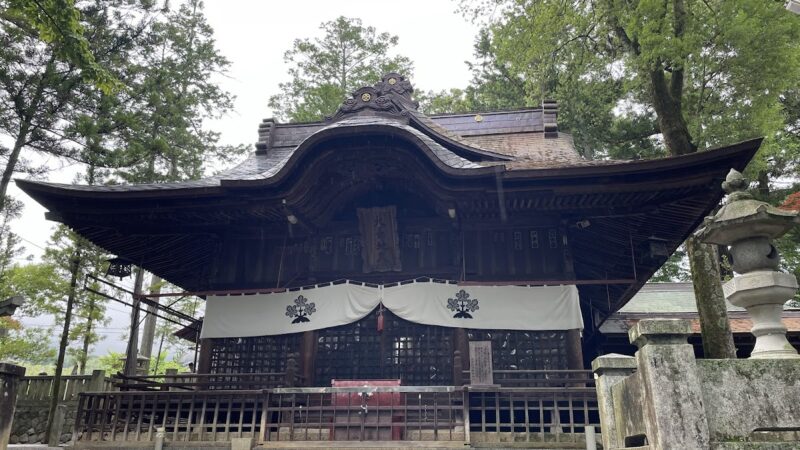
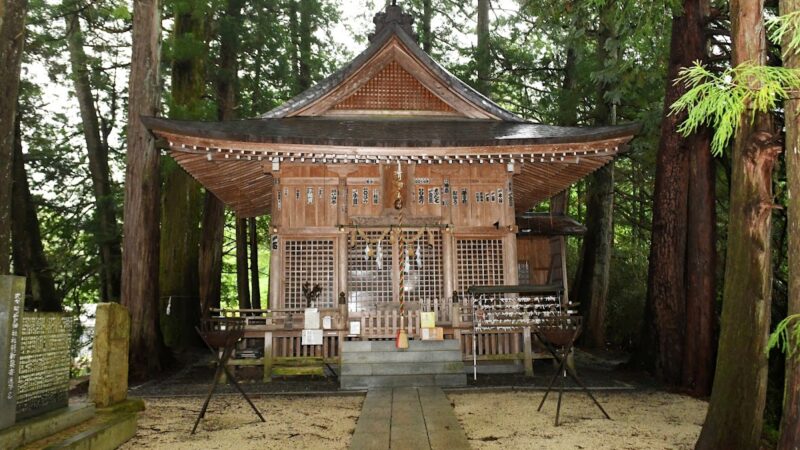
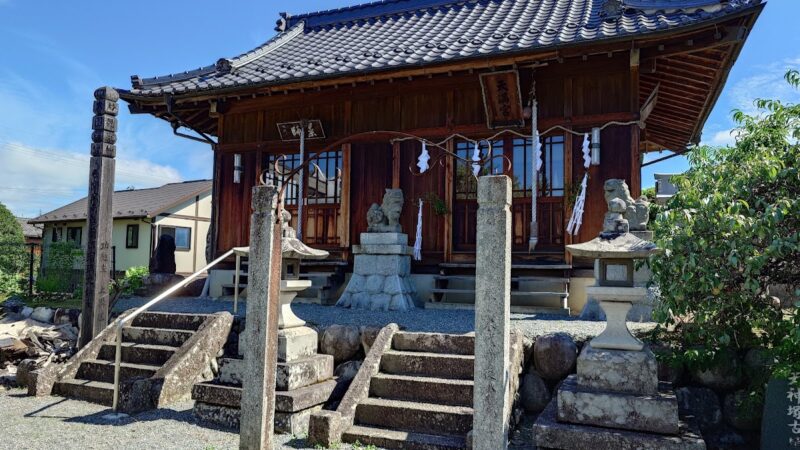
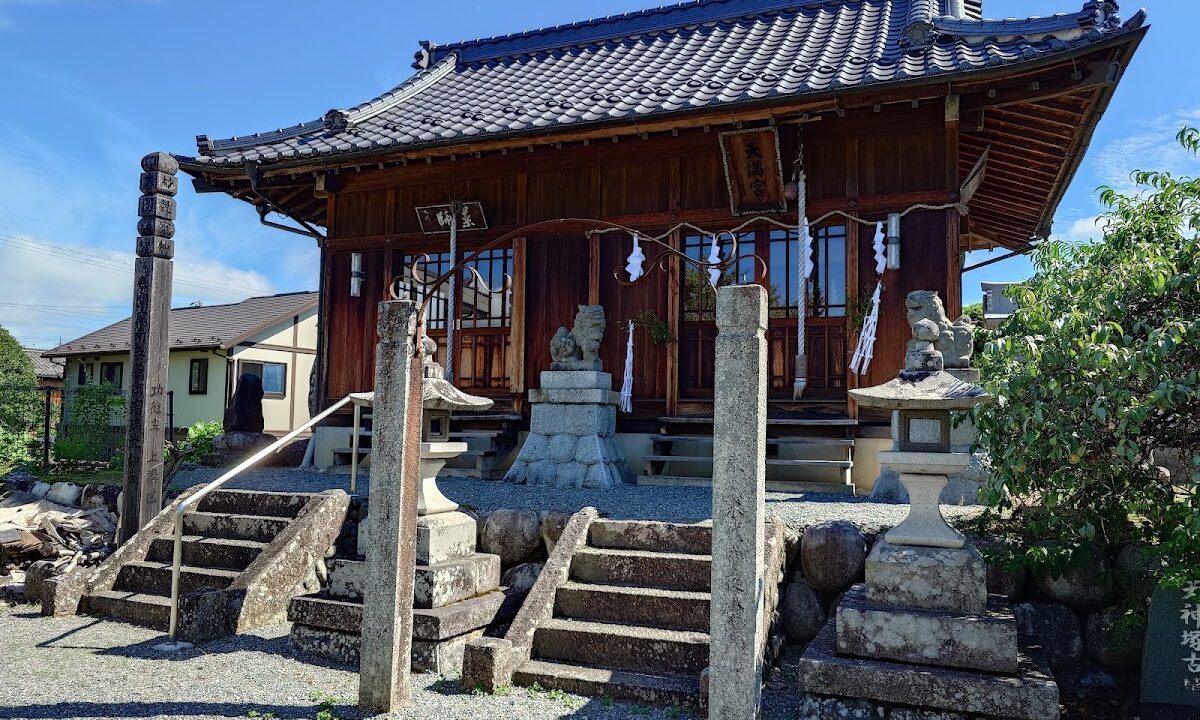
The main shrine building of Tenman Tenjin Shrine is constructed in the traditional style of shrine architecture. While not large in scale, the meticulously maintained shrine building speaks to the deep faith of the local people. In front of the main shrine is the worship hall, where worshippers offer prayers for academic success, passing exams, and other wishes.
Atmosphere of the Shrine Grounds
Despite its location in the city center, the shrine grounds are enveloped in a tranquil atmosphere. Visiting in the early morning or evening, in particular, offers a precious time to escape the hustle and bustle of everyday life and find peace of mind.
Atmosphere of the Shrine Grounds
Despite its location in the city center, the shrine grounds are enveloped in a serene atmosphere. Visiting in the early morning or evening offers a precious opportunity to escape the hustle and bustle of daily life and find peace of mind. ## Goshuin (Shrine Seal) Information
About Receiving Goshuin
The goshuin of Tenman Tenjin Shrine can be received at Fujisan Inari Shrine. It is possible to have it written directly into your goshuincho (stamp book), and many people receive it as a memento of their visit.
Goshuin Issuance Location: Fujisan Inari Shrine Office
Address: 4612 Miyanomae, Iida City, Nagano Prefecture
Reception Hours: Usually from 9:00 AM to around 5:00 PM (Please check in advance as hours may change)
Points to Note When Receiving a Goshuin
- After Completing Your Visit: The goshuin is proof of your visit. Please complete your visit at Tenman Tenjin Shrine first, and then receive your goshuin at Fujisan Inari Shrine.
- Prepare Your Goshuincho: Bringing your goshuincho will allow them to write directly into it.
- Preparing the Offering: Generally, an offering of around 300 to 500 yen is required.
- Be Courteous: Don’t forget to show gratitude to the shrine staff.
Goshuin (Shrine Seals) of the Iida Ten Shrines Pilgrimage
The “Iida Ten Shrines Pilgrimage,” which involves visiting the ten shrines of Iida, including Tenman Tenjin Shrine, and collecting goshuin (shrine seals), is also popular. By receiving goshuin at each shrine, you can gain a deeper understanding of Iida’s history and culture.
Benefits and Faith of Visiting
Academic Achievement and Prayer for Passing Exams
The most well-known benefit of Tenman Tenjin Shrine is academic achievement and prayer for passing exams. Sugawara no Michizane excelled in academics from a young age, becoming a scholar of literature at a young age and rising to the position of Minister of the Right. Due to his profound knowledge, students and those striving for academic success visit the shrine to pray for passing exams and achieving academic success.
Especially during exam season, local students and their families can be seen praying for success. There’s a legend that “those who visit before exams will surely pass,” and it attracts deep faith from the local people.
Other Benefits
Besides academic success, the following benefits are believed to be offered:
- Improvement in Writing: For writers and those involved in writing-related work
- Improvement in Performing Arts: Because Michizane was also skilled in waka poetry
- Protection from Misfortune: Protection from disaster through the divine power of Tenjin-sama
- Honesty and Sincerity: Describing the character of Michizane
Annual Events and Festivals
Main Festivals
Various festivals are held throughout the year at Tenman Tenjin Shrine. Details about the main festivals can be obtained by contacting Fujisan Inari Shrine.
Tenjin Festival: A festival commemorating Sugawara no Michizane, held at many Tenjin shrines. Traditional rituals are also performed at Iida’s Tenman Tenjin Shrine. Plum Blossom Festival: A festival held during the blooming season of plum blossoms, associated with Sugawara no Michizane.
About Prayers
If you wish to have individual prayers for academic success, passing exams, etc., it is recommended that you contact Fujisan Inari Shrine in advance to make a reservation. Please check directly with the shrine regarding prayer fees and reception hours.
Contact Information: Fujisan Inari Shrine
Telephone: Available on the shrine’s official website
Shrines to Visit Along with Nearby Attractions
Shrine Tour in Central Iida City
When visiting Tenman Tenjin Shrine, it is recommended that you also visit the other Iida Ten Shrines within walking distance.
Omiya Suwa Shrine
The most prestigious shrine as the guardian shrine of Iida. As a branch shrine of Suwa Grand Shrine, it enshrines Takeminakata-no-kami. Located in Miya-no-mae, Iida City, it is the center of local festivals.
Nagahime Shrine
A historic shrine situated on the site of the former main palace of Iida Castle. As a shrine associated with the lord of Iida Castle, it preserves the history of the region. It is also known as a famous cherry blossom viewing spot, attracting many visitors in spring.
Fujisan Inari Shrine
Revered as a guardian shrine protecting the northeast direction (the “demon’s gate”) of Iida Castle, it is worshipped as the protector of Iida in Shinshu. Known for its blessings of warding off evil, traffic safety, and business prosperity, it plays a central role among the ten shrines of Iida.
Tourist Attractions in Iida City
Iida City Museum of Art: A facility where you can learn about the history and culture of Iida
Iida Castle Ruins (Nagahime Park): Castle ruins known as a famous cherry blossom viewing spot
Apple Tree-lined Street: Iida City’s symbolic street
Iida Puppet Show Festival Venue: A puppet show festival held every August
Manners and Etiquette for Visiting Tenjin Shrine
Basic Worship Etiquette
- Bow before passing through the torii gate: As a courtesy before entering the sacred area
- Walk along the edge of the approach: The center is considered the path for the gods
- Purify yourself at the water basin: Purify your left hand, right hand, and mouth in that order
- Worship at the main hall: The basic method is two bows, two claps, and one bow
- Bow deeply twice
- Clap your hands twice
- State your wish silently
- Bow deeply once
- Bow at the Torii Gate Upon Exit: Expressing gratitude.
Attire and Items to Bring When Visiting
There are no specific dress code requirements, but it is desirable to wear clothing that reflects the sacred nature of the place. If you are receiving prayers, slightly more formal attire is appropriate.
Items to Bring:
- Goshuincho (stamp book) (if you wish to receive a Goshuin stamp)
- Hatsuhoryo (offering fee) (it’s convenient to have small change)
- Camera (for commemorative photos in areas where photography is permitted)
The Charm and Value of Visiting Tenman Tenjin Shrine
A Place of Community-Rooted Worship
Tenman Tenjin Shrine is not a large-scale tourist shrine, but precisely because of this, it is a shrine where you can feel the simple and pure faith of the local people. Within its unpretentious appearance, the history of local faith that has continued for hundreds of years breathes.
Divine Power as the God of Learning
Many visitors come to pray for success in exams and academic achievement, and there are numerous reports of their wishes being granted. It is a particularly important shrine that provides emotional support for local students taking exams.
Experiencing Iida’s History
As one of the Ten Shrines of Iida, Tenman Tenjin Shrine is an important presence that conveys the history and culture of Iida to the present day. By visiting this shrine, which has walked hand in hand with the development of the Iida castle town, you can gain a deeper understanding of the region’s history.
Shrine Culture and Tenjin Worship in Iida City
The Role of Shrines in Iida City
As the central city of southern Shinshu, Iida City has long been home to many shrines. Each shrine plays an important role as the center of the local community and as a spiritual pillar.
The Spread of Tenjin Worship
Tenjin worship, which enshrines Sugawara no Michizane, spread throughout Japan from the late Heian period to the Kamakura period. Tenjin worship reached Iida at an early stage, demonstrating the high level of interest in education and learning among the local people.
During the Edo period, terakoya (private temple schools) education flourished, and Tenjin-sama became even more important as the guardian deity of education. Even today, this tradition continues, and many people visit the shrine to pray for academic success.
Access and Surrounding Facilities Information
Access by Public Transportation
Train:
- Get off at JR Iida Line “Iida Station,” approximately 15 minutes on foot.
- City loop buses are also available from the station.
Express Bus:
- Express buses operate from Shinjuku and Nagoya to Iida City.
- Within walking distance of Iida Bus Terminal.
Access by Car
Expressway:
- Approximately 10 minutes from Chuo Expressway “Iida IC.”
- Convenient access from San’en-Nanshin Expressway “Iida Yamamoto IC.”
Parking:
- Please inquire with Fujisan Inari Shrine regarding the shrine’s dedicated parking lot.
- Public parking lots in the city center are available.
Nearby Restaurants and Accommodations
In the center of Iida City, there are many restaurants where you can enjoy local cuisine, as well as hotels and inns convenient for sightseeing.
Local Cuisine:
- Goheimochi (rice cakes)
- Iida Yakiniku (locally unique style)
- Shinshu Soba (buckwheat noodles)
Accommodation:
- Diverse options from business hotels to hot spring inns
- Convenient base for sightseeing in Southern Shinshu
Summary: Visiting Tenman Tenjin Shrine
Tenman Tenjin Shrine (Tenjin Shrine) in Iida City, Nagano Prefecture, is a historically significant shrine dedicated to Sugawara no Michizane, the god of learning, and enjoys deep devotion from the local people. As one of the Ten Shrines of Iida, it is an important presence that conveys the history and culture of Iida to the present day, and is a source of spiritual support, especially for students and those striving in their studies.
Due to its convenient location in the city center, it is easy to visit along with the other Ten Shrines of Iida, making it a highly worthwhile shrine to visit as part of a historical walk through Iida. Since you can receive a Goshuin (shrine stamp) at Fujisan Inari Shrine, visiting both shrines will make for a more fulfilling pilgrimage experience.
Whether you’re praying for academic success or passing exams, or simply interested in Iida’s history and culture, or just looking for a peaceful shrine to calm your mind, we highly recommend visiting Tenman Tenjin Shrine. The plum blossoms lining the approach, the meticulously maintained shrine, and the warm faith of the local people will surely enrich your experience.
When you visit Iida City, we encourage you to stop by Tenman Tenjin Shrine and offer your prayers to the god of learning.