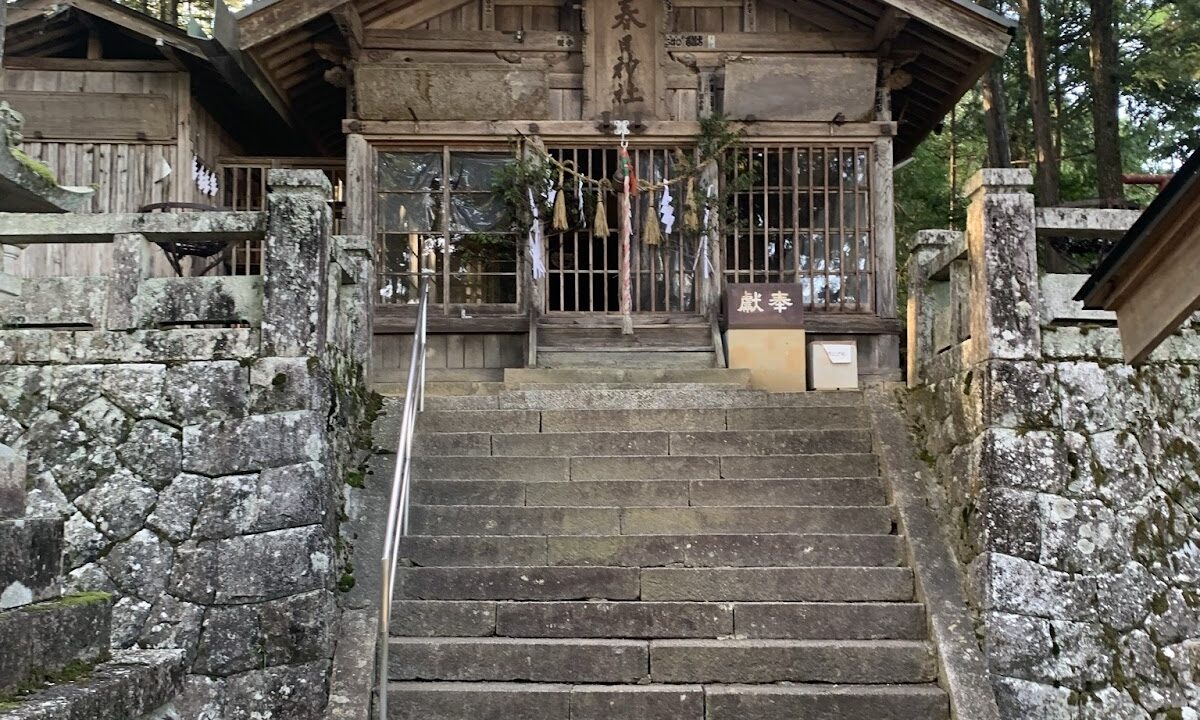
Kasuga Shrine (Achi Village, Shimoina District, Nagano Prefecture) Complete Guide | History, Goshuin (Shrine Seal), and Access Information
Kasuga Shrine, located in Achi Village, Shimoina District, Nagano Prefecture, is a historical shrine established in 1192 (Kenkyu 3) when the deity was invited from Kasuga Taisha Shrine in Nara Prefecture. Situated near the border of Iida City and Achi Village, the shrine grounds encompass an entire small hill along National Route 153, making it a magnificent site that has long been revered as the local tutelary deity. This article provides a detailed introduction to Kasuga Shrine, including its history, highlights within the grounds, goshuin information, and access methods.
History and Origins of Kasuga Shrine
Founding and Invitation from Kasuga Taisha Shrine
Kasuga Shrine is believed to have been founded in 1192 (Kenkyu 3). It began with the invitation of the deity from Kasuga Taisha Shrine in Nara Prefecture and its enshrinement as the local tutelary deity. A local guardian deity is a god who protects the land and the people born there throughout their lives, making them the most familiar and important presence for the local residents.
Kasuga Taisha Shrine, founded in 768 AD during the Nara period, is the head shrine of approximately 3,000 Kasuga shrines nationwide and flourished as the tutelary shrine of the Fujiwara clan. The fact that this shrine was established by inviting a deity from this historically significant shrine indicates the important position this region held at the time.
Transition from the Medieval to the Early Modern Period
Since its founding in the Kamakura period, Kasuga Shrine has developed as a central place of worship in the region. During the Sengoku period, the surrounding area came under the influence of the Takeda and Oda clans, experiencing various historical changes, but the shrine was maintained thanks to the fervent faith of the local residents.
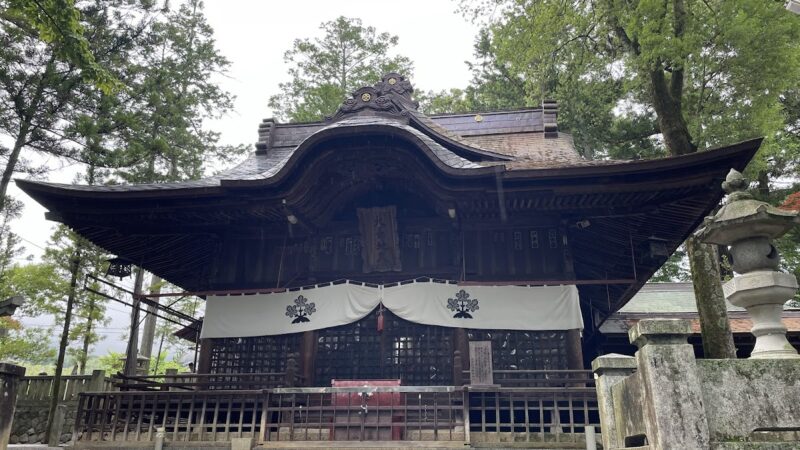
In the Edo period, the current main hall was built in 1735. This main shrine building is a valuable cultural asset that preserves the architectural style of the mid-Edo period, and is an important structure for understanding the techniques and aesthetics of shrine architecture at that time.
Developments since the Modern Era
Even amidst the Meiji-era separation of Shinto and Buddhism and the wave of modernization, Kasuga Shrine remained the center of local faith. Throughout the Meiji, Showa, Heisei, and Reiwa eras, the shrine has played a vital role as a spiritual pillar of the local community and as a place to convey history and culture.
Deities and Divine Virtues
Main Deity: Amenokoyane-no-Mikoto
The main deity of Kasuga Shrine is Amenokoyane-no-Mikoto. Amenokoyane-no-Mikoto is a god appearing in Japanese mythology, known as the god who recited prayers when Amaterasu Omikami hid in the Heavenly Rock Cave. He is the god who governs the power of words and is believed to have divine virtues related to learning, wisdom, and language.
While Kasuga Taisha Shrine enshrines four deities—Ame-no-Koyane-no-Mikoto, Take-Mikazuchi-no-Mikoto, Futsunushi-no-Mikoto, and Himegami—the Kasuga Shrine in Achi Village primarily enshrines Ame-no-Koyane-no-Mikoto.
Divine Virtues and Faith
The divine virtues of Amenokoyane-no-Mikoto are diverse:
- Academic Achievement and Passing Exams: As the god who governs the power of words, he is believed to bring benefits for academic improvement and passing exams.
- Good Fortune and Prosperity: Having played an important role in the Amano-Iwato myth, he is believed to have the power to overcome difficult situations.
- Family Safety: As a guardian deity, he protects the community and family.
- Business Prosperity: As the power of words is also applicable to negotiations and business deals, many worshippers pray for business success.
Highlights and Cultural Assets on the Shrine Grounds
Architectural Style of the Main Hall
The main hall of Kasuga Shrine is a large, three-bay nagare-zukuri style building constructed in 1735 (Kyoho 20). The Sanmasha Nagare-zukuri style is a type of shrine architecture characterized by three bays (approximately 5.4 meters) between the pillars at the front and a roof that extends long and flowing forward. It is a style used for high-status shrine buildings.
This main hall, which preserves the architectural techniques of the mid-Edo period, boasts exquisite carvings and decorations in every detail, demonstrating the high skill of the craftsmen of the time. The unique texture resulting from the aging of the wood also contributes to the sense of historical weight.
Layout of the Shrine Grounds and Approach
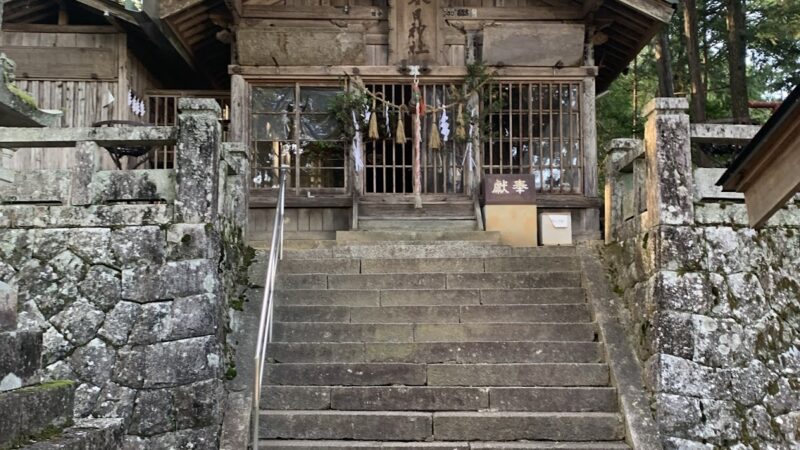
The grounds of Kasuga Shrine spread across a small hill, characterized by a tranquil atmosphere surrounded by nature. As you ascend the approach leading from National Route 153 to the shrine grounds, you are first greeted by a torii gate.
On both sides of the approach stand ancient trees, displaying different expressions throughout the seasons. You can enjoy the beauty of each season: fresh greenery in spring, deep green in summer, vibrant autumn leaves, and snowscapes in winter.
Worship Hall and Shrine Architecture
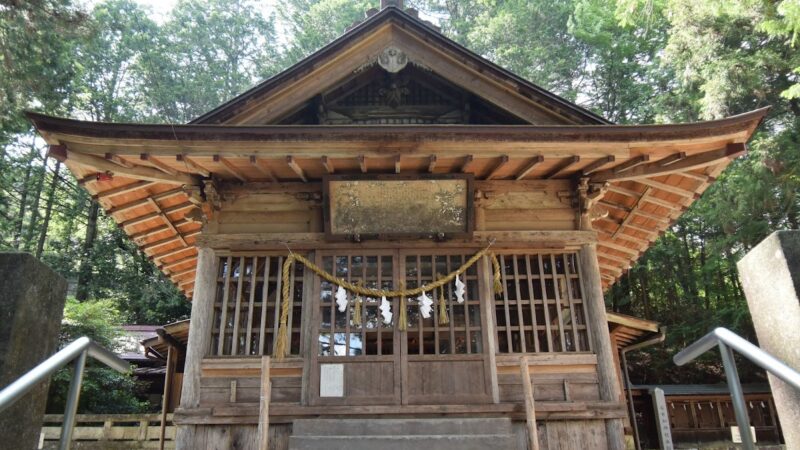
In front of the main shrine is the worship hall, where worshippers offer their prayers. The spatial configuration from the worship hall to the main shrine clearly illustrates the characteristic of Japanese shrine architecture, where one gradually approaches the sacred realm.
The carvings on the shrine buildings utilize traditional motifs such as dragons, lions, and flowers and birds, conveying the skill and aesthetic sense of Edo period craftsmen. These carvings are not merely decorative; each has meaning and plays a role in enhancing the sacredness of the shrine.
Subsidiary Shrines and Auxiliary Shrines
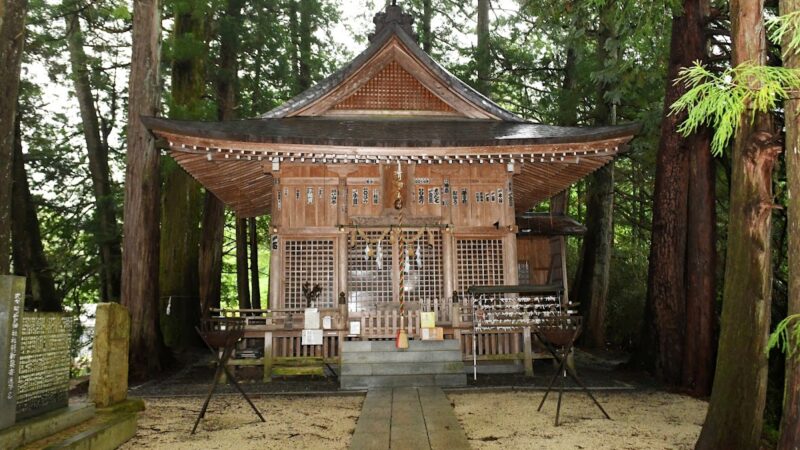
Several subsidiary shrines (abstract shrines) are enshrined around the main shrine. Each of these small shrines enshrines a different deity and serves as a place to answer various wishes. Local people have a custom of paying their respects at these subsidiary shrines in addition to visiting the main shrine.
Kasuga Shrine’s Goshuin Information
About Goshuin
Goshuin (shrine stamps) can be obtained at Kasuga Shrine. A goshuin (temple/shrine stamp) is given as proof of visiting a shrine. It features the shrine’s name and the date of visit written in ink, and stamped with a red seal. In recent years, collecting goshuin has become a popular hobby, and more people are enjoying “goshuin pilgrimages,” visiting shrines throughout Japan.
The goshuin at Kasuga Shrine is characterized by its simple yet powerful ink calligraphy and the shrine’s red seal. When receiving a goshuin, it is considered good manners to first complete your prayers before speaking to the shrine office.
About Goshuincho (Goshuin Books)
It is recommended to bring a goshuincho when receiving a goshuin. Goshuincho can be purchased at shrines and temples, as well as bookstores and stationery stores. It is recommended to check before visiting whether Kasuga Shrine offers its own original goshuincho.
Issuance Hours and Precautions
Goshuin are generally issued from 9:00 AM to around 4:00 PM, but this may vary depending on the size of the shrine and the season. If you definitely want to receive a Goshuin (temple/shrine stamp), it is recommended to call ahead to confirm or visit between morning and early afternoon.
Also, remember that a Goshuin is proof of your visit, not a stamp rally. Show respect to the shrine and follow the correct order: complete your prayers first, then receive your Goshuin.
Basic Information about Kasuga Shrine
Location and Contact Information
Address: 179 Kasuga, Achi-mura, Shimoina-gun, Nagano Prefecture 395-0301
Corporate Number: 7100005009672
Date of Corporate Number Assignment: October 5, 2015
For telephone numbers, if you need to confirm before visiting, you can inquire through the Achi Village Office or the local tourist information center.
Visiting Hours
The grounds of Kasuga Shrine are generally open for free visits. However, the hours for receiving Goshuin and prayers at the shrine office may be limited, so it is recommended to check in advance.
Visiting the shrine in the early morning or evening allows you to more deeply experience its quiet and sacred atmosphere, but for safety reasons, visiting during daylight hours is recommended.
Access Information
Access by Car
Kasuga Shrine is located along National Route 153, making it easily accessible by car.
Access from Major Cities:
- From Nagoya: Approximately 20 minutes from Iida-Yamamoto IC on the Chuo Expressway via National Route 153
- From Nagano City: Approximately 15 minutes south from Iida IC on the Chuo Expressway via National Route 153
- From Iida City: Approximately 10 minutes south via National Route 153, near the border with Achi Village
While the shrine has a parking lot for visitors, space may be limited, so please consider using public transportation, especially during festivals.
Access by Public Transportation
Nearest Station: JR Iida Line, Iida Station
From Iida Station, you can use a local bus or taxi. If taking a local bus, board a bus bound for Achi Village and get off at the bus stop nearest Kasuga Shrine. However, since bus services are limited, it is important to check the timetable in advance.
If taking a taxi, the journey from Iida Station to Kasuga Shrine takes approximately 15-20 minutes.
Combining with Nearby Tourist Attractions
Kasuga Shrine is located in the tourist area of Achi Village, and there are various tourist spots nearby:
- Hirugami Onsenkyo: A representative hot spring resort of Southern Shinshu, about a 10-minute drive away.
- Achi Shrine (Shikinaisha): A historically significant shrine located near Hirugami Onsen, listed in the Engishiki (an ancient Japanese legal code).
- Heavens Sonohara (Fujimidai Plateau): A scenic spot known as “Japan’s best starry sky.”
- Sonohara no Sato: A historical area mentioned in the Manyoshu (an ancient collection of Japanese poetry).
By visiting these tourist spots in combination, you can experience the charm of Achi Village more deeply.
Annual Events at Kasuga Shrine
Main Festivals and Events
Kasuga Shrine holds various festivals and events throughout the year. As a local shrine, special Shinto rituals are performed at seasonal turning points and traditional festival days, bringing together local residents.
Main Annual Events:
- New Year’s Day Festival (January 1st): A festival praying for safety and prosperity in the new year
- Spring Grand Festival: Celebrating the arrival of spring and praying for a bountiful harvest
- Summer Purification Ceremony (June 30th): A Shinto ritual to cleanse away the impurities accumulated over the past six months
- Autumn Grand Festival: The most important festival, expressing gratitude for the harvest and praying for peace and tranquility in the community
- Year-End Purification Ceremony (December 31st): A Shinto ritual to cleanse away the impurities accumulated over the year and prepare for the new year
Connection with the Community
Kasuga Shrine is not merely a religious facility; it has played a central role in the local community. During festivals, local residents participate in the preparation and operation, creating a place for intergenerational exchange.
Especially during the Grand Festival, events such as the procession of the portable shrine and the dedication of performing arts take place, providing an important opportunity to pass on the region’s traditional culture to the next generation. In today’s increasingly urbanized and depopulated society, the role of shrines in maintaining these community bonds is becoming more and more important.
History of Achi Village and Kasuga Shrine
Geography and History of Achi Village
Achi Village is located in the southern part of Nagano Prefecture, in Shimoina District, near the border with Gifu Prefecture. It has flourished since ancient times as a transportation hub along the Ina Road (Sanshu Road), a side road of the Nakasendo.
The village name “Achi” originates from the Achi Shrine, a Shikinaisha (a shrine listed in the Engishiki) that enshrines Amenoyagokoro-omoikane-no-mikoto, who is said to have descended to this land. Achi Village has two important shrines, Kasuga Shrine and Achi Shrine, each with different histories and beliefs.
Characteristics of the Kasuga District
The Kasuga district, where Kasuga Shrine is located, is situated on the border with Iida City, and the settlement is formed along National Route 153. This region has a long history of agriculture, particularly fruit and vegetable cultivation.
In recent years, the entire village of Achi has become known as the “Village of Starry Skies,” and tourism has also flourished. The Kasuga district, as a transit point for tourists, is also working to promote its local attractions.
Manners and Etiquette for Visiting Kasuga Shrine
Basic Worship Etiquette
By observing basic etiquette when visiting a shrine, you can offer a more heartfelt prayer.
The Flow of Worship:
- Bow before passing through the torii gate: As a greeting before entering the sacred area.
- Avoid walking in the center of the path: The center of the path is considered the path of the gods.
- Purify yourself at the water basin: Purify your left hand, right hand, mouth, and the handle of the ladle in that order.
- Worship in front of the main hall: Two bows, two claps, and one bow is the basic form.
- Bow again at the torii gate when leaving: As a greeting when leaving the sacred area.
Clothing and Items to Bring
While no special clothing is required for visiting a shrine, it’s best to dress neatly and cleanly, reflecting your respect for the gods. Especially if you are receiving a formal prayer, it’s advisable to avoid overly casual attire.
As for items to bring, a monetary offering, a goshuincho (stamp book) (if you wish to receive a stamp), and a camera are sufficient. However, some places prohibit photography, so please check the signs.
Clothing and Items to Bring
While special clothing is not required for visiting a shrine, please dress neatly and cleanly, reflecting your respect for the gods. Especially if you are receiving a formal prayer, it is advisable to avoid overly casual clothing.
As for items to bring, a monetary offering, a goshuincho (stamp book) (if you wish to receive a stamp), and a camera are sufficient. However, some places prohibit photography, so please check the signs.
Nearby Attractions and Tourist Information
Major Tourist Spots in Achi Village
When visiting Kasuga Shrine, we recommend also visiting other tourist spots in Achi Village.
Hirugami Onsen: The largest hot spring resort in Southern Shinshu, known for its skin-beautifying properties. There are plenty of day-trip bathing facilities, allowing you to relax and enjoy the hot springs after visiting the shrine.
Heavens Sonohara: Located on a plateau at an altitude of 1,400m, it is famous for offering the “best starry sky in Japan,” certified by the Ministry of the Environment. From the observation deck, accessible by gondola, you can enjoy spectacular views of the Southern Alps during the day and a sky full of stars at night.
Achi Shrine (Shikinaisha): An ancient shrine listed in the Engishiki Jinmyocho (a list of shrines compiled in the Heian period), situated on a hill overlooking Hirugami Onsen. It enshrines Ame-no-Yatsukane-no-Mikoto as its main deity and is worshipped as the god of wisdom.
Local Specialties and Cuisine
The area around Achi Village is rich in agricultural products, and is particularly known for the following specialties:
- Apples: Southern Shinshu is one of the leading apple-producing regions in Nagano Prefecture.
- Ichida Persimmons: A specialty of Shimoina District, known as a top-quality dried persimmon.
- Buckwheat Noodles: As a production area for Shinshu buckwheat noodles, you can enjoy delicious soba.
- Goheimochi: A local dish of Southern Shinshu, characterized by its sweet and savory sauce.
Around Kasuga Shrine and Hirugami Onsen, you can find restaurants serving dishes made with these local specialties, as well as facilities where you can purchase souvenirs.
The Charm and Significance of Visiting Kasuga Shrine
A Space Where You Can Feel History
The greatest charm of Kasuga Shrine is the space itself, which conveys over 800 years of history. Since its founding in 1192, it has remained the center of local faith, despite numerous changes over time.
The main shrine, built in the mid-Edo period, is a valuable cultural asset that conveys the architectural techniques and aesthetic sensibilities of that time to the present day. Standing on the grounds, one can feel the flow of time from the past to the present, and the thoughts of the countless people who have offered prayers here.
Grounds in Harmony with Nature
Kasuga Shrine, whose grounds encompass the entire small hill, is a shrine that harmonizes beautifully with nature. Walking along the approach surrounded by ancient trees, one can feel their mind becoming calm, away from the hustle and bustle of everyday life.
The ever-changing expressions of nature throughout the seasons are also a major attraction of Kasuga Shrine. The fresh greenery of spring, the deep green of summer, the autumn leaves, and the snowscapes of winter each display a different kind of beauty. It is a place where you can experience the traditional Japanese form of worship: a shrine nestled in nature.
Preservation of Local Culture
Kasuga Shrine is also an important place that conveys the culture and history of the Kasuga district of Achi Village. The festivals and Shinto rituals held throughout the year play a role in passing on the region’s traditional culture to future generations.
Visitors to this shrine can learn about the connection between faith and life in rural Japan, and the importance of community bonds. Unlike large-scale tourist shrines, it possesses a warmth and sincerity unique to a shrine rooted in the local community.
Practical Advice for Visiting Kasuga Shrine
Best Time to Visit
Kasuga Shrine can be visited year-round, but each season offers a different charm.
Spring (March-May): Beautiful fresh greenery and pleasant weather. The surrounding Kasuga Park is also a highlight during cherry blossom season.
Summer (June-August): The lush greenery and cool shade of the shrine grounds make it suitable for summer visits. However, be aware of the sudden weather changes typical of mountainous areas.
Autumn (September-November): Beautiful autumn foliage, making it the most suitable season for visits. This is also the time of the Autumn Grand Festival.
Winter (December-February): The snowy landscape is magical, but be careful of icy roads. Be sure to dress warmly.
Estimated Time Required
Visiting Kasuga Shrine takes about 30 minutes if you only wish to pray. If you want to stroll around the grounds and enjoy taking photos, allow about an hour.
If combining with other nearby tourist attractions, we recommend planning a half-day to full-day itinerary that includes the Hirugami Onsen area.
Useful Items to Bring
- Camera: You can photograph the beautiful scenery and architecture of the shrine grounds.
- Goshuincho (stamp book): Essential if you want to receive a Goshuin (shrine stamp).
- Small change: Prepare some for offerings.
- Comfortable shoes: The shrine grounds have slopes and stairs, so sneakers are recommended.
- Seasonal clothing: Don’t forget sun protection in summer and warm clothing in winter.
Summary: The Value and Charm of Kasuga Shrine
Kasuga Shrine, located in Achi Village, Shimoina District, Nagano Prefecture, is a historical shrine that was established in 1192 (Kenkyu 3) by inviting a deity from Kasuga Taisha in Nara Prefecture. For over 800 years, it has been worshipped as the local tutelary deity, and the main hall architecture from the mid-Edo period is a valuable cultural asset that conveys the technology and aesthetic sense of that time.
The entire small hill along National Route 153 serves as the shrine grounds, allowing visitors to worship in a tranquil atmosphere surrounded by nature. The main deity enshrined here is Amenokoyane-no-Mikoto, and the shrine is believed to bestow blessings for academic success, good fortune, and family safety.
Located near the border of Iida City and Achi Village, visiting the shrine in conjunction with nearby tourist attractions such as Hirugami Onsen and Heavens Sonohara, known for having “Japan’s best starry sky,” allows for a deeper experience of Achi Village’s charm.
Unlike large-scale tourist shrines, Kasuga Shrine possesses the warmth and sincerity characteristic of a shrine deeply rooted in the community. It’s a shrine well worth visiting, where you can feel the history and offer a peaceful prayer amidst nature. When visiting southern Nagano Prefecture, be sure to stop by.