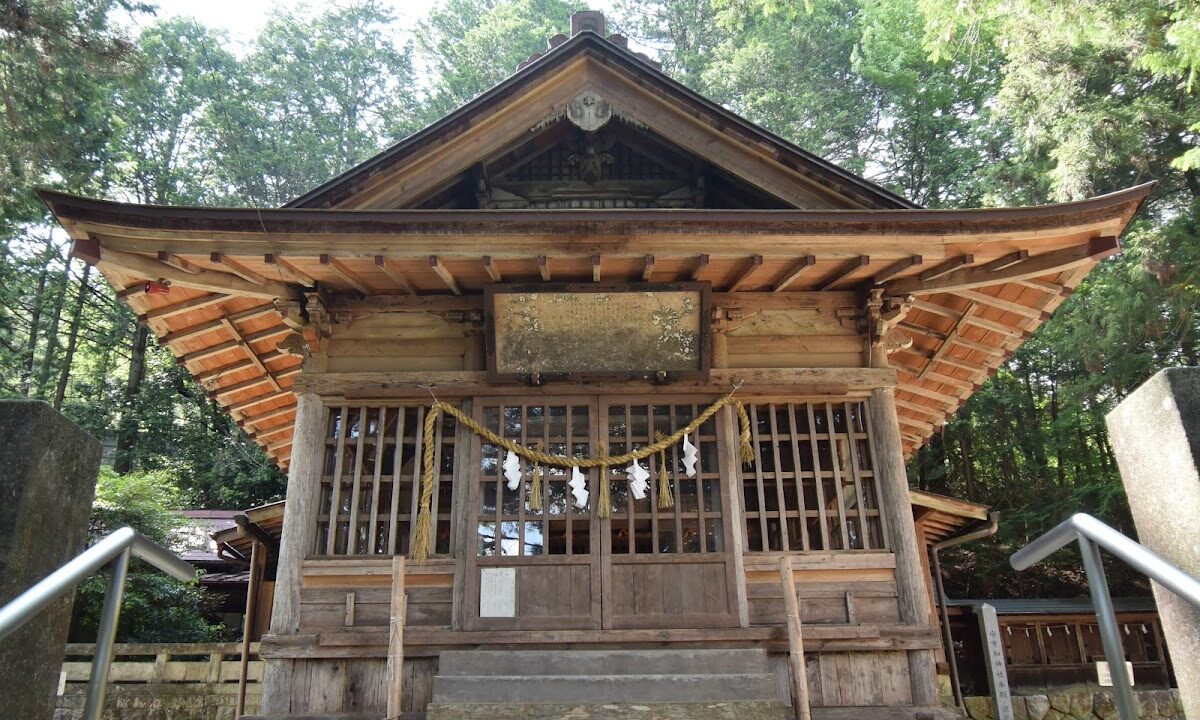
Abuchi Shrine (Achi Village, Nagano Prefecture) Complete Guide | History, Goshuin (Shrine Seal), and Access Information
Abuchi Shrine, located in Komaba, Achi Village, Shimoina District, Nagano Prefecture, is a venerable shrine with a history of over 1600 years. Formerly a village shrine, it boasts a main hall and worship hall designated as prefectural treasures, and has long been revered as a center of local faith. This article will introduce the charm of this ancient shrine in its entirety, from its history, enshrined deities, architectural value, visiting information, goshuin (shrine seal), and access methods.
Overview and Basic Information of Abuchi Shrine
Abuchi Shrine is located at 2079 Komaba, Achi Village, Shimoina District, Nagano Prefecture, in a quiet residential area north of National Route 153. The entrance to the shrine is approximately 500 meters north of the Achi Village Office, near Achi First Elementary School.
Basic Information
- Location: 2079 Komaba, Achi-mura, Shimoina-gun, Nagano Prefecture
- Former Shrine Rank: Gosha (village shrine)
- Main Deity: Ame-no-Omoikane-no-Mikoto
- Founding: Said to be 368 AD (56th year of Emperor Nintoku’s reign)
- Cultural Property: The main hall and worship hall are designated as Nagano Prefecture treasures
- Telephone: 0265-43-3069
History and Origins of Anbuchi Shrine
Founding Legend
According to shrine tradition, Anbuchi Shrine was founded in 368 AD (56th year of Emperor Nintoku’s reign). It is said that the local guardian deity appeared as a luminous light on Myōtōyama mountain, and following the deity’s instructions, an eight-petaled mirror (eight-flower mirror) was unearthed from beneath a dead tree on the mountain and enshrined at Kiyosaka as a sacred object representing Ame-no-Omoikane-no-Mikoto. It was originally founded as “Godo Daijingu.”
This eight-petaled mirror was enshrined in the shrine as a vessel for the gods, and for over 1600 years it has been the object of worship for the local people. Yagokoro-Omoikane-no-Mikoto is known as the god of wisdom, and is said to be the god who devised the plan to open the cave when Amaterasu-Omikami hid there.
Transition from the Medieval to the Early Modern Period
During the medieval period, influenced by the syncretism of Shinto and Buddhism, the shrine’s relationship with Mii-dera Temple (Onjo-ji Temple) in Omi Province deepened. Records show that in 1573 (Tensho 1), Shinra Myojin from Mii-dera Temple was invited to the shrine. During this period, while incorporating Buddhist elements, the shrine functioned as an important center of faith for the region.
In the Edo period, the shrine buildings were improved. The current shrine buildings are thought to have been constructed during the Kanbun era (1661-1673), making them valuable structures with a history of over 350 years. During this period, Anbuchi Shrine played an important role in the local community as a village shrine and was revered as the tutelary deity of the Komaba district and surrounding settlements.
Developments since the Meiji Era
Following the Meiji-era separation of Shinto and Buddhism, Buddhist elements were removed, and the shrine was established as a purely Shinto shrine. Under the old shrine ranking system, it was ranked as a village shrine, establishing its position as a central shrine in the region.
From the Showa to the Heisei era, the architectural and historical value of the main hall and worship hall was recognized, and it was designated as a Nagano Prefecture Treasure. It is still carefully preserved by local residents, and various festivals are held throughout the year.
Deities and Divine Virtues
Main Deity: Ame-no-Omoikane-no-Mikoto
The main deity of Anbuchi Shrine is Ame-no-Omoikane-no-Mikoto. Ame-no-Omoikane-no-Mikoto is known as the god who presides over wisdom and deliberation in Takamagahara (the High Plain of Heaven) and played an important role in Japanese mythology.
When Amaterasu Omikami hid in the Heavenly Rock Cave, plunging the world into darkness, Ame-no-Omoikane-no-Mikoto gathered the gods for a council and bestowed upon them the wisdom to lure Amaterasu Omikami out of the cave. From this legend, Ame-no-Omoikane-no-Mikoto is believed to possess the following divine virtues:
- Granting Wisdom: Academic success, passing examinations
- Discretion and Judgment: Improvement of sound judgment
- Problem Solving: Overcoming difficult situations
- Business Prosperity: Business success through appropriate management decisions
- Family Safety: Harmony and peace within the family
In particular, many visitors come to pray for wisdom and judgment, especially students preparing for exams, business owners, and those facing important decisions. The shrine sees a constant stream of worshippers seeking to receive these blessings.
Enshrined Deities
While Ame-no-Omoikane-no-Mikoto is the principal deity, it is believed that several other deities are enshrined here due to historical circumstances. The relationship with Shinra Myojin, enshrined in 1573 (Tensho 1), in particular, demonstrates the multifaceted nature of the shrine’s faith.
Designated Prefectural Treasure Shrine Architecture
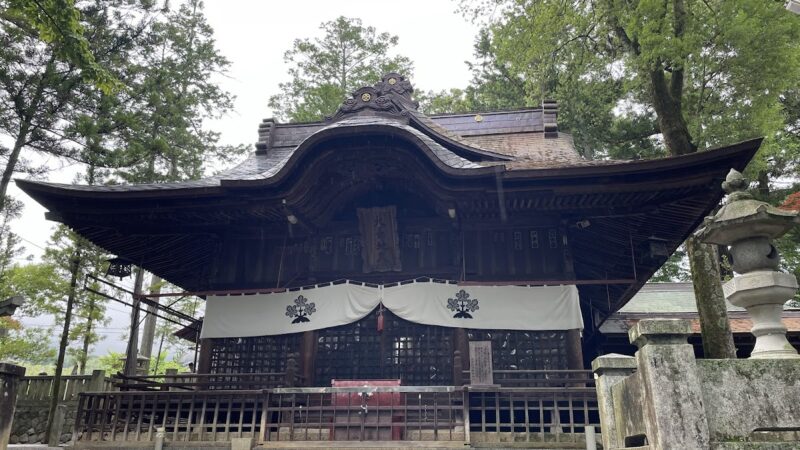
The greatest highlight of Anbuchi Shrine is the main hall and worship hall, designated as Nagano Prefecture Treasures. As a valuable cultural asset that preserves the architectural style of the early Edo period, it holds significant historical importance in architecture.
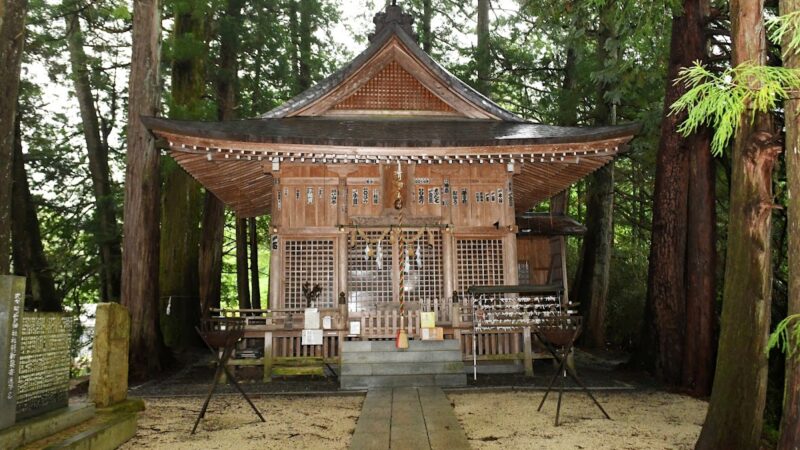
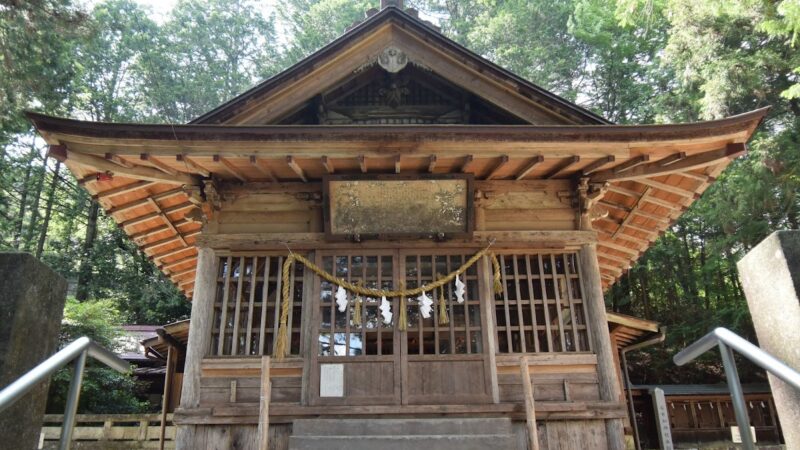
Features of the Main Hall
The main hall is a three-bay nagare-zukuri style shrine housed within a protective structure. Its main features are as follows:
- Architectural Style: Three-bay nagare-zukuri
- Roof: Shinto shingle roofing
- Scale: Relatively large for a three-bay shrine
- Construction Period: Estimated to be around the Kanbun era (1661-1673)
- Protection: Protected from wind and rain by a protective structure
A three-bay nagare-zukuri refers to a shrine in the nagare-zukuri style with three bays (approximately 5.4 meters) between the pillars at the front. Nagare-zukuri is characterized by its long, extended roof front and is one of the most common styles in Japanese shrine architecture.
Kakibuki is a traditional roofing method using thin wooden planks, and is now a valuable technique due to the declining number of skilled craftsmen. While it is difficult to directly observe the details of the main hall of Anbuchi Shrine because it is enclosed within a protective structure, this protective measure has kept it in good condition for over 350 years.
Features of the Worship Hall
The worship hall is where worshippers offer their prayers and is located in front of the main hall:
- Architectural Style: Irimoya-zukuri Tsumairi (hip-and-gable roof with gable entrance)
- Scale: 3 bays in length, 2 bays in width
- Exterior: Surrounded by lattice doors and windows
- Features: A majestic facade with a gable entrance
Irimoya-zukuri is a complex roof style combining a hipped roof and a gable roof, and is used in high-status buildings. A “tsumairi” is a style of architecture where the entrance is from the gable end (the side with the triangular roof), creating an impressive exterior with a large triangular roof when viewed from the front.
The design, consisting of lattice doors and windows, is a clever way to maintain a sacred atmosphere while allowing appropriate light and airflow into the interior space. It is a valuable building that combines the architectural techniques and aesthetic sensibilities of the early Edo period.
Architectural Value and Preservation
The main hall and worship hall of Anbuchi Shrine occupy an important position in architectural history as typical examples of early Edo period shrine architecture in southern Nagano Prefecture. In particular, the combination of the three-bay nagare-zukuri style main hall and the irimoya-zukuri tsumairi style worship hall represents the standard form of shrine architecture at the time, making it a valuable resource for understanding the development of shrine architecture in the region.
Even today, it is properly maintained by local residents and related parties, and through regular repairs, its appearance is being passed down to future generations.
Highlights of the Shrine Grounds
Atmosphere of the Approach and Grounds
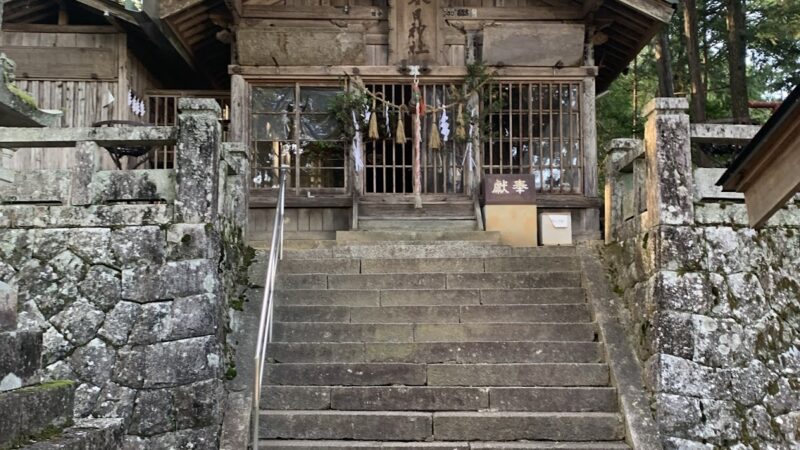
The approach to Anbuchi Shrine begins from a road beside Achi Daiichi Elementary School. Despite being located in a residential area, stepping onto the approach envelops you in a tranquil atmosphere, allowing you to feel the presence of a sacred place.
As you proceed along the approach, the shrine grounds, surrounded by trees, unfold before you. The grounds are well-maintained and clean. Ancient trees are scattered throughout, creating a space where you can feel the changing seasons.
Shrine Building Layout
The main shrine is situated on a slightly elevated area within the grounds, with the worship hall (haiden) in front of it. This elevation difference is a traditional method of visually expressing the sacredness of the sacred area.
As worshippers look up at the main shrine from the worship hall, they naturally feel a sense of reverence. The main shrine, protected by a protective structure, stands quietly behind the worship hall.
Surrounding Environment
Anbuchi Shrine is located within the Komaba settlement of Achi Village, surrounded by scattered houses. However, the shrine grounds are moderately surrounded by trees, maintaining a calm atmosphere away from the hustle and bustle.
Achi Village is also known as the area with “Japan’s best starry sky,” so after visiting the shrine, it is recommended to explore the surrounding tourist spots.
Goshuin (Shrine Seal) Information
You can receive a goshuin at Anbuchi Shrine. Please refer to the following information if you wish to receive a goshuin.
Features of the Goshuin
The goshuin at Anbuchi Shrine features a simple yet dignified design. The name of the shrine, “Anbuchi Shrine,” and the date of visit are written in ink, and the shrine seal is stamped.
Location and Hours of Issuance
Goshuin can be obtained at the shrine office, but it may not always be available. If you want to be sure to receive a goshuin, it is recommended to check by phone in advance.
Contact Information: 0265-43-3069
Etiquette for Receiving a Goshuin (Shrine/Temple Stamp)
A Goshuin is received as proof of your visit. Please observe the following etiquette:
- Complete your prayers before receiving your Goshuin.
- Prepare a Goshuincho (stamp book) (avoid notebooks or colored paper).
- Prepare a donation (approximately 300-500 yen).
- Request with polite language and demeanor.
- Wait quietly while your Goshuin is being written.
Annual Events and Festivals
Anbuchi Shrine holds various festivals throughout the year. As the local guardian shrine, seasonal festivals are important events for the local residents.
Main Annual Events
- New Year’s Day Festival: A festival celebrating the New Year
- Spring Grand Festival: A prayer for a bountiful spring harvest
- Summer Purification Ceremony: A Shinto ritual to purify oneself of the impurities accumulated over the past six months
- Autumn Grand Festival: A festival expressing gratitude for the harvest
- Year-End Purification Ceremony: A ritual to purify oneself of the impurities accumulated over the year and prepare for the New Year
Especially during the Grand Festivals, many local residents gather, and traditional Shinto rituals are solemnly performed.
Access Information
Detailed instructions on how to access Anbuchi Shrine are provided below.
Access by Car
Access from the Chuo Expressway
- Approximately 5 minutes from Sonohara IC
- Approximately 15 minutes from Iida Yamamoto IC
Take National Route 153 towards the Achi Village Office. The entrance to the shrine is approximately 500 meters north of the village office, near Achi First Elementary School.
Parking: There is a limited amount of parking space on the temple grounds, but please consider using nearby public parking lots as spaces are limited.
Access by Public Transportation
By Train/Bus
- Get off at Iida Station on the JR Iida Line
- Take the Shinnan Kotsu bus bound for Hirugami Onsen (approximately 30 minutes)
- Get off at the Daiichi Elementary School bus stop and walk for approximately 3 minutes.
Nearest Station: Ochiaigawa Station on the JR Iida Line (approximately 20 minutes on foot)
Public transportation is limited, so we recommend checking the timetable in advance.
Nearby Tourist Attractions
When visiting Anbuchi Shrine, we recommend also visiting the following nearby spots:
- Hirugami Onsen: A hot spring resort known for its skin-beautifying properties, about a 10-minute drive away.
- Achi Shrine (Okumiya): A representative ancient shrine of Achi Village.
- Heavens Sonohara: A famous observation spot for stargazing.
- Hanamomo no Sato: A place where magnificent peach blossoms bloom in spring.
Points and Manners for Visiting a Shrine
Etiquette for Visiting a Shrine
Please observe the basic etiquette for visiting a shrine:
- When passing through the torii gate: Bow before entering the shrine grounds.
- How to walk along the approach to the shrine: The center is the path for the gods, so walk along the sides.
- How to wash your hands: Cleanse your left hand, right hand, and mouth in that order.
- Worship at the main hall: Two bows, two claps, one bow.
- Behavior within the shrine grounds: Quietly and with reverence
Regarding Photography
Photography is generally permitted on the shrine grounds, but please note the following:
- Do not enter areas where photography is prohibited, such as inside the main hall.
- Be considerate of other worshippers.
- Check in advance before using a tripod.
- Be considerate when posting on social media.
Regarding Clothing
There are no specific dress code regulations, but it is desirable to dress appropriately for a sacred place like a shrine. Avoid overly revealing clothing or sandals.
The Charm of Anbuchi Shrine
The charm of Anbuchi Shrine lies in its friendly atmosphere, closely connected to the local community, despite being an ancient shrine with over 1600 years of history. The main hall and worship hall, designated as prefectural treasures, are valuable cultural assets that preserve the architectural style of the early Edo period, and are particularly impressive for those interested in architecture.
The main deity, Amenoshikane-no-Mikoto, is known as the god of wisdom, and many worshippers visit to pray for academic success and career advancement. The tranquil grounds are perfect for calming the mind, allowing you to escape the hustle and bustle of everyday life and have time to reflect on yourself.
Achi Village is also a tourist destination known for having “Japan’s best starry sky,” and with nearby hot spring resorts such as Hirugami Onsen, it’s recommended to visit as part of a sightseeing trip. It’s a place where history, nature, and culture harmonize, allowing you to refresh both mind and body.
Summary
Abuchi Shrine, located in Komaba, Achi Village, Shimoina District, Nagano Prefecture, is a historic shrine said to have been founded in 368 AD. Its former shrine rank was Gosha (village shrine), and it enshrines Ame-no-Omoikane-no-Mikoto, the god of wisdom, as its main deity.
The main highlight is the main hall and worship hall, designated as Nagano Prefecture Treasures. The three-bay nagare-zukuri style main hall and the irimoya-zukuri gable-roof worship hall, built during the Kanbun era, are valuable relics of early Edo period shrine architecture and hold significant architectural value.
The shrine grounds are enveloped in a quiet and peaceful atmosphere, providing a space where you can worship with a calm heart. Since you can also receive a Goshuin (shrine stamp), it’s recommended for those who enjoy collecting Goshuin.
Access is approximately 5 minutes by car from the Sonohara Interchange on the Chuo Expressway, or about 30 minutes by bus from Iida Station on the JR Iida Line. There are many attractive tourist spots in the surrounding area, such as Hirugami Onsen and stargazing spots, so it’s a good idea to visit as part of a trip to Achi Village.
Why not experience the ancient spirit and tranquil worship at Anbuchi Shrine, which boasts a history of over 1600 years?