Wakamatsu Shrine (Yamanashi City, Yamanashi Prefecture) Complete Guide | A Thorough Explanation of History, Deities, Access, and Surrounding Area Information
Wakamatsu Shrine, located in Kaminowari, Yamanashi City, Yamanashi Prefecture, is a shrine that has been cherished by local residents as the guardian deity of the region for centuries. Unlike large shrines in urban areas, it is characterized by its tranquil atmosphere nestled in a quiet residential area, and is a valuable place that conveys the history and culture of the region to the present day. This article comprehensively introduces detailed information useful for those considering visiting Wakamatsu Shrine, from basic information to history, enshrined deities, highlights of the grounds, access methods, and information on surrounding shrines.
Basic Information on Wakamatsu Shrine
Location and Contact Information
Wakamatsu Shrine is located at 1 Kaminowari, Yamanashi City, Yamanashi Prefecture. The postal code is 〒405-0004, and the registered corporate number is 3090005003714. This corporate number is the official identification number for the religious corporation and is used for various administrative procedures and inquiries.
The official address of the shrine is “1 Kaminowari, Yamanashi City, Yamanashi Prefecture.” This address can be used to pinpoint the exact location when searching on map apps or car navigation systems. However, since it is located in a residential area, it is recommended that first-time visitors familiarize themselves with the surrounding area using a map beforehand.
Jurisdiction and Affiliation
Wakamatsu Shrine belongs to the Yamanashi Prefectural Shrine Association and is under the umbrella of the Association of Shinto Shrines. The Yamanashi Prefectural Shrine Association is the organization that oversees shrines within the prefecture, providing guidance and support for the training of Shinto priests and the maintenance and management of shrines. There are 11 shrines named “Wakamatsu Shrine” throughout Japan, each with its own unique history and beliefs cultivated in different regions.
In addition to Wakamatsu Shrine, many other shrines are scattered throughout Yamanashi City, each revered as a local guardian deity. Wakamatsu Shrine, too, has been deeply intertwined with the lives of local residents, particularly in the Kaminowari district, as the local guardian deity.
History and Origins of Wakamatsu Shrine
Circumstances of Founding
The exact founding date of Wakamatsu Shrine is unclear due to limited existing historical records. However, based on local elders’ traditions and its relationship with surrounding shrines, it is believed to have existed as a center of local faith since before the Edo period.
The area around Yamanashi City was a developed region from ancient times as Kai Province, and during the rule of the Takeda clan, it occupied an important position as the eastern part of the Kofu Basin. The place name Kaminowari also has a long history, and it is presumed that the custom of worshipping the local deity took root as the region developed.
Connection with the Community
For many years, Wakamatsu Shrine has served as the local deity of the Kaminowari district, watching over important milestones in the lives of the local residents. It has a history of functioning as a place for life-changing rituals such as New Year’s visits, spring and autumn festivals, and Shichi-Go-San (a traditional rite of passage for children), and as a spiritual pillar of the local community.
Especially during times when agriculture flourished, grand festivals praying for bountiful harvests and giving thanks for the harvest were held, serving as important occasions for the local residents to gather together. Even today, Wakamatsu Shrine continues to play an important role as a place to preserve and pass on local traditions.
Deities and Divine Virtues
About the Main Deity
While detailed records regarding the deity enshrined at Wakamatsu Shrine are limited, many shrines dedicated to local guardian deities primarily enshrine ancestral gods involved in the development and cultivation of the region, or gods worshipped as guardians of agriculture and daily life.
In shrines within Yamanashi Prefecture, deities associated with mountain worship and Mount Fuji worship, such as Oyamatsumi-no-kami and Konohanasakuya-hime-no-mikoto, or gods of protection against misfortune and disaster, such as Susanoo-no-mikoto, are often enshrined. Wakamatsu Shrine is thought to be situated within this tradition of faith.
Divine Virtues and Faith
Wakamatsu Shrine, which has protected the region as the local guardian deity, is believed to bestow divine blessings related to all aspects of the daily lives of local residents, including family safety, abundant harvests, business prosperity, and protection from misfortune and good fortune. In particular, local people have deeply revered it as the deity that has protected this land for generations.
Even today, it is used as a place for prayer at important life events, such as ground-breaking ceremonies for new constructions, Shichi-Go-San (a traditional Japanese rite of passage for children), and exorcisms for those in unlucky years. You can receive careful prayers in a warm atmosphere unique to a community-oriented shrine.
Highlights of the Shrine Grounds
Shrine Buildings and Grounds Layout
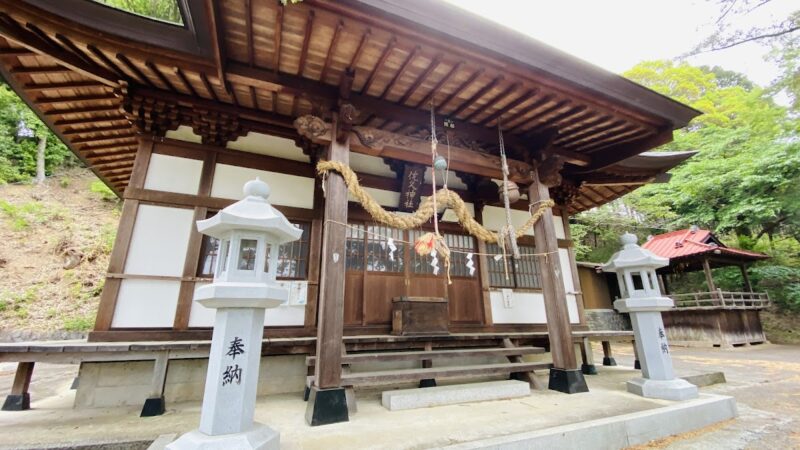
Wakamatsu Shrine grounds maintain a tranquil atmosphere despite being located in a residential area. It is classified as a small to medium-sized shrine, with a simple layout centered around the main hall and worship hall.
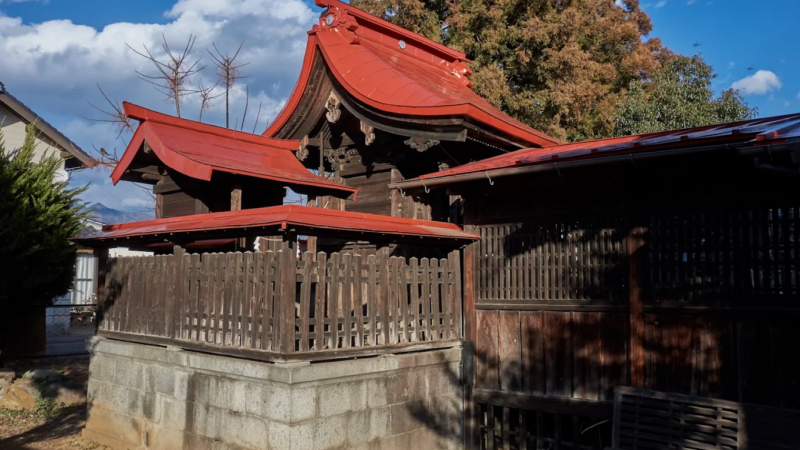
The shrine buildings follow traditional shrine architectural styles, characterized by their warm, wooden construction. Regular maintenance keeps the grounds clean and tidy, creating a welcoming environment for visitors.
Atmosphere of the Shrine Grounds
The shrine grounds are planted with trees, allowing visitors to experience the changing seasons. Spring brings fresh greenery, summer offers cool shade, autumn brings vibrant foliage, and winter presents a serene snowscape, each season offering a different face.
The quiet environment, far removed from the hustle and bustle of the city, is ideal for a peaceful visit. It’s a place frequently visited by locals, and you can witness scenes unique to a community-based shrine, such as people visiting during their morning walks or children praying before school.
Access and Parking Information
Access by Train
The nearest station to Wakamatsu Shrine is Higashi-Yamanashi Station on the JR Chuo Main Line. Wakamatsu Shrine is within walking distance from Higashi-Yamanashi Station, approximately 1.5-2 km, a 20-25 minute walk.
The general route from the station to the shrine involves heading north from the station and passing through a residential area. Along the way, you’ll walk along quiet streets lined with local shops and houses. For first-time visitors, we recommend using a smartphone map app for navigation.
Access by Car
If traveling by private car, the nearest interchanges are the Katsunuma Interchange or the Ichinomiya-Misaka Interchange on the Chuo Expressway. From the interchange, take National Route 20 or a prefectural road towards Yamanashi city center; the journey takes approximately 15-20 minutes.
Entering “1 Kaminowari, Yamanashi City, Yamanashi Prefecture” into your car navigation system or smartphone map app will display the exact location. Since the shrine is located in a residential area, some roads are narrow, so please drive carefully.
Parking
Wakamatsu Shrine may have limited dedicated parking spaces. When visiting, please be considerate of local residents and avoid street parking. During periods when crowds are expected, such as New Year’s visits or annual festivals, please consider using public transportation.
If you wish to visit or pray in a large group, it is recommended to contact the shrine in advance to check the parking situation. Since the area is also a local road used by residents, please be mindful of proper etiquette during your visit.
Etiquette and Manners for Visiting a Shrine
Basic Etiquette for Visiting a Shrine
There are certain manners to follow when visiting a shrine. When visiting Wakamatsu Shrine, following the basic steps below will allow you to respectfully face the deities.
- Bow before passing through the torii gate: As a sign of respect before entering the sacred area, bow before the torii gate.
- Walk along the edge of the path: The center of the path is considered the path of the gods, so it is proper etiquette to walk along the edge.
- Purify yourself at the water basin: If there is a water basin, purify your left hand, then your right hand, and then your mouth.
- Worship at the Main Hall: The basic procedure is two bows, two claps, and one bow. Place your offering in the offering box, ring the bell, bow deeply twice, clap twice, and finally bow once.
Attire and Mindset for Worship
While everyday clothes are acceptable for worship, remember that this is a place where you are facing the gods, and strive for clean and neat attire. Especially when receiving prayers, avoid overly casual or revealing clothing; formal or semi-formal attire is preferable.
Worship is a time for dialogue with the gods. Offer your gratitude and renew your resolve for the future, and worship with sincerity. When making requests, it is important to first express your gratitude.
Annual Events and Festivals
Grand Festival
Many shrines hold grand festivals in spring and autumn. It is believed that Wakamatsu Shrine also holds festivals throughout the year based on local traditions. The annual grand festival is the most important festival for the shrine, where gratitude is offered to the gods and prayers are made for peace and prosperity in the community.
For information on the festival’s dates and content, please inquire directly with the shrine or check local bulletin boards. This traditional festival, in which all residents participate, is an important opportunity to deepen community bonds.
New Year’s Events
During the first three days of the New Year, many people visit the shrine for their first shrine visit of the year. This traditional Japanese custom of praying for safety in the new year and the health of one’s family remains popular. At Wakamatsu Shrine, many worshippers, mainly local residents, visit to offer their New Year’s greetings.
In addition, events such as Dondo-yaki (Sagicho) and other events during the Little New Year may be held. These events are important opportunities to pass on the region’s traditional culture to the next generation.
Shichi-Go-San
During the autumn Shichi-Go-San season, families can be seen praying for the healthy growth of their children. Shichi-Go-San is a traditional Japanese ceremony where children reach the milestones of 3, 5, and 7 years old, receiving prayers at a shrine to express gratitude to the gods for their growth and pray for their future health.
If you wish to have a Shichi-Go-San prayer ceremony at Wakamatsu Shrine, it is recommended to contact the shrine in advance to make a reservation. Since there may be times when the Shinto priest is absent, making a reservation in advance is the safest way to ensure you receive the prayer.
About Goshuin (Shrine Seals)
Issuance of Goshuin
Goshuin are received as a memento of your visit to the shrine and as proof of your connection with the gods. While it may be possible to receive a goshuin at Wakamatsu Shrine, smaller shrines may not always issue them, or there may be times when the chief priest is absent.
If you wish to receive a goshuin, it is recommended to contact the shrine in advance to confirm availability and reception hours. Also, since a goshuin is proof of your visit, be sure to complete your prayers before receiving it.
About Goshuincho (Shrine Seal Books)
When receiving goshuin, it is common to prepare a dedicated goshuincho. Goshuincho (stamp books) can be purchased at shrines, temples, and stationery stores. Please inquire directly with Wakamatsu Shrine to confirm whether they offer original goshuincho.
Information on Nearby Shrines
Major Shrines in Yamanashi City
Besides Wakamatsu Shrine, Yamanashi City is home to many other shrines, each cherished as a center of local faith. Major nearby shrines include Kanbe Shrine and Suwa Shrine, each with its own unique history and enshrined deities.
Visiting these shrines together will allow you to gain a deeper understanding of Yamanashi City’s history and culture. Information on the locations and characteristics of each shrine can be obtained from map apps and tourist information centers.
Famous Shrines in Yamanashi Prefecture
Throughout Yamanashi Prefecture, there are many famous shrines, including Asama Shrine (Fuefuki City), the Ichinomiya (first-ranked shrine) of Kai Province; Takeda Shrine (Kofu City), dedicated to Takeda Shingen; and Kanazakura Shrine (Kofu City), known as a power spot for financial luck.
Compared to these large shrines, Wakamatsu Shrine is a small, community-oriented shrine. However, this closeness to the local community and the warm atmosphere make it a charming place to visit. You can experience the simple, authentic spirit of a shrine, unlike the more touristy shrines.
Attractions and Tourist Information of Yamanashi City
Overview of Yamanashi City
Yamanashi City is located in the northeastern part of Yamanashi Prefecture, occupying the eastern part of the Kofu Basin. Blessed with abundant nature, it is particularly known as a region where fruit cultivation thrives. It is nationally famous as a producer of peaches and grapes, and there are many tourist farms where you can enjoy fruit picking.
The Fuefuki River flows through the city, and rural landscapes spread around it. There are also mountainous areas, including part of the Chichibu-Tama-Kai National Park, making it an attractive natural environment.
Nearby Tourist Spots
When visiting Wakamatsu Shrine, we recommend also visiting other tourist spots in Yamanashi City. Nishizawa Gorge is a beautiful gorge, including the Nanatsugama Godan Falls, selected as one of Japan’s Top 100 Waterfalls, and is a popular trekking course. Furthermore, Hottarakashi Onsen is known for its spectacular open-air bath offering panoramic views of the Kofu Basin, and bathing while watching the sunrise is especially wonderful. Fruit Park is a popular spot for families, where you can enjoy seasonal flowers and fruits.
Gourmet Information
When visiting Yamanashi City, be sure to enjoy the local flavors. Hoto, a Yamanashi specialty, is a local dish made with thick noodles and plenty of vegetables, especially warming during the colder months. Also, don’t miss the fresh fruits and sweets made with them, as Yamanashi is a fruit kingdom.
Local wineries offer tastings and purchases of Yamanashi-produced wines, making it especially recommended for wine lovers. There are also many restaurants serving dishes that utilize local ingredients, allowing you to enjoy food in addition to sightseeing.
Points to Note When Visiting
What to Do When a Shinto Priest is Absent
Wakamatsu Shrine is a small shrine functioning as the local guardian shrine, so a Shinto priest may not be permanently stationed there. If you wish to receive prayers or a Goshuin (temple/shrine stamp), please be sure to contact the shrine in advance to confirm the priest’s availability.
Contact information can be found on the Yamanashi Prefectural Shrine Association website or in the telephone directory. Since they may not be able to accommodate unannounced visits, prior contact is essential, especially if you are visiting from a distance.
Consideration for the Community
Wakamatsu Shrine is located in a residential area, so consideration for nearby residents is important when visiting. Please observe basic manners such as avoiding loud conversations and noise, and refraining from parking on the street.
In particular, please refrain from visiting early in the morning or late at night, considering the impact on the neighborhood, or be mindful of acting quietly. Remember that the shrine is part of the living space of the local community, and it is important to visit with respect.
Photography Etiquette
Photography is generally permitted on the shrine grounds, but please refrain from taking pictures inside the main hall or in sacred areas. Also, be considerate of other visitors when taking pictures, and be mindful of protecting personal information when posting on social media.
Remember that the shrine is a place of worship, not a tourist facility, and take pictures with respect. If you have any questions, we recommend checking with the Shinto priests or other relevant personnel.
Shrine Visits in the Digital Age
Online Information Gathering
In modern times, you can research information about shrines online beforehand. Basic information about Wakamatsu Shrine can be found on the Yamanashi Prefectural Shrine Association website, various map services, and shrine information websites.
Using a smartphone map app, you can easily search for routes from your current location to the shrine and check the travel time. Also, if there is an information service using QR codes, you may be able to obtain detailed information by scanning your smartphone within the shrine grounds.
Social Media and Shrines
Recently, shrines are increasingly using social media to disseminate information. Information such as event announcements, seasonal changes in the shrine grounds, and limited-edition goshuin (shrine stamps) may be shared in real time.
It is unclear whether Wakamatsu Shrine has an official social media account, but following the Yamanashi Prefectural Shrine Association or related organizations’ social media accounts may provide information about local shrines. However, since there are shrines with the same name in other regions, be sure to carefully check the location when confirming information.
Summary
Wakamatsu Shrine, located in Kaminowari, Yamanashi City, Yamanashi Prefecture, is a shrine deeply rooted in the community and cherished by local residents for many years. Unlike large tourist shrines, its charm lies in its quiet and peaceful atmosphere for worship.
The address is 1 Kaminowari, Yamanashi City, Yamanashi Prefecture, with the postal code 405-0004. The nearest station is Higashi-Yamanashi Station on the JR Chuo Main Line. While access by car is possible, parking may be limited, so prior confirmation is recommended.
When visiting, it is important to observe basic shrine etiquette and be considerate of local residents. If you wish to receive prayers or a Goshuin (shrine stamp), it is recommended to contact the shrine in advance, as priests may not be present during certain times.
If you have the opportunity to visit Yamanashi City, why not combine a visit to Wakamatsu Shrine with enjoying the region’s rich nature, fruit picking, hot springs, and other sightseeing? Spending time quietly contemplating the deities while immersing yourself in the local history and culture will be a precious experience that allows you to forget the hustle and bustle of everyday life.
As one of the 11 Wakamatsu Shrines located throughout Japan, Wakamatsu Shrine in Yamanashi City, Yamanashi Prefecture, will continue to be carefully preserved as the guardian deity of the region. We hope that all visitors will feel the blessings of the deities and the warmth of the community during their visit.