Complete Guide to Wakamiya Hachiman Shrine (Nishihoshita, Makioka-cho, Yamanashi City, Yamanashi Prefecture)
Wakamiya Hachiman Shrine, located in Nishihoshita, Makioka-cho, Yamanashi City, Yamanashi Prefecture, is a historic shrine that has long been cherished by the local community. This article provides a detailed explanation of information you should know before visiting, including the history of Wakamiya Hachiman Shrine, its enshrined deities, blessings, highlights of the grounds, and access methods.
Overview of Wakamiya Hachiman Shrine
Wakamiya Hachiman Shrine is located in the Nishihoshita area of Makioka-cho, Yamanashi City, Yamanashi Prefecture, and has played a central role in the local community. Makioka-cho is located in the northern part of Yamanashi City and is known as a region surrounded by abundant nature.
The name “Wakamiya” of the shrine originates from the fact that it enshrines Wakamiya (the youngest son) of Hachiman, and Wakamiya Hachiman Shrines exist throughout Japan. Hachiman worship is widespread throughout Japan, and has a history of being deeply revered, especially in samurai society.
Location and Basic Information
- Location: Nishihoshita, Makioka-cho, Yamanashi City, Yamanashi Prefecture
- Religious Corporation: Association of Shinto Shrines
- Main Deity: Emperor Ojin (Hachiman Okami)
- Shrine Rank: Village Shrine (Former Shrine Rank)
History of Wakamiya Hachiman Shrine
Origin of Founding
Unfortunately, detailed records regarding the exact founding date of Wakamiya Hachiman Shrine have been lost. However, based on local traditions and the spread of Hachiman worship in the surrounding area, it is believed to have been founded sometime between the medieval and early modern periods.
Hachiman worship spread throughout Japan from the Heian period onward, and was particularly revered as the guardian deity of samurai during the Kamakura period. In Kai Province (present-day Yamanashi Prefecture), Hachiman shrines were established in various locations due to the influence of samurai families, including the Takeda clan.
Connection with the Community
The Nishihoshita district of Makioka-cho has long been a settlement centered on agriculture. Wakamiya Hachiman Shrine has functioned as the guardian deity of the community, a place where people prayed for abundant harvests and family safety.
During the Edo period, it was carefully preserved by the villagers as the village’s guardian shrine, and festivals and religious ceremonies were held there. Despite being affected by the Meiji-era shrine consolidation policy, it has been preserved to this day through the efforts of the local people.
Changes Since the Modern Era
Under the Meiji-era shrine ranking system, Wakamiya Hachiman Shrine was ranked as a village shrine. Makioka-cho was created through the Showa-era mergers, and in 2005, it merged with Yamanashi City to become the current Makioka-cho, Yamanashi City.
Amidst these administrative changes, Wakamiya Hachiman Shrine remains a symbol of the community’s identity and is cherished by the local residents.
Deities and Blessings
Main Deity: Emperor Ōjin (Hachiman Ōkami)
The main deity of Wakamiya Hachiman Shrine is Emperor Ōjin. Emperor Ōjin is considered the 15th Emperor and is deified as Hachiman Ōkami.
Hachiman is worshipped as a deity with diverse characteristics, as follows:
- God of War: Long-lasting military fortune, good luck in competitions
- God of Agriculture: Abundant harvests, prayers for a good harvest
- God of the Sea: Safe voyages
- God of Industrial Development: Industrial development
Expected Benefits at Wakamiya Hachiman Shrine
By visiting Wakamiya Hachiman Shrine, you can expect the following benefits:
- Family Safety: Health and peaceful life for the family
- Abundant Harvest: Abundant crops and business prosperity
- Protection from Misfortune and Disaster: Protection from misfortune and safeguarding peaceful days
- Good Luck in Competitions: Passing exams, success in competitions
- Prosperity of Descendants: Children, safe childbirth, child-rearing
- Long-lasting Military Fortune: The Power to Overcome Difficulties
As a deity protecting local agriculture, the blessings of abundant harvests have been particularly valued locally.
Highlights of the Shrine Grounds
Shrine Building
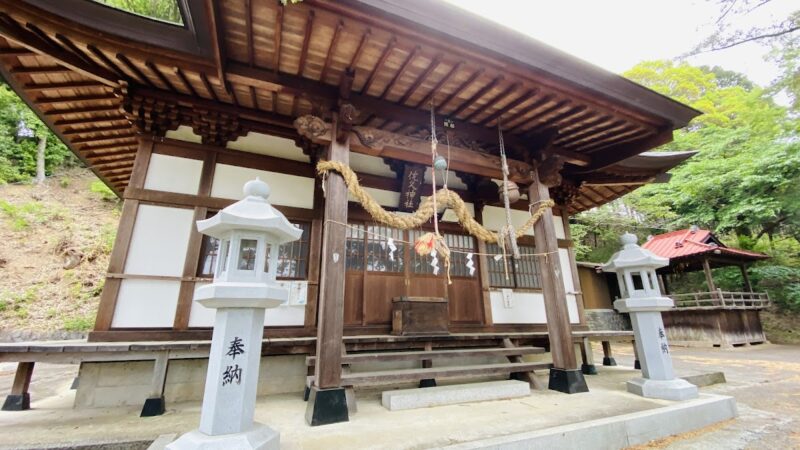
The shrine building of Wakamiya Hachiman Shrine preserves the traditional shrine architectural style of the region. Although small in scale, it has been carefully maintained through the faith of the local people.
The main hall is protected by a protective structure, and worshippers can pray from the worship hall. An atmosphere that evokes the history of the region permeates the area around the shrine.
Nature of the Shrine Grounds
Makioka Town is a region blessed with abundant nature at a high altitude. The grounds of Wakamiya Hachiman Shrine also offer the opportunity to enjoy the beauty of nature throughout the seasons.
- Spring: Beautiful fresh greenery and refreshing air.
- Summer: Cool shade from the trees, creating a summer resort atmosphere.
- Autumn: Autumn leaves adorn the shrine grounds, creating a deeply atmospheric scene.
- Winter: Snow-covered grounds possess a serene beauty.
Stone Monuments and Memorials
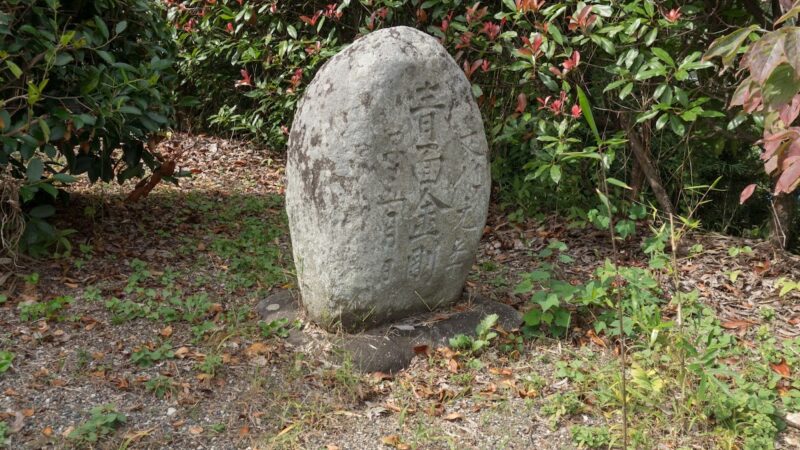
Sometimes, stone monuments and memorials remain on the shrine grounds, telling the history of the region. These are valuable historical materials that tell the story of the deep faith the local people have in the shrine.
Annual Events and Festivals
Grand Festival
Wakamiya Hachiman Shrine holds its annual grand festival every year. The grand festival is the most important festival for the shrine, and local residents gather to express their gratitude to the gods and pray for future protection.
The specific date depends on local customs, but many Hachiman shrines tend to hold their grand festival to coincide with the autumn harvest season.
First Shrine Visit of the New Year
At the start of the new year, local people visit the shrine for their first shrine visit of the year. Although it is a small shrine, it is an important place for local people to pray for safety and prosperity in the new year.
Other Shinto Rituals
- Monthly Festival: Regular monthly festival
- Exorcism Prayer: Prayers for those in their unlucky years
- Shichi-Go-San: A ceremony celebrating the growth of children
For specific dates and details of events, please contact the local parishioners’ representative or the relevant department in Yamanashi City.
Access Information
Location
Address: Nishiho-shita, Makioka-cho, Yamanashi City, Yamanashi Prefecture
Access by Car
The most convenient way to access Wakamiya Hachiman Shrine is by car.
From the Chuo Expressway:
- Approximately 30 minutes from Katsunuma Interchange
- Approximately 40 minutes from Ichinomiya-Misaka Interchange
Take National Route 140 and head towards Makioka. Enter the Nishiho area and follow the local signs.
Access by Public Transportation
If using public transportation:
- JR Chuo Main Line: Get off at Yamanashi-shi Station or Shioyama Station.
- Local Bus: Take a Yamanashi City Bus or Eiwa Kotsu bus towards Makioka.
- Taxi: Take a taxi from the station (approximately 30-40 minutes).
Makioka-cho is located in a mountainous area, so bus services are limited. We recommend checking the timetable in advance.
Parking
Depending on the size of the shrine, there may not be a dedicated parking lot. When visiting, please be considerate of the local community. Temporary parking may be provided during festivals.
Nearby Tourist Attractions
When visiting Wakamiya Hachiman Shrine, we recommend also visiting other tourist attractions in Makioka-cho and Yamanashi City.
Nishizawa Valley
A popular tourist destination where you can enjoy the beautiful valley scenery, including the Nanatsugama Godan Falls, selected as one of Japan’s Top 100 Waterfalls. It’s about a 20-minute drive from Wakamiya Hachiman Shrine.
Otome Plateau
This plateau, located at an altitude of 1,700 meters, boasts a variety of alpine plants in full bloom from early summer to autumn. It’s an ideal spot for hiking and trekking.
Fuefukigawa Fruit Park
A representative tourist facility in Yamanashi City, featuring orchards and hot springs, offering stunning views of the Kofu Basin.
Hottarakashi Onsen
A popular hot spring facility in Yamanashi City, famous for its open-air bath with panoramic views of Mt. Fuji and the Kofu Basin.
Michi-no-Eki Makioka
A roadside station where you can purchase fresh local produce and specialty products. Makioka Town is also known as a Kyoho grape producing area, and grape picking is available in autumn.
History and Culture of Makioka Town
Origins of Makioka Town
Makioka Town was formed in 1955 (Showa 30) through the merger of Nishibo Village, Makioka Village, and Murofushi Village. In 2005 (Heisei 17), it merged with Yamanashi City and is now Makioka Town, Yamanashi City.
One theory suggests that the name “Makioka” originates from the fact that this area was once used as a pasture.
Industry and Local Products
Makioka Town thrives on fruit cultivation, taking advantage of its high altitude and cool climate. It is particularly known nationwide as a production area for Kyoho grapes, and “Makioka Kyoho” is a popular high-quality brand of grape.
Other fruits such as apples, peaches, and cherries are also cultivated, making it an important production area within Yamanashi Prefecture, a “fruit kingdom.”
Local Traditional Culture
Makioka Town has a long tradition of events and folk performing arts that have been passed down through generations. At local shrines, including Wakamiya Hachiman Shrine, festivals praying for a bountiful harvest are still held, playing a role in strengthening community bonds.
Manners and Points for Visiting Shrines
Basic Worship Etiquette
When visiting Wakamiya Hachiman Shrine, please observe the following basic etiquette:
- Bow before passing through the torii gate: This is a sign of respect when entering the sacred area.
- Avoid walking in the center of the approach: The center is considered the path of the gods.
- Purify yourself at the water basin: Purify your left hand, then your right hand, then your mouth.
- Worship at the main hall: The basic procedure is two bows, two claps, and one bow.
- Bow upon leaving: Turn around and bow before leaving the torii gate.
Attire for Visiting Shrines
While special formal attire is not required, clean clothing that reflects the sacred nature of the place is desirable. Avoid revealing or overly flashy clothing.
Regarding Photography
Photography is generally permitted within the shrine grounds, but it is considered good manners to refrain from taking pictures inside the main hall or during Shinto rituals. If unsure, please check with the parishioners’ representative or the shrine administrator.
Consideration for the Community
Wakamiya Hachiman Shrine is the heart of the local community and is located within the living area of local residents. When visiting, please observe the following points:
- Refrain from loud conversations
- Always take your trash with you
- Do not trespass on private property
- Avoid street parking
- Do not disturb the peace and tranquility of the area
Future Prospects for Wakamiya Hachiman Shrine
Regional Depopulation and Shrine Maintenance
Like many rural areas in Japan, Makioka Town is experiencing population decline and an aging population. In this situation, maintaining the local shrine is a major challenge.
Wakamiya Hachiman Shrine may also be facing problems such as a decrease in parishioners and a shortage of people to carry out maintenance. However, the importance of passing on the region’s history and culture to future generations remains unchanged.
Collaboration with Regional Revitalization
In recent years, initiatives to utilize shrines as hubs for regional revitalization have been underway in various regions. The following possibilities can be considered for Wakamiya Hachiman Shrine:
- Utilization as a Tourism Resource: Development of sightseeing routes in conjunction with tourist attractions such as Nishizawa Gorge
- Protection as a Cultural Property: Re-evaluation of its value as a cultural property that conveys the history of the region
- Community Gathering: Strengthening its function as a place for interaction among local residents
- Preservation of Traditional Events: Activities to pass on traditional culture to younger generations
External Support
To protect local shrines, support from outside is important, not just from local residents. An increase in visitors could raise interest in the shrine, potentially leading to greater understanding and cooperation in its maintenance and management.
Summary
Wakamiya Hachiman Shrine (Nishihoshita, Makioka-cho, Yamanashi City, Yamanashi Prefecture) is a historical shrine deeply rooted in the community. Though small in scale, it is an important presence that has supported the faith and culture of the local people, and it conveys the history and traditions of Makioka-cho to the present day.
Wakamiya Hachiman Shrine, dedicated to Hachiman Daishin, is believed to offer blessings for family safety, abundant harvests, and protection from evil, and has been cherished by local residents. The quiet grounds, surrounded by abundant nature, offer a calming and healing space.
When visiting Makioka-cho in Yamanashi City, why not also visit Wakamiya Hachiman Shrine in conjunction with other tourist spots such as Nishizawa Gorge and Otome Plateau? Experiencing the local history and culture will surely deepen your travel memories.
When visiting, please remember to be considerate of the local residents and observe proper etiquette as it is a sacred place. Although it is a small shrine, it is filled with the thoughts and history of the local people.
We hope that Wakamiya Hachiman Shrine will continue to be a guardian deity of the region and a spiritual haven for visitors for many years to come.