Complete Guide to Oki Shrine (Yamanashi City, Yamanashi Prefecture) | History, Deities, Access, and Visiting Information
Oki Shrine, located in Somaguchi, Makioka-cho, Yamanashi City, Yamanashi Prefecture, is a historical shrine deeply rooted in the local community. This article provides comprehensive information you should know before visiting, from detailed information about Oki Shrine to points of interest for visitors and nearby attractions.
Basic Information about Oki Shrine
Oki Shrine is located at 2380 Somaguchi, Makioka-cho, Yamanashi City, Yamanashi Prefecture. Its former shrine rank was Village Shrine. Its corporate number is registered as “2090005003574” and it belongs to the Yamanashi Prefectural Shrine Association.
Location and Contact Information
- Address: 2380 Somaguchi, Makioka-cho, Yamanashi City, Yamanashi Prefecture 404-0002
- Postal Code: 404-0002
- Jurisdiction: Yamanashi Prefectural Shrine Association
- Former Shrine Rank: Village Shrine
- Corporate Number: 2090005003574
About the Name “Ōki Shrine”
There are nine shrines named “Ōki Shrine” throughout Japan. Each shrine has cultivated its own unique history and faith in its respective region, and Ōki Shrine in Yamanashi City, Yamanashi Prefecture, is one such shrine, cherished by the local people.
History and Origins of Ōki Shrine
Ōki Shrine is the tutelary shrine of the Somaguchi district of Makioka-cho, and has long been revered by local residents. Yamanashi City is also known as a place associated with Takeda Shingen, and many historical shrines and temples are scattered throughout the surrounding area.
Historical Background of Makioka Town
Makioka Town was an independent town until its merger with Yamanashi City in 2005, but it was a region with a long history of thriving forestry. The place name “Somaguchi” is thought to originate from “Somabito” (lumberjacks), and it is presumed that Oki Shrine was deeply connected to the local industry and way of life.
As a village shrine, it played a central role in the local community and was cherished as a place to pray for abundant harvests, family safety, and peace in the region.
Deities and Divine Virtues
The deities enshrined at Oki Shrine are gods based on local traditions and beliefs. As a village shrine that has played a role in protecting the region, it is believed to possess the following divine virtues:
Main Divine Virtues
- Family Safety: Protection of family health and peaceful living
- Abundant Harvest: Prayers for abundant crops
- Regional Peace and Security: Peace and prosperity for the entire region
- Industrial Development: Protection of local industries, including forestry
Highlights of the Shrine Grounds
Oki Shrine is located in the naturally rich environment of Makioka-cho, Yamanashi City, offering a tranquil atmosphere for worship.
Shrine Building
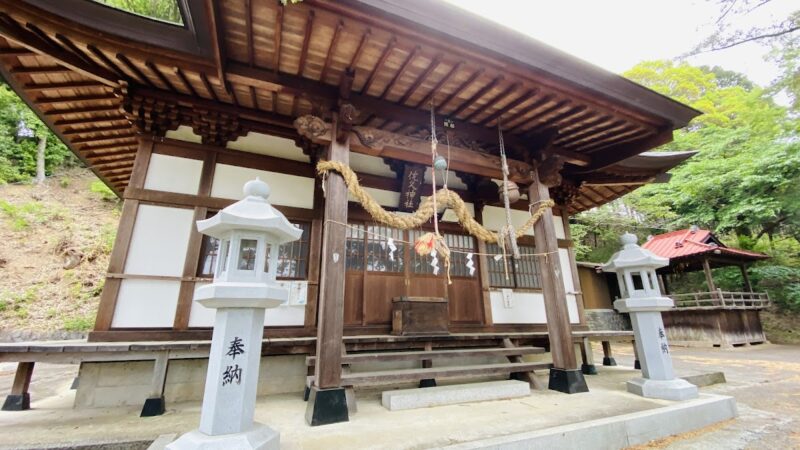
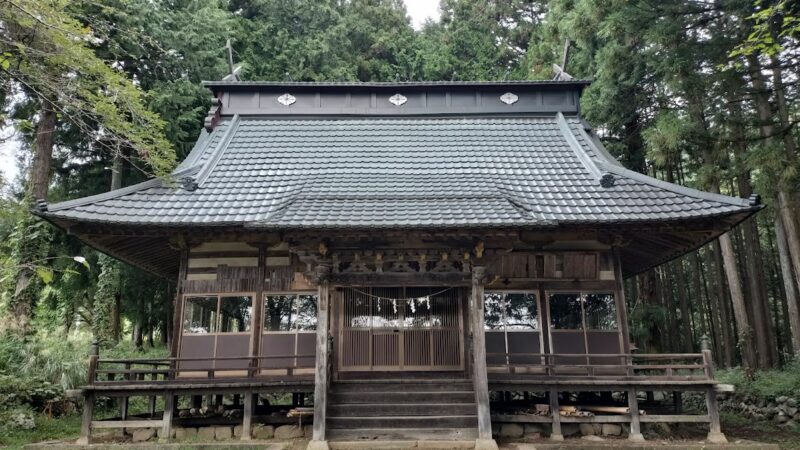
As a local village shrine, it features a simple yet robust shrine building. It preserves the traditional style of Yamanashi shrine architecture.
Natural Environment of the Shrine Grounds
Makioka-cho is a high-altitude area blessed with abundant nature. The area surrounding Oki Shrine is also lush and green, allowing worshippers to experience the changing seasons. The scenery is particularly beautiful during the fresh greenery of spring and the vibrant autumn foliage.
Access Methods
Access to Oki Shrine is most convenient by car.
Access by Car
- Chuo Expressway: Approximately 30-40 minutes from Katsunuma IC or Ichinomiya-Misaka IC
- Parking: Parking spaces are available on the shrine grounds or nearby (checking on-site is recommended for details)
Access by Public Transportation
- Nearest Station: JR Chuo Main Line, Yamanashi-shi Station or Shioyama Station
- Access from Station: Take a taxi or city bus (approximately 20-30 minutes)
Since it is a distance from Yamanashi-shi Station and Shioyama Station, if using public transportation, it is recommended to check the bus timetable in advance or take a taxi.
Road Conditions in the Surrounding Area
Makioka-cho is located in a mountainous area, so there is a possibility of snow and icy roads in winter. When visiting in winter, it is recommended to use studless tires or carry snow chains.
Manners and Points for Visiting a Shrine
When visiting a shrine, please observe basic manners and offer your prayers with sincerity.
Basic Worship Etiquette
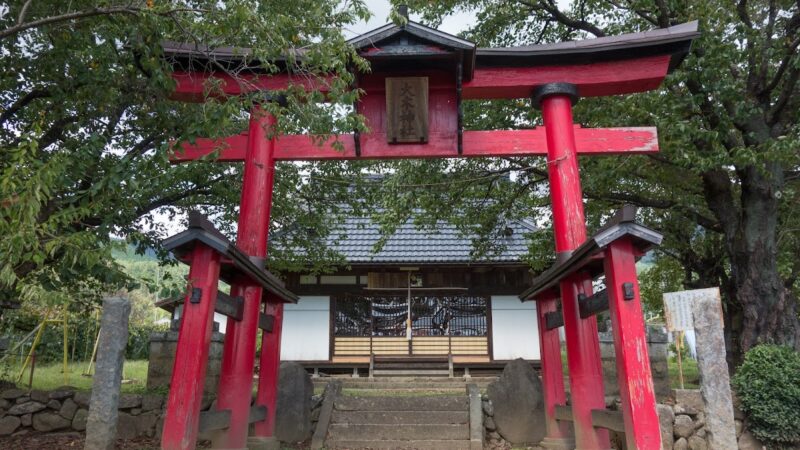
- Bow before passing through the torii gate: This is a sign of respect before entering the sacred area.
- Purify yourself at the water basin: Purify your left hand, then your right hand, then your mouth.
- Walk along the edge of the path: The center is considered the path of the gods.
- Two bows, two claps, one bow: This is the general etiquette for visiting a shrine.
Suitable Time to Visit
While Oki Shrine is open for visits throughout the year, the following times are especially recommended.
- New Year’s Visit: Praying for happiness in the new year
- Spring Grand Festival: A traditional local event (please check the date in advance)
- Autumn Grand Festival: Offering thanks for the harvest
Major Shrines around Yamanashi City
When visiting Oki Shrine, why not also visit other shrines in Yamanashi City and the surrounding area?
Major Shrines in Yamanashi City
Oimata Kubohachiman Shrine
An ancient shrine located in the north of Yamanashi City, also known as a shrine associated with Takeda Shingen. The main hall, designated as a National Important Cultural Property, is a must-see.
Omiya Gosho Okami
A shrine located in the center of Yamanashi City, revered as the guardian shrine of the region.
Hashiriyu Shrine
A shrine worshipped as the guardian deity of hot springs, deeply connected to Yamanashi City’s hot spring culture.
Suga Shrine
A shrine dedicated to Sugawara no Michizane, the god of learning, visited by students taking exams and those praying for academic success.
Nishiyama Tenjin Shrine
Also a Tenjin shrine dedicated to Sugawara no Michizane, and a central hub of learning worship in the region.
Notable Shrines in Nearby Cities
Kofu City
- Takeda Shrine: A representative shrine of Yamanashi Prefecture dedicated to Takeda Shingen
- Meotogi Shrine: Popular as a power spot for matchmaking
Koshu City
- Daizenji Temple: An ancient temple known as the “grape temple”
- Erinji Temple: Takeda Shingen’s family temple
Kai City
- Homi Shrine: A Shikinaisha shrine with a history dating back to ancient times
Tourist Spots in Yamanashi City
In addition to visiting Oki Shrine, you can also enjoy sightseeing in Yamanashi City.
Nature and Scenic Spots
Nishizawa Valley
A popular hiking course where you can enjoy the beautiful valley scenery, including the Nanatsugama Godan Falls, selected as one of Japan’s Top 100 Waterfalls.
Otome Plateau
A plateau at an altitude of 1,700m, where various alpine plants bloom in the summer.
Fruit Picking
Yamanashi City is a major fruit-growing area, and you can enjoy various fruit picking activities throughout the seasons.
- Peach Picking: Late June to August
- Grape Picking: August to October
- Apple Picking: September to November
Hot Spring Facilities
Hottarakashi Onsen
A popular hot spring facility known for its spectacular open-air bath. You can enjoy panoramic views of Mt. Fuji and the Kofu Basin.
Fuefukigawa Onsenkyo
A hot spring area stretching from Yamanashi City to Fuefuki City, with many hot spring inns scattered throughout.
Shrine Culture of Yamanashi Prefecture
Yamanashi Prefecture has over 1,200 shrines, and a unique shrine culture has flourished there.
Takeda Shingen and Shrines
Sengoku-era daimyo Takeda Shingen placed great importance on shrines and temples in his domain management, protecting and restoring many of them. Many shrines associated with Shingen remain around Yamanashi City.
Mount Fuji Worship
Yamanashi Prefecture is located north of Mount Fuji, and Mount Fuji worship has been prevalent there since ancient times. Many shrines, including Asama Shrine, consider Mount Fuji as their sacred object.
Mountain Worship
Yamanashi Prefecture is surrounded by mountains, including the Southern Alps, Yatsugatake, and Okuchichibu. Mountain worship, which reveres mountains as sacred, is deeply rooted, and there are many shrines based on mountain worship, such as Otakeyama Nagato Shrine.
Characteristics of Makioka Town
Makioka Town, where the Oki Shrine is located, is a former town area in the northeastern part of Yamanashi City.
Regional Characteristics
- Elevation: Much of the town area is mountainous, at an elevation of 500m or higher.
- Climate: Summers are relatively cool, and winters are severely cold.
- Industry: Forestry, fruit cultivation, and tourism are the main industries.
Kyoho Grape Village
Makioka Town is known as the “Kyoho Grape Village,” a production area for high-quality Kyoho grapes. The high elevation and large temperature difference contribute to the cultivation of grapes with high sugar content.
Nishizawa Gorge
Nishizawa Gorge, Makioka Town’s greatest tourist attraction, boasts some of the most beautiful gorges in Japan and attracts many tourists throughout the year.
History of Yamanashi City
Yamanashi City was formed in 2005 through the merger of the former Yamanashi City, Makioka Town, and Mitomi Village.
Ancient and Medieval Periods
In ancient times, it belonged to Yamanashi District of Kai Province, and during the Heian period, manors developed. During the Sengoku period, it prospered as the territory of the Takeda clan, and many historical sites remain.
Modern Period and Beyond
Since the Meiji era, sericulture and fruit cultivation have developed, with peach and grape cultivation becoming particularly popular. It remains one of Japan’s leading fruit-producing regions today.
Attire and Items to Bring When Visiting the Shrine
Attire
- Basic: Clean and understated clothing
- Summer: Wear a hat and sunscreen due to strong sunlight
- Winter: Dress warmly (especially in mountainous areas)
Items to Bring
- Goshuincho: If you wish to receive a Goshuin (shrine stamp) (prior confirmation recommended)
- Offering: Having small change on hand is convenient
- Camera: Photography is often permitted on the shrine grounds, but please observe proper etiquette.
Nearby Accommodations
There are various accommodations around Oki Shrine and in Yamanashi City.
Hot Spring Inns
There are many hot spring inns in Fuefukigawa Onsenkyo and Isawa Onsenkyo, where you can relax and enjoy the hot springs after visiting the shrine.
Business Hotels
There are also many business hotels around Yamanashi City Station and in Kofu City, offering reasonably priced accommodations.
Guesthouses and Pensions
Around Makioka-cho, there are guesthouses and pensions surrounded by nature, offering a homey atmosphere.
Annual Events and Festivals
Oki Shrine holds various Shinto rituals throughout the year.
Main Annual Events
- New Year’s Day Festival: January 1st, praying for peace in the new year
- Spring Grand Festival: Spring, praying for the prosperity of the region
- Summer Purification Ceremony: End of June, purifying sins and impurities accumulated over the past six months
- Autumn Grand Festival: Autumn, offering thanks for the harvest
- Year-End Purification Ceremony: End of December, purifying sins and impurities accumulated over the past year
Specific dates may vary from year to year, so it is recommended to check before visiting.
The Charm of Oki Shrine
The greatest charm of Oki Shrine is its simple and warm atmosphere rooted in the local community.
A Quiet and Peaceful Worship Environment
Because it’s not a tourist destination, you can worship in a quiet and peaceful environment. Escape the hustle and bustle of everyday life and have time to quietly connect with the gods.
Connection to the Community
As a village shrine that has protected the community for many years, you can feel the history and culture of the region.
Harmony with Nature
Surrounded by the rich nature of Yamanashi, you can worship while feeling the changing seasons.
Photo Spots
There are recommended spots for photography at Oki Shrine and the surrounding area.
Shrine Buildings
You can capture the beauty of traditional shrine architecture in photographs.
Nature within the Shrine Grounds
Enjoy the changing expressions of nature throughout the seasons. The seasons of fresh greenery and autumn leaves are especially ideal for photography.
Surrounding Scenery
The mountain scenery of Makioka Town possesses a beauty that evokes the original landscape of Japan.
*When taking photographs, please be considerate of other worshippers and respect the shrine’s rules.
About Goshuin (Shrine Seals)
Goshuin are popular as souvenirs of shrine visits, but it is recommended to check in advance regarding Goshuin availability at Oki Shrine.
Manners for Receiving a Goshuin
- Receive after your visit: Goshuin are proof of your visit, so be sure to receive them after your visit.
- Prepare your Goshuincho (Shrine Seal Book): Open your Goshuincho and hand it over.
- Prepare the offering: Prepare small change so no change is needed.
- Express your gratitude: Express your gratitude politely.
About the Yamanashi Prefectural Shrine Association
Oki Shrine belongs to the Yamanashi Prefectural Shrine Association. The Yamanashi Prefectural Shrine Association is an organization that oversees shrines throughout the prefecture, providing support for shrine operations, training for Shinto priests, and promoting Shinto culture.
There are approximately 1,200 shrines in Yamanashi Prefecture, each preserving the history and culture of its region.
Summary
Oki Shrine is a historical shrine deeply rooted in the local community, located in Somaguchi, Makioka-cho, Yamanashi City, Yamanashi Prefecture. Its charm lies in its unpretentious atmosphere, untouched by commercialization, allowing for peaceful worship.
When visiting Yamanashi City, be sure to include a visit to Oki Shrine in your itinerary, along with fruit picking and sightseeing at Nishizawa Gorge. You’ll have a fulfilling time connecting with the region’s history and nature.
When visiting, please observe basic manners and offer your prayers with gratitude. Enjoy a peaceful moment at Oki Shrine, surrounded by the beautiful nature of each season.