Daitakesan Nagato Shrine (Yamanashi Prefecture) Complete Guide | History, Deities, Access, and Festival Information
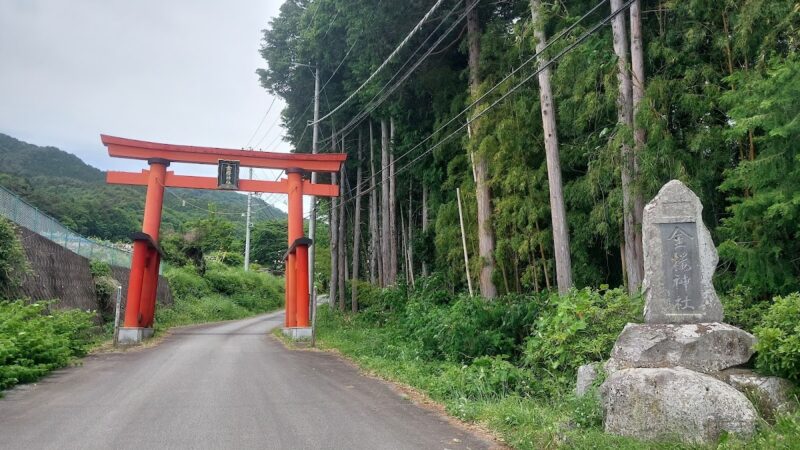
Daitakesan Nagato Shrine, nestled in a deep, secluded valley in Yamanashi City, Yamanashi Prefecture, is a sacred shrine that preserves the legend of Yamato Takeru’s eastern expedition and the history of Shugendo (mountain asceticism). Located south of the Nishizawa Valley, along a tributary of the Fuefuki River, the approximately 1-kilometer walk from the parking lot to the shrine grounds is a sacred experience that purifies the soul.
History and Origins of Daitakesan Nagato Shrine
Legend of Yamato Takeru’s Eastern Expedition
The origins of Daitakesan Nagato Shrine date back to the reign of Emperor Keiko, the twelfth emperor of Japan. When Prince Yamato Takeru was attempting to cross the border between Kai, Musashi, and Shinano provinces during his eastern subjugation, a thick mist enveloped him, making it impossible to see in any direction. It is said that when Takeru no Mikoto set up camp in a rock cave and prayed to the three gods, he received a divine message showing him the path he should take.
As a token of gratitude for the divine favor, Takeru no Mikoto left his sword in a rock cave on the Tengu Ridge of Kokushigatake (2,436 meters above sea level) and enshrined the three gods: Oyamatsumi no Kami, Oikazuchi no Kami, and Takaokami no Kami. This is considered the origin of the inner sanctuary of our shrine.
Relocation and Founding of the Main Shrine in the First Year of the Yōrō Era
It is said that in the first year of the Yōrō era (717 AD), the shrine was relocated from a rock cave on the Tengu Ridge of Kokushigatake to its current location. This relocation is considered the founding of the main shrine, and it has attracted worshippers for over 1300 years since then.
Development as a Training Ground for En no Gyōja
In the latter half of the 7th century, it is said that En no Gyōja, a well-known mountain ascetic, opened this shrine as a training ground. Since then, it has been a sacred site for Shugendo (Japanese mountain asceticism), attracting many practitioners for training and developing as a center of mountain worship. The solemn atmosphere created by the cypress forest surrounding the grounds, the sound of the stream, and the birdsong still strongly reflects the spirit of Shugendo.
Prosperity from the Edo Period to the Early Showa Period
From the Edo period to the early Showa period, the worship of Mount Otake reached its peak. Places of worship and ritual monuments were built throughout the region, and religious associations were widely organized. Many worshippers came from within and outside the prefecture, and it flourished as a center of mountain worship. The spread of this faith at that time is said to have extended throughout the Kanto region.
Deities and Divine Virtues
Three deities are enshrined at Otakeyama Nagatsu Shrine.
Oyamatsumi-no-kami
Known as the god of mountains, Oyamatsumi-no-kami is a fundamental deity in mountain worship. He presides over mountains and is revered as the guardian deity of all industries, including forestry, mining, and agriculture. He is also believed to grant blessings for family safety and business prosperity.
Oikazuchi-no-kami
This deity presides over thunder and electricity, and in modern times is worshipped as the guardian deity of electricity and power-related industries. He is also revered as a god of agriculture due to his association with thunderstorms, and is believed to grant blessings for abundant harvests.
Takaokami-no-kami
This deity presides over water and medicinal herbs, possessing the characteristics of a dragon god that protects water sources and brings rain. Because he brings the blessings of water, he is a guardian deity of agriculture and fishing, and as a god of medicinal herbs, he is believed to grant blessings for healing illnesses and good health and longevity. In recent years, the number of visitors praying for fertility has increased, even from outside the prefecture, and the shrine has become known for its blessings of conception and safe childbirth.
Highlights of the Shrine Grounds
Approximately 1-kilometer approach
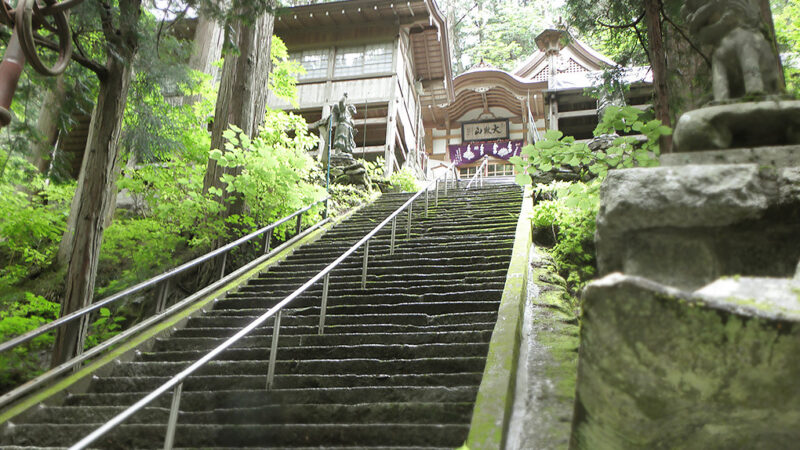
The approximately 1-kilometer approach from the parking lot to the shrine grounds is a healing space surrounded by forest. Walking along the path, listening to the sounds of the stream and birdsong, becomes a sacred time of self-purification. The approach has a profound charm in each of the four seasons, showing a different face each time you visit: the fresh green of spring, the deep green of summer, the autumn leaves, and the snowscape of winter.
Main Hall (City-designated Cultural Property)
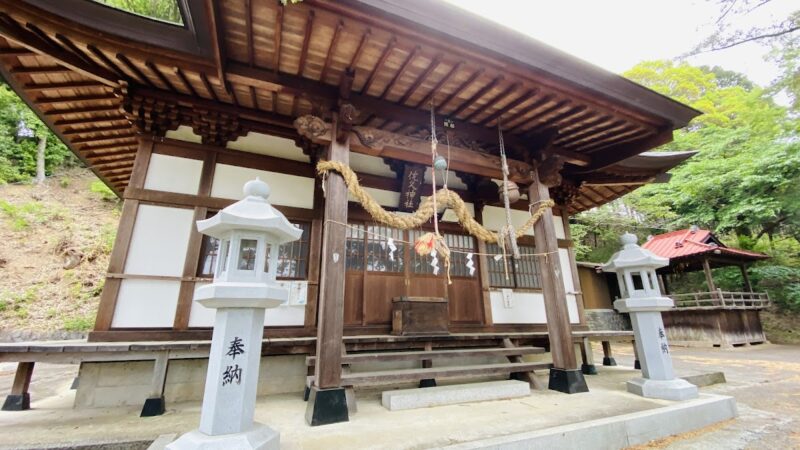
The main hall, completed in 1875 (Meiji 8), is designated as a Yamanashi City cultural property. It features a unique architectural style with a hip-and-gable roofed front entrance, a single-bay entrance on both sides, and a curved gable at the end of each eaves. The exquisite carvings and beautiful designs convey the essence of shrine architecture from the late Edo period to the early Meiji period.
Cypress Grove on the Shrine Grounds
The cypress grove surrounding the shrine buildings exudes a profound sense of sacredness, creating an atmosphere of deep mountain valleys. The aged cypress trees further accentuate the solemnity of the sacred area, allowing visitors to feel a sacred atmosphere.
Inner Shrine (Kokushigatake Tengu Ridge)
At the Tengu Ridge of Kokushigatake, at an altitude of 2,436 meters, the inner shrine, where Yamato Takeru is said to have left his sword, still stands. While it requires a serious mountain climb, it offers a special pilgrimage experience to visit the origins of faith.
Annual Festivals and Events
Otakeyama Nagato Shrine holds various festivals and events throughout the year.
Setsubun Festival (around February 3rd)
Held the day before the beginning of spring, the Setsubun Festival features a Shinto ritual to ward off evil spirits and invite good fortune. Traditional events such as bean-throwing are held, attracting many worshippers.
Spring Grand Festival (April 18th)
One of the most important festivals of the year, the Spring Grand Festival features a grand Shinto ritual praying for a bountiful harvest and the well-being of parishioners and worshippers.
Amazake Festival (July 18th)
A summer tradition, the Amazake Festival offers amazake (sweet rice wine) to worshippers. Drinking amazake in the hot summer is a traditional ritual to prevent summer fatigue and pray for good health.
Great Purification Ceremony (First Sunday of August)
The Great Purification Ceremony is held to cleanse away the sins and impurities accumulated over the past six months. Prayers are offered for a cleansing of mind and body, and for a healthy remaining half of the year.
Autumn Leaves Firewood Festival (November 3rd)
The Autumn Leaves Firewood Festival, held during the beautiful autumn foliage season, is a signature event of our shrine. A Shinto ritual involving the burning of firewood takes place, expressing gratitude for the autumn harvest and preparing for winter. Because it coincides with the peak of the autumn foliage season, many worshippers visit.
About Prayers and Worship
Prayer Reception
Otakeyama Nagato Shrine accepts various prayers. Prayers can be offered for a variety of wishes, including family safety, business prosperity, traffic safety, protection from evil, recovery from illness, and fertility/safe childbirth. If you wish to request a prayer, we recommend contacting the shrine in advance.
Guidelines for Worship
The approximately 30-minute walk along the approach to the shrine is an important part of worship. Walking through nature allows you to compose yourself and prepare to enter the sacred area. We recommend wearing comfortable clothing and walking shoes. Furthermore, it is important to worship quietly within the sacred grounds and to have a respectful attitude towards nature.
Regarding Prayers for Fertility
In recent years, the number of visitors praying for fertility from outside the prefecture has increased. The shrine is attracting worshippers who believe in the blessings of Takaokami-no-kami, the god of water and medicinal herbs, for granting children and ensuring safe childbirth. We also accept prayers for fertility; please contact the shrine if you wish to receive such a prayer.
Access Information
Location
617 Kamikamaguchi, Mitomi, Yamanashi City, Yamanashi Prefecture 404-0201
Phone Number
0553-39-2825
Access by Public Transportation
From JR Chuo Main Line “Yamanashi-shi Station,” take a bus for approximately 45 minutes, get off at the “Tenka” bus stop, and walk for approximately 30 minutes to reach the parking lot. From the parking lot, walk approximately 1 kilometer (approximately 30 minutes) along the approach to the shrine grounds.
Since bus services are limited, we recommend checking the timetable in advance.
Access by Car
Approximately 40 minutes from the Chuo Expressway’s “Katsunuma IC” or “Ichinomiya-Misaka IC”. Head towards Nishizawa Gorge and follow the signs. Parking is available (free), but you will need to walk approximately 1 kilometer along the approach to the shrine from the parking lot.
Estimated Time Required for Visit
Please allow at least 1.5 to 2 hours, including the round trip from the parking lot and the visit itself. If you wish to enjoy the approach at a leisurely pace, we recommend allowing even more time.
Nearby Tourist Attractions
Nishizawa Gorge
Nishizawa Gorge, located near Otakeyama Nagato Shrine, is a popular tourist spot where you can enjoy the beautiful gorge scenery, including the Nanatsugama Godan Falls, which has been selected as one of Japan’s Top 100 Waterfalls. A walking trail is maintained, and it attracts many tourists, especially during the seasons of fresh greenery and autumn leaves.
Hot Springs in the Mitomi Area
After visiting the shrine, we recommend relaxing in the hot springs of the Mitomi area. There are several hot spring facilities nearby that offer day-use bathing, making them perfect for refreshing yourself after a mountain hike.
Precautions for Visiting the Shrine
Clothing and Equipment
- Since you will be walking approximately 1 kilometer along a mountain path, comfortable clothing and walking shoes (trekking shoes or sneakers) are essential.
- Please prepare appropriate warm clothing and rain gear for the season.
- Even in summer, the forest can be cool, so it’s convenient to bring something to wear over your clothes.
- Bringing drinking water is recommended.
About the Time of Visit
- During winter (December to March), the approach to the shrine may be difficult to pass due to snow.
- If you plan to visit, it is recommended to contact the shrine in advance.
- The fresh greenery of spring (May to June) and the autumn foliage (late October to early November) are particularly beautiful times.
Manners
- Please pray quietly within the sacred grounds and refrain from loud conversations.
- Please respect nature and take all your trash with you.
- Photography is permitted, but please be considerate of other visitors.
- Photography inside the main hall may be prohibited, so please check beforehand.
The Charm of Otakesan Nagato Shrine
A Healing Space in the Deep Mountains and Valleys
The greatest charm of Otakesan Nagato Shrine lies in its location. Situated at the northeastern tip of Yamanashi Prefecture, on the border with Saitama Prefecture, and surrounded by steep mountains, the shrine is nestled in a secluded area, truly evoking a sense of deep mountain seclusion and offering visitors healing and a pure atmosphere.
Layers of History and Faith
Beginning with the legend of Yamato Takeru, developing as a training ground for Shugendo (mountain asceticism), and attracting widespread devotion through the organization of religious associations during the Edo period, the layered history of the shrine is a major attraction. You can feel the continuous practice of faith from ancient times to the present day throughout the shrine grounds.
Natural Beauty in Every Season
The natural beauty that adorns the approach to the shrine and the shrine grounds in every season is also not to be missed. From the budding of spring, the deep green of summer, the autumn foliage, to the snowy landscapes of winter, it shows completely different expressions depending on the season you visit. Especially during the autumn foliage season, the approach to the shrine is dyed in red and yellow, creating a breathtakingly beautiful sight.
The Experience of Walking the Approach
The experience of walking the approximately 1-kilometer approach to the shrine is the essence of visiting Otakeyama Nagato Shrine. Walking while listening to the sounds of the stream, birdsong, and rustling of the trees provides a precious opportunity to escape the hustle and bustle of everyday life and confront oneself. Through this journey, one can purify oneself and prepare one’s mind before the shrine.
Summary
Otakeyama Nagato Shrine is a representative and highly sacred shrine in Yamanashi Prefecture, preserving the legend of Yamato Takeru and the history of Shugendo (mountain asceticism). The shrine grounds nestled in a deep mountain valley, the approximately 1-kilometer approach, and the divine virtues of the three deities offer a special pilgrimage experience that purifies both mind and body.
Many worshippers come from both within and outside the prefecture, and in recent years, it has become particularly known for its blessings for fertility prayers. Various festivals are held throughout the year, including the Spring Grand Festival, the Amazake Festival, and the Autumn Leaves Firewood Festival, continuing to captivate visitors along with the beauty of nature in each season.
Visiting the shrine in conjunction with sightseeing in Nishizawa Gorge will allow you to fully experience the rich nature and history of Yamanashi. When visiting, we recommend wearing comfortable clothing and walking shoes and allowing plenty of time. In this healing space deep in the mountains and valleys, feel the spirit of faith that has been passed down through the ages.