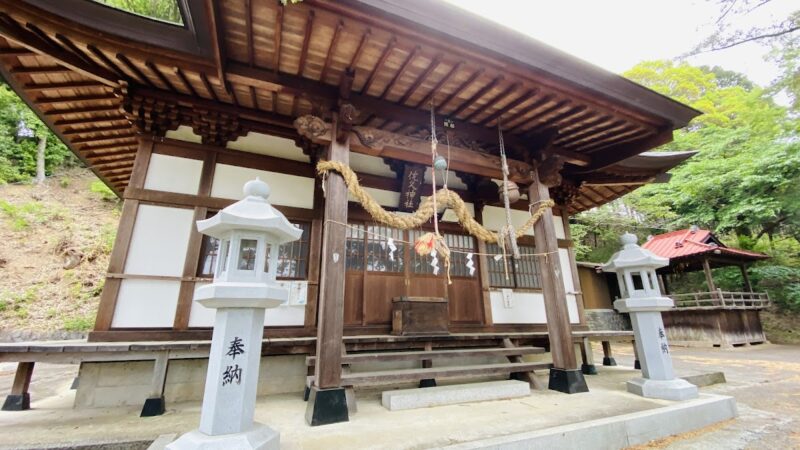
Complete Guide to Tenjin Shrines (Fuefuki City, Yamanashi Prefecture) | History, Festivals, and Access Information for Multiple Tenjin Shrines
Fuefuki City in Yamanashi Prefecture was formed in 2004 through the merger of six towns and villages: Isawa, Misaka, Ichinomiya, Yashiro, Sakaigawa, and Kasugai. In 2006, it incorporated Ashikawa Village to form its current city. Within Fuefuki City, several Tenjin shrines exist, each playing an important role as a center of local faith.
This article provides detailed information on the major Tenjin shrines in Fuefuki City, including their history, enshrined deities, annual festivals, and access methods. This information will be useful for those planning sightseeing or pilgrimages, and for those interested in the local history and culture.
Overview of Tenjin Shrines in Fuefuki City
The following Tenjin shrines exist within Fuefuki City:
- Tenjin Shrine (Shimokurokoma, Misaka-cho) – Known for the Sekison Festival
- Tenjin Shrine (Takei, Misaka-cho)
- Tenjin Shrine (Ogi, Ichinomiya-cho)
- Tenjin Shrine (Sueki, Ichinomiya-cho)
- Tenjin Shrine (Shimoyahagi, Ichinomiya-cho)
- Hachijo Tenjin Shrine (Ishi, Ichinomiya-cho)
- Tenjin Shrine (Imai, Isawa-cho)
- Tenjin Shrine (Higashiaburakawa, Isawa-cho)
- Tenjin Shrine (Nagai, Yatsushiro-cho)
These Tenjin shrines have all been revered as local guardian shrines since ancient times. While the name “Tenjin Shrine” is generally found in shrines dedicated to Sugawara no Michizane, the god of learning, some regions may enshrine Amatsukami (heavenly deities).
Tenjin Shrine (Shimokurokoma, Misaka Town) – The Tradition of the Sekison Festival
Basic Information
The Tenjin Shrine, located in Shimokurokoma, Misaka Town, is one of the representative Tenjin shrines featured in Fuefuki City’s tourist information. The most distinctive feature of this shrine is the “Sekison Festival,” held annually on August 23rd.
About the Sekison Festival
The Sekison Festival is a traditional festival deeply rooted in the community, held every year on August 23rd. Sekison worship is a form of mountain worship, particularly widespread in the Kanto-Koshinetsu region. Sekison means “god of stone” or “god of rocks,” and possesses the characteristics of a mountain god.
The Sekison Festival held at the Tenjin Shrine in Shimokurokoma, Misaka Town, is an important annual event for local residents, and has been passed down as a festival praying for a bountiful harvest and the safety of the community. On the day of the festival, local people gather, and traditional Shinto rituals are performed.
Address and Access
Address: Shimokurokoma, Misaka-cho, Fuefuki City, Yamanashi Prefecture
Access Method:
- Approximately 10 minutes by car from the Ichinomiya-Misaka Interchange on the Chuo Expressway
- Approximately 15 minutes by taxi from Isawa-Onsen Station on the JR Chuo Main Line
- Access by public transport is limited, so visiting by car is recommended.
Please note that the area around the shrine is a residential area, so please be respectful of the local residents and maintain quiet during your visit.
Hachijo Tenjin Shrine (Ishi, Ichinomiya-cho)
Shrine Characteristics
Hachijo Tenjin Shrine, located at 2358 Ishi, Ichinomiya-cho, is one of the most noteworthy Tenjin shrines in Fuefuki City. The place name Hachijo is thought to originate from a castle that once existed in this area.
Deity and History
The deity enshrined at Hachijo Tenjin Shrine is Sugawara no Michizane, and it is believed to offer blessings for academic success, passing exams, and protection from evil. The exact date of its founding is unknown, but according to old local records, it is possible that it existed before the Middle Ages.
Location and Access
Address: 2358 Ishi, Ichinomiya-cho, Fuefuki City, Yamanashi Prefecture
Nearest Station: Approximately 54 minutes on foot (approx. 4.4 km) from JR Chuo Main Line “Katsunuma Budokyo Station”
Access Method:
- Approximately 10 minutes by taxi from Katsunuma Budokyo Station
- Approximately 15 minutes by car from Chuo Expressway “Ichinomiya Misaka IC”
- It is recommended to check in advance whether parking is available.
When accessing on foot from the station, it is important to plan with plenty of time due to the distance. Especially in summer, take sufficient precautions against heatstroke, and in winter, take sufficient precautions against the cold.
Tenjin Shrines (Various Districts of Ichinomiya-cho)
In Ichinomiya-cho, Fuefuki City, there are several Tenjin shrines in districts such as Ogi, Sueki, and Shimoyahagi. These Tenjin shrines have functioned as guardian shrines for their respective settlements.
Historical Background of Ichinomiya Town
Ichinomiya Town is known as the area where Asama Shrine, the Ichinomiya (first-ranked shrine) of Kai Province, is located. This area has flourished since ancient times as one of the centers of Kai Province, and many shrines and temples were built. The Tenjin shrines in each district have also gathered local faith within this historical context.
Characteristics of Each Tenjin Shrine
Tenjin Shrine (Ogi, Ichinomiya Town)
As the guardian shrine of the Ogi district, it is revered by local residents. Although small in scale, it continues to preserve local traditional events.
Tenjin Shrine (Sueki, Ichinomiya Town)
Located in the Sueki district, it has also been revered as a god of agriculture.
Tenjin Shrine (Shimoyahagi, Ichinomiya Town)
As the guardian deity of the Shimoyahagi district, it has watched over the safety and prosperity of the region since ancient times.
Tenjin Shrines (Isawa Town/Yashiro Town)
Tenjin Shrines in Isawa Town
Isawa Town is one of the central districts of Fuefuki City, known for its Isawa Onsen (hot springs). Tenjin shrines are located in the Imai and Higashi-Aburakawa districts.
Tenjin Shrine (Imai, Isawa-cho)
Address: Imai, Isawa-cho, Fuefuki City, Yamanashi Prefecture
Located near the Isawa Onsen hot spring resort, it has attracted local worshippers along with the development of the hot spring town.
Tenjin Shrine (Higashi-Aburakawa, Isawa-cho)
Address: Higashi-Aburakawa, Isawa-cho, Fuefuki City, Yamanashi Prefecture
As the guardian shrine of the Higashi-Aburakawa district, it plays a central role in the local community.
Tenjin Shrines in Yatsushiro-cho
Tenjin Shrine (Nagai, Yatsushiro-cho)
Address: Nagai, Yatsushiro-cho, Fuefuki City, Yamanashi Prefecture
Yatsushiro-cho is located in the southern part of Fuefuki City and is a region with beautiful views of Mt. Fuji. The Tenjin Shrine in the Nagai district has a long history as the guardian shrine of this region.
Tenjin Shrine in Takei, Misaka-cho
There is also a Tenjin shrine in Takei, Misaka-cho. Misaka Town is located at the foot of the Misaka Pass and is known for its magnificent views of Mount Fuji.
Address: Takei, Misaka-cho, Fuefuki City, Yamanashi Prefecture
Access:
- Approximately 10 minutes by car from the Ichinomiya-Misaka Interchange on the Chuo Expressway
- Located on the access road to Kawaguchiko Station on the Fujikyu Railway Line
The Takei area has a history of flourishing as a post town on the Koshu Kaido road, and it is believed that the Tenjin Shrine has been a center of local faith since that time.
The Relationship Between the Tenjin Shrines of Fuefuki City and the Takeda Clan
Some Tenjin Shrines in Fuefuki City are said to have connections to the Takeda clan. Of particular note is the existence of the Tenjin Shrine main hall, which is said to have been rebuilt by Takeda Nobutora (father of Takeda Shingen).
The Tenjin Shrine Main Hall, a Nationally Designated Important Cultural Property
There is a Tenjin Shrine main hall in Fuefuki City that is designated as a Nationally Designated Important Cultural Property. This main shrine building is known to have been rebuilt by Takeda Nobutora and is a valuable cultural asset that preserves the architectural style of the late Muromachi period.
Architectural Features:
- Late Muromachi period architectural style
- Clean and simple form
- Valuable remains demonstrating the architectural technology of the time
- Nationally designated Important Cultural Property (building)
Takeda Nobutora is known as the father of Takeda Shingen and was a Sengoku daimyo who unified Kai Province. Nobutora’s involvement in the reconstruction of the shrine indicates that the Takeda clan at the time valued local faith and protected the shrine.
Shrine Culture of Fuefuki City and Yamanashioka Shrine
Fuefuki City has many important shrines besides Tenjin Shrine. Of particular note is Yamanashioka Shrine, located in Kasugai-cho.
Importance of Yamanashioka Shrine
Yamanashioka Shrine is an extremely important shrine, considered to be the birthplace of the place name “Yamanashi.” This shrine is listed in the “Engishiki Jinmyocho” (a list of shrines compiled during the Heian period) and is a historically significant shrine with a long history dating back to ancient times.
Deities enshrined:
- Oyamatsumi-no-Mikoto
- Takaokami-no-Kami
- Wakeikazuchi-no-Kami
The main hall of Yamanashioka Shrine is also a nationally designated Important Cultural Property, symbolizing the richness of Fuefuki City’s shrine culture. When visiting Tenjin Shrine, visiting these other important shrines in the surrounding area will allow you to gain a deeper understanding of the region’s history and culture.
Points to note when visiting Tenjin Shrines in Fuefuki City
When visiting Tenjin Shrines in Fuefuki City, please note the following points:
Checking the address and map
Since there are multiple Tenjin Shrines in Fuefuki City, it is important to check the exact address of the shrine you wish to visit beforehand. Even when using car navigation or smartphone map apps, multiple shrines with the same name may be displayed, so please check the detailed address (town name/district name).
Pre-Visit Access Information
Many Tenjin shrines are located in residential areas or mountainous regions, and public transportation access may be limited. We recommend checking the following points in advance:
- Distance and travel time from the nearest station
- Availability and frequency of bus routes
- Availability and capacity of parking lots
- Road conditions (narrow roads, steep inclines, etc.)
Visiting Etiquette
Tenjin shrines are local guardian shrines closely connected to the lives of local residents. Please observe the following etiquette when visiting:
- Maintain silence and refrain from loud conversations
- Keep the shrine grounds and surrounding areas clean
- Take photographs only within permitted areas
- Do not trespass on private property
- Be considerate of local residents
Checking Festival Dates
If you wish to visit a festival such as the Sekison Festival (August 23rd), please check the date in advance. In recent years, festival dates may change due to shrine maintenance and management considerations. We recommend obtaining the latest information from the Fuefuki City Tourism Association or local tourist information centers.
Fuefuki City Sightseeing and Tenjin Shrine Pilgrimage
Fuefuki City is a fruit-growing kingdom known for its peach and grape production, and also boasts abundant tourist resources such as Isawa Onsen (hot springs). In addition to visiting Tenjin Shrines, you can also enjoy the following sightseeing activities:
Nearby Tourist Spots
Isawa Onsenkyo
A representative hot spring area of Fuefuki City, with numerous hot spring inns and hotels. Relaxing in the hot springs after visiting Tenjin Shrines is highly recommended.
Peach and Grape Picking
Fuefuki City is a thriving fruit-growing area, and fruit picking is available during the season. Peaches are in season from late June to August, and grapes from August to October.
Fuefuki River Fruit Park
A fruit-themed park offering stunning views of the Kofu Basin and Mount Fuji.
Asama Shrine (Ichinomiya Asama Shrine)
An important shrine that has been revered since ancient times as the Ichinomiya (first-ranked shrine) of Kai Province. It’s worth visiting in conjunction with a tour of Tenjin shrines.
Seasonal Highlights
Spring (March-May)
Peach blossoms bloom in profusion, painting Fuefuki City pink. Enjoy the beautiful scenery, often referred to as a “peach blossom paradise.”
Summer (June-August)
Summer festivals, including the Sekison Festival (August 23rd), are held throughout the city. Fruit picking is also popular.
Autumn (September-November)
Grape picking season, and winery tours are popular. The autumn foliage is also beautiful.
Winter (December-February)
This is the perfect season to relax at Isawa Onsen. The air is clear, and the view of Mt. Fuji is especially beautiful.
Access to Fuefuki City
Here are the main ways to access Fuefuki City.
Access by Train
JR Chuo Main Line
- From Tokyo: Approximately 90 minutes by limited express train from Shinjuku Station, alight at Isawa-Onsen Station
- From Nagoya: Take the Chuo Main Line via Shiojiri, alight at Isawa-Onsen Station
Isawa-Onsen Station and Kasugai-cho Station are located within the city, serving as access points to Tenjin Shrine.
Access by Car
Chuo Expressway
- From Tokyo: Approximately 90 minutes, using Ichinomiya-Misaka IC or Fuefuki-Yatsushiro Smart IC
- From Nagoya: Approximately 3 hours, using Ichinomiya-Misaka IC
Access by car is the most convenient, and travel to each Tenjin Shrine is smooth.
History and Culture of Fuefuki City
Understanding the historical background of the region is important for understanding the Tenjin Shrines of Fuefuki City.
Ancient to Medieval Periods
The Fuefuki City area flourished as one of the centers of Kai Province in ancient times. Many shrines already existed during the Heian period, and several Shikinaisha (shrines listed in the Engishiki Jinmyocho) are located there. During the Middle Ages, Fuefuki came under the rule of the Takeda clan, and under the rule of Takeda Nobutora and Takeda Shingen, it developed as the political, economic, and cultural center of Kai Province. Many shrines and temples were renovated and rebuilt during this period, forming the foundation of the faith that continues to this day.
Early Modern to Modern Period
During the Edo period, it flourished as a post town on the Koshu Kaido road, with many travelers passing through. Despite the impact of the Meiji-era separation of Shinto and Buddhism and the policy of consolidating shrines, many Tenjin shrines survived as local guardian shrines.
Modern Fuefuki City
Fuefuki City, formed through the merger of municipalities in 2004, continues to develop as a tourist city centered on fruit cultivation and hot springs. The Tenjin shrines in each district are attracting attention as symbols of regional identity and as tourist resources.
Summary
In Fuefuki City, Yamanashi Prefecture, there are multiple Tenjin shrines in various districts such as Misaka-cho, Ichinomiya-cho, Isawa-cho, and Yatsushiro-cho, each playing an important role as a center of local faith.
In particular, the Sekison Festival held annually on August 23rd at the Tenjin Shrine in Shimokurokoma, Misaka Town, is a deeply rooted local tradition. Furthermore, each Tenjin Shrine, including the Hachijo Tenjin Shrine in Ichinomiya Town, possesses its own unique history and characteristics.
When visiting Tenjin Shrines in Fuefuki City, it is important to check the exact address and map and research access methods in advance. Many Tenjin Shrines are located in residential areas, so please be considerate of local residents and strive for a quiet and respectful visit.
By combining your Tenjin Shrine pilgrimage with visits to nearby tourist spots such as Isawa Onsen, fruit picking, Yamanashioka Shrine, and Asama Shrine, you can experience Fuefuki City’s rich history and culture more deeply. Enjoy the beautiful scenery of the four seasons and the Tenjin Shrines, places of worship deeply rooted in the community, and fully experience the charm of Fuefuki City, Yamanashi Prefecture.