Complete Guide to Sōsha Shrine (Akita Prefecture, Akita City) | 1300 Years of History and Goshuin Information
Sōsha Shrine, located in Kawajiri Sōsha-machi, Akita City, Akita Prefecture, is a venerable shrine boasting a history of over 1300 years, said to have been founded in the first year of the Jinki era (724 AD) during the Nara period. It was formerly located on Mimoriyama (present-day Senshū Park) and was revered as Mitakeyama Sōsha Daimyōjin. This article provides detailed information useful for visitors, including the history of Sōsha Shrine, its enshrined deities, goshuin (shrine seals), annual events, and access methods.
Overview of Sōsha Shrine
Sōsha Shrine is located at 14-6 Kawajiri Sōsha-machi, Akita City, and is cherished by the local people as the guardian shrine of the Kawajiri area. It has a history of being revered by successive generations of the Satake clan, the lords of the Kubota Domain, and remains one of Akita City’s important shrines, attracting many visitors.
Basic Information
- Official Name: Sosha Shrine
- Address: 14-6, Kawajiri Sosha-cho, Akita City, Akita Prefecture 010-0946
- Phone Number: 018-863-0930
- FAX: 018-863-2793
- Founded: 724 AD
- Former Shrine Rank: Gosha (Village Shrine)
History and Origins of Sosha Shrine
Legend of Founding
According to ancient records, the founding of Sosha Shrine dates back to the night of March 8th, 724 AD. It is said that a divine light suddenly flew to Mimoriyama (the site of the present-day Senshu Park in Akita City), and its light shone as brightly as midday, causing the mountains and rivers to tremble. Following this mystical event, the construction of the shrine is considered the beginning of Sōsha Shrine.
The Era of Mitakeyama Sōsha Daimyōjin
At the time of its founding, Sōsha Shrine was called Mitakeyama Sōsha Daimyōjin, and deities were enshrined on each of its three peaks.
- First Peak: Sōsha Daimyōjin, enshrining Ōnamuchi-no-kami, Kotoshironushi-no-kami, and Ajisukitakahikone-no-kami
- Second Peak: Shinmei-gū, enshrining Amaterasu-Ōmikami and Toyouke-Ōmikami
- Third Peak: 19 subsidiary shrines
These were collectively called Mitakeyama Sōsha Daimyōjin and were widely revered.
Restoration by Lord Fujiwara Kiyohira
It is said that during the Heian period, Lord Fujiwara Kiyohira, known as the Oshu Oshiryo-shi (governor of Oshu Province), restored the Soja Shrine. During this period, the shrine’s foundation was further strengthened, and it became an important center of faith in the Tohoku region.
Construction of Kubota Castle and Relocation
In 1602 (Keicho 7), when Lord Satake Yoshinobu, who was transferred from Hitachi Province to Akita, began construction of Kubota Castle, the Soja Shrine, which was located on Mimoriyama, was forced to relocate due to the castle’s construction. It was first moved to Shimohama in Kawajiri-go, and then further moved to its current location in Kawajiri Uenodai.
Reverence of the Satake Clan
Even after the relocation, the Soja Shrine continued to receive the deep reverence of successive generations of the Satake clan, the lords of the Kubota Domain. The lords themselves often visited the shrine, and it became a spiritual pillar of the region as the guardian shrine of the entire Kawajiri-go area. Throughout the Edo period, the shrine buildings were maintained and managed under the protection of the feudal domain, and many Shinto rituals were performed.
After the Meiji Restoration
With the Meiji-era decree separating Shinto and Buddhism, Sōsha Shrine underwent significant changes. Under the modern shrine ranking system, it was designated a local shrine and continues to attract worshippers as a regional shrine to this day.
Deities Enshrined
Sōsha Shrine enshrines multiple deities, each possessing different divine virtues.
Main Deities
- Ōnamuchi-no-kami: Another name for Ōkuninushi-no-mikoto, known as the god of nation-building and matchmaking.
- Kotoshironushi-no-kami: God of business prosperity and fishing.
- Ajisukitakahikone-no-kami: God of agriculture and thunder.
Enshrined Deities
- Amaterasu-Ōmikami: Ancestral deity of the Imperial family, supreme deity of Japan.
- Toyouke-Ōkami: God of food and grain.
Through these deities, Sōsha Shrine is revered as a shrine that bestows various divine blessings, including matchmaking, business prosperity, abundant harvests, and family safety.
Guide to the Grounds of Sōsha Shrine
Shrine Buildings
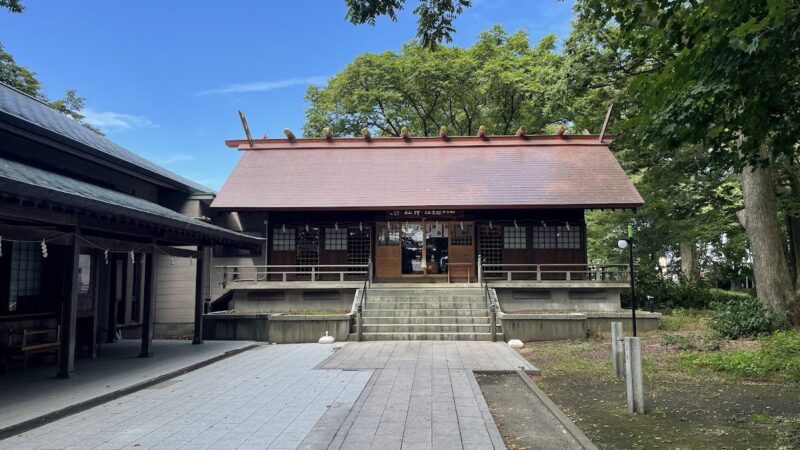
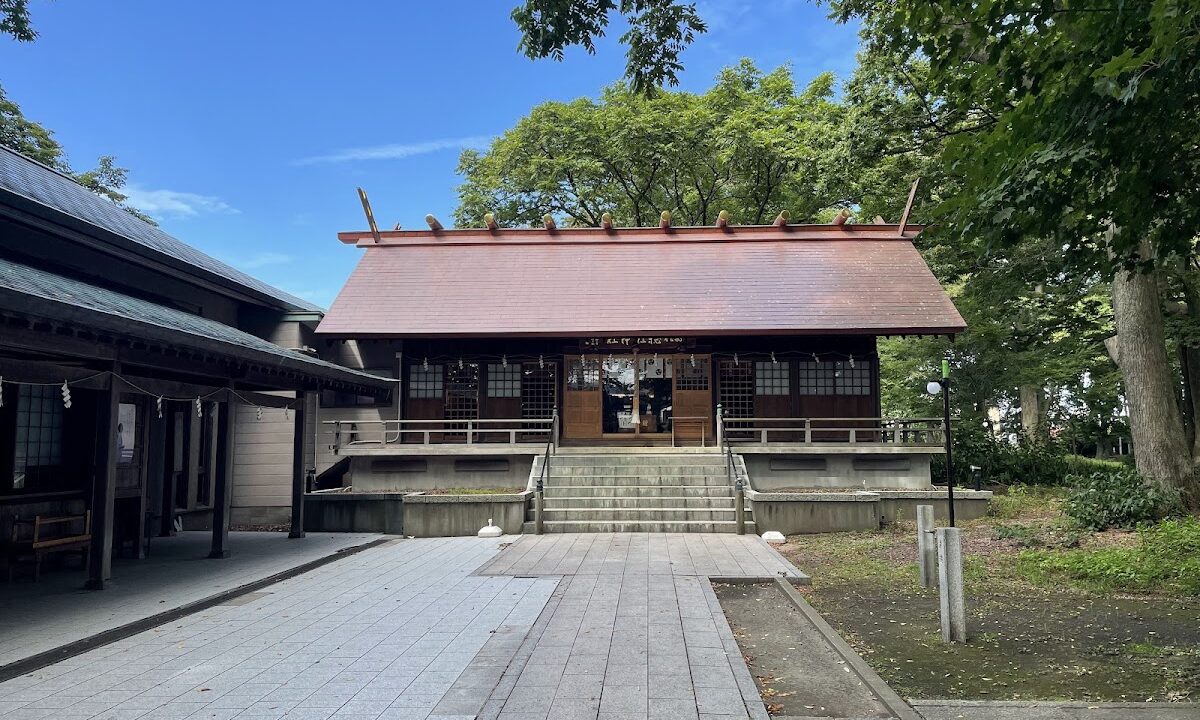
The current shrine buildings are magnificent structures that follow traditional shrine architectural styles. Both the worship hall and the main hall are meticulously maintained, welcoming visitors in a serene atmosphere.
Torii Gate and Approach
A splendid torii gate stands at the entrance to the grounds, and the approach leading to the shrine buildings is kept spotlessly clean. Walking along the approach, you can feel the sacred space away from the hustle and bustle of the city.
Komainu (Guardian Dogs)
Historical guardian dogs (komainu) sit along the approach, watching over visitors. Their expressions and forms convey the depth of the shrine’s history.
Water Basin
A water basin for purification before worship is also provided, allowing visitors to cleanse their minds and bodies according to the proper etiquette before praying.
Goshuin (Shrine Seal) Information
Goshuin (shrine seals) are available at Sōsha Shrine. Goshuin (temple/shrine stamps) are popular among many visitors as proof of their visit and as a memento of their trip.
Features of Goshuin
The goshuin of Sōsha Shrine features the calligraphy and red seal of “Sōsha Shrine.” It is characterized by a simple yet powerful calligraphy style, conveying the dignity of a shrine with 1300 years of history.
Goshuin Reception Hours
Goshuin reception hours are the same as the shrine office’s opening hours. It is recommended to confirm by phone (018-863-0930) before visiting. Please note that procedures may differ, especially during festival periods such as the Spring Festival.
Offering Fee
The offering fee for goshuin is the same as for most shrines. Preparing the exact amount will ensure a smoother process.
About Goshuincho (Goshuin Stamp Books)
Please inquire directly with the shrine regarding the availability of Sōsha Shrine’s original goshuincho. It is possible to have your own goshuincho stamped.
Annual Events and Festivals
Sōsha Shrine holds various festivals and events throughout the year.
Spring Festival
The Spring Festival is one of Sōsha Shrine’s important annual events. A ceremony is held to celebrate the arrival of spring and pray for a bountiful harvest and peace in the region. Many parishioners and worshippers gather, making the shrine grounds lively.
Autumn Festival
The Autumn Festival, which expresses gratitude for the autumn harvest, is also an important event. A solemn Shinto ritual is performed to express gratitude for the year’s bounty and report it to the gods.
New Year’s Visit
Many worshippers visit the shrine for their first shrine visit of the new year. The shrine grounds are bustling with people praying for safety and prosperity throughout the year. Particular crowds are expected from New Year’s Day to the third day.
Other Festivals
- Setsubun Festival
- Shichi-Go-San Ceremony
- Summer Purification Ceremony
- Year-End Purification Ceremony
These are some of the festivals held in accordance with traditional Japanese annual events.
Access
We will guide you on how to access Sōsha Shrine.
Access by Public Transportation
By Bus
- Get off at the “Sōsha Shrine-mae” bus stop on the Akita Chuo Kotsu bus line, approximately 0 minutes on foot (right in front of the shrine)
- Approximately 15 minutes on foot from JR Ugo-Ushijima Station
If you are using the bus from Akita Station, please use the Akita Chuo Kotsu route bus. The “Sōsha Shrine-mae” bus stop is very close to the shrine and extremely convenient.
Access by Car
From the Akita Expressway
- Approximately 15 minutes from Akita Chuo IC
- Approximately 20 minutes from Akita Minami IC
It is about a 10-minute drive from the center of Akita City. Access is possible via National Route 13 and prefectural roads.
Parking
The shrine has a parking lot for visitors, but the number of spaces is limited. It may become full during busy periods such as New Year’s Day and annual festivals, so we recommend considering using public transportation. For details about parking, please contact the shrine directly.
Address and Car Navigation Settings
When searching with a car navigation system, please enter the following information:
- Address: 14-6 Kawajiri Sōja-machi, Akita City, Akita Prefecture
- Phone Number: 018-863-0930
Nearby Attractions
Here are some nearby tourist spots you might want to visit after visiting Sōja Shrine.
Senshū Park
Mitsumoriyama, where Sōja Shrine once stood, is now developed as Senshū Park. This vast park, centered around the ruins of Kubota Castle, is a popular cherry blossom viewing spot in spring, attracting many visitors. It’s a place where you can experience the history of Akita City.
Tsuchizaki Shinmei Shrine
Located in Tsuchizaki Port, Akita City, Tsuchizaki Shinmei Shrine is a shrine known for the “Tsuchizaki Port Hikiyama Festival,” one of Akita’s three major festivals. Many people visit it along with Soja Shrine.
Akita Citizens’ Market
This market is a gathering place for fresh seafood and mountain produce from Akita. Enjoying Akita’s food culture after visiting the shrine is highly recommended.
Manners and Points for Visiting the Shrine
How to Visit the Shrine
- Bow before passing through the torii gate.
- Avoid walking in the center of the path (the center is the path for the gods).
- Cleanse your hands and mouth at the water basin.
- Bow twice, clap twice, and bow once in front of the main hall.
Attire for Visiting the Shrine
There are no particularly strict dress code regulations, but please be mindful of the sacred nature of the place and dress accordingly. Avoid excessive exposure, and it is desirable to wear clean clothing.
Photography
Photography is generally permitted within the shrine grounds, but please refrain from taking photos inside the main hall or during religious ceremonies. Also, please be considerate of other visitors. When posting on social media, please remember to show respect to the shrine.
The Charm of Soja Shrine
1300 Years of History
The long history of Soja Shrine, spanning over 1300 years since its founding in 724 AD, is its greatest charm. You can feel the weight of a shrine that has witnessed the changing times from the Nara period to the present day.
Deep Connection with the Satake Clan
The history of the shrine receiving reverence from successive generations of the Satake clan, the lords of the Kubota Domain, is important for understanding the regional history of Akita. The relationship between the lords and the shrine offers a glimpse into the religious culture of Akita during the Edo period.
The Guardian Shrine of the Region
As the guardian shrine of the Kawajiri area, Soja Shrine has been closely intertwined with the lives of the local people. Even today, it remains a spiritual pillar of the region and is cherished by many.
Tranquil Shrine Grounds
Despite being located in the city center, the shrine grounds are enveloped in a quiet and peaceful atmosphere. It offers a space where you can escape the hustle and bustle of the city and pray in tranquility.
Contact Information
For inquiries regarding visits, prayer requests, and confirmation of Goshuin (shrine stamps), please contact Sosha Shrine using the following contact information:
- Phone: 018-863-0930
- FAX: 018-863-2793
- Official Website: http://www.sosha-j.jp/
The official website provides the latest event schedules and detailed information about the shrine. We recommend checking it before your visit.
Summary
Sosha Shrine, located in Kawajiri Sosha-cho, Akita City, Akita Prefecture, is a venerable shrine boasting a history of over 1300 years, founded in 724 AD (Shinki 1). Formerly located on Mount Mimori (now Senshu Park), and revered as the Mitakeyama Sōsha Daimyōjin, the shrine was relocated to its current location following the construction of Kubota Castle.
The Sōsha Shrine, with Ōkuninushi-no-kami, Kotoshironushi-no-kami, and Ajisukitakahikone-no-kami as its main deities, and Amaterasu Ōmikami and Toyouke Ōmikami as secondary deities, bestows various divine blessings, including matchmaking, business prosperity, and abundant harvests. It has a history of being revered by successive generations of the Satake clan, the lords of the Kubota domain, and has been cherished by the local people as the guardian shrine of the Kawajiri area.
The shrine also offers Goshuin (shrine seals) and has a full schedule of annual events, including the spring festival. It boasts excellent access, being approximately a 0-minute walk from the Akita Chuo Kotsu bus stop “Sōsha Jinja-mae,” making it easily accessible from central Akita City.
Please come and visit Sōsha Shrine, where you can experience Akita’s history and culture. In the tranquil grounds, you can calm your mind and experience the sacred atmosphere that has been cultivated over 1300 years of history.