
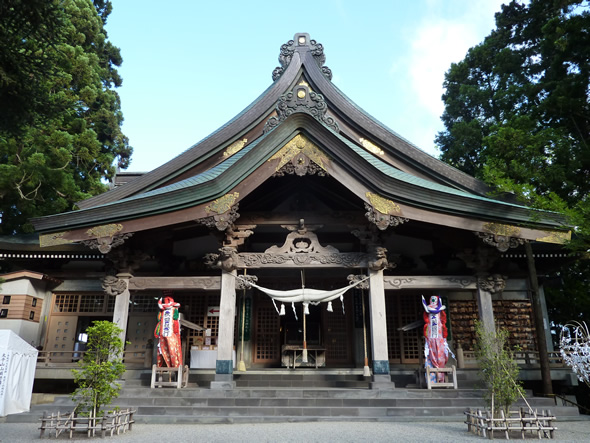
Complete Guide to Taiheizan Miyoshi Shrine (Akita Prefecture) | The Guardian Deity of Victory and Success and the Charm of Worship
Located in Akita City, Akita Prefecture, Taiheizan Miyoshi Shrine, affectionately known as “Miyoshi-san” or “Sankichi-san,” is the head shrine of all Miyoshi Shrines and Taiheizan-ko (Taiheizan religious groups) nationwide. The inner shrine is situated at the summit of the sacred Mount Taihei (1,170 meters above sea level), while the lower shrine is located in Hiroomote Akanuma, Akita City. Since ancient times, it has been deeply revered as the guardian deity of victory, success, and business prosperity. This article comprehensively introduces everything you need to know before visiting Taiheizan Miyoshi Shrine, including its history, blessings, worship methods, annual events, and access information.
History and Origins of Taiheizan Miyoshi Shrine
History of Founding
Taiheizan Miyoshi Shrine is said to have been founded in the second year of the Hakuhō era (673 AD) during the reign of Emperor Tenmu, by En no Gyōja Ozunu. En no Ozunu, known as the founder of Shugendō (mountain asceticism), opened up the sacred Mount Taihei and established the shrine as a sacred site for mountain worship.
Sakanoue no Tamuramaro and Taiheizan Miyoshi Shrine
History records indicate that in the 20th year of the Enryaku era (801 AD) during the reign of Emperor Kanmu, Sakanoue no Tamuramaro, the Seii Taishogun (Commander-in-Chief of the Expeditionary Force against the Barbarians), prayed for victory at Taiheizan Miyoshi Shrine during his campaign against the eastern barbarians. After his prayers were answered, Tamuramaro erected a shrine building, and the sacred arrow (okabura) he dedicated is still carefully preserved as a sacred treasure. This historical fact became the catalyst for Taiheizan Miyoshi Shrine becoming widely worshipped as a “god of victory.”
The Boshin War and Modern History
During the Boshin War, Lord Kujo Michitaka, the Commander-in-Chief of the Oshu Pacification, prayed at the shrine, demonstrating its important role at turning points in history. Since the Meiji era, many worshippers have visited from both within and outside Akita Prefecture, and currently, it has expanded internationally, with branch shrines existing not only throughout Japan but also in São Paulo, Brazil.
Deities and Divine Virtues
Three Deities
Taiheizan Miyoshi Shrine enshrines the following three deities:
Ōnamuchi-no-Ōkami
Another name for Ōkuninushi-no-Mikoto, known as the god of nation-building and matchmaking.
Sukunahikona-no-Ōkami
A god who worked with Ōnamuchi-no-Ōkami in nation-building, and is also worshipped as the god of medicine, hot springs, and sake brewing. Miyoshi no Okami The principal deity of Taiheizan Miyoshi Shrine, revered as a god of strength and victory. According to shrine tradition, Fujiwara no Miyoshi (Tsurujumaru), the lord of Taihei Castle, was deified. However, he is fundamentally a deity associated with mountain worship, presiding over strength, victory, and the upholding of justice and the vanquishing of evil.
Main Benefits
Taiheizan Miyoshi Shrine is known for the following benefits:
- Victory and Success: Passing exams, winning in sports, the power to overcome competition
- Business Prosperity: Business success, corporate development, success in new ventures
- Family Safety: Family health and peaceful living
- Exorcism and Good Fortune: Warding off misfortune and improving luck
- Traffic Safety: Car blessing, prayers for safe driving
Especially revered as the “God of Strength” and “God of Victory,” many people facing competition, such as business owners, athletes, and students taking exams, visit the shrine.
The Charm and Highlights of the Satomiya Shrine
Overview of the Satomiya Shrine
Located at 3-2 Akanuma, Hiroomote, Akita City, the Satomiya Shrine is the base of the Taiheizan Miyoshi Shrine, where visitors can pray on a daily basis. It’s approximately a 7-minute drive from JR Akita Station, easily accessible from the city center, and is bustling with many visitors throughout the year.
Facilities within the Shrine Grounds
The grounds of the lower shrine feature a magnificent main hall, a gift shop, a prayer hall, and other well-maintained facilities. The grounds are filled with refreshing air, maintaining a tranquil atmosphere despite being in an urban area. The natural beauty of the four seasons is also stunning, and visitors can enjoy strolling through the grounds, especially during the fresh green season and the autumn foliage season, in addition to their prayers.
Visiting Hours and Various Prayers
The lower shrine accepts various prayers at any time, including exorcism for unlucky years, first shrine visits for newborns, Shichi-Go-San (7-5-3) celebrations, and car blessings.
- Prayer Reception Hours: 9:00 AM – 4:00 PM (No reservation required)
- Main Prayers: Exorcism prayers, family safety prayers, business prosperity prayers, success in exams, safe childbirth prayers, first shrine visits for newborns, Shichi-Go-San celebrations, car blessings, etc.
Since no reservation is required, you can easily visit whenever you feel like it. However, waiting times may occur during peak seasons such as New Year’s and the Miyoshi Bonten Festival.
Climbing to the Inner Shrine
Mount Taihei and the Inner Shrine
The Inner Shrine is located at the summit of Mount Taihei (elevation 1,170 meters). Mount Taihei has been revered as a sacred mountain since ancient times and has been an object of mountain worship. The Inner Shrine at the summit is enveloped in an even more sacred atmosphere, giving climbers a profound sense of awe.
Main Hiking Trails
There are several hiking trails to Mount Taihei, which can be chosen according to your physical strength and experience.
Asahimata Course
This is the most common route, taking about 3 hours from the trailhead to the summit. It is a relatively easy course even for beginners.
Nibetsu Course
This is a route for intermediate climbers, offering a varied mountain trail.
Maedake Course
This is a challenging course for advanced climbers, offering a more serious mountain climbing experience.
The climbing season runs from May to October; climbing is difficult in winter due to snow. When climbing, be sure to have appropriate equipment and sufficient preparation.
Guidelines for Visiting the Inner Shrine
Climbing to the inner shrine is not merely a climb, but a sacred act of drawing closer to the gods. On the climbing trail, respect nature, always take your trash with you, and remember to be considerate of other climbers. At the inner shrine at the summit, worship respectfully, just as you would at the lower shrine, and feel the sacred atmosphere of the sacred mountain.
Sankichi Bonden Festival
Akita’s Representative Winter Festival
Held annually on January 17th, the Sankichi Bonden Festival is the largest festival of Taiheizan Sankichi Shrine and a representative traditional event of winter in Akita. Various towns and corporate groups carry and dedicate brightly colored bamboo poles called “Bonden” to the shrine.
Festival Highlights
The greatest highlight of the Bonten Festival is the magnificent sight of each group offering their Bonten (a large, votive offering). The spectacle of them carrying the 30-kilogram Bonten through the shrine grounds, accompanied by the chant of “Joyasa, Joyasa,” is truly breathtaking. The enthusiastic efforts to be the first to offer the Bonten to the shrine embody heartfelt wishes for a bountiful harvest, family safety, and business prosperity.
Participation and Viewing
The Bonten Festival is open to the public and attracts many tourists and photography enthusiasts every year. Since it takes place in the depths of winter, be sure to dress warmly. The festival, which lasts from early morning until evening, is a valuable opportunity to experience Akita’s traditional culture.
Other Annual Events
In addition to the Miyoshi Bonten Festival, various other festivals and events are held throughout the year at Taiheizan Miyoshi Shrine.
- January 1st: Saitansai (New Year’s Day Festival)
- February (Setsubun Festival): Setsubun Festival (Prayer for warding off evil and bringing good fortune)
- May: Spring Grand Festival
- July: Taiheizan Mountain Opening Ceremony
- September: Autumn Grand Festival
- November: Niiname-sai (Harvest Festival)
- December 31st: Oharai-shiki (Great Purification Ceremony) and Joya-sai (New Year’s Eve Festival)
Many of these ceremonies are open to the general public, allowing visitors to experience the traditions and formality of the shrine firsthand.
Goshuin (Shrine Seals) and Amulets
About Goshuin
At Taiheizan Miyoshi Shrine, you can receive a goshuin as proof of your visit. It is available at the shrine’s office. In addition to the regular goshuin, limited edition goshuin may be available during special ceremonies. Bring your goshuincho (seal book) or you can obtain one at the shrine.
Popular Amulets and Items
Taiheizan Miyoshi Shrine offers a variety of amulets and items.
- Victory Amulet: A popular amulet believed to be effective in all kinds of competitions.
- Business Prosperity Amulet: An amulet praying for business success and corporate development.
- Traffic Safety Amulet: Amulets and stickers for vehicles.
- Academic Success Amulet: Popular among students and those taking exams.
- Exorcism Amulet: An amulet for warding off evil for those in their unlucky year.
Other items such as demon-repelling arrows, rakes, and votive tablets are also available.
Access and Visiting Information
Location
Taiheizan Miyoshi Shrine, Satomiya
3-2 Akanuma, Hiroomote, Akita City, Akita Prefecture 010-0041
Phone Number
018-834-3443
Access Methods
Access by Train and Bus
- Approximately 10 minutes by Akita Chuo Kotsu bus from JR Akita Station, get off at “Miyoshi Shrine Entrance” bus stop, then approximately 3 minutes on foot.
- Approximately 25 minutes on foot from JR Akita Station.
Access by Car
- Approximately 7 minutes from JR Akita Station.
- Approximately 15 minutes from Akita Chuo IC on the Akita Expressway.
- Parking: Free parking available (limited spaces; public transportation is recommended during festivals).
Visiting Hours
- Shrine Grounds Visiting: Open all day.
- Shrine Office/Prayer Reception: 9:00 AM – 4:00 PM
- New Year’s Period: Extended hours available (see official website for details)
Fun Facts about Taiheizan Miyoshi Shrine
Pronunciation of “Miyoshi” and “Sankichi”
While the official pronunciation of “Miyoshi” in Taiheizan Miyoshi Shrine is “Miyoshi,” it is also affectionately known as “Sankichi” by locals. Both pronunciations are correct and have naturally become established over a long history.
Relationship with Miyoshi Shrines Nationwide
Taiheizan Miyoshi Shrine is the head shrine of all Miyoshi shrines located throughout Japan. From Hokkaido to Kyushu, and even in São Paulo, Brazil, there are branch shrines, each revered as a guardian deity of victory, success, and business prosperity in its respective region. The network of faith spreading from Akita to the rest of Japan and the world speaks to the breadth of the divine virtues of Taiheizan Miyoshi Shrine.
About the Taiheizan-ko Association
The Taiheizan-ko association is a religious organization based on faith in Taiheizan Miyoshi Shrine, and exists throughout Japan. Members deepen their faith by regularly climbing Mount Taiheizan and visiting the lower shrine. Many associations remain active today, demonstrating the strong bond between the shrine and the local community.
Manners and Etiquette for Visiting the Shrine
Basic Worship Etiquette
Worship at Taiheizan Miyoshi Shrine should be conducted according to the following etiquette:
- Bow before passing through the torii gate: As a sign of respect before entering the sacred area.
- Purify your body and mind at the water basin: Purify your left hand, then your right hand, then your mouth.
- Avoid walking in the center of the approach: The center is considered the path of the gods.
- Worship in front of the main hall: Two bows, two claps, one bow (two bows, two claps, one bow).
- Bow at the torii gate again upon leaving: With gratitude.
Regarding attire
While everyday clothing is acceptable for worship, please be mindful of standing before the gods and strive for clean and respectful attire. Especially if receiving prayers, it is advisable to avoid overly casual clothing such as tracksuits or sandals.
Regarding photography
Photography is generally permitted within the shrine grounds, but please refrain from taking photos during prayers or any actions that may disturb other worshippers. Also, remember that this is a sacred place and take photos with respect.
Regarding photography
Photography is generally permitted within the shrine grounds, but please refrain from taking photos during prayers or any actions that may disturb other worshippers. Furthermore, it is important to remember that this is a sacred place and to take photos with respect. ## Nearby Tourist Attractions
When visiting Taiheizan Miyoshi Shrine, exploring the surrounding tourist attractions will allow you to experience the charm of Akita more deeply.
Akita City Folk Performing Arts Museum (Neburi-nagashi Hall)
A facility where you can see and experience exhibits related to Akita’s traditional event, the Kanto Festival. It is about a 10-minute drive from Taiheizan Miyoshi Shrine.
Senshu Park
A park developed on the site of the castle of the Satake clan, the lords of the Akita domain. Known as a famous cherry blossom viewing spot, you can enjoy nature in all four seasons. It is within walking distance from Akita Station.
Akita City Red Brick Museum
A beautiful museum housed in Western-style architecture from the Meiji era. You can learn about the history and culture of Akita.
Summary: Praying for Victory and Prosperity at Taiheizan Miyoshi Shrine
Taiheizan Miyoshi Shrine has a history of over 1300 years and is a representative shrine of Akita Prefecture, revered nationwide as the guardian deity of victory, success, and business prosperity. From daily visits to the lower shrine to the inner sanctuary of the sacred Mount Taihei, and the magnificent Miyoshi Bonten Festival, you can feel a connection with the gods in a variety of ways.
When you are facing a turning point in your life, a new challenge, or simply praying for daily peace, why not visit Taiheizan Miyoshi Shrine? The gods, affectionately known as “Miyoshi-san” and “Sankichi-san,” will surely listen to your wishes. When you visit Akita, be sure to include a visit to the main shrine of Taiheizan Miyoshi Shrine in your travel plans.


