Amaterasu Susume Mioya Shrine (Kazuno City, Akita Prefecture) Complete Guide | Exploring the History of Dainichido Bugaku Dance and Rock-Carved Buddhas
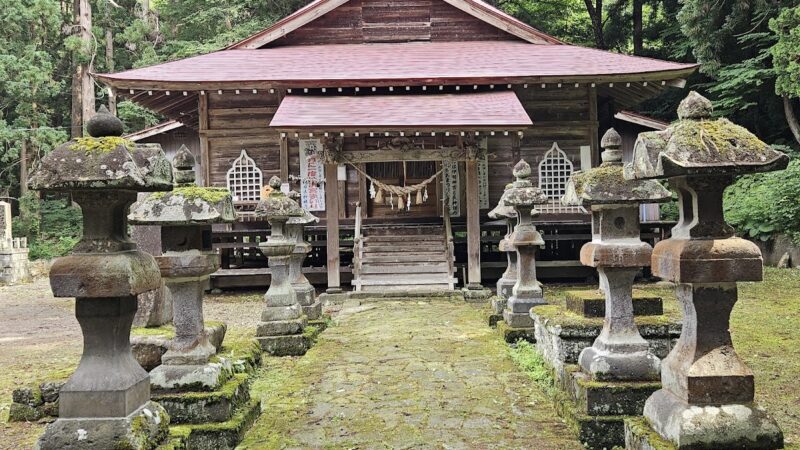
Amaterasu Susume Mioya Shrine, located in Hachimantai, Kazuno City, Akita Prefecture, is known as a shrine that dedicates Dainichido Bugaku Dance, a UNESCO Intangible Cultural Heritage, and is a historically significant shrine with medieval rock-carved Buddhas, believed to be the northernmost of their kind, remaining on its grounds. This article provides a comprehensive overview of Amaterasu Susume Mioya Shrine, including its history, cultural assets, festivals, and visiting information.
Overview and History of Amaterasu Susume Mioya Shrine
Basic Shrine Information
Amaterasu Susume Mioya Shrine is located at 14 Taniuchi, Hachimantai, Kazuno City, Akita Prefecture, and is affectionately known locally as “Shinmei-sha” or “Taniuchi Tendō-sama.” According to shrine records, it was formerly called “Taniuchi Kannon-dō” and was a place of worship with strong Buddhist influences.
Transition from Taniguchi Kannon-do to Shinto Shrine
Following the anti-Buddhist decree of the early Meiji era, Taniguchi Kannon-do was renamed Amaterasu Kōmiso Shrine. This change was part of the Meiji government’s policy of separating Shinto and Buddhism, transforming it from a Buddhist facility to a Shinto one. Since then, it has been respectfully referred to as Shinmei-sha and remains so to this day.
This historical process is an important example illustrating the changes in Japan’s religious policy and symbolizes the transition from syncretism of Shinto and Buddhism to the separation of Shinto and Buddhism.
History of the Shrine and Reconstruction
Amaterasu Kōmiso Shrine has undergone numerous reconstructions to reach its current form. According to shrine records and ridgepole inscriptions, the following reconstruction history is recorded:
- Eiroku Era (1558-1570): The period for which early records exist.
- Tensho Era (1573-1592): Maintenance during the turbulent Sengoku period.
- Manji Era (1658-1661): Renovation in the early Edo period.
- Tenmei Era (1781-1789): Reconstruction in the mid-Edo period.
These records indicate that Amaterasu Kōmiso Shrine is an ancient shrine that has existed since at least the late Muromachi period.
Deities and Divine Virtues
Main Deity: Amaterasu Ōmikami
The main deity of Amaterasu Kōmiso Shrine is Amaterasu Ōmikami. Amaterasu Ōmikami is considered the supreme deity in Japanese mythology, a goddess personifying the sun, and the ancestral deity of the Imperial family.
The shrine’s name, “Sumemioya,” clearly indicates the worship of the ancestral deities of the Imperial Family, and it is believed to be a shrine that has invited a divided spirit of Amaterasu Omikami, enshrined in the Inner Shrine of Ise Grand Shrine.
Divine Virtues and Benefits
The Amaterasu Sumemioya Shrine, which enshrines Amaterasu Omikami, is said to offer the following divine virtues:
- National Security and Imperial Prosperity: Protection as the supreme deity
- Abundant Harvest: Protection of agriculture as the sun god
- Good Fortune and Prosperity: Power to bring all kinds of happiness
- Protection from Evil and Disaster: Power to ward off evil and purify
- Family Safety: Protection of the health and peace of the family
UNESCO Intangible Cultural Heritage “Dainichido Bugaku”
What is Dainichido Bugaku?
The most distinctive feature of Amaterasu Kōmiso Shrine is that it offers the Five Great Deities Dance, which is part of “Dainichido Bugaku,” a UNESCO Intangible Cultural Heritage and designated as a National Important Intangible Folk Cultural Property.
Dainichido Bugaku is a traditional performing art passed down in the Hachimantai district of Kazuno City, and is performed annually on January 2nd at Dainichireiki Shrine (Dainichido). This dance performance takes the form of each of the five surrounding settlements (Ōsato, Azusawa, Nagamine, Taniuchi, and Dainichidō) offering a dance, and Amaterasu Kōmisogi Shrine, as the shrine of Taniuchi settlement, is responsible for the Godaisonmai dance.
Characteristics of the Godaisonmai Dance
The Godaisonmai dance is a dance representing the Five Great Wisdom Kings and is a valuable folk art that retains strong elements of esoteric Buddhism. The dance’s structure and movements preserve ancient forms, and it occupies an important position in the study of Japanese performing arts history.
In 2009, it was registered as a UNESCO Intangible Cultural Heritage as “Dainichidō Bugaku,” and its value was recognized internationally.
Sakiharai-mai (City-designated Intangible Folk Cultural Property)
At Amaterasu Kōmisogi Shrine, in addition to Dainichidō Bugaku, the Sakiharai-mai dance is also offered. The Sakiharai-mai dance is a designated intangible folk cultural property of Kazuno City and plays an important role in the annual festival.
The Sakiharai-mai dance is performed to purify the area and welcome the gods before the main festival, embodying the Shinto concept of purification. This dance is also a valuable cultural heritage that has been passed down in the region for centuries.
Prefectural Designated Historic Site “Cliff Buddha” and Cultural Properties on the Shrine Grounds
Northernmost Cliff Buddha Group
Within the grounds of Amaterasu Kōmiso Shrine, there remains a Cliff Buddha designated as a historic site of Akita Prefecture. This cliff Buddha is considered to be the northernmost example of a medieval cliff Buddha, and is an important site demonstrating the spread of Buddhist culture in the Tohoku region.
Cliff Buddhas are Buddhist statues directly carved into natural rock faces or boulders. The cliff Buddhas at Amaterasu Kōmiso Shrine are valuable cultural properties that convey the faith of the Taniuchi Kannon-do era.
Stone Monuments and Stone Sculptures
Besides the rock-carved Buddha, the shrine grounds also contain stone monuments and stone sculptures dating from the medieval to early modern periods. Stone monuments are stone memorial tablets erected for memorial services and prayers, providing clues to the religious practices and local community of the time.
Some of these stone sculptures bear inscriptions of eras such as Eiroku, Tensho, Manji, and Tenmei, telling the story of the shrine’s long history.
Traces of Shinto-Buddhist Syncretism
The former names of the rock-carved Buddha and Kannon-do (Kannon Hall) indicate that this area had a syncretic religious practice of Shinto and Buddhism before the Meiji era. This fusion of Shinto and Buddhism is a long-standing tradition in Japanese religious history, and Amaterasu Kōmiso Shrine conveys its historical transformations to the present day through the cultural artifacts on its grounds.
Annual Festivals and Events
Annual Festival Schedule and Content
The annual festival of Amaterasu Kōmiso Shrine is held on a fixed date each year. During the annual festival, a purification dance is performed and Shinto rituals are conducted, with local residents attending to celebrate the most important festival of the year at the shrine.
The annual festival is also an opportunity to strengthen the bonds of the local community and plays an important role in the transmission of traditional performing arts and the preservation of local culture.
Participation in Dainichido Bugaku (January 2nd)
As mentioned above, every year on January 2nd, Dainichido Bugaku is performed at Dainichireiki Shrine (Dainichido), and the Godaisonmai dance is offered from Amaterasu Kōmiso Shrine. This event is a major community event, attracting many tourists and researchers.
New Year’s Visit and Year-Round Worship
Amaterasu Kōmiso Shrine is the local guardian shrine and is cherished by local residents for New Year’s visits and daily worship. Worship is also accepted for New Year’s prayers, protection from evil, Shichi-Go-San (a traditional Japanese rite of passage for children), and other milestones in life.
Detached Shrine “Kazuno Yasaka Shrine”
Relationship with Kazuno Yasaka Shrine
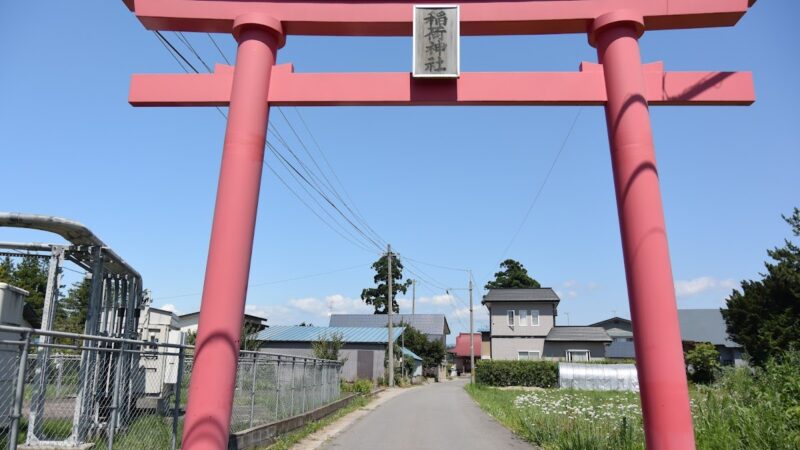
Amaterasu Omikami Shrine has a detached shrine, Kazuno Yasaka Shrine. Located in Hachimantai, Kazuno City, Kazuno Yasaka Shrine plays an important role as the temporary shrine for the purification dance during the annual festival of Amaterasu Omikami Shrine.
Deities of Kazuno Yasaka Shrine
The main deities of Kazuno Yasaka Shrine are as follows:
- Takehayasusano-no-Mikoto
- Kushinada-hime-no-Mikoto
Susanoo-no-Mikoto is the younger brother of Amaterasu Omikami and a brave god known for slaying Yamata-no-Orochi. Kushinada-hime-no-Mikoto is the goddess who became Susanoo-no-Mikoto’s wife.
Divine Virtues of Kazuno Yasaka Shrine
Kazuno Yasaka Shrine is believed to possess the following divine virtues:
- Matchmaking: The divine virtues of Susanoo and Kushinadahime as a married couple
- Protection from Evil and Disaster: The power of Susanoo as a fierce god
- Abundant Harvest: Protection of agriculture
- Eradication of Epidemics: A divine virtue common to shrines of the Yasaka Shrine lineage
Enshrined Shrines
Kazuno Yasaka Shrine has historically enshrined various shrines, including Inari shrines, and has developed by consolidating the faith of the region.
Visiting Information and Access
Location and Contact Information
Address: 14 Taniuchi, Hachimantai, Kazuno City, Akita Prefecture 018-5141
Phone: 0186-34-2270 or 0186-34-2225
Prayer Requests
Amaterasu Omikami Shrine accepts various prayer requests. If you wish to request a prayer, please make a reservation by phone in advance to ensure your desired date and time are accommodated.
Main Types of Prayers Offered:
- Family Safety
- Protection from Evil Spirits
- Traffic Safety
- Business Prosperity
- Success in Exams
- Safe Childbirth
- Shichi-Go-San (7-5-3 Festival)
Access Methods
Access by Car:
- Approximately 10 minutes from the Kazuno-Hachimantai Interchange on the Tohoku Expressway
- Accessible via National Route 282
- Parking Available
Access by Public Transportation:
- Approximately 15 minutes by taxi from Kazuno-Hanawa Station on the JR Hanawa Line
- Bus service is available, but the number of buses is limited, so advance confirmation is necessary.
Precautions When Visiting
- The temple grounds are a sacred place, so please pray quietly.
- Cultural assets such as the rock-carved Buddhas are valuable, so please be careful not to touch or damage them.
- Photography is generally permitted, but confirmation is necessary during festivals and Shinto rituals.
- In winter, there is snow, so please be careful of your footing when visiting.
Nearby Tourist Attractions
Dainichireiki Shrine (Dainichido)
Dainichireiki Shrine, where Dainichido Bugaku (court dance and music) is performed, is closely related to Amaterasu Kōmiso Shrine. It’s a must-visit spot when watching the Bugaku performance on January 2nd.
Hachimantai Onsenkyo (Hachimantai Hot Spring Village)
The Hachimantai area of Kazuno City is also known as a hot spring resort, allowing visitors to relax and unwind in the hot springs after their visit to the shrine.
Osarizawa Mine Historic Site
Kazuno City is home to the Osarizawa Mine, once one of Japan’s leading copper mines. Visitors can tour the mine shafts and learn about the region’s industrial history at the museum.
Relationship with Akita Prefecture Shrine Association
Amaterasu Kōmiso Shrine belongs to the Akita Prefecture Shrine Association. The Akita Prefecture Shrine Association is a religious corporation that oversees shrines within Akita Prefecture, providing support for shrine operations, training of Shinto priests, and promoting Shinto culture.
The Akita Prefectural Shrine Association website allows you to search for detailed information on shrines in the prefecture, including Amaterasu Kōmiso Shrine, which can be helpful when visiting.
Cultural Value and Preservation Activities of Amaterasu Kōmiso Shrine
Intangible Cultural Heritage Preservation
The Five Great Deities Dance and the First Purification Dance performed at Amaterasu Kōmiso Shrine are preserved through preservation activities by local residents. While the transmission of skills to younger generations is a challenge amidst a declining birthrate and aging population, efforts to protect traditions continue throughout the community.
Protection of Tangible Cultural Properties
Tangible cultural properties such as the rock-carved Buddha and stone steles within the shrine grounds are also properly preserved and managed. Regular surveys and preservation treatments are carried out to prevent deterioration of stone structures exposed to the natural environment.
Connections with the Local Community
Amaterasu Kōmiso Shrine functions not merely as a religious facility, but as a core of the local community. Through festivals and rituals, local residents gather and share traditional culture, fostering a sense of community unity.
Summary: The Charm of Amaterasu Kōmiso Shrine
Amaterasu Kōmiso Shrine, located in Kazuno City, Akita Prefecture, is a shrine with multifaceted charms, as follows:
- Deep History: The transformation from Taniguchi Kannon-do to a shrine, and records from the Muromachi period onward.
- Abundance of Cultural Assets: Prefectural designated historical sites such as the northernmost cliff-carved Buddha and stone steles.
- Intangible Cultural Heritage: UNESCO-registered Dainichido Bugaku and city-designated Sakiharai-mai.
- Traces of Shinto-Buddhist Syncretism: Remains embodying Japan’s religious history.
- Connection to the Community: A faith deeply rooted in the community as a tutelary deity.
Visiting Amaterasu Kōmiso Shrine is not merely sightseeing; it will be a valuable experience that touches upon the depths of Japan’s religious history, folk performing arts, and regional culture. A visit on January 2nd to see the UNESCO Intangible Cultural Heritage Bugaku live is highly recommended, as is a regular visit to quietly appreciate the history and worship in the shrine grounds.
When you visit Akita Prefecture, be sure to stop by Amaterasu Omikami Shrine and experience the weight of its history and culture.